

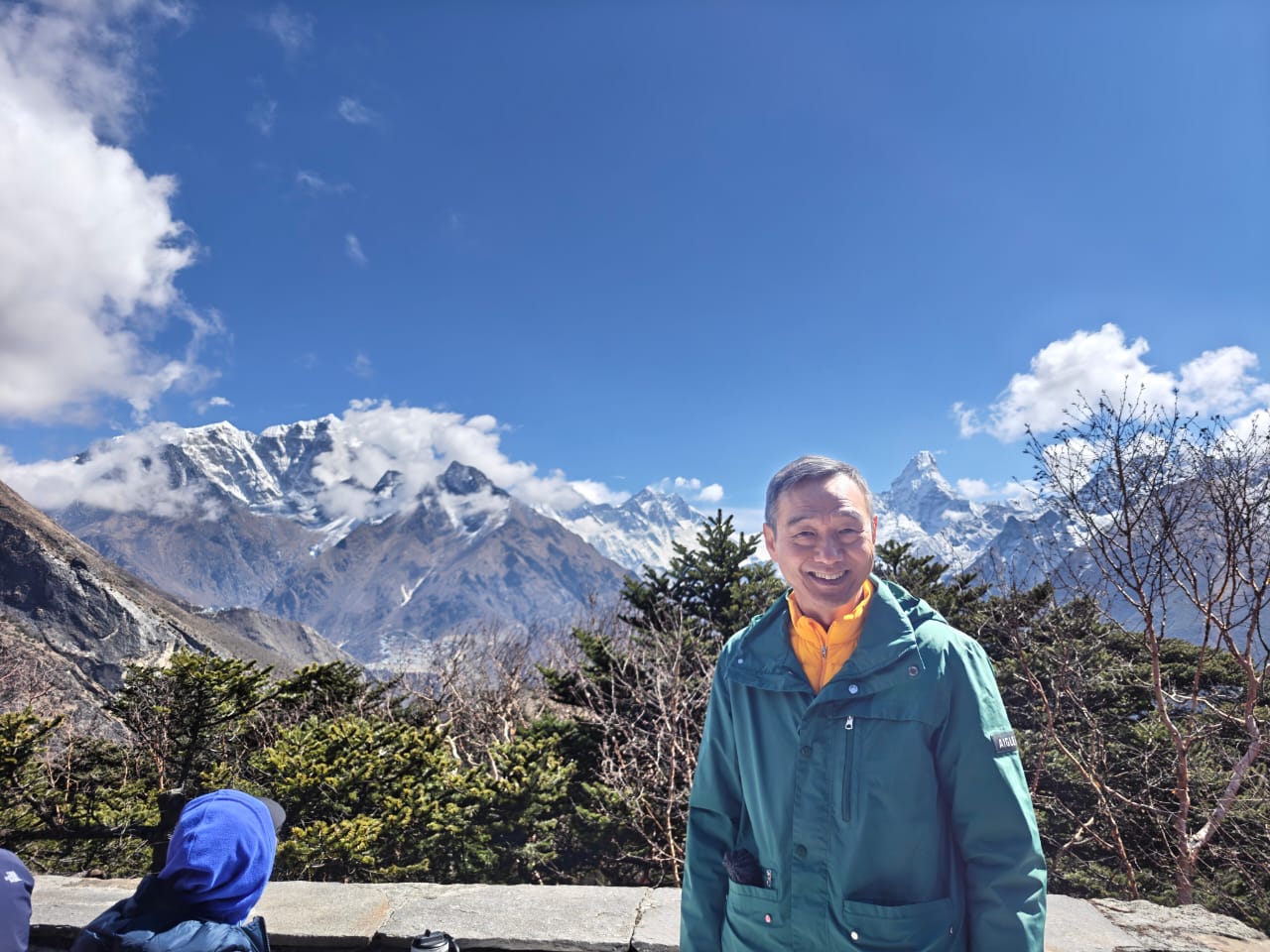
Everest Base Camp Trek Guide: Expert Tips and Information from a Nepal Trekking Guide
The Everest Base Camp (EBC) Trek is a 12–14-day round-trip hike in the Khumbu region of Nepal, starting with a flight to Lukla and ending at Everest Base Camp (5,364 m) and Kala Patthar (5,545 m) for the closest possible views of Mount Everest without technical climbing. It suits trekkers with a moderate-to-good fitness level, no prior mountaineering experience required, and is best attempted in March–May or September–November to Mid September to Mid December
Why Trust This Guide
I'm Prakash Lamsal, including my Guide Team, and I've spent more than a decade on these exact trails — not reading about them, walking them. Since 2012, I've guided trekkers of every background to Everest Base Camp, Annapurna Base Camp, Manaslu Circuit, Langtang Valley, Kanchenjunga Base Camp, the Annapurna Circuit, Mardi Himal, Ghorepani Poon Hill, and beyond. Everything below comes from firsthand experience on the ground, season after season, not secondhand research.
Everest Base Camp Trek Overview
| Detail | Information |
|---|---|
| Duration | 12–14 days (round trip from Kathmandu) |
| Max Altitude | 5,545 m (Kala Patthar) / 5,364 m (EBC itself) |
| Difficulty | Moderate to strenuous |
| Best Seasons | March–May (spring), September–November (autumn) |
| Starting Point | Lukla (via flight from Kathmandu or Ramechhap) |
| Trekking Region | Khumbu, Sagarmatha National Park |
| Permits Required | Sagarmatha National Park Permit, Khumbu Pasang Lhamu Rural Municipality Entry Permit |
| Accommodation | Teahouses/lodges throughout |
| Average Daily Walking | 5–7 hours |
Day-by-Day Route Summary
- Kathmandu → Lukla → Phakding — Short flight, gentle first walk to acclimatize legs.
- Phakding → Namche Bazaar — The famous climb into the Sherpa capital of the Khumbu.
- Acclimatization Day in Namche — Short hike to Everest View Hotel or Khumjung village.
- Namche → Tengboche — Home to the region's most iconic monastery.
- Tengboche → Dingboche — Landscape opens up; first real high-altitude exposure.
- Acclimatization Day in Dingboche — Hike to Nangkartshang Peak viewpoint.
- Dingboche → Lobuche — Passing the Khumbu Glacier memorials.
- Lobuche → Gorak Shep → Everest Base Camp → Gorak Shep — The main event.
- Gorak Shep → Kala Patthar (sunrise) → Pheriche — Best mountain panorama of the trek.
- Pheriche → Namche Bazaar
- Namche → Lukla
- Lukla → Kathmandu
Note: I always build in buffer days for weather delays at Lukla — flights are frequently rescheduled, and rushing this trek is the single biggest planning mistake I see.
Frequently Asked Questions
How hard is the Everest Base Camp Trek?
It's not technical — no ropes, no climbing gear — but it is physically demanding due to altitude and consecutive long walking days. Anyone with good general fitness who trains for 6–8 weeks beforehand (cardio plus hiking with a loaded daypack) can complete it comfortably.
What is the best time of year to trek to Everest Base Camp?
Autumn (late September to November) offers the clearest skies and stable weather. Spring (March to May) is a close second, with warmer days and rhododendron blooms in the lower valleys. Winter and monsoon are possible but come with harsher cold or poor visibility.
Do I need a guide for the Everest Base Camp Trek?
As of current Nepal government regulations, independent solo trekking without a licensed guide is restricted in most trekking regions, including Khumbu. A licensed guide is now mandatory for foreign trekkers, and this also significantly improves safety around altitude sickness recognition and route decisions.
How much does the Everest Base Camp Trek cost?
Costs vary by service level, but budget for permits, a Lukla flight, guide and porter fees, teahouse accommodation, and meals. Package prices from reputable Nepali operators typically range from mid-range to premium depending on group size, season, and added services like porters or private rooms.
What is the risk of altitude sickness?
Real, and the main reason treks fail. Above 3,000 m, ascend no faster than 300–500 m of sleeping altitude per day, and build in the two scheduled acclimatization days at Namche and Dingboche. Mild headache and fatigue are normal; dizziness, vomiting, or confusion are not — descend immediately if these appear.
What should I pack for the Everest Base Camp Trek?
Layered clothing for a temperature range from warm daytime sun to sub-zero nights, a good sleeping bag (rated to at least -15°C for peak season), sturdy broken-in hiking boots, trekking poles, sun protection, and a basic altitude-sickness medication kit approved by a doctor.
Can beginners do the Everest Base Camp Trek?
Yes, with the right preparation. It's a common first major trek for people who hike regularly but haven't done multi-day high-altitude routes before. The key factors are cardiovascular fitness, mental readiness for long days, and choosing an itinerary with enough acclimatization built in — not previous mountaineering experience.
Practical Tips from the Trail
- Fly to Lukla early in your trip window. Weather cancellations stack up fast in peak season; a same-day arrival-and-trek plan leaves no margin.
- Hydrate more than feels necessary. Dry mountain air and altitude both dehydrate you faster than you notice.
- Eat local, eat carbs. Dal bhat, potatoes, and garlic soup are teahouse staples for a reason — they're what your body actually needs at altitude.
- Slow down on summit days. The Kala Patthar sunrise climb is short in distance but brutal in thin air; steady pacing beats speed every time.
- Carry cash in Nepali rupees. There are no ATMs above Namche Bazaar, and card payments are unreliable in the high villages.
- Respect local customs. Pass mani walls and prayer wheels on your left, and ask before photographing monasteries or people.
The Everest Base Camp Trek rewards preparation more than raw fitness. In more than ten years of guiding this route, the trekkers who succeed are the ones who respect the acclimatization schedule, pack sensibly, and trust the pacing of an experienced guide over the urge to rush toward the mountain. Plan well, and Kala Patthar's sunrise view of Everest, Nuptse, and Lhotse will be worth every step.
Planning your trek? Nepal Himalayas Trekking offers guided Everest Base Camp itineraries led by experienced local guides, including Prakash Lamsal, who has led treks across the Everest, Annapurna, Manaslu, Langtang, Kanchenjunga, and Dolpo regions since 2012.








Add Your Comment