

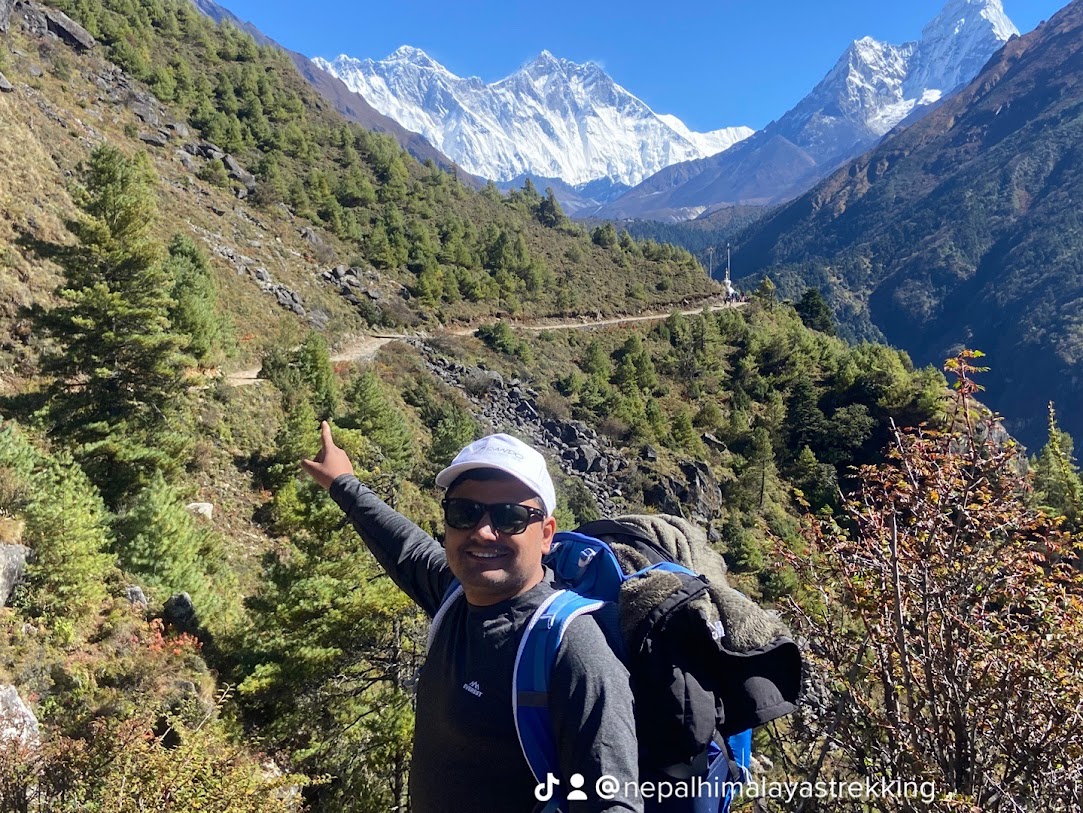
Everest Base Camp Trek: The Ultimate 14-Day Guide by Nepal Himalayas Trekking
Category: Everest Region | Difficulty: Moderate/Strenuous | Best Season: March–May/Mid-June & Mid-Sept–Mid-Dec | Cost: $1,690
What Is the Everest Base Camp Trek?
The Everest Base Camp Trek is one of the most iconic and sought-after trekking experiences on Earth. Standing at 5,364 meters (17,598 feet), Everest Base Camp sits at the foot of Mount Everest (8,848.86 m) — the world's highest peak — deep in the Khumbu region of northeastern Nepal. Every year, thousands of adventurers from across the globe journey through ancient Sherpa villages, sacred monasteries, rhododendron forests, and glacial moraines to reach this legendary destination.
With Nepal Himalayas Trekking, the classic 14-day Everest Base Camp Trek is crafted to balance acclimatization, safety, cultural immersion, and mountain grandeur — giving you the best possible experience in the roof of the world.
Quick Facts: Everest Base Camp Trek
| Detail | Information |
|---|---|
| Trek Duration | 14 Days (from Kathmandu) |
| Maximum Elevation | 5,545 m / 18,192 ft (Kala Patthar) |
| Base Camp Elevation | 5,364 m / 17,598 ft |
| Starting Point | Lukla (2,840 m) via Kathmandu flight |
| Trekking Region | Khumbu, Solukhumbu District, Nepal |
| Difficulty | Moderate/Strenuous (Non-technical) |
| Best Seasons | Spring (Mar–May) & Autumn (Sept–Nov) |
| Total Distance | ~130 km round trip |
| Average Daily Trek | 5–8 hours |
| Accommodation | Teahouses (lodges) |
| Meals | Teahouse meals (included) |
| Permits Required | Sagarmatha NP + Khumbu Entrance Fee + TIMS Card |
| Max Group Size | 12 (private groups available) |
| Guides | Government-licensed Sherpa guides |
Why Choose the 14-Day Everest Base Camp Trek?
The 14-day itinerary is the gold-standard duration for trekking to Everest Base Camp. Here's why it stands above shorter alternatives:
- Proper acclimatization: Two dedicated rest/acclimatization days (Namche Bazaar & Dingboche) significantly reduce the risk of altitude sickness.
- Kala Patthar summit (5,545 m): The best panoramic viewpoint of Everest, included in the 14-day plan.
- Cultural depth: Time to explore Tengboche Monastery, the Sagarmatha National Park, and traditional Sherpa communities.
- Physical comfort: A gradual ascent profile lets your body adapt without being rushed.
- Higher success rate: Trekkers on 14-day itineraries complete the journey at a significantly higher rate than those on 10–12 day routes.
14-Day Everest Base Camp Trek Itinerary
Day 1: Arrive in Kathmandu (1,400 m)
Your adventure begins in Kathmandu, the vibrant capital of Nepal. Meet your Nepal Himalayas Trekking guide team, attend a comprehensive pre-trek briefing, and collect all necessary permits. Spend the evening in Thamel exploring Nepal's rich culture. Stay: Kathmandu hotel.
Day 2: Fly Kathmandu to Lukla – Trek to Phakding (2,610 m) | ~3–4 hours
One of the world's most thrilling mountain flights takes you from Tribhuvan International Airport to Tenzing-Hillary Airport in Lukla (2,840 m). The descent along the Dudh Koshi River valley leads through rhododendron and pine forests to the peaceful village of Phakding. Distance: ~8 km. Stay: Teahouse.
Day 3: Phakding to Namche Bazaar (3,440 m) | ~5–6 hours
Cross suspension bridges draped in prayer flags over raging glacial rivers and pass through Monjo — the gateway to Sagarmatha National Park (UNESCO World Heritage Site). A steep final ascent brings you to the legendary Namche Bazaar, the Sherpa capital of the Khumbu. Distance: ~11 km. Stay: Teahouse.
Day 4: Acclimatization Day in Namche Bazaar (Rest & Explore)
This is a critical acclimatization day. Hike up to the Everest View Hotel (3,880 m) for your first breathtaking view of Everest, Lhotse, and Ama Dablam. Explore Namche's colorful weekend market, the Sherpa Culture Museum, and Hillary School. Altitude: stay at 3,440 m. Stay: Teahouse.
Day 5: Namche Bazaar to Tengboche (3,869 m) | ~5–6 hours
Trek through forests of juniper and silver fir, with sweeping views of Ama Dablam, Thamserku, and Kangtega. Visit the legendary Tengboche Monastery — the most revered Buddhist monastery in the Khumbu. If timing allows, witness evening prayer ceremonies. Distance: ~10 km. Stay: Teahouse.
Day 6: Tengboche to Dingboche (4,410 m) | ~5–6 hours
Descend to Pangboche — home to the oldest monastery in the Khumbu — then ascend through barren alpine terrain into the Imja Valley. Dingboche opens into a wide, glacially-carved basin surrounded by towering peaks. Distance: ~10 km. Stay: Teahouse.
Day 7: Acclimatization Day in Dingboche (Hike to Nangkartshang Peak, 5,100 m)
A second acclimatization day at a higher elevation. Hike to Nangkartshang Peak for panoramic views of Island Peak (Imja Tse), Makalu, Lhotse, and Cho Oyu. This hike is essential for preparing your body for the final push toward Base Camp. Stay: Teahouse.
Day 8: Dingboche to Lobuche (4,940 m) | ~4–5 hours
Trek across the lateral moraine of the Khumbu Glacier, passing the somber yet moving Everest Memorial at Thukla Pass (4,620 m) — dedicated to mountaineers lost on Everest. The landscape becomes raw, windswept, and dramatic. Distance: ~8 km. Stay: Teahouse.
Day 9: Lobuche to Everest Base Camp (5,364 m) via Gorak Shep – Trek Back to Gorak Shep | ~8–9 hours
The day you've trained for. From Gorak Shep (5,164 m), push across the rocky moraine to reach Everest Base Camp (5,364 m) — a sea of colorful expedition tents at the edge of the Khumbu Icefall. Soak in the achievement, celebrate with your team, and descend back to Gorak Shep. Distance: ~13 km round trip. Stay: Teahouse.
Day 10: Gorak Shep to Kala Patthar (5,545 m) – Trek to Pheriche (4,280 m) | ~7–8 hours
Rise before dawn for the pre-sunrise ascent of Kala Patthar, widely regarded as the finest viewpoint of Mount Everest in the world. At sunrise, the golden light transforms Everest's South Face into something otherworldly. Descend all the way to the greener pastures of Pheriche. Distance: ~16 km. Stay: Teahouse.
Day 11: Pheriche to Namche Bazaar (3,440 m) | ~6–7 hours
A long but exhilarating descent retracing your steps through Pangboche and Tengboche, with the Himalayan giants as constant companions on the trail. By evening, return to the warmth and comforts of Namche Bazaar. Distance: ~18 km. Stay: Teahouse.
Day 12: Namche Bazaar to Lukla (2,840 m) | ~6–7 hours
The final full day of trekking descends steeply back to Lukla through lush forests and across swinging bridges. Celebrate your successful Everest Base Camp Trek with your guides and porters at a farewell dinner in Lukla. Distance: ~19 km. Stay: Teahouse.
Day 13: Fly Lukla to Kathmandu
Subject to weather, your mountain flight returns you to Kathmandu. The afternoon is free for a Certificate of Completion pickup, souvenir shopping in Thamel, and a celebration dinner. Stay: Kathmandu hotel.
Day 14: Depart Kathmandu
Transfer to Tribhuvan International Airport for your onward journey. Your 14-day Everest Base Camp Trek with Nepal Himalayas Trekking is complete — a memory that will last a lifetime.
Elevation Profile: 14-Day EBC Trek
| Day | Destination | Elevation | Trek Duration |
|---|---|---|---|
| 1 | Kathmandu | 1,400 m | — |
| 2 | Phakding (via Lukla) | 2,610 m | 3–4 hrs |
| 3 | Namche Bazaar | 3,440 m | 5–6 hrs |
| 4 | Namche Bazaar (Acclimatization) | 3,440 m | Rest Day |
| 5 | Tengboche | 3,869 m | 5–6 hrs |
| 6 | Dingboche | 4,410 m | 5–6 hrs |
| 7 | Dingboche (Acclimatization) | 4,410 m | Rest Day |
| 8 | Lobuche | 4,940 m | 4–5 hrs |
| 9 | EBC (5,364 m) → Gorak Shep | 5,164 m | 8–9 hrs |
| 10 | Kala Patthar (5,545 m) → Pheriche | 4,280 m | 7–8 hrs |
| 11 | Namche Bazaar | 3,440 m | 6–7 hrs |
| 12 | Lukla | 2,840 m | 6–7 hrs |
| 13 | Kathmandu (flight) | 1,400 m | — |
| 14 | Departure | — | — |
What Does the Everest Base Camp Trek Package Include?
Nepal Himalayas Trekking's all-inclusive 14-day EBC package covers:
Included:
- All domestic flights (Kathmandu–Lukla–Kathmandu)
- TIMS Card and Sagarmatha National Park Entry Permit
- Experienced, government-licensed English-speaking trekking guide
- Experienced porters (1 porter per 2 trekkers, max 15 kg per porter)
- All teahouse accommodation on trek (twin-sharing)
- All meals during the trek (breakfast, lunch, and dinner)
- Comprehensive first-aid kit and pulse oximeter
- Emergency evacuation insurance for guides and porters
- EBC Trek Completion Certificate
Not Included:
- Nepal visa fee
- Travel & trekking insurance (mandatory — must cover helicopter evacuation)
- International airfare
- Personal trekking gear and equipment
- Tips for guides and porters
- Personal expenses (hot showers, Wi-Fi, charging, bar bills)
- Meals in Kathmandu
Difficulty Level & Physical Fitness Requirements
The Everest Base Camp Trek is rated strenuous — not technical, but demanding. You do not need mountaineering experience or ropes. However:
- You should be able to trek 5–8 hours per day over multiple consecutive days.
- Regular cardio fitness (running, hiking, cycling) for 2–3 months prior is strongly recommended.
- Prior experience with multi-day trekking is an asset, but not mandatory.
- Age range: Fit adults aged 12–70 regularly complete this trek.
- The primary challenge is altitude, not terrain steepness.
Altitude Sickness on the EBC Trek: What You Must Know
Acute Mountain Sickness (AMS) is the single greatest risk on the Nepal Himalayas Trek to Everest Base Camp. Key prevention measures:
- Ascend gradually — never gain more than 500 m per day above 3,000 m.
- Acclimatization days in Namche and Dingboche are non-negotiable.
- Hydrate constantly — drink 3–4 liters of water daily.
- Diamox (Acetazolamide) — consult your physician before trekking; many trekkers use it prophylactically.
- Know your symptoms: headache, nausea, dizziness, shortness of breath, loss of appetite.
- Golden rule: If symptoms worsen, descend immediately. Never ascend with AMS symptoms.
- Nepal Himalayas Trekking guides carry pulse oximeters to monitor oxygen saturation at every teahouse stop.
Best Season for the Everest Base Camp Trek
| Season | Months | Conditions | Recommended? |
|---|---|---|---|
| Spring | March – May | Clear skies, blooming rhododendrons, warm days | ✅ Best Season |
| Summer/Monsoon | June – August | Heavy rain, leeches, poor visibility | ❌ Not Recommended |
| Autumn | September – November | Crisp air, stable weather, excellent visibility | ✅ Best Season |
| Winter | December – February | Extreme cold (-20°C at altitude), possible snow closures | ⚠️ Experienced only |
Peak months: October, November, April, and May offer the clearest Himalayan views and most stable weather windows for the Everest Base Camp Trek.
Essential Gear Checklist for EBC Trek
Clothing
- Moisture-wicking base layers (top and bottom)
- Fleece mid-layer jacket
- Down jacket (650+ fill power) — essential above 4,000 m
- Waterproof/windproof outer shell jacket and trousers
- Trekking pants (2–3 pairs)
- Thermal gloves + outer waterproof mittens
- Warm trekking hat + sun hat
- Wool/synthetic trekking socks (4–5 pairs)
- Buff/neck gaiter
Footwear & Support
- Waterproof trekking boots (well broken-in)
- Camp sandals or lightweight trail shoes
- Gaiters (optional, useful in snow)
- Trekking poles (highly recommended)
Essentials
- 40–50L trekking backpack (day pack; porter carries main bag)
- Sleeping bag rated to -10°C to -15°C
- Headlamp with spare batteries
- High-SPF sunscreen (SPF 50+) and UV-protection sunglasses
- Altitude sickness medication (Diamox — consult doctor)
- Water purification tablets or a filter
- Power bank (charging is expensive/limited above Namche)
- Snacks (energy bars, nuts, chocolates)
Permits Required for the Everest Base Camp Trek
To legally trek in the Everest region, you need two permits:
1. Sagarmatha National Park Entry Permit
- Cost: NPR 3,000 (~USD 22) per person
- Issued at: Nepal Tourism Board office in Kathmandu or Monjo checkpoint
2. Khumbu Pasang Lhamu Rural Municipality Entry Permit
- Cost: NPR 2,000 (~USD 15) per person
- Issued at: Monjo or Lukla
3. TIMS Card (Trekkers' Information Management System)
- Cost: USD 10–20
- Issued at: Nepal Tourism Board, Kathmandu
Nepal Himalayas Trekking handles all permit arrangements on your behalf.
Teahouse Accommodation Along the EBC Trail
Teahouses (locally-owned lodges) are the backbone of the Everest Base Camp trekking experience. What to expect:
- Rooms: Twin-sharing with basic beds, pillows, and blankets. Bring your sleeping bag.
- Food: Dal Bhat, pasta, soup, noodles, eggs, pancakes, Sherpa stew, and tea. Menus broaden in lower villages.
- Facilities: Shared squat or western toilets, cold-water taps. Hot showers available (extra cost, ~USD 3–5).
- Wi-Fi & Charging: Available in most teahouses (extra cost). Unreliable above Lobuche.
- Heating: Common dining rooms have yak-dung stoves. Rooms are unheated — use your sleeping bag.
The higher you climb, the more basic (and expensive) the facilities become. Prices for food and accommodation roughly double above Namche Bazaar due to porter-only supply chains.
Cultural Highlights of the Everest Base Camp Trek
The Nepal Himalayas Trekking experience is as culturally rich as it is physically challenging. Key cultural highlights:
Namche Bazaar — The Sherpa heartland: a bustling mountain town with bakeries, gear shops, the Sherpa Culture Museum, and a colorful Saturday market.
Tengboche Monastery — The spiritual center of the Khumbu, dating to 1916. The monastery sits against a backdrop of Ama Dablam and Everest, and hosts the famous Mani Rimdu festival each November.
Pangboche Monastery — The oldest surviving monastery in the Khumbu, said to contain a yeti scalp and hand.
Sherpa Villages — Phakding, Monjo, Khumjung, Pangboche, and Dingboche are authentic communities that have welcomed trekkers for decades. Observe prayer wheel paths (always walk clockwise), mani stones, and chortens.
Prayer Flags & Mani Walls — Strung across every ridge and bridge, the fluttering of prayer flags is believed to spread blessings across the mountains.
Why Trek with Nepal Himalayas Trekking?
Nepal Himalayas Trekking is a licensed, Kathmandu-based trekking company with decades of guiding experience in the Everest region.
- Government-licensed, certified guides with wilderness first-aid training
- Small-group & private treks — no one gets left behind
- Flexible itineraries tailored to your pace and experience level
- Sustainable trekking practices — we support local teahouses, employ local Sherpa guides and porters, and minimize environmental impact
- 24/7 emergency support and helicopter evacuation coordination
- Transparent, all-inclusive pricing with no hidden costs
- Pre-trek consultations on fitness, gear, altitude, and logistics
Frequently Asked Questions: Everest Base Camp Trek
Q: How long does the Everest Base Camp Trek take? The standard itinerary is 14 days from Kathmandu and back, including two acclimatization days. Shorter 10–12 day treks exist but carry a higher risk of altitude sickness.
Q: How high is Everest Base Camp? Everest Base Camp sits at 5,364 meters (17,598 feet) above sea level. The highest point of the trek is Kala Patthar at 5,545 m (18,192 ft).
Q: Do I need trekking experience to do the EBC Trek? No technical climbing experience is required. The trail is non-technical. However, a baseline of physical fitness and ideally some prior hiking experience will make the journey more enjoyable.
Q: Is the Everest Base Camp Trek safe? With proper acclimatization, a qualified guide, comprehensive travel insurance, and good physical preparation, the trek is safe for most healthy adults. The key risks are altitude sickness and unpredictable weather.
Q: What is the cost of the 14-day Everest Base Camp Trek? Package costs typically range from USD 1,490 to USD 6,000+ per person, depending on group size, season, and inclusions. Nepal Himalayas Trekking offers competitively priced, fully inclusive packages.
Q: Do I need travel insurance for the EBC Trek? Yes — travel insurance covering helicopter evacuation up to USD 5,500 is mandatory. Many trekkers use World Nomads, SafetyWing, or similar adventure travel insurers.
Q: Can I do the Everest Base Camp Trek solo? Technically, yes, but it is strongly discouraged. A licensed guide is not legally mandatory on the trail, but guides provide critical safety monitoring, cultural context, and emergency support. Nepal Himalayas Trekking strongly recommends guided treks.
Q: What is the best month to do the Everest Base Camp Trek? October and November (autumn) and April and May (spring) are the best months for clear skies, moderate temperatures, and stable weather.
Q: What should I eat on the EBC Trek? Stick to cooked, hot food (Dal Bhat is nutritious and safe). Avoid raw salads, cold meats, or tap water. Drink only bottled or purified water. Appetite decreases at altitude — force yourself to eat carbohydrate-rich meals for energy.
Q: How do I get to Lukla? During peak season, Lukla is accessed via a 30-minute mountain flight from Kathmandu or a ~7-hour flight from Ramechhap (Manthali Airport) to reduce congestion. Nepal Himalayas Trekking books all domestic flights on your behalf.
Sustainable Trekking in the Everest Region
The Everest region is one of the most visited trekking destinations on Earth — and one of the most environmentally fragile. Nepal Himalayas Trekking is committed to responsible, sustainable tourism:
- Carry out all plastic waste — single-use plastics are banned in Sagarmatha National Park.
- Use refillable water bottles with purification tablets or UV pens.
- Stay on marked trails to prevent erosion.
- Hire local Sherpa guides and porters — tourism dollars stay in the community.
- Respect wildlife: Snow leopards, Himalayan tahrs, red pandas, and Danphe pheasants inhabit the national park.
- Support teahouses with local management.
- Follow the "Leave No Trace" principles throughout the trek.
Book Your 14-Day Everest Base Camp Trek
Ready to stand at the foot of the world's highest mountain? Nepal Himalayas Trekking is your trusted partner for a safe, authentic, and unforgettable Everest Base Camp Trek experience.
📍 Nepal Himalayas Trekking | Amrit Marg, Thamel, Kathmandu, Nepal
🌐 Certified & Government-Licensed Trekking Company
📅 Departures available throughout the spring and autumn seasons
👥 Private & group treks available
💬 Free consultation available before booking
Tags: Everest Base Camp Trek, 14-day, EBC trek, Nepal Himalayas Trekking, Kala Patthar, EBC itinerary, Khumbu region, guided EBC trek, 5,364 m acclimatization, Sherpa villages







Add Your Comment