

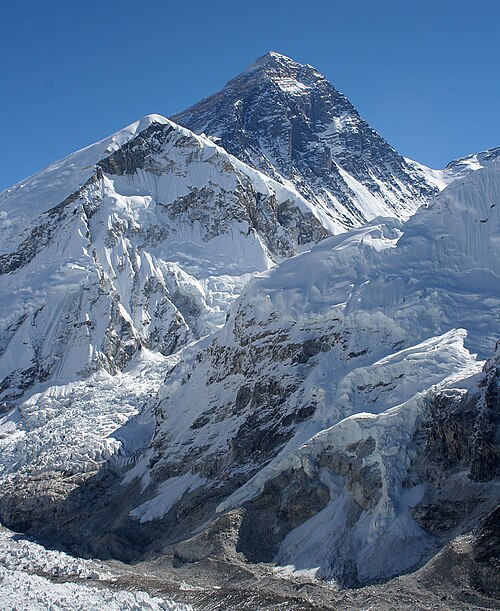
The Everest Base Camp Trek itinerary is far more than a hiking route—it's a life-changing journey through one of the most spectacular mountain landscapes on Earth. Over 14 unforgettable days, you'll experience dramatic Himalayan scenery, rich Sherpa culture, ancient Buddhist traditions, and the satisfaction of standing at the base of the world's highest mountain.
This carefully planned itinerary includes two essential acclimatization days, comfortable daily trekking distances, and experienced local guidance to maximize both safety and enjoyment. Whether you're an experienced trekker or taking on your first high-altitude adventure, this classic route offers the ideal balance of challenge, scenery, and cultural immersion.
At Nepal Himalayas Trekking, we have been leading trekkers through the Everest region for many years with experienced, government-licensed guides, friendly porters, flexible departure dates, and personalized service. From the moment you arrive in Kathmandu until your departure, our team is committed to making your Everest adventure safe, memorable, and truly exceptional.
If you're ready to turn your dream into reality, contact Nepal Himalayas Trekking today to book your Everest Base Camp Trek and begin the adventure of a lifetime in the heart of the Nepalese Himalayas
Everest Base Camp Trek Itinerary (14 Days) – Complete Day-by-Day Guide for 2026/2027
The Everest Base Camp Trek itinerary is one of the world's most iconic trekking adventures, taking you through the heart of Nepal's Khumbu region to the foot of Mount Everest (8,848.86 m). Carefully designed with gradual altitude gain and proper acclimatization, this classic 14-day Everest Base Camp Trek itinerary offers the perfect balance of adventure, safety, and breathtaking Himalayan scenery.
Starting in Kathmandu, the journey begins with a spectacular mountain flight to Lukla before following the legendary trail through picturesque Sherpa villages, ancient Buddhist monasteries, rhododendron forests, and the UNESCO-listed Sagarmatha National Park. Along the way, trekkers cross thrilling suspension bridges, enjoy panoramic views of Everest, Lhotse, Ama Dablam, Thamserku, Nuptse, and many other Himalayan giants, and experience the warm hospitality of the Sherpa people.
Unlike shorter itineraries that rush the ascent, this carefully planned Everest Base Camp Trek itinerary includes two essential acclimatization days in Namche Bazaar and Dingboche. These rest days allow your body to adjust naturally to the increasing altitude, significantly improving your chances of successfully reaching Everest Base Camp (5,364 m) and Kala Patthar (5,545 m)—the best viewpoint for panoramic sunrise views of Mount Everest.
Each day of the trek brings new experiences. You'll walk beside the glacial Dudh Koshi River, explore the bustling mountain town of Namche Bazaar, visit the famous Tengboche Monastery, trek across alpine valleys surrounded by snow-capped peaks, and finally stand at the legendary Everest Base Camp, where climbers prepare for their summit expeditions.
Whether you are an experienced hiker or embarking on your first Himalayan adventure, this detailed guide explains everything you need to know before setting off. From daily trekking distances and walking hours to overnight altitudes, accommodation, meals, acclimatization, and practical travel tips, this itinerary is designed to help you prepare for an unforgettable journey.
Why Choose This 14-Day Everest Base Camp Trek Itinerary?
Many trekking companies offer 10-, 11-, or 12-day Everest Base Camp programs by reducing acclimatization time. While these shorter trips may seem attractive, they often increase the risk of altitude sickness and reduce the overall enjoyment of the trek.
This classic 14-day Everest Base Camp Trek itinerary follows the safest and most recommended schedule used by experienced Sherpa guides and mountain professionals. It provides gradual altitude gain, comfortable daily trekking distances, and enough time to enjoy the magnificent Himalayan landscape without feeling rushed.
Highlights of This Everest Base Camp Trek Itinerary
-
Scenic mountain flight between Kathmandu (or Ramechhap during peak season) and Lukla.
-
Trek through the UNESCO World Heritage Site of Sagarmatha National Park.
-
Cross famous suspension bridges decorated with colorful Buddhist prayer flags.
-
Explore the lively Sherpa town of Namche Bazaar.
-
Visit the historic Tengboche Monastery with stunning views of Ama Dablam.
-
Experience authentic Sherpa culture and traditional Himalayan hospitality.
-
Enjoy spectacular views of Mount Everest, Lhotse, Nuptse, Ama Dablam, Pumori, Thamserku, Kangtega, and Cho Oyu.
-
Spend two important acclimatization days to maximize safety and comfort.
-
Reach the legendary Everest Base Camp (5,364 m).
-
Hike to Kala Patthar (5,545 m), the finest viewpoint for sunrise over Mount Everest.
-
Stay in comfortable mountain tea houses throughout the journey.
-
Return via the same scenic trail with unforgettable Himalayan memories.
Everest Base Camp Trek Itinerary Overview
| Duration | 14 Days |
|---|---|
| Trek Duration | 12 Days |
| Maximum Altitude | Kala Patthar (5,545 m) |
| Everest Base Camp Altitude | 5,364 m |
| Starting Point | Kathmandu |
| Trek Starting Point | Lukla |
| Ending Point | Kathmandu |
| Total Trek Distance | Approximately 130 km (Round Trip) |
| Daily Walking Distance | 8–17 km |
| Average Trekking Hours | 4–8 Hours |
| Trek Difficulty | Moderate to Challenging |
| Accommodation | Tourist Hotel & Mountain Tea Houses |
| Meals | Breakfast, Lunch & Dinner during the Trek |
| Best Seasons | March–May and September–November |
| Required Fitness | Good Physical Condition |
Everest Base Camp Trek Route
The journey starts with a short but spectacular flight to Lukla before descending to Phakding along the Dudh Koshi River. The trail continues to Namche Bazaar, the gateway to the Everest region, where trekkers spend an acclimatization day.
From Namche, the route climbs to Tengboche, home to the largest monastery in the Khumbu region, before continuing through Pangboche and Somare to Dingboche for a second acclimatization day. The trail then ascends to Lobuche and Gorak Shep before reaching the ultimate destination—Everest Base Camp.
The following morning, trekkers hike to Kala Patthar for panoramic sunrise views over Mount Everest before descending through Pheriche, Namche Bazaar, and Lukla. A scenic flight returns you to Kathmandu, completing one of the greatest trekking adventures in the world.
This itinerary has been successfully followed by thousands of trekkers and remains the most recommended route for a safe, enjoyable, and memorable Everest Base Camp experience.
Day 1: Arrival at Tribhuvan International Airport, Kathmandu (1,400 m)
Altitude: 1,400 m (4,593 ft)
Accommodation: 3-Star Tourist Hotel
Meals: Not Included
Driving Time: 20–30 Minutes
Welcome to Nepal, the gateway to the Himalayas! Your unforgettable Everest Base Camp Trek itinerary begins with your arrival at Tribhuvan International Airport in Kathmandu. Upon landing, a representative from Nepal Himalayas Trekking will warmly welcome you and transfer you to your hotel in the heart of Kathmandu.
After checking in, you will have time to relax and recover from your international flight. Depending on your arrival time, you may explore the vibrant streets of Thamel, Kathmandu's famous tourist district, where you can find trekking equipment, local handicrafts, restaurants, cafés, and souvenir shops.
In the evening, attend a pre-trek briefing with your trekking guide. During this meeting, you'll receive detailed information about the trek, weather conditions, altitude, safety procedures, equipment checklist, and flight arrangements to Lukla. This is also an excellent opportunity to ask questions and ensure you are fully prepared for the adventure ahead.
Today's Highlights
-
Airport pickup by Nepal Himalayas Trekking.
-
Hotel transfer and check-in.
-
Free time to explore Thamel.
-
Trek briefing and equipment check.
-
Meet your trekking guide and fellow trekkers.
Day 2: Fly to Lukla (2,840 m) and Trek to Phakding (2,610 m)
Flight Duration: 35 Minutes
Walking Distance: Approximately 8 km
Walking Time: 3–4 Hours
Highest Altitude: Lukla (2,840 m)
Accommodation: Mountain Tea House
Meals: Breakfast, Lunch & Dinner
Today marks the official start of your Everest Base Camp Trek itinerary with one of the world's most exciting mountain flights. Early in the morning, you'll fly from Kathmandu (or Ramechhap during peak trekking seasons) to Lukla, a spectacular journey offering breathtaking aerial views of the Himalayas.
Upon landing at Tenzing-Hillary Airport, your trekking crew will make final preparations before beginning the trek toward Phakding. The trail gently descends through beautiful Sherpa villages, pine forests, prayer wheels, colorful mani walls, and fluttering Buddhist prayer flags.
Crossing several suspension bridges over the crystal-clear Dudh Koshi River, you'll pass through Chheplung, Ghat, and small settlements before reaching the peaceful village of Phakding.
Since today's trek is relatively easy, it allows your body to begin adjusting to the higher altitude while enjoying the magnificent scenery.
Highlights of the Day
-
Scenic Himalayan flight to Lukla.
-
Experience the famous Tenzing-Hillary Airport.
-
First walk through traditional Sherpa villages.
-
Cross suspension bridges over the Dudh Koshi River.
-
Beautiful views of Kusum Kanguru and surrounding peaks.
-
Overnight stay in a traditional mountain tea house.
Day 3: Trek from Phakding to Namche Bazaar (3,440 m)
Walking Distance: Approximately 10–11 km
Walking Time: 6–7 Hours
Altitude Gain: About 830 m
Accommodation: Mountain Tea House
Meals: Breakfast, Lunch & Dinner
Day three is one of the most exciting days of the Everest Base Camp Trek itinerary as you enter the UNESCO World Heritage-listed Sagarmatha National Park and reach the vibrant Sherpa town of Namche Bazaar.
After breakfast, follow the Dudh Koshi River while crossing several spectacular suspension bridges, including the famous Hillary Suspension Bridge. Along the trail, you'll pass through charming villages such as Toktok, Benkar, Monjo, and Jorsalle.
At Monjo, your guide will complete the permit verification before entering Sagarmatha National Park. From here, the trail follows the river before beginning the challenging ascent to Namche Bazaar.
As you climb through dense pine forests, you may catch your first glimpse of Mount Everest if the weather is clear. Reaching Namche Bazaar after the final uphill section is incredibly rewarding, as the bustling mountain town offers comfortable lodges, cafés, bakeries, gear shops, and stunning mountain panoramas.
Namche Bazaar has long served as the commercial and cultural center of the Khumbu region and is an ideal place for acclimatization.
Today's Highlights
-
Enter Sagarmatha National Park.
-
Cross the famous Hillary Suspension Bridge.
-
First possible view of Mount Everest.
-
Explore the vibrant Sherpa capital of Namche Bazaar.
-
Overnight in one of the best mountain towns in Nepal.
Day 4: Acclimatization Day at Namche Bazaar (3,440 m)
Hiking Distance: 5–6 km
Hiking Time: 3–4 Hours
Accommodation: Mountain Tea House
Meals: Breakfast, Lunch & Dinner
Proper acclimatization is one of the most important parts of every successful Everest Base Camp Trek itinerary. Rather than spending the day resting completely, you'll follow the well-known principle of "climb high, sleep low."
After breakfast, hike to the famous Everest View Hotel (3,880 m), one of the highest luxury hotels in the world. This scenic viewpoint offers magnificent panoramic views of Mount Everest, Lhotse, Ama Dablam, Nuptse, Thamserku, and Kongde Ri.
On the way, visit the Sagarmatha National Park Visitor Centre, where you'll learn about the geology, wildlife, mountaineering history, and Sherpa culture of the Everest region.
Many trekkers also continue to the traditional Sherpa village of Khumjung, home to the historic Khumjung Monastery and the famous "Yeti Scalp" exhibit. The village provides fascinating insight into Sherpa traditions, schools established by Sir Edmund Hillary, and daily Himalayan life.
After enjoying lunch and mountain views, return to Namche Bazaar for the night. The gradual altitude gain during today's hike helps your body produce more red blood cells, improving acclimatization before higher elevations in the coming days.
Today's Highlights
-
Essential acclimatization hike.
-
Panoramic views of Mount Everest and Ama Dablam.
-
Visit Everest View Hotel.
-
Explore Sagarmatha National Park Visitor Centre.
-
Optional visit to Khumjung Village and monastery.
-
Free afternoon to relax, visit cafés, or shop for trekking gear in Namche Bazaar.
Expert Tip: Stay well hydrated, avoid alcohol, eat nutritious meals, and walk at a comfortable pace. Proper acclimatization greatly increases your chances of reaching Everest Base Camp safely and enjoying every moment of your trek.
Day 5: Trek from Namche Bazaar (3,440 m) to Tengboche (3,860 m)
Walking Distance: Approximately 10 km (6.2 miles)
Walking Time: 5–6 Hours
Altitude Gain: 420 m
Accommodation: Mountain Tea House
Meals: Breakfast, Lunch & Dinner
Today is one of the most scenic days of the Everest Base Camp Trek itinerary. After a hearty breakfast in Namche Bazaar, the trail follows a relatively gentle path along the mountainside, offering breathtaking panoramic views of Mount Everest (8,848.86 m), Lhotse (8,516 m), Ama Dablam (6,812 m), Thamserku (6,608 m), Kangtega (6,782 m), and Nuptse (7,861 m). The spectacular scenery makes this section one of the most photographed parts of the Everest region.
As you continue, the trail gradually descends to Phunki Tenga (3,250 m), a peaceful riverside village where most trekkers stop for lunch. After crossing the Dudh Koshi River, the route begins a steady uphill climb through beautiful forests of rhododendron, pine, fir, and juniper. During spring, these forests are filled with colorful blooming rhododendrons, Nepal's national flower.
Keep an eye out for Himalayan wildlife, including musk deer, Himalayan monal (Danphe), pheasants, and mountain goats, especially within the protected forests of Sagarmatha National Park.
After several hours of climbing, you will arrive at the picturesque village of Tengboche, home to the famous Tengboche Monastery, the largest and most important Buddhist monastery in the Khumbu region. Built in 1916, this sacred monastery is surrounded by snow-capped Himalayan peaks and offers one of the finest viewpoints on the entire Everest Base Camp Trek.
If you arrive in the afternoon, you may have the opportunity to witness monks performing traditional Buddhist prayer ceremonies inside the monastery, creating a peaceful and unforgettable cultural experience.
Today's Highlights
-
Spectacular mountain views throughout the day.
-
Walk through beautiful rhododendron and pine forests.
-
Lunch at Phunki Tenga beside the Dudh Koshi River.
-
Visit the famous Tengboche Monastery.
-
Incredible sunset views over Ama Dablam and Mount Everest.
-
Overnight in a traditional Himalayan tea house.
Day 6: Trek from Tengboche (3,860 m) to Dingboche (4,410 m)
Walking Distance: Approximately 11 km (6.8 miles)
Walking Time: 5–6 Hours
Altitude Gain: 550 m
Accommodation: Mountain Tea House
Meals: Breakfast, Lunch & Dinner
After breakfast, continue your Everest Base Camp Trek itinerary by descending through a peaceful forest to the village of Debuche, crossing the Imja Khola River on a suspension bridge before gradually climbing toward Pangboche (3,985 m).
Pangboche is one of the oldest Sherpa settlements in the Everest region and is famous for its historic monastery, believed to be the oldest Buddhist monastery in the Khumbu Valley. Many trekkers stop here for tea while enjoying spectacular views of Ama Dablam, often regarded as the most beautiful mountain in Nepal.
Leaving Pangboche, the landscape begins to change dramatically. Dense forests gradually disappear and are replaced by alpine meadows, rocky terrain, and open valleys. The air becomes noticeably thinner as you gain elevation, making it essential to maintain a slow and steady pace.
Passing through the small settlements of Shomare and Orsho, the trail eventually reaches the wide Imja Valley before arriving at Dingboche, a beautiful Sherpa village surrounded by stone walls built to protect crops from strong mountain winds and grazing yaks.
Dingboche offers magnificent panoramic views of Ama Dablam, Island Peak, Lhotse, and the surrounding Himalayan ranges. It is also one of the most important acclimatization stops on the journey to Everest Base Camp.
Today's Highlights
-
Visit historic Pangboche Village.
-
Stunning close-up views of Ama Dablam.
-
Walk through alpine landscapes above the tree line.
-
Cross traditional yak grazing areas.
-
Arrive at the beautiful village of Dingboche.
-
Prepare for higher elevations with proper rest and hydration.
Day 7: Acclimatization Day at Dingboche (4,410 m)
Hiking Distance: 5–6 km (Optional)
Hiking Time: 4–5 Hours
Highest Elevation: Nagarjun Hill (Approx. 5,100 m)
Accommodation: Mountain Tea House
Meals: Breakfast, Lunch & Dinner
Today is another essential acclimatization day in your Everest Base Camp Trek itinerary. Spending an extra night in Dingboche greatly improves your body's ability to adapt to the high altitude before ascending above 5,000 meters.
Following the mountaineering principle of "Climb High, Sleep Low," you'll take an optional morning hike to Nagarjun Hill (approximately 5,100 m), one of the best viewpoints in the Khumbu region.
The uphill hike is challenging but extremely rewarding. From the summit, you'll enjoy breathtaking 360-degree views of Mount Makalu (8,485 m), Lhotse, Ama Dablam, Lobuche East, Cholatse, Taboche, Island Peak, and the expansive Imja Valley.
After spending time taking photographs and enjoying the scenery, descend back to Dingboche for lunch and a relaxing afternoon.
Use the remainder of the day to rest, rehydrate, organize your trekking gear, and prepare mentally for the higher elevations ahead. Walking slowly, drinking plenty of water, eating nutritious meals, and avoiding alcohol remain the best strategies for successful acclimatization.
Today's Highlights
-
Essential acclimatization for high-altitude trekking.
-
Hike to Nagarjun Hill (5,100 m).
-
Panoramic views of Makalu, Ama Dablam, and Lhotse.
-
Explore the beautiful Imja Valley.
-
Improve your chances of safely reaching Everest Base Camp.
Expert Tip: Mild headaches and reduced appetite are common at this altitude. Inform your guide immediately if symptoms worsen or if you experience dizziness, severe headache, or difficulty breathing.
Day 8: Trek from Dingboche (4,410 m) to Lobuche (4,910 m)
Walking Distance: Approximately 8 km (5 miles)
Walking Time: 5–6 Hours
Altitude Gain: 500 m
Accommodation: Mountain Tea House
Meals: Breakfast, Lunch & Dinner
Today's section of the Everest Base Camp Trek itinerary takes you deeper into the heart of the Everest region. Leaving Dingboche behind, the trail gradually climbs across wide alpine slopes toward Thukla (Dhukla - 4,620 m), a popular lunch stop before the final ascent.
After lunch, you'll face a steep climb to the Thukla Memorial Pass, one of the most emotional landmarks on the Everest Base Camp Trek. Here, dozens of beautifully constructed stone memorials honor climbers and Sherpas who lost their lives while attempting to climb Mount Everest and other Himalayan peaks. The memorial site offers a moment of reflection and respect while surrounded by dramatic mountain scenery.
Beyond the memorials, the trail continues across a glacial valley with stunning views of Khumbutse, Lingtren, Pumori, Lobuche Peak, and the massive Khumbu Glacier.
As you approach Lobuche, the landscape becomes increasingly rugged and barren, highlighting the extreme environment of the high Himalayas. The towering snow-covered peaks and glacier-carved valleys create one of the most unforgettable sections of the entire trek.
Upon arrival in Lobuche, enjoy a warm meal, rest well, and prepare for tomorrow's exciting journey to Everest Base Camp (5,364 m).
Today's Highlights
-
Trek above 4,500 meters.
-
Lunch at Thukla.
-
Visit the moving Everest Memorial Site.
-
Incredible views of the Khumbu Glacier.
-
Spectacular scenery of Pumori, Lobuche Peak, and Nuptse.
-
Overnight stay at Lobuche before reaching Everest Base Camp.
Day 9: Trek from Lobuche (4,910 m) to Gorak Shep (5,164 m) and Hike to Everest Base Camp (5,364 m)
Walking Distance: Approximately 12–13 km (Round Trip)
Walking Time: 7–8 Hours
Highest Altitude: Everest Base Camp (5,364 m)
Accommodation: Mountain Tea House at Gorak Shep
Meals: Breakfast, Lunch & Dinner
Today is the most anticipated day of your Everest Base Camp Trek itinerary as you finally reach the legendary Everest Base Camp (5,364 m), the dream destination for trekkers and mountaineers from around the world.
After an early breakfast at Lobuche, begin your gradual ascent toward Gorak Shep, the last permanent settlement before Everest Base Camp. The trail follows the rugged lateral moraine of the Khumbu Glacier, offering spectacular views of towering Himalayan peaks, frozen glacial formations, and dramatic mountain landscapes.
Although the distance is relatively short, today's trek requires patience and steady pacing due to the high altitude and rocky terrain. As you approach Gorak Shep, you'll notice the landscape becoming more barren, with only scattered alpine vegetation surviving in the harsh mountain environment.
After checking into your tea house and enjoying lunch, continue your journey to Everest Base Camp. The trail winds alongside the Khumbu Glacier, where you can observe enormous ice formations, glacial streams, and constantly shifting icefalls that descend from the slopes of Mount Everest.
Reaching Everest Base Camp is an unforgettable achievement. Standing at the foot of the world's highest mountain is an emotional and rewarding experience that few people ever have the opportunity to enjoy.
During the spring climbing season (April and May), you'll often see colorful expedition tents, experienced climbers, Sherpa guides, and support teams preparing for their summit attempts. Outside the climbing season, the peaceful surroundings provide a different but equally impressive atmosphere.
Although Mount Everest itself is partially hidden from Base Camp, the surrounding scenery is extraordinary, with close-up views of Khumbu Icefall, Nuptse (7,861 m), Pumori (7,161 m), Lingtren, and Khumbutse creating one of the most spectacular mountain panoramas anywhere on Earth.
Take plenty of photographs, celebrate your achievement, and spend time appreciating the incredible journey before returning to Gorak Shep for a well-earned dinner and overnight stay.
Today's Highlights
-
Reach the world-famous Everest Base Camp (5,364 m).
-
Walk alongside the magnificent Khumbu Glacier.
-
Witness the dramatic Khumbu Icefall.
-
Celebrate one of the world's greatest trekking achievements.
-
Observe Everest expeditions during the spring climbing season.
-
Overnight at Gorak Shep, the highest overnight stop on the trek.
Expert Tip: Walk slowly, drink plenty of water, and avoid rushing. At this altitude, even short distances require extra effort. Listen to your guide and inform them immediately if you experience symptoms of Acute Mountain Sickness (AMS).
Day 10: Early Morning Hike to Kala Patthar (5,545 m), Trek to Pheriche (4,240 m)
Walking Distance: Approximately 13–14 km
Walking Time: 7–8 Hours
Highest Altitude: Kala Patthar (5,545 m)
Accommodation: Mountain Tea House
Meals: Breakfast, Lunch & Dinner
Wake before dawn for one of the most memorable moments of your Everest Base Camp Trek itinerary—the hike to Kala Patthar (5,545 m), the highest point of the trek and the best viewpoint for Mount Everest.
Using headlamps, begin the steep climb from Gorak Shep as the first light of day illuminates the surrounding peaks. Although the ascent is physically demanding due to the altitude, every step is rewarded with increasingly breathtaking views.
Upon reaching the summit of Kala Patthar, you'll be treated to a spectacular 360-degree panorama featuring Mount Everest, Lhotse, Nuptse, Pumori, Changtse, Lingtren, Khumbutse, and countless other Himalayan peaks. As the sun rises, golden light spreads across the snow-covered mountains, creating one of the most iconic landscapes in the Himalayas.
Kala Patthar offers the closest and clearest ground-level view of Mount Everest available to trekkers, making it the highlight of the entire journey.
After enjoying the sunrise and capturing unforgettable photographs, descend to Gorak Shep for breakfast before beginning the return trek.
The descent follows the same trail through Lobuche and Thukla before reaching the peaceful village of Pheriche (4,240 m). Descending more than 1,300 meters significantly improves oxygen levels, allowing your body to recover after two nights above 5,000 meters.
Spend the evening relaxing at your tea house while reflecting on the incredible achievement of reaching Everest Base Camp and Kala Patthar.
Today's Highlights
-
Sunrise hike to Kala Patthar (5,545 m).
-
Best panoramic views of Mount Everest.
-
Incredible photography opportunities.
-
Descend through Lobuche and Thukla.
-
Overnight in the peaceful village of Pheriche.
-
Significant altitude loss for improved recovery.
Photography Tip: Bring extra camera batteries, as cold temperatures at high altitude drain batteries much faster than normal. Sunrise at Kala Patthar offers the best lighting conditions of the entire Everest Base Camp Trek.
Everest Base Camp Trek Achievement
Congratulations! By reaching both Everest Base Camp (5,364 m) and Kala Patthar (5,545 m), you have completed the most challenging and rewarding section of the Everest Base Camp Trek itinerary. From this point onward, the trail gradually descends through the beautiful Khumbu Valley, allowing you to revisit Sherpa villages, enjoy warmer temperatures, and appreciate the incredible landscapes from a new perspective.
Many trekkers say the return journey offers an entirely different experience, as the reduced physical demands allow more time to enjoy the scenery, interact with local communities, and reflect on one of the greatest adventures of a lifetime.
Day 11: Trek from Pheriche (4,240 m) to Namche Bazaar (3,440 m)
Walking Distance: Approximately 19–20 km (11.8–12.4 miles)
Walking Time: 6–7 Hours
Altitude Loss: 800 m
Accommodation: Mountain Tea House
Meals: Breakfast, Lunch & Dinner
After an unforgettable visit to Everest Base Camp and the sunrise hike to Kala Patthar, today's journey takes you back toward the lively Sherpa town of Namche Bazaar. Descending to a lower altitude makes walking noticeably easier, while the increasing oxygen levels help your body recover from the high Himalayan environment.
Leaving Pheriche after breakfast, the trail follows the Imja Khola Valley through alpine meadows and traditional yak pastures before reaching Pangboche, one of the oldest Sherpa villages in the Everest region. Continue through Debuche and climb gently to Tengboche Monastery, where you may pause to admire its peaceful surroundings and panoramic views of Ama Dablam, Everest, and Lhotse.
From Tengboche, descend through beautiful rhododendron, pine, and fir forests to Phunki Tenga, where many trekkers stop for lunch beside the Dudh Koshi River. The afternoon includes a gradual climb before the scenic trail returns to Namche Bazaar.
After several days in remote high-altitude villages, Namche Bazaar feels lively and welcoming. Enjoy a hot shower, freshly baked pastries, locally roasted coffee, or browse the trekking shops and cafés that line the streets. Many trekkers celebrate their successful Everest Base Camp Trek with a relaxing evening in this vibrant mountain town.
Today's Highlights
- Descend through beautiful Himalayan landscapes.
- Revisit Tengboche Monastery.
- Walk through rhododendron and pine forests.
- Spectacular views of Ama Dablam and Everest.
- Comfortable overnight stay in Namche Bazaar.
Day 12: Trek from Namche Bazaar (3,440 m) to Lukla (2,840 m)
Walking Distance: Approximately 18 km (11.2 miles)
Walking Time: 6–7 Hours
Altitude Loss: 600 m
Accommodation: Mountain Tea House
Meals: Breakfast, Lunch & Dinner
Today marks the final trekking day of your Everest Base Camp Trek itinerary. After breakfast, descend steeply from Namche Bazaar toward the Dudh Koshi River before crossing the famous Hillary Suspension Bridge one last time.
The trail passes through the villages of Jorsalle, Monjo, Benkar, Phakding, Toktok, and Ghat, offering another opportunity to appreciate the beautiful forests, rivers, waterfalls, prayer wheels, and colorful Buddhist mani walls that make the Khumbu region so special.
Since most of today's route is downhill with only a few short climbs, the walk is enjoyable and allows time to reflect on your incredible Himalayan adventure. As you approach Lukla, you'll complete the final uphill section before arriving back at the bustling mountain town where your trek began.
In the evening, many trekking groups celebrate their successful journey with their guides and porters. This is a wonderful opportunity to thank the local team whose experience, encouragement, and hard work helped make your Everest adventure possible.
Today's Highlights
- Cross the iconic Hillary Suspension Bridge.
- Pass through traditional Sherpa villages.
- Follow the scenic Dudh Koshi River.
- Celebrate the successful completion of the trek.
- Final overnight stay in the Everest region.
Day 13: Scenic Flight from Lukla to Kathmandu (1,400 m)
Flight Duration: Approximately 35 Minutes
Accommodation: 3-Star Tourist Hotel
Meals: Breakfast
Weather permitting, board an early morning flight from Lukla to Kathmandu. This spectacular mountain flight offers one final opportunity to admire the snow-covered Himalayan peaks, deep valleys, and dramatic landscapes of eastern Nepal.
Upon arrival in Kathmandu, a representative from Nepal Himalayas Trekking will transfer you to your hotel. The remainder of the day is free to relax or explore the city's cultural attractions, including Thamel, Durbar Square, local markets, and traditional restaurants.
If your Lukla flight is delayed due to weather—a common occurrence in the Himalayas—our experienced team will assist you with alternative travel arrangements whenever possible. We recommend keeping one or two extra days in your travel schedule after the trek to accommodate any unexpected flight changes.
In the evening, enjoy a farewell dinner featuring authentic Nepali cuisine while celebrating the successful completion of one of the world's greatest trekking adventures.
Today's Highlights
- Scenic Himalayan flight to Kathmandu.
- Hotel transfer and free afternoon.
- Explore Kathmandu or shop for souvenirs.
- Traditional Nepali farewell dinner.
- Receive your trekking completion certificate (if included).
Day 14: Final Departure from Kathmandu
Meals: Breakfast
Your incredible Everest Base Camp Trek itinerary comes to an end today. After breakfast, a representative from Nepal Himalayas Trekking will transfer you to Tribhuvan International Airport for your onward flight.
As you leave Nepal, you'll take home unforgettable memories of towering Himalayan peaks, welcoming Sherpa communities, ancient monasteries, breathtaking landscapes, and the remarkable achievement of reaching Everest Base Camp (5,364 m) and Kala Patthar (5,545 m).
We sincerely thank you for choosing Nepal Himalayas Trekking and look forward to welcoming you back for another Himalayan adventure, whether it's the Annapurna Circuit Trek, Manaslu Circuit Trek, Langtang Valley Trek, Gokyo Lakes Trek, or another unforgettable journey in Nepal.
Frequently Asked Questions (FAQs) About the Everest Base Camp Trek Itinerary
1. What is the standard Everest Base Camp Trek itinerary?
The standard Everest Base Camp Trek itinerary is a 14-day journey that begins in Kathmandu, includes a scenic flight to Lukla, and follows the classic trekking route through Phakding, Namche Bazaar, Tengboche, Dingboche, Lobuche, Gorak Shep, Everest Base Camp (5,364 m), and Kala Patthar (5,545 m) before returning to Kathmandu. This itinerary includes two acclimatization days to help trekkers safely adapt to the increasing altitude.
2. How many days does the Everest Base Camp Trek take?
Most trekkers complete the Everest Base Camp Trek in 12 to 14 days. The classic itinerary lasts 14 days, including arrival and departure in Kathmandu. Shorter itineraries are available, but they often reduce acclimatization time and may increase the risk of altitude sickness.
3. Is a 14-day Everest Base Camp Trek itinerary the best option?
Yes. A 14-day itinerary is considered the safest and most enjoyable option because it allows enough time for acclimatization while maintaining a comfortable walking pace. It is the itinerary recommended by experienced guides and trekking professionals.
4. What is the total distance of the Everest Base Camp Trek?
The round-trip distance of the Everest Base Camp Trek is approximately 130 kilometers (81 miles). Most trekkers walk between 8 and 17 kilometers each day, depending on the stage of the itinerary.
5. How many hours do you walk each day?
During the Everest Base Camp Trek itinerary, you can expect to walk between 4 and 8 hours per day. Walking time depends on trail conditions, weather, altitude, and the group's pace.
6. What is the highest point of the Everest Base Camp Trek?
The highest point is Kala Patthar (5,545 m / 18,192 ft). Although Everest Base Camp sits at 5,364 m, Kala Patthar offers the best panoramic views of Mount Everest and is the highest elevation reached during the trek.
7. Why are acclimatization days included in the itinerary?
Acclimatization days allow your body to adjust to higher elevations by producing more red blood cells. They significantly reduce the risk of Acute Mountain Sickness (AMS) and improve your chances of safely reaching Everest Base Camp.
8. Is the Everest Base Camp Trek difficult?
The Everest Base Camp Trek is considered moderate to challenging. No technical climbing is required, but trekkers should be prepared for long walking days, steep trails, and high-altitude conditions. Good physical fitness and proper preparation are recommended.
9. When is the best time to follow the Everest Base Camp Trek itinerary?
The best seasons are:
-
Spring (March to May): Stable weather, blooming rhododendrons, and excellent mountain views.
-
Autumn (September to November): Clear skies, comfortable temperatures, and ideal trekking conditions.
Winter and monsoon treks are also possible but involve additional challenges.
10. Do I need previous trekking experience?
Previous trekking experience is helpful but not essential. Many first-time trekkers successfully complete the Everest Base Camp Trek itinerary with proper preparation, a positive mindset, and the support of experienced guides.
11. What permits are required for the Everest Base Camp Trek?
You will need:
-
Sagarmatha National Park Entry Permit
-
Khumbu Pasang Lhamu Rural Municipality Entrance Permit
Nepal Himalayas Trekking arranges all required permits before your trek begins.
12. Can beginners complete the Everest Base Camp Trek?
Yes. Healthy beginners with reasonable fitness can successfully complete the trek by training before arrival, walking at a steady pace, staying hydrated, and following the guidance of experienced trekking leaders.
13. What accommodation is available during the trek?
Accommodation consists mainly of comfortable mountain tea houses offering private or twin-sharing rooms. Most lodges provide dining halls, warm meals, hot drinks, charging facilities, Wi-Fi (where available), and basic shower services.
14. What meals are included during the trek?
Most trekking packages include breakfast, lunch, and dinner during the trek. Popular meals include Dal Bhat, fried rice, noodles, pasta, soups, potatoes, eggs, pancakes, tea, coffee, and seasonal fruits where available.
15. Why choose Nepal Himalayas Trekking for the Everest Base Camp Trek?
Nepal Himalayas Trekking offers experienced local guides, carefully planned itineraries, personalized service, government-licensed staff, flexible departure dates, competitive prices, and a strong commitment to safety. Our team has successfully guided trekkers from around the world to Everest Base Camp, creating unforgettable Himalayan experiences.
Everest Base Camp Trek Distance
The classic Everest Base Camp Trek itinerary covers approximately 130 kilometers (81 miles) round trip from Lukla to Everest Base Camp and back.
Although the distance may not seem extremely long, trekking at elevations above 3,500 meters makes each day more physically demanding. High altitude, rocky terrain, and thinner air require a slower pace than hiking at lower elevations.
Average daily trekking distances include:
- Lukla to Phakding – 8 km
- Phakding to Namche Bazaar – 10–11 km
- Namche Bazaar to Tengboche – 10 km
- Tengboche to Dingboche – 11 km
- Dingboche to Lobuche – 8 km
- Lobuche to Everest Base Camp via Gorak Shep – 12–13 km
- Return journey – approximately 60 km
Everest Base Camp Trek Difficulty
Many travelers ask whether the Everest Base Camp Trek is difficult.
The answer is that the trek is moderate to challenging, mainly because of the high altitude rather than the trail itself. No technical climbing or mountaineering skills are required, but trekkers should be prepared for:
- Walking 4–8 hours each day.
- Steep ascents and descents.
- Rocky and uneven trails.
- Cold temperatures, especially at higher elevations.
- Reduced oxygen levels above 3,500 meters.
With good physical fitness, proper acclimatization, and guidance from experienced professionals, most healthy trekkers can successfully complete the journey.
Everest Base Camp Trek Altitude
Altitude is one of the most important factors to understand before beginning your Everest Base Camp Trek itinerary.
| Location | Altitude |
| Kathmandu | 1,400 m |
| Lukla | 2,840 m |
| Phakding | 2,610 m |
| Namche Bazaar | 3,440 m |
| Tengboche | 3,860 m |
| Dingboche | 4,410 m |
| Lobuche | 4,910 m |
| Gorak Shep | 5,164 m |
| Everest Base Camp | 5,364 m |
| Kala Patthar | 5,545 m |
Your itinerary includes two acclimatization days to help your body adjust safely to these elevations.
Accommodation During the Everest Base Camp Trek
Accommodation along the Everest Base Camp Trek itinerary consists of traditional mountain tea houses operated by local Sherpa families.
Most lodges provide:
- Comfortable twin-sharing rooms.
- Clean mattresses, pillows, and blankets.
- Heated dining rooms.
- Western and Asian meal options.
- Charging facilities (small additional fee).
- Wi-Fi service in many villages (additional fee).
- Hot showers in most locations (availability varies by altitude).
Accommodation becomes simpler as you climb higher, but the warm hospitality of the local people remains constant throughout the trek.
Food and Drinks on the Everest Base Camp Trek
Maintaining good nutrition is essential for a successful trek.
Tea house menus typically include:
Breakfast
- Tibetan bread
- Pancakes
- Porridge
- Eggs
- Toast
- Muesli
- Tea and coffee
Lunch & Dinner
- Dal Bhat (Nepal's traditional meal)
- Fried rice
- Noodles
- Pasta
- Momos
- Pizza
- Vegetable curry
- Soups
- Potatoes
- Fresh seasonal vegetables
Drinks
- Black tea
- Milk tea
- Lemon tea
- Ginger tea
- Coffee
- Hot chocolate
- Bottled or purified drinking water
For health reasons, avoid alcohol at higher elevations and drink at least 3–4 liters of water each day.
Physical Fitness for the Everest Base Camp Trek
You do not need to be a professional athlete to complete the Everest Base Camp Trek, but a good level of fitness will make the experience more enjoyable.
Before your trek, we recommend:
- Walking or hiking 3–5 times per week.
- Climbing stairs regularly.
- Strengthening your legs and core muscles.
- Improving cardiovascular endurance through jogging, cycling, or swimming.
- Practicing hikes while carrying a light backpack.
Preparing several weeks in advance will help you enjoy the trek with greater confidence and comfort.
Why Follow a Proper Everest Base Camp Trek Itinerary?
A well-designed Everest Base Camp Trek itinerary is the key to a safe and successful Himalayan adventure. Gradual altitude gain, scheduled acclimatization days, reasonable walking distances, and experienced local guides all contribute to reducing the risk of altitude sickness while allowing you to fully appreciate the spectacular landscapes and Sherpa culture.
At Nepal Himalayas Trekking, our itinerary has been refined through years of experience guiding travelers from around the world. We prioritize your safety, comfort, and overall trekking experience, ensuring that your journey to Everest Base Camp becomes one of the most memorable adventures of your lifetime.








Add Your Comment