

Climbing Mount Everest is not only about reaching the summit. It is about returning safely. At extreme altitude, small delays become life-threatening. One of the most important safety guidelines followed by expedition teams is known as the 2 PM Rule.
The 2 PM Rule means this: if a climber has not reached the summit by 2:00 PM, they must turn around and descend. No debate. No exceptions driven by emotion. The summit stays. Your life does not reset.
This rule exists for one reason. Survival.
Why 2 PM Matters on Everest
Summit day on Everest is long and brutal. Most climbers leave Camp IV around midnight. They climb through the coldest hours of the night to reach the summit in the early morning. Timing is everything.
After midday, risk rises fast.
Here is why:
-
The weather often changes in the afternoon. Winds increase. Visibility drops.
-
Oxygen supplies run low. Climbers depend on bottled oxygen above 8,000 meters.
-
The body weakens. Decision-making declines due to low oxygen levels.
-
Darkness approaches. Descending technical terrain at night is dangerous.
Most accidents on Everest happen during descent, not on the way up. Climbers are exhausted. Oxygen is limited. Focus drops. A delayed summit push increases every one of these risks.
The 2 PM deadline protects climbers from pushing too far, too late.
The Reality of the Death Zone
Above 8,000 meters lies what climbers call the Death Zone. At this altitude, the human body slowly shuts down. Oxygen levels are about one-third of what they are at sea level. The body cannot acclimatize here. It deteriorates.
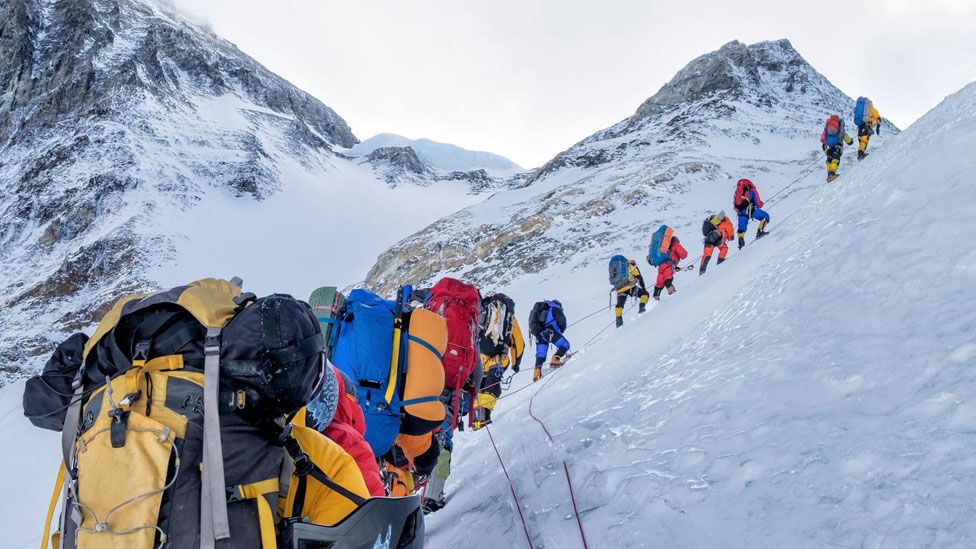
Climbers move slowly. Even strong mountaineers can take hours to cover short distances. Traffic jams on summit day can cause further delays. Waiting in line at high altitude drains oxygen and strength.
If you reach the summit late, you still have the entire descent ahead of you. That descent may take longer than the climb up.
The 2 PM Rule forces climbers to respect the clock before the mountain punishes them.
A Typical Summit Day Timeline
A standard summit push from the South Col often looks like this:
-
11:00 PM to 1:00 AM: Leave Camp IV.
-
Early morning: Reach the Balcony and South Summit.
-
Morning hours: Final push to the summit.
-
Before 2 PM: Begin descent.
The goal is simple. Summit early. Descend early. Return to high camp with daylight remaining.
Every hour beyond that window increases exposure to cold, wind, fatigue, and poor judgment.
Hard Decisions at High Altitude
Turning around near the summit is emotionally crushing. Climbers invest years of training and tens of thousands of dollars. Some wait for weather windows for weeks. The summit may be only a short distance away.
But experienced guides repeat one principle:
The summit is optional. The descent is mandatory.
Professional expedition leaders enforce turnaround times strictly. Many will physically stop clients who attempt to continue after the deadline. This discipline saves lives.
History has shown that ignoring turnaround times leads to tragedy. Fatigue, delayed summits, and changing weather have played roles in several well-known Everest disasters.
The mountain does not reward stubbornness.
Is the 2 PM Rule Official?
There is no single governing body that enforces a universal time rule across every expedition. However, most reputable guiding companies use strict turnaround policies. Many set even earlier deadlines depending on the weather and team condition.
Strong teams often aim to summit well before noon. The earlier you stand on top, the safer your descent.
The 2 PM Rule serves as a final safety barrier. If you have not reached the summit by then, you descend. No negotiation.
What This Means for Trekkers
The 2 PM Rule applies to summit climbers, not trekkers visiting Everest Base Camp. However, the lesson applies to everyone in the mountains.
Respect time. Respect the weather. Respect your limits.
Even on trekking routes, guides often set daily turnaround times to avoid walking in darkness or unstable weather. Mountain safety always revolves around timing and discipline.
The Bigger Lesson of the 2 PM Rule
Everest teaches humility. It demands patience, preparation, and restraint. The 2 PM Rule reflects a deeper truth about mountaineering:
Success is not standing on the summit.
Success is returning home.
When climbers accept that turning back is strength, not failure, they increase their odds of survival. The mountain remains for another attempt.
Ambition pushes people upward. Wisdom brings them down safely.
On Everest, the clock is as important as the rope.








Add Your Comment