

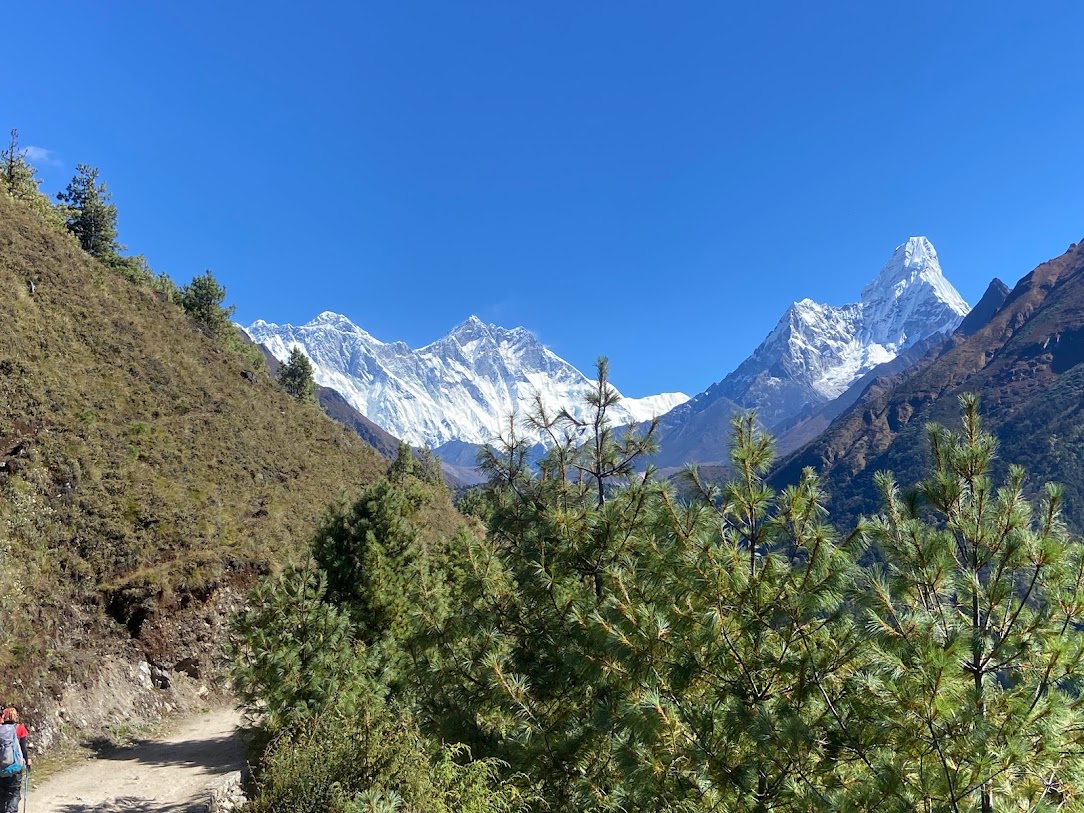
The Everest Base Camp Trek is challenging but achievable. It tests endurance, altitude tolerance, and mental strength rather than technical climbing skills. With the right preparation, fitness, and support, trekkers of various age groups and experience levels can reach Everest Base Camp safely.
If you are physically active, mentally prepared, and trekking with a reliable company, the Everest Base Camp Trek becomes a life-changing and rewarding adventure rather than an overwhelming challenge.
Looking for a safe, well-organized Everest Base Camp Trek?
Nepal Himalayas Trekking offers professionally Guided EBC Treks with experienced Sherpa guides, proper acclimatization, and flexible itineraries for all fitness levels.
The Everest Base Camp (EBC) Trek is one of the world’s most iconic trekking adventures. While it does not require technical climbing skills, many trekkers wonder: how difficult is the Everest Base Camp Trek really? The answer depends on factors such as altitude, daily walking hours, physical fitness, mental preparedness, and weather conditions.
This guide breaks down the true difficulty level of the Everest Base Camp Trek in a clear, SEO-friendly, and Google-optimized way to help trekkers plan confidently.
Overall Difficulty Level of Everest Base Camp Trek
Difficulty Rating: Moderate to Challenging
The Everest Base Camp Trek is considered moderate to challenging, suitable for trekkers with good physical fitness and determination. It is not a technical climb, but the high altitude, long walking days, and rugged Himalayan terrain make it demanding.
With proper preparation, acclimatization days, and a well-paced itinerary, most people can successfully complete the trek.
Key Factors That Determine Everest Base Camp Trek Difficulty
1. High Altitude and Acclimatization
Altitude is the biggest challenge of the Everest Base Camp Trek.
Starting elevation (Lukla): 2,860 m
Everest Base Camp elevation: 5,364 m
Kala Patthar viewpoint: 5,545 m
As elevation increases, oxygen levels drop significantly, making breathing harder and increasing the risk of Altitude Sickness (AMS). This is why proper acclimatization days in places like Namche Bazaar and Dingboche are crucial.
✔ Slow pace
✔ Rest and acclimatization days
✔ Proper hydration
These significantly reduce altitude-related risks.
2. Daily Walking Distance and Trekking Hours
Trekkers typically walk:
10–15 km per day
5–7 hours daily
Duration: 12–14 days
Some days are longer and more tiring, especially during uphill climbs to Namche Bazaar, Tengboche, and Dingboche. The return journey is easier but still physically demanding.
3. Terrain and Trail Conditions
The EBC trail includes:
Rocky and uneven paths
Steep ascents and descents
Suspension bridges over deep gorges
Glacial moraines near Base Camp
The terrain is non-technical but requires good balance, stamina, and knee strength. Trekking poles help greatly on steep sections.
4. Weather and Temperature Challenges
Weather conditions in the Everest region can be unpredictable.
Daytime temperatures: 10°C to -5°C
Night temperatures: down to -15°C or colder
Strong winds at higher elevations
Cold temperatures and sudden weather changes can add to the trek’s difficulty, especially in winter and early spring.
5. Physical Fitness Requirements
You do not need mountaineering experience, but you should have:
Good cardiovascular fitness
Strong legs and core muscles
Ability to walk for several hours daily
Activities like hiking, jogging, cycling, stair climbing, and swimming are excellent preparations for the Everest Base Camp Trek.
6. Mental Endurance and Motivation
Mental strength is just as important as physical fitness. Long trekking days, limited facilities, cold nights, and simple teahouse accommodation require patience and determination.
Staying positive and focused makes a big difference in completing the trek successfully.
Is Everest Base Camp Trek Suitable for Beginners?
Yes—with preparation.
The Everest Base Camp Trek is suitable for first-time trekkers who:
Follow a properly planned itinerary
Take acclimatization seriously
Trek with experienced guides
Maintain a steady pace
Many beginners complete the EBC Trek every year without issues.
Ways to Reduce Everest Base Camp Trek Difficulty
Choose a well-paced itinerary (12–14 days)
Include proper acclimatization days
Hire experienced local guides and porters
Stay hydrated and eat well
Trek during the best seasons (Spring & Autumn)
Professional trekking companies like Nepal Himalayas Trekking design balanced itineraries that prioritize safety and comfort.
Best Seasons to Trek for Easier Conditions
Spring (March–May): Stable weather, warmer temperatures, blooming rhododendrons
Autumn (September–November): Clear skies, excellent mountain views, comfortable temperatures
Avoid monsoon and peak winter if you want to minimize difficulty.








Add Your Comment