

Everest Base Camp Trek Guide: Your Complete Journey to the Roof of the World
Standing at the foot of the world's highest mountain is a dream that calls to adventurers from across the globe. The Everest Base Camp (EBC) Trek offers an extraordinary journey through the heart of the Himalayas, combining breathtaking mountain vistas, rich Sherpa culture, and the personal triumph of conquering one of the world's most iconic trekking routes. This comprehensive guide will equip you with everything you need to know for a successful and unforgettable expedition to Everest Base Camp in 2026 and beyond.
Everest Base Camp Trek Guide with Nepal Himalayas Trekking
| Section | Title / Description |
|---|---|
| A | Everest Base Camp Trek Guide 2026 | Itinerary, Cost, Difficulty & Best Time with NHT |
| B | Complete Guide to Itinerary, Cost & Preparation With Nepal Himalayas Trekking |
| C | Plan your Everest Base Camp Trek with this complete 2026 guide. Discover itinerary, best time to trek, costs, permits, altitude tips, packing list, difficulty level & Sherpa culture insights. |
| D | Your ultimate Everest Base Camp Trek guide for 2026. Learn about routes, acclimatization, costs, permits, packing, safety, and the Sherpa culture of the Himalayas. |
What is the Everest Base Camp Trek?
The Everest Base Camp Trek is a legendary 130-kilometer round-trip adventure that takes you from the mountain town of Lukla (2,800 meters) to the base of Mount Everest at 5,364 meters above sea level. Over approximately 12-14 days, trekkers traverse through stunning Sherpa villages, ancient Buddhist monasteries, suspension bridges swaying over roaring rivers, and alpine landscapes that culminate at the staging point where mountaineers prepare for their Everest summit attempts.
Unlike Climbing Mount Everest itself, the trek to Base Camp requires no technical mountaineering skills, making it accessible to anyone with good fitness levels and proper preparation. You'll walk in the footsteps of legendary climbers like Sir Edmund Hillary and Tenzing Norgay, experiencing the majesty of the Himalayas while immersing yourself in the unique culture of the Khumbu region.
Best Time to Trek Everest Base Camp
Timing is crucial for a successful Everest Base Camp experience. The region experiences dramatic seasonal variations that significantly impact trail conditions, visibility, and overall trekking comfort.
Peak Trekking Seasons
Spring (March to May): Widely considered the optimal time for EBC trekking, spring offers:
| Aspect | Details |
|---|---|
| Weather Conditions | Clear skies with excellent mountain visibility |
| Temperature | Moderate temperatures; daytime ranges from 5–15°C at higher elevations |
| Natural Scenery | Blooming rhododendrons add vibrant colors along the trail |
| Everest Base Camp Atmosphere | Lively and bustling, with climbers preparing for summit attempts |
| Best Months | April and May offer the most reliable weather windows |
Autumn (September to November): The second-best season features:
Aspect | Description |
|---|---|
Sky Conditions | Crystal-clear post-monsoon skies |
Weather Stability | Stable weather patterns with minimal precipitation |
Temperature | Comfortable daytime temperatures |
Cultural Experience | Vibrant festival celebrations in local villages |
Overall Experience | October offers peak conditions with manageable crowds |
According to Nepal Himalayas Trekking, late February through May/June and late September through December provide the most reliable weather conditions, with late April and May offering particularly clear skies for photography enthusiasts.
Off-Season Considerations
Winter (December to February): For experienced trekkers seeking solitude:
| Aspect | Details |
|---|---|
| Trail Crowds | Significantly fewer crowds on the trail |
| Temperature | Brutally cold temperatures, especially at night (-15°C to -25°C) |
| Visibility | Crystal-clear mountain visibility and sharp views |
| Accommodation | Some tea houses may be closed at higher elevations |
Monsoon (June to August): Generally not recommended due to:
| Challenge | Description |
|---|---|
| Heavy Rainfall | Makes trekking trails slippery and potentially dangerous |
| Leeches | Common at lower elevations, especially in forested areas |
| Cloud Cover | Obscures mountain views due to frequent clouds |
| Landslides & Flight Delays | Increased risk of landslides and flight cancellations |
Everest Base Camp Trek Itinerary: Day-by-Day Breakdown
A typical 12-14 day EBC trek itinerary balances steady altitude gain with crucial acclimatization days. Here's a detailed overview:
Days 1-2: Kathmandu to Lukla to Phakding
| Activity | Details |
|---|---|
| Flight to Lukla | 30-minute scenic flight from Kathmandu |
| Elevation (Lukla) | 2,800 meters |
| Trek to Phakding | Gentle downhill walk through pine forests |
| Elevation (Phakding) | 2,610 meters |
| Walking Duration | 3–4 hours |
| Trek Distance | Approximately 8–10 km |
Day 3: Phakding to Namche Bazaar
| Altitude | Duration | Highlights | Distance |
|---|---|---|---|
| 2,610 m – 3,440 m | 6–7 hours | First views of Everest, crossing suspension bridges, entrance to Sagarmatha National Park | 10–12 km |
Day 4: Acclimatization Day in Namche Bazaar
| Activity | Purpose | Exploration |
|---|---|---|
| Hike to Everest View Hotel (3,880 m) or Khumjung Village | Following the crucial "climb high, sleep low" principle | Saturday market, Sherpa Culture Museum, bakeries, and cafes |
Day 5: Namche Bazaar to Tengboche
| Altitude | Duration | Distance | Highlights |
|---|---|---|---|
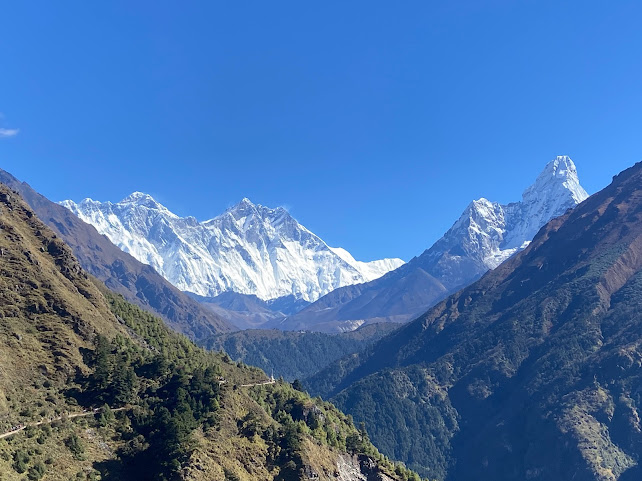
| 3,440 m – 3,860 m | 5–6 hours | 10 km | Tengboche Monastery, panoramic views of Everest, Lhotse, and Ama Dablam |
Days 6-7: Tengboche to Dingboche with Acclimatization
| Day | Activity | Details / Notes | Elevation |
|---|---|---|---|
| 1 | Trek to Dingboche via Pangboche | Trekking from Pangboche to Dingboche | 4,410 m |
| 2 | Acclimatization hike | Hike to Nagarjun Hill or Chhukung village for acclimatization | 5,100 m |
| — | Critical phase | Second major acclimatization period | — |
Day 8: Dingboche to Lobuche
| Parameter | Details |
|---|---|
| Altitude | 4,410 m to 4,940 m |
| Duration | 5–6 hours |
| Terrain | Rocky, barren landscape with memorial stupas |
| Distance | 8 km |
Day 9: Lobuche to Gorak Shep to Everest Base Camp
| Time of Day | Activity | Elevation | Duration / Notes |
|---|---|---|---|
| Morning | Trek to Gorak Shep | 5,164 m | 3 hours |
| Afternoon | Continue to Everest Base Camp | 5,364 m | 2 hours |
| Return | Back to Gorak Shep for overnight | 5,164 m | — |
| Total Walking Time | — | — | 7–8 hours |
Day 10: Kala Patthar Summit and Descent
| Time/Period | Activity | Elevation | Highlight |
|---|---|---|---|
| Pre-dawn | Summit Kala Patthar | 5,545 m | Spectacular sunrise views |
| Descent | Return to Pheriche or Namche Bazaar | — | Best panoramic views of Everest's summit |
Days 11-12: Return Journey to Lukla
| Route | Duration | Advantage |
|---|---|---|
| Retracing steps through Tengboche, Namche, and Phakding | 2–3 days of descending | Faster pace due to acclimatization |
Day 13-14: Lukla to Kathmandu
| Activity | Details |
|---|---|
| Flight | Weather-dependent return to Kathmandu |
| Celebration | Trek completion ceremony |
As detailed by Nepal Himalayas Trekking this itinerary prioritizes proper acclimatization, which is essential for preventing altitude sickness and ensuring a successful trek.
Difficulty Level: How Hard is the Everest Base Camp Trek?
The Everest Base Camp Trek is classified as moderate to challenging, requiring good physical fitness but no technical climbing skills. Understanding the difficulty factors helps in proper preparation.
Physical Demands
Daily Trekking Duration:
| Parameter | Details |
|---|---|
| Average Hiking Time | 5-7 hours per day |
| Distance | 10-15 kilometers daily |
| Terrain | Steep ascents and descents, rocky paths, suspension bridges |
Altitude Challenge: The trek's primary difficulty stems from altitude rather than distance. You'll ascend from 2,800 meters to 5,364 meters, where oxygen levels are approximately 50% of sea level concentrations.
Key Difficulty Factors
Altitude and Acclimatization: The elevation from Lukla to EBC increases drastically, requiring your body to adjust to lowering oxygen levels progressively.
Trail Conditions: Rocky, uneven terrain with significant elevation changes, including steep staircases carved into mountainsides.
Weather Variability: Temperature fluctuations from warm afternoons to freezing nights, potential for snow and wind at higher elevations.
Basic Accommodation: Tea house facilities become more rudimentary as altitude increases, with minimal heating and shared bathroom facilities.
Mental Endurance: Long days of walking, simple food options, and altitude effects require mental resilience.
According to Nepal Himalayas Trekking, the trek is achievable for anyone with a reasonable fitness level who allows adequate time for acclimatization. The key is pacing yourself appropriately and listening to your body's signals.
Altitude Sickness: Prevention and Management
Acute Mountain Sickness (AMS) is the most significant health concern on the EBC trek. Understanding prevention strategies is crucial for a safe journey.
Symptoms of Altitude Sickness
Mild Symptoms:
- Headache
- Nausea and loss of appetite
- Dizziness
- Fatigue and weakness
- Difficulty sleeping
Severe Symptoms (requiring immediate descent):
- Severe persistent headache
- Vomiting
- Confusion or altered mental state
- Loss of coordination
- Shortness of breath at rest
Prevention Strategies
Proper Acclimatization Schedule: Follow itineraries with built-in rest days, never ascend more than 300-500 meters per day above 3,000 meters.
Climb High, Sleep Low: Take acclimatization hikes to higher elevations but return to lower camps for sleeping.
Hydration: Drink 3-4 liters of water daily to help your body adjust to altitude.
Pace Yourself: Trek slowly and steadily - "pole pole" (slowly slowly in Swahili) is the mantra.
Avoid Alcohol and Smoking: Both impair acclimatization and worsen symptoms.
Medication: Consult your doctor about Diamox (acetazolamide) for altitude sickness prevention.
Proper Nutrition: Eat regular meals even when appetite decreases at altitude.
Permits and Requirements for 2026
Trekking to Everest Base Camp requires two essential permits and adherence to specific regulations.
Required Permits
1. Sagarmatha National Park Entry Permit
- Cost for foreigners: NPR 3,000 (approximately $30 USD)
- Cost for SAARC nationals: NPR 1,500 (approximately $15 USD)
- Cost for Nepalese citizens: NPR 100
- Where to obtain: Tourist Service Center in Bhrikutimandap, Kathmandu, or at the park entrance in Monjo
2. Khumbu Pasang Lhamu Rural Municipality Permit
- Cost: NPR 3,000 for individual trekkers (approximately $30 USD)
- Cost: NPR 1,000 for group trekkers (approximately $10 USD)
- Purpose: Local area entrance fee
- Where to obtain: Tourism Office in Lukla or arranged through trekking agencies
Additional Requirements
Travel Insurance: Mandatory coverage including:
- Emergency helicopter evacuation up to 6,000 meters
- Medical treatment and hospitalization
- Trip cancellation and delay coverage
TIMS Card (Trekkers' Information Management System): While previously required, TIMS cards are no longer mandatory for the Everest region as of 2026, though regulations can change.
Everest Base Camp Trek Cost Breakdown (2026/2027)
Understanding the financial investment helps in proper budgeting and choosing the right trekking style.
Guided Trek Packages
Budget Packages: $8,90 - $1,290 without Meals
| Package Type | Price Range (USD) | Meals | Inclusions |
|---|---|---|---|
| Budget Package | $890 – $1,290 | Not Included | • Basic tea house accommodation • Experienced Nepali guide and porter services • Round-trip domestic flight (Kathmandu–Lukla–Kathmandu) • All official taxes and VAT • Group-joining basis |
Standard Packages: $1,590 - $1,890 with Meals
| Category | Details |
|---|---|
| Package Type | Standard Trekking Packages |
| Price Range | USD 1,590 – USD 1,890 (with meals) |
| Accommodation | Comfortable tea house lodges during the trek |
| Guide Service | Experienced, English-speaking trekking guide |
| Porter Service | Porter services included |
| Kathmandu Hotel | Hotel in Kathmandu with daily breakfast |
| Transportation | Airport pick-up & drop-off (International & Domestic) |
| Permits & Flights | All required trekking permits and domestic flights included |
| Meals | Most meals included (Breakfast, Lunch & Dinner) |
| Taxes | All official government taxes and VAT included |
| Special Experience | Farewell cultural dinner with the Nepal Himalayas Trekking Team |
Luxury/Premium Packages: $2,590 - $3,090 with Luxury Lodge but no Helicopter Flight
| Category | Details |
|---|---|
| Package Type | Luxury / Premium Trek Package |
| Price Range | USD 2,590 – 3,090 |
| Accommodation | Luxury lodges where available (No Helicopter Flight included) |
| Kathmandu Hotel | 4/5-Star Hotel with Breakfast |
| Flights | Round-trip Domestic Flight (Kathmandu – Lukla – Kathmandu) |
| Airport Transfers | Private Vehicle for International & Domestic Pick-up and Drop-off |
| Guide Service | Professional, highly experienced trekking guide |
| Porter Service | Sherpa Porter (1 porter for 2 trekkers) |
| Meals on Trek | High-quality food options (Breakfast, Lunch & Dinner) |
| Services & Support | Comprehensive services and full trekking support |
| Taxes & VAT | All official taxes and VAT included |
| Cultural Experience | Farewell cultural dinner hosted by Nepal Himalayas Trekking |
Luxury Lodge with Helicopter Return Option: $4,490 - $6,000
| Luxury Lodge with Helicopter Return Option | Details |
|---|---|
| Price Range | USD $4,490 – $6,000 |
| Trek Type | Standard Everest Base Camp Trek with Helicopter Return from Gorak Shep |
| Flights | Kathmandu ⇄ Lukla Helicopter Flight |
| Accommodation (Kathmandu) | Luxury Hotel |
| Accommodation (Mountains) | Luxury Mountain Lodges |
| Trek Guide | English-speaking Government Licensed Trek Guide |
| Porter Service | Professional Sherpa Porter |
| Meals in the Mountains | 3 Meals Daily (Breakfast, Lunch & Dinner) |
| Ground Transportation | All transfers by private vehicle |
| Time Saving | Saves 3–4 days of trekking time |
| Helicopter Experience | Spectacular Himalayan aerial views |
| Taxes & VAT | All official government taxes and VAT included |
| Special Experience | Farewell cultural dinner with Nepal Himalayas Trekking Team |
Kathmandu to Lukla to Kathmandu Lukla Flights Cost
- Kathmandu to Lukla return: $460-$480 (NPR 65,000-68,000)
- Subject to weather delays and seasonal pricing
Everest Trek Permits Cost :
- Approximately $60-$80 total for required permits
Accommodation Cost:
- Tea house rooms: $5-$10 per night (basic rooms)
- Prices increase with altitude
Food Cost
- Breakfast: $5-$7
- Lunch/Dinner: $7-$13
- Budget: $30-$40 per day
Guide and Porter Cost
- Guide: $30-$35 per day
- Porter: $25-$30 per day
Miscellaneous Cost
- Snacks, drinks, charging devices, hot showers, Wi-Fi
- Budget: $15-$25 per day
As reported by Nepal Himalayas Trekking, most trekkers spend between $1,590 and $1,890 for a standard guided package from Kathmandu, which provides the best balance of value and support.
Flights:
- Kathmandu to Lukla return: $350-$400 (NPR 18,000-24,000)
- Subject to weather delays and seasonal pricing
Permits:
- Approximately $50-$60 total for required permits
Accommodation:
- Tea house rooms: $5-$10 per night (basic rooms)
- Prices increase with altitude
Food:
- Breakfast: $3-$5
- Lunch/Dinner: $5-$10
- Budget: $25-$30 per day
Guide and Porter (Optional):
- Guide: $25-$35 per day
- Porter: $20-$25 per day
Miscellaneous:
- Snacks, drinks, charging devices, hot showers, Wi-Fi
- Budget: $10-$20 per day
Total Independent Trek Estimate: $1,200 - $1,500
Essential Packing List and Gear
Proper gear is critical for comfort and safety on the EBC trek. Pack strategically to balance necessary items with weight constraints.
Clothing Layers
Base Layers
| Clothing Item | Quantity | Notes |
|---|---|---|
| Moisture-wicking long-sleeve shirts | 2–3 | Quick-drying, breathable, ideal for trekking |
| Thermal underwear (tops & bottoms) | 1 set | Essential for warmth in cold conditions |
| Hiking pants (quick-dry material) | 2 pairs | Lightweight and comfortable for long walks |
| Underwear & sports bras | 4–5 | Moisture-wicking recommended for comfort |
Insulation Layers:
| Item | Description |
|---|---|
| Fleece Jacket or Pullover | Provides warmth and insulation during cold mornings and evenings on the trek. |
| Down Jacket | Essential for high-altitude conditions; offers maximum warmth in freezing temperatures. |
| Down Vest | Optional but recommended for extra core warmth without restricting arm movement. |
Outer Layers:
| Item | Description / Notes |
|---|---|
| Waterproof & Windproof Jacket | Gore-Tex or similar material; essential for protection against rain, snow, and strong mountain winds |
| Waterproof Pants | Keeps you dry during rain or snow; recommended for trekking in changing weather |
| Softshell Jacket (Optional) | Lightweight and breathable; ideal for mild weather and active hiking |
Extremities:
| Item | Description / Purpose |
|---|---|
| Warm beanie/winter hat | Keeps head warm in cold and high-altitude conditions |
| Sun hat or cap with a brim | Protects face and eyes from strong sun exposure |
| Buff or neck gaiter | Provides warmth and protects the neck from wind and dust |
| Lightweight gloves | Suitable for mild cold and daytime trekking |
| Insulated winter gloves | Essential for extreme cold at higher elevations |
| Wool or synthetic hiking socks (4–6 pairs) | Keeps feet warm, dry, and blister-free |
| Liner socks (optional) | Adds extra warmth and reduces friction |
Footwear
| Item | Description |
|---|---|
| Trekking Boots | Well broken-in, waterproof boots with good ankle support |
| Camp Shoes | Lightweight down booties or comfortable sandals |
| Microspikes / Crampons | Required for icy sections, depending on the trekking season |
Trekking Equipment
| Item | Recommended Specification | Notes / Purpose |
|---|---|---|
| Backpack | 40–50L (porter-supported) / 60–70L (independent trek) | Main pack for carrying clothing and gear |
| Daypack | 20–30L | For daily essentials like water, camera, snacks |
| Trekking Poles | Adjustable poles recommended | Essential for knee support, especially on descents |
| Sleeping Bag | Rated -10°C to -15°C | Most tea houses provide blankets, but extra warmth is needed |
| Sleeping Bag Liner | Lightweight thermal liner | Adds warmth and improves hygiene |
Accessories and Essentials
Sun Protection:
- Sunglasses with UV protection (category 3 or 4)
- Sunscreen (SPF 50+)
- Lip balm with SPF
Hydration:
- Water bottles or hydration system (3L total capacity)
- Water purification tablets or filter
- Thermos for hot drinks (optional but valuable)
Electronics:
- Headlamp with extra batteries
- Camera with extra batteries and memory cards
- Portable charger/power bank (20,000+ mAh)
- Universal adapter (charging costs increase with altitude)
- Phone (for communication and photos)
Health and Hygiene:
- First aid kit (blister treatment, pain relievers, bandages)
- Personal medications
- Altitude sickness medication (Diamox - consult doctor)
- Antibiotics (as prescribed)
- Hand sanitizer and wet wipes
- Toiletries (toothbrush, biodegradable soap, toilet paper)
- Towel (quick-dry, lightweight)
Documentation:
- Passport with visa
- Travel insurance documents
- Permits (or copies)
- Emergency contact information
- Cash (USD and Nepali Rupees)
Training and Physical Preparation
Proper physical preparation significantly enhances your trekking experience and success rate.
Fitness Requirements
Cardiovascular Endurance:
- Ability to walk 5-7 hours per day with moderate load
- Comfortable hiking uphill for extended periods
- Strong heart and lung capacity
Recommended Training Timeline: 3-4 months before trek
Training Regimen
Cardio Training (4-5 times per week):
- Hiking with gradually increasing distances and elevation gain
- Stair climbing with a weighted backpack
- Running, cycling, or swimming for endurance
- Build up to 6-8-hour hikes with a 10-15 kg pack
Strength Training (2-3 times per week):
- Leg exercises: squats, lunges, step-ups
- Core strengthening: planks, bridges
- Upper body for carrying pack: push-ups, rows
- Focus on endurance over maximum strength
Flexibility and Balance:
- Yoga or stretching routines
- Balance exercises for uneven terrain
- Prevents injuries and aids recovery
Practice Hikes
- Complete several multi-day treks before EBC
- Test all gear and clothing combinations
- Break in trekking boots thoroughly (minimum 50-100 km)
- Practice hiking at altitude if possible
Mental Preparation
- Research the trek thoroughly
- Prepare for basic accommodations and facilities
- Practice mindfulness or meditation techniques
- Accept that some discomfort is normal at altitude
Accommodation and Food Along the Trail
Tea House Accommodation
Tea houses provide basic but adequate lodging throughout the trek:
Lower Elevations (Lukla to Namche):
- Relatively comfortable rooms with twin beds
- Attached or nearby bathrooms (some with hot showers)
- Dining areas with heating
- Limited electricity for charging (fee-based)
Higher Elevations (Above Namche):
- More basic facilities
- Shared bathroom facilities
- Cold conditions (minimal heating)
- Limited hot water availability
- Thinner walls and mattresses
Amenities:
- Blankets and pillows provided (sleeping bag optional but recommended)
- Communal dining/common areas
- Charging stations (costs increase with altitude: $2-$5 per hour)
- Wi-Fi available (additional cost, limited speed)
Food on the Trek
Meal Options:
- Dal Bhat (traditional rice and lentil dish - unlimited refills)
- Noodle soups (Thukpa, Sherpa stew)
- Fried rice and chow mein
- Tibetan bread, pancakes for breakfast
- Pizza and pasta at larger settlements
- Eggs (boiled, fried, scrambled)
- Porridge and muesli
Dietary Considerations:
- Vegetarian options widely available
- Limited fresh vegetables at high altitude
- Western food available but at premium prices
- Food quality decreases with altitude
Hydration:
- Boiled water available for purchase
- Hot beverages: tea, coffee, hot lemon
- Avoid bottled water (environmental impact)
- Use water purification methods
Nutrition Tips:
- Eat carbohydrate-rich foods for energy
- Maintain caloric intake despite reduced appetite
- Avoid heavy, greasy foods at high altitude
- Dal Bhat is excellent value and nutritious
Cultural Insights: The Sherpa People
The Everest region is home to the Sherpa people, whose rich Buddhist culture and mountaineering heritage define the trekking experience.
Buddhism and Monasteries
- Tengboche Monastery: The spiritual heart of the Khumbu region, offering blessing ceremonies
- Prayer flags, mani stones, and stupas: Represent prayers carried by the wind
- Respect religious sites: Walk clockwise around Buddhist monuments
- Attend prayer ceremonies: Often held in the early morning or evening
Sherpa Culture
- Namaste: Traditional greeting with palms together
- Remove shoes: Before entering homes or religious sites
- Ask permission: Before photographing people or religious objects
- Support local economy: Purchase handicrafts and services from local Sherpas
Sherpa Mountaineering Legacy
The Sherpa people have been instrumental in Himalayan mountaineering since the early expeditions. Many families in the Khumbu region have generations of mountaineers, guides, and porters who possess unparalleled knowledge of the mountains.
Safety Considerations and Emergency Procedures
Common Risks
- Altitude sickness (most significant risk)
- Weather-related dangers (snowstorms, cold exposure)
- Slips and falls on steep, rocky terrain
- Dehydration and sunburn
- Minor injuries (blisters, sprains)
Safety Measures
Travel Insurance: Ensure coverage for:
- Helicopter rescue up to 6,000 meters
- Medical evacuation to Kathmandu
- Hospital treatment
- Repatriation
Communication:
- Mobile coverage available in most villages (Ncell or Nepal Telecom SIM cards)
- Satellite phones are available through trekking agencies
- Emergency contact numbers saved
Health Monitoring:
- Carry a pulse oximeter to monitor oxygen saturation
- Know your normal readings at altitude
- Track symptoms daily
- Communicate openly with the guide about health concerns
Emergency Evacuation:
- Helicopter rescue is available from most locations
- Weather-dependent operations
- Cost: $3,000-$5,000 (covered by insurance)
- Evacuation primarily from Pheriche, Namche, or Lukla
When to Descend
Descend immediately if experiencing:
- Severe, persistent headache unrelieved by medication
- Vomiting
- Confusion or changes in mental state
- Inability to walk in straight line (ataxia)
- Shortness of breath at rest
- Fluid in lungs (crackling sound when breathing)
Remember: Altitude-related illnesses can progress rapidly. When in doubt, descend.
Environmental Responsibility and Sustainable Trekking
The Everest region faces environmental challenges from increased tourism. Trek responsibly to preserve this magnificent landscape.
Leave No Trace Principles
- Carry out all waste: No littering on trail or at camps
- Avoid single-use plastics: Bring reusable water bottles and purification methods
- Use designated toilet facilities: Never pollute water sources
- Stay on established trails: Prevent erosion and vegetation damage
- Respect wildlife: Observe from distance, don't feed animals
Support Local Communities
- Hire local guides and porters: Directly supports Sherpa economy
- Purchase from local businesses: Buy supplies in villages rather than bringing everything from Kathmandu
- Fair wages and treatment: Ensure porters have proper equipment and loads under 20 kg
- Cultural sensitivity: Respect traditions and customs
Energy Conservation
- Minimize shower usage: Hot water requires significant fuel
- Charge devices selectively: Electricity is precious at altitude
- Bundle up: Rather than requesting additional heating
Frequently Asked Questions
Q: Can I trek to Everest Base Camp without a guide? A: Yes, independent trekking is permitted. However, hiring a guide provides safety, cultural insights, and supports the local economy. Solo trekking requires good navigation skills and thorough preparation.
Q: What is the success rate for reaching Everest Base Camp? A: Approximately 90-95% of trekkers with proper acclimatization schedules successfully reach Base Camp. The key factors are adequate time, good fitness, and listening to your body.
Q: Is WiFi available during the trek? A: Yes, most tea houses offer WiFi for a fee ($3-$5 per day). Connection quality varies and becomes slower at higher elevations. Don't rely on consistent internet access.
Q: Can I rent trekking gear in Kathmandu? A: Yes, Thamel district in Kathmandu has numerous shops renting quality trekking equipment at reasonable prices (sleeping bags, down jackets, poles, etc.). This reduces luggage weight.
Q: What happens if flights to/from Lukla are cancelled? A: Weather frequently delays Lukla flights. Build 2-3 buffer days into your itinerary. Helicopter shuttles are available at premium prices ($500-$700 per person) for emergency situations.
Q: Do I need previous trekking experience? A: While a previous multi-day hiking experience is beneficial, it's not mandatory. Good physical fitness, proper preparation, and mental determination are more critical factors.
Q: Is the Everest Base Camp Trek dangerous? A: While the trek has inherent risks (altitude, weather, terrain), it's generally safe with proper preparation. The main danger is altitude sickness, which can be mitigated with proper acclimatization.
Q: What is the best age to trek to Everest Base Camp? A: There's no strict age limit. Successful trekkers range from teenagers to those in their 70s. Physical fitness and ability to acclimatize are more important than chronological age.
Is the Everest Base Camp Trek Worth It?
The Everest Base Camp Trek represents far more than a physical journey to 5,364 meters. It's a transformative experience that tests your limits, exposes you to extraordinary natural beauty, and connects you with one of the world's most remarkable cultures.
Standing at the base of Mount Everest, surrounded by towering peaks and glaciers, with prayer flags fluttering in the thin air, provides a sense of accomplishment and perspective that few experiences can match. The friendships formed with fellow trekkers, the warm hospitality of Sherpa tea house owners, and the daily challenge of pushing your boundaries create memories that last a lifetime.
Whether you're a seasoned hiker seeking your next adventure or someone looking to step outside your comfort zone, the Everest Base Camp Trek offers an achievable yet profound journey into the heart of the Himalayas. With proper preparation, respect for the environment and culture, and an open mind ready for adventure, you'll return transformed by the majesty of the world's highest mountains.
Add Your Comment