

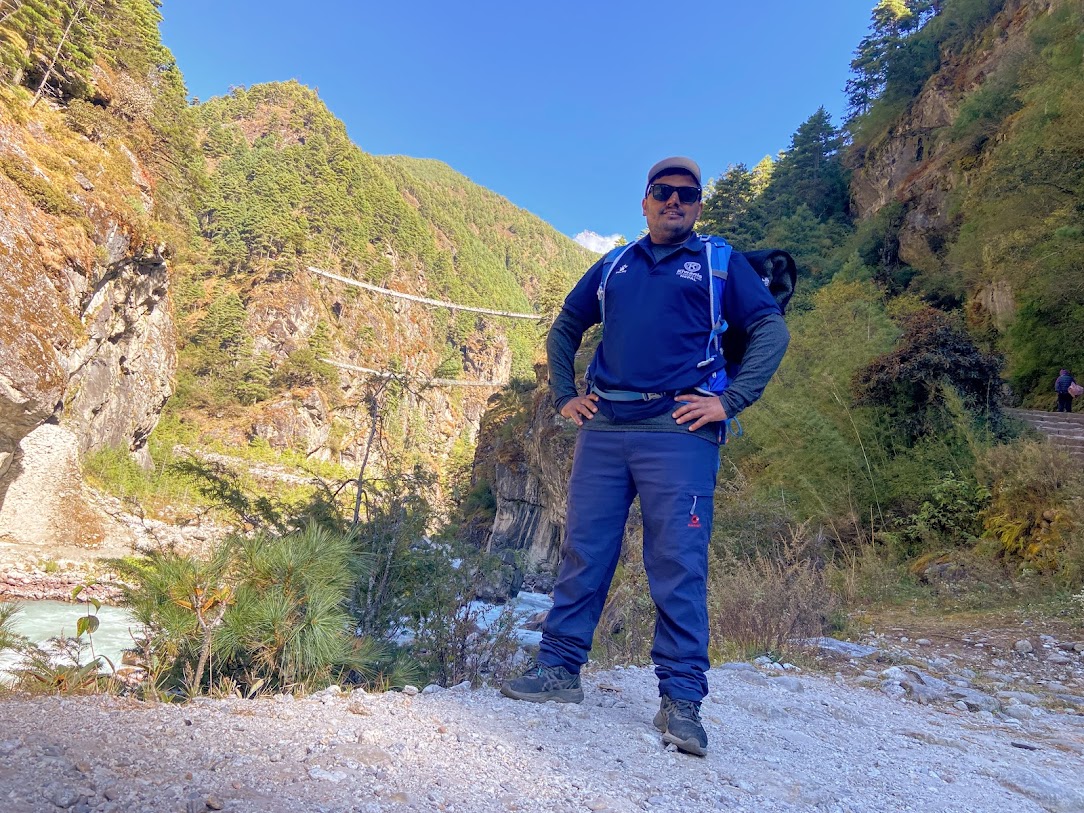
The Everest Base Camp trek difficulty is real, but so is the reward. The combination of adventure, challenge, and natural beauty makes it one of the best treks on Earth. With proper preparation, a positive mindset, and a flexible itinerary, anyone with a dream can conquer EBC.
Quick Difficulty Facts
Duration: 12–14 days
Elevation: Everest Base Camp (5,364 meters, 17,598 feet) & Kala Patthar (5,644 meters, 18,517 feet)
Fitness Required: Moderate to Challenging
Technical Skill: None required
Best Time: Spring (Mar–May) & Autumn (Sept–Nov), Updated Mid-Sep to Mid-Dec, because of Global Warming.
Everest Base Camp Trek Difficulty: A Realistic Guide for Every Trekker
The Everest Base Camp Trek is one of the world’s most iconic journeys, offering breathtaking views, rich Sherpa culture, and the ultimate reward—standing face-to-face with Mount Everest. But one question always lingers in the minds of adventurers:
Is the Everest Base Camp trek hard?
Let’s explore the reality of Everest Base Camp trek difficulty—from beginner readiness to the hardest days of the trek.
Is the Trek to Everest Base Camp Hard?
The Everest Base Camp (EBC) trek is moderately challenging, not a walk in the park, but certainly not an impossible feat. It doesn’t require technical climbing skills or mountaineering equipment. However, the real challenge lies in:
High altitude (5,364 meters / 17,598 feet)
Long walking days (5–8 hours per day)
Rugged terrain with rocky trails and ascents
Variable weather conditions
So, while it's not technically hard, the combination of altitude, endurance, and cold makes it demanding.
Can a Beginner Climb Everest Base Camp?
Yes, beginners can do the Everest Base Camp trek—if they’re physically prepared and mentally determined. Many first-time trekkers successfully complete the journey every year.
Tips for beginners:
Train for at least 8–12 weeks before the trek with cardio and strength exercises
Go slow and steady, especially on high-altitude days
Choose an itinerary with enough acclimatization days
Hire a licensed guide or join a group trek for safety and support
With the right preparation, EBC is an achievable dream for beginners.
What Is the Difficulty Level of the Mount Everest Base Camp?
On a difficulty scale of 1 to 10, the Everest Base Camp trek rates between 6 and 7. Here's why:
Distance: Around 130 km (80 miles) round trip
Walking Hours: 5 to 8 hours per day for 12–14 days
Elevation Gain: Over 2,500 meters from Lukla to EBC
Oxygen Levels: Only 50% of normal at base camp
Though not a technical climb, the physical and mental demands are real. Consistent pacing, hydration, and acclimatization are key to success.
Is the Everest Base Camp Trek Risky?
Like any high-altitude adventure, the EBC trek carries some risks, but they are manageable with proper precautions:
Common Risks:
Acute Mountain Sickness (AMS): Headache, nausea, dizziness
Dehydration and exhaustion
Injuries on uneven trails
Weather-related delays or cold-related illnesses
How to reduce risk:
Ascend gradually with rest and acclimatization days
Stay hydrated and eat well
Trek with a licensed guide or a reputable company
Get travel insurance covering high-altitude evacuation
With smart planning and safety awareness, EBC is a safe adventure.
How Hard Is It to Trek to Everest Base Camp?
The trek is physically demanding but mentally rewarding. The key challenges include:
Altitude gain: Each day brings thinner air
Cold temperatures: Nights can drop below freezing
Fatigue: Multiple days of continuous trekking
However, the sense of achievement, panoramic views, and cultural encounters outweigh the hardships. Your mindset, preparation, and pace determine how hard it truly feels.
The Reality of Everest Base Camp Trek Difficulty
The Everest Base Camp Trek is not a luxury vacation. You’ll face:
Basic tea house accommodations
Limited Wi-Fi or hot showers
Simple food menus
No vehicle access after Lukla
But you’ll also experience:
Unmatched mountain scenery
Sherpa hospitality and Buddhist culture
Glaciers, suspension bridges, and yaks
The satisfaction of reaching Everest Base Camp
In short, the trek is challenging but deeply rewarding.
What Are the Hardest Days of the Everest Base Camp Trek?
Some days on the EBC trail are tougher than others. Here are the most challenging ones:
1. Namche Bazaar to Tengboche (3,870m)
Steep climbs after Phunki Tenga
Oxygen levels drop significantly
2. Dingboche to Lobuche (4,940m)
Higher altitude with more fatigue
Crosses the emotional Thukla Pass memorial area
3. Gorakshep to Everest Base Camp (5,364m) and back
Longest day with the highest elevation
Exhaustion and thin air make every step harder
4. Climbing Kala Patthar (5,545m) for sunrise
Extremely cold, early start
Short but steep and at very high altitude
Difficulty Level of the Everest Base Camp Trek in Nepal
Altitude: High – up to 5,545m
Distance: Medium – ~130 km total
Duration: Moderate to long – 12–14 days
Terrain: Moderate – rocky, uneven, with ascents and descents
Weather: Challenging – especially in winter or monsoon
Overall, the Everest Base Camp trek in Nepal is moderately difficult, best suited for those with average to above-average fitness and strong determination.
We, Nepal Himalayas Trekking, recommend the following demanding Everest Base Camp Trek Packages in the Everest Region








Add Your Comment