Any Question? Email Us
info@nepalhimalayastrekking.comTalk To An Expert ( Prakash Lamsal )
Any Question? Email Us
info@nepalhimalayastrekking.comTalk To An Expert ( Prakash Lamsal )

Walk to the Foot of the World's Highest Mountain with Nepal Himalayas Trekking
Standing beneath the towering peaks of the Himalayas, surrounded by glaciers, colorful prayer flags, and the legendary Sherpa villages, the Everest Base Camp Trek is one of the world's most iconic trekking adventures. Every year, thousands of trekkers travel to Nepal to experience the breathtaking landscapes of the Khumbu region and stand at the base of the world's highest mountain, Mount Everest (8,848.86 m / 29,031.7 ft).
Whether you are an experienced hiker or an adventurous beginner with good physical fitness, this unforgettable journey combines spectacular Himalayan scenery, rich Sherpa culture, ancient Buddhist monasteries, and the thrill of trekking through Sagarmatha National Park, a UNESCO World Heritage Site.
The classic 14-Day Everest Base Camp Trek follows the historic trail from Lukla to Everest Base Camp (5,364 m / 17,598 ft) and Kala Patthar (5,545 m / 18,192 ft), offering panoramic views of Everest, Lhotse, Nuptse, Ama Dablam, Thamserku, Pumori, and many other Himalayan giants.
At Nepal Himalayas Trekking, we have been organizing professionally guided Everest adventures for travelers from around the world since 2013. Our experienced local guides, carefully planned itineraries, quality accommodations, safety-first approach, and personalized service ensure that every guest enjoys a safe, comfortable, and memorable trekking experience in the Everest region.
Whether you choose a private trek, a small-group departure, or an Everest Base Camp Trek with Helicopter Return, our local team will help you create the Himalayan adventure of a lifetime.
| Trip Details | Information |
|---|---|
| Destination | Everest Region, Nepal |
| Trek Duration | 14 Days |
| Maximum Altitude | Kala Patthar – 5,545 m (18,192 ft) |
| Everest Base Camp Altitude | 5,364 m (17,598 ft) |
| Difficulty | Moderate to Strenuous |
| Trek Distance | Approximately 130 km (Round Trip) |
| Walking Hours | 5–8 Hours Daily |
| Best Seasons | March–May & September–November |
| Accommodation | Comfortable Mountain Teahouses |
| Meals | Breakfast, Lunch & Dinner During Trek |
| Group Size | 1–25 Trekkers |
| Private Trek | Available Daily |
| Transportation | Kathmandu–Lukla Flight |
| Start / Finish | Kathmandu |
| Trip Style | Guided Trek |
| Highest Viewpoint | Kala Patthar |
| Trekking Permit | Sagarmatha National Park Permit & Khumbu Pasang Lhamu Rural Municipality Permit |
Choosing the right trekking company can make a significant difference to your Everest experience. At Nepal Himalayas Trekking, we combine local expertise, personalized service, and a commitment to safety to deliver memorable Himalayan adventures.
Our team is based in Kathmandu and has years of hands-on experience guiding trekkers throughout the Everest region.
Our licensed English-speaking guides are trained in mountain safety, altitude awareness, first aid, and local culture, helping you trek with confidence.
We design our itineraries with proper acclimatization, monitor trekkers' health throughout the journey, and provide support in case of weather changes or altitude-related issues.
Whether you are traveling solo, as a couple, with family, or in a group, we offer daily private departures and scheduled group treks.
Our packages clearly outline what is included and excluded, helping you plan your budget with confidence.
From your arrival in Kathmandu to your departure, our local team is available to assist with permits, flights, accommodation, equipment advice, and any special requests.
We support sustainable tourism by respecting local culture, encouraging environmentally responsible practices, and working closely with local communities in the Everest region.
The Everest Base Camp Trek is much more than reaching a destination. It is an opportunity to experience the culture, landscapes, and history of the Himalayas while walking one of the world's most celebrated trekking routes.
Along the trail, you'll pass traditional Sherpa villages, ancient monasteries, yak pastures, suspension bridges, and glaciers, all set against a backdrop of snow-capped peaks. Each day offers a different perspective of the Everest region, making the journey as rewarding as the destination itself.
Standing at Everest Base Camp and watching the sunrise from Kala Patthar are unforgettable moments, but many trekkers also remember the quieter experiences: sharing tea in a mountain lodge, hearing prayer flags flutter in the wind, and meeting local families who have called the Khumbu region home for generations.
For adventure seekers, photographers, and nature lovers alike, the Everest Base Camp Trek offers an experience that combines physical achievement with cultural discovery and some of the finest mountain scenery on Earth.
The Everest Base Camp Trek is Nepal's most famous trekking adventure and one of the world's greatest mountain journeys. Located in the heart of the Khumbu region within Sagarmatha National Park, this legendary trek leads you to the base of Mount Everest (8,848.86 m / 29,031.7 ft), the highest mountain on Earth.
The classic Everest Base Camp Trek typically takes 14 days, beginning with a scenic mountain flight from Kathmandu (or Ramechhap during peak flight seasons) to Lukla. From Lukla, the trail winds through picturesque Sherpa villages, dense rhododendron and pine forests, deep river valleys, and high alpine landscapes before reaching Everest Base Camp (5,364 m / 17,598 ft). The adventure also includes an early morning hike to Kala Patthar (5,545 m / 18,192 ft), widely regarded as the best viewpoint for panoramic views of Mount Everest and the surrounding Himalayan peaks.
Unlike climbing Mount Everest, which requires advanced mountaineering skills, technical equipment, and extensive climbing experience, the Everest Base Camp Trek is a non-technical high-altitude trek. Most healthy individuals with good physical fitness, proper preparation, and determination can successfully complete the journey. Carefully planned acclimatization days, professional guides, and a gradual ascent significantly improve both safety and enjoyment.
Throughout the trek, travelers experience much more than breathtaking mountain scenery. The route passes through vibrant Sherpa communities such as Namche Bazaar, Khumjung, Tengboche, Dingboche, Lobuche, and Gorak Shep, where visitors gain insight into Himalayan culture, Buddhist traditions, and the warm hospitality of local mountain communities.
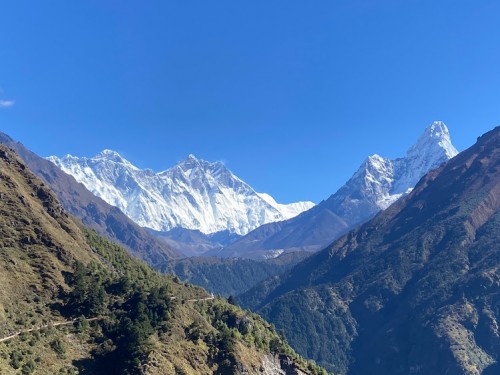
As you climb higher into the Himalayas, the landscapes transform dramatically. Forests gradually give way to alpine meadows, glacial moraines, and rugged mountain terrain. Towering peaks—including Everest, Lhotse, Nuptse, Ama Dablam, Pumori, Thamserku, Kangtega, Cho Oyu, Island Peak, Lobuche Peak, and Taboche—create one of the most spectacular mountain panoramas anywhere in the world.
Today, the Everest Base Camp Trek attracts thousands of adventurers from across the globe. Some come to fulfill a lifelong dream of standing beneath the world's highest mountain, while others seek cultural immersion, exceptional photography opportunities, or the personal satisfaction of completing one of the world's most iconic trekking routes.
Whether you choose a classic teahouse trek, a luxury lodge experience, or an Everest Base Camp Trek with a helicopter return, this adventure offers an unforgettable combination of natural beauty, cultural heritage, and personal achievement.
The Everest Base Camp Trek is a guided or independent high-altitude hiking journey in Nepal's Khumbu region that leads to Everest Base Camp at 5,364 meters (17,598 feet). Most itineraries take 12–16 days and include a hike to Kala Patthar (5,545 meters), the best viewpoint for Mount Everest. The trek combines spectacular Himalayan scenery, Sherpa culture, Buddhist monasteries, and unforgettable mountain landscapes without requiring technical climbing skills.
The Everest Base Camp Trek has earned worldwide recognition because it allows ordinary trekkers to experience the grandeur of the world's highest mountain without attempting a technical summit climb. Every step along the route showcases dramatic Himalayan scenery, authentic Sherpa villages, centuries-old monasteries, and the unique culture of the Khumbu region.
Several factors make this trek truly exceptional:
Everest Base Camp is located in the Khumbu region of northeastern Nepal, within Sagarmatha National Park, close to Nepal's border with Tibet (China). The trekking route begins with a flight to Lukla (2,860 m) before continuing on foot through the Everest region.
Everest Base Camp sits at an altitude of 5,364 meters (17,598 feet) on the southern side of Mount Everest. During the spring climbing season, the base camp becomes a temporary home for hundreds of international climbers, Sherpas, guides, and expedition support teams preparing for summit attempts.
The classic trekking route follows this itinerary:
Kathmandu → Lukla → Phakding → Namche Bazaar → Tengboche → Dingboche → Lobuche → Gorak Shep → Everest Base Camp → Kala Patthar → Pheriche → Namche Bazaar → Lukla → Kathmandu
This route has been carefully developed over many decades and includes strategic acclimatization stops to help trekkers adapt safely to increasing altitude.
One of the most common questions travelers ask is whether the Everest Base Camp Trek is suitable for beginners.
The answer is yes—with preparation.
While the trek is physically demanding due to its duration, daily walking distances, and high altitude, it does not require technical climbing skills or previous mountaineering experience. Trekkers who maintain a reasonable level of fitness, prepare through regular walking or hiking before the trip, and follow a gradual itinerary have an excellent chance of completing the journey successfully.
The trek is suitable for:
For the best experience, trekkers should allow enough time for acclimatization, stay well hydrated, follow their guide's advice, and travel with comprehensive travel insurance that covers high-altitude trekking.
At Nepal Himalayas Trekking, we believe that an unforgettable Everest journey is built on more than just reaching Base Camp. It comes from knowledgeable local guides, well-planned itineraries, careful acclimatization, transparent pricing, and personalized service from the moment you arrive in Nepal.
Our experienced team has guided travelers from around the world through the Everest region, helping them safely achieve their dream while introducing them to the culture, history, and natural beauty of the Himalayas. Whether you prefer a private trek, a small group departure, or a helicopter return after reaching Base Camp, we are committed to providing a safe, authentic, and memorable experience.
The history of the Everest Base Camp Trek is closely connected with the exploration of Mount Everest, the highest mountain on Earth. Although the Khumbu region had been home to the Sherpa people for centuries, it remained largely unknown to the outside world until the early twentieth century.
In 1921, British explorers organized the first reconnaissance expedition to Mount Everest. At that time, climbers approached Everest from the Tibetan side because Nepal was closed to foreign visitors. After Nepal opened its borders to international mountaineering in the early 1950s, the southern route through the Khumbu region quickly became the preferred approach for Everest expeditions.
The turning point came on 29 May 1953, when Sir Edmund Hillary of New Zealand and Tenzing Norgay Sherpa became the first confirmed climbers to reach the summit of Mount Everest via the South Col route. Their historic achievement brought worldwide attention to the Everest region and inspired generations of trekkers and climbers.
As interest in the Himalayas grew, the trail used by Everest expeditions gradually developed into one of the world's most celebrated trekking routes. Simple footpaths evolved into well-established trekking trails, while traditional villages expanded to welcome visitors with teahouses, lodges, bakeries, cafés, and local businesses.
Today, the Everest Base Camp Trek is far more than a mountaineering approach. It is an unforgettable journey that combines spectacular Himalayan scenery, Sherpa culture, Buddhist traditions, wildlife, and the personal achievement of trekking to the base of the world's highest mountain.
One of the most rewarding aspects of the Everest Base Camp Trek is the opportunity to experience the unique culture of the Sherpa community.
The Sherpas are an ethnic group native to the high Himalayas of eastern Nepal. Renowned for their mountaineering expertise, resilience, and warm hospitality, they have played a vital role in Himalayan expeditions for decades. Their knowledge of mountain terrain, weather, and high-altitude travel has helped countless climbers and trekkers safely explore the Everest region.
During your trek, you will pass through traditional Sherpa settlements such as Phakding, Monjo, Namche Bazaar, Khumjung, Tengboche, Pangboche, Dingboche, Lobuche, and Gorak Shep. These villages provide a fascinating insight into everyday life in the Himalayas.
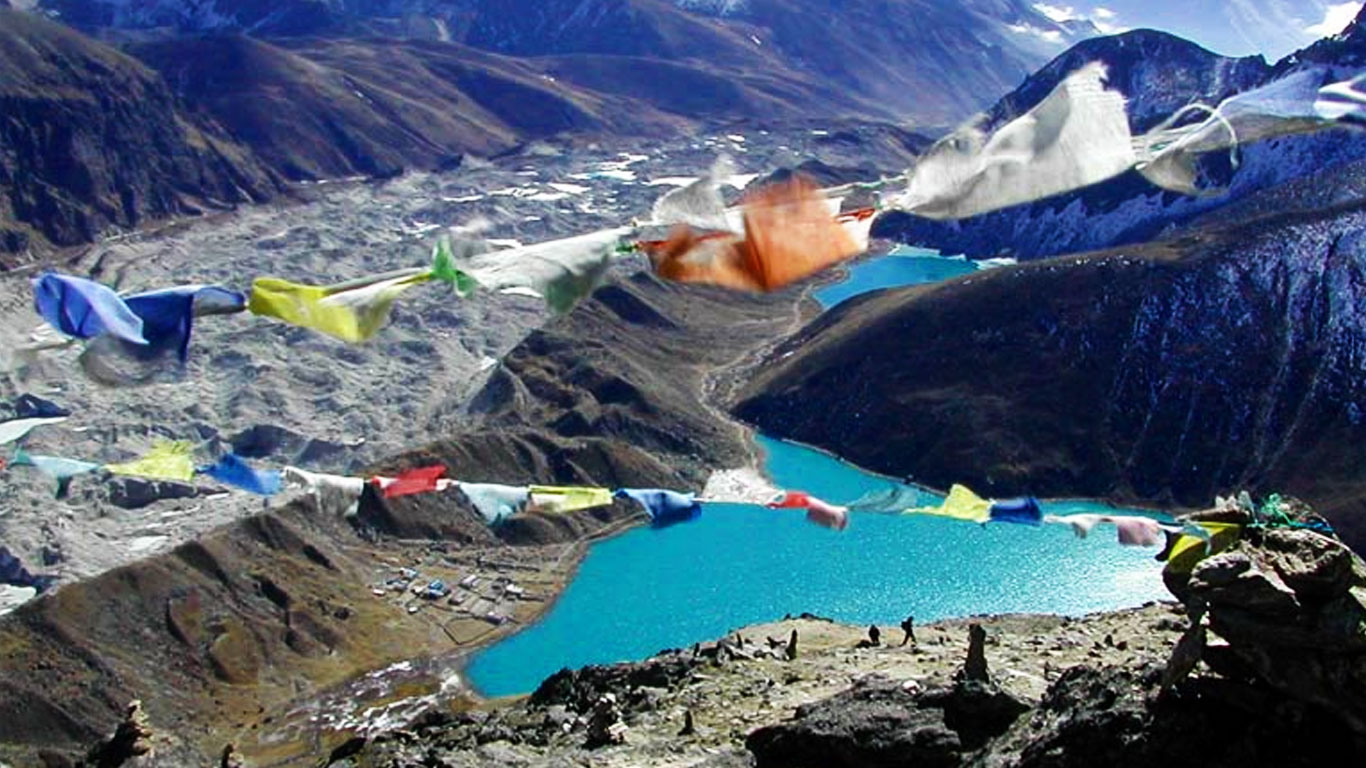
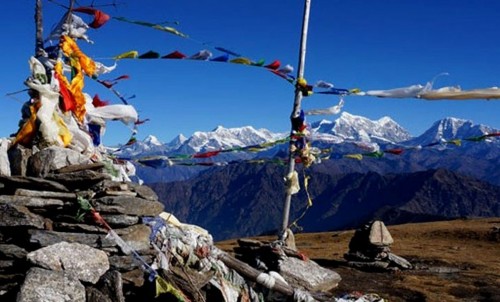
Sherpa culture is deeply influenced by Tibetan Buddhism. Throughout the trail, you will encounter beautifully decorated monasteries, colorful prayer flags, ancient mani walls carved with sacred Buddhist mantras, spinning prayer wheels, and impressive chortens (Buddhist stupas). These landmarks reflect the region's strong spiritual traditions and create a peaceful atmosphere that enriches the trekking experience.
Visitors are encouraged to respect local customs by walking clockwise around mani walls and chortens, asking permission before photographing local people, dressing modestly when visiting monasteries, and supporting local businesses whenever possible.
A significant portion of the Everest Base Camp Trek passes through Sagarmatha National Park, Nepal's first national park to be designated a UNESCO World Heritage Site.
Established in 1976 and recognized by UNESCO in 1979, the park covers approximately 1,148 square kilometers of spectacular Himalayan landscapes. It protects not only Mount Everest but also numerous other iconic peaks, glaciers, alpine valleys, forests, rivers, and rare wildlife.
The park's elevation ranges from around 2,845 meters to the summit of Mount Everest, creating diverse ecosystems that change dramatically with altitude.
Lower elevations are covered with forests of pine, fir, juniper, birch, bamboo, and rhododendron, while higher elevations transition into alpine meadows, rocky terrain, glaciers, and permanent snowfields.
Sagarmatha National Park is also home to remarkable wildlife, including:
The combination of extraordinary biodiversity, dramatic mountain scenery, and cultural heritage makes Sagarmatha National Park one of the world's most treasured protected areas.
One of the greatest rewards of the Everest Base Camp Trek is the opportunity to witness some of the highest and most beautiful mountains on Earth.
As the trail climbs deeper into the Khumbu region, new peaks gradually appear around every corner, creating unforgettable panoramic views.
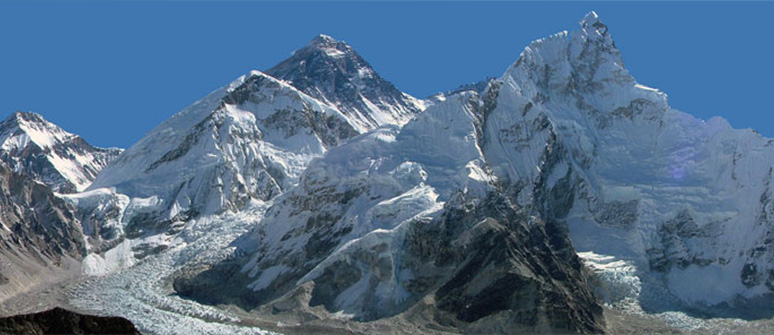
Known locally as Sagarmatha in Nepali and Chomolungma in Tibetan, Mount Everest is the highest mountain on Earth. Although much of the trek offers partial views, the finest panorama can be enjoyed from Kala Patthar at sunrise.
Standing immediately south of Everest, Lhotse is the world's fourth-highest mountain. Its dramatic black rock faces dominate the skyline near Everest Base Camp.
Nuptse forms an impressive ridge west of Lhotse and provides one of the closest mountain views from Gorak Shep and Everest Base Camp.
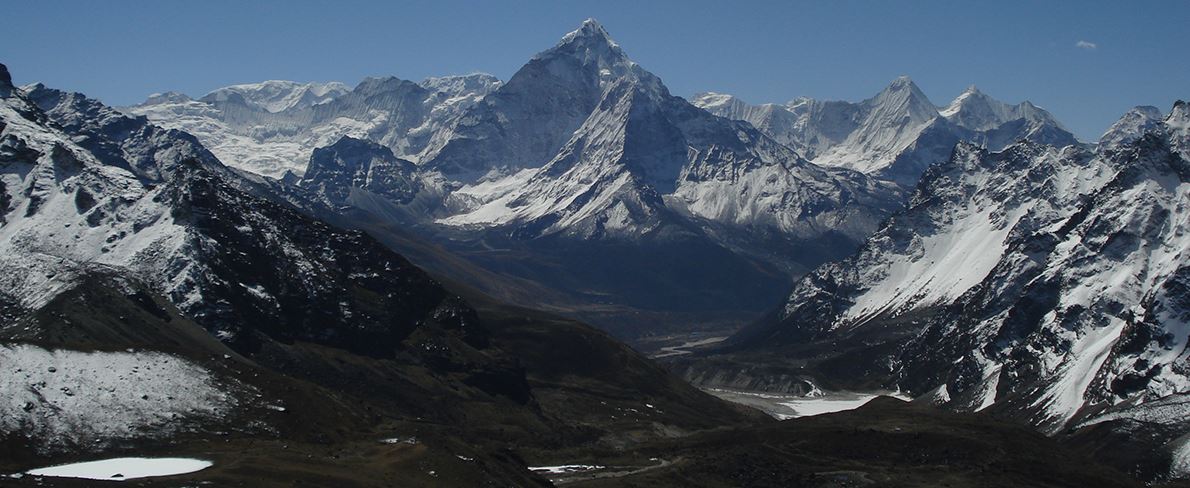
Often described as the most beautiful mountain in the Himalayas, Ama Dablam is famous for its elegant pyramid shape. It becomes the centerpiece of the landscape from Tengboche, Pangboche, and Dingboche.
Located just across from Kala Patthar, Pumori offers a magnificent backdrop for sunrise photography.
This striking peak dominates the skyline above Namche Bazaar and is among the first major Himalayan giants visible during the trek.
Known as "The Snow Saddle," Kangtega rises dramatically above the Dudh Koshi Valley and is a favorite among photographers.
On clear days, trekkers may glimpse Cho Oyu, the world's sixth-highest mountain, near the Nepal–Tibet border.
Other notable peaks visible along the route include Taboche, Cholatse, Lobuche East, Island Peak (Imja Tse), Khumbila, and Khumbutse.
Many first-time trekkers assume that Everest Base Camp provides the best view of Mount Everest. In reality, the most spectacular panorama is from Kala Patthar (5,545 m / 18,192 ft), the highest point reached on the classic trek.
An early morning climb to Kala Patthar rewards trekkers with breathtaking 360-degree views of Everest, Lhotse, Nuptse, Pumori, Lingtren, Khumbutse, and the surrounding Himalayan landscape. As the first rays of sunlight illuminate the snow-covered peaks, the mountains glow in shades of gold, orange, and pink—creating one of the most memorable moments of the entire journey.
For photographers, Kala Patthar offers the clearest and closest panoramic view of Mount Everest available without technical climbing. It is widely regarded as the highlight of the Everest Base Camp Trek and a fitting culmination of the adventure before beginning the return journey.
Although Everest Base Camp is the trek's primary destination, Kala Patthar offers the best panoramic view of Mount Everest. From its summit at 5,545 meters, trekkers enjoy an unobstructed sunrise view of Everest and neighboring peaks, making it the most popular photography viewpoint on the entire route.
Accommodation: 3-Star Hotel (Upgrade Available)
Meals: Welcome Dinner (Optional)
Driving Time: 30–45 Minutes from the airport
Welcome to Nepal, the gateway to the Himalayas!
Upon your arrival at Tribhuvan International Airport in Kathmandu, a representative from Nepal Himalayas Trekking will warmly welcome you and transfer you to your hotel in the vibrant tourist district of Thamel. During the drive, you'll get your first glimpse of Nepal's lively streets, ancient temples, colorful markets, and the surrounding hills.
After checking in, you will have time to relax or explore the bustling streets of Thamel, where you can browse trekking gear shops, cafés, restaurants, handicraft stores, and local markets.
In the evening, our trekking guide will conduct a comprehensive pre-trek briefing covering your itinerary, weather conditions, safety procedures, altitude awareness, equipment checklist, and important trekking guidelines. This is also an excellent opportunity to ask questions and meet fellow trekkers if you're joining a group departure.
If time permits, enjoy a traditional Nepali welcome dinner featuring authentic local cuisine and cultural hospitality.
Overnight: Kathmandu
Flight Time: 30–35 Minutes
Walking Distance: Approximately 8 km (5 miles)
Walking Duration: 3–4 Hours
Elevation Loss: 250 m
Meals: Breakfast, Lunch & Dinner
Accommodation: Mountain Teahouse
Today marks the beginning of your Everest adventure.
Early in the morning, you'll transfer to the domestic airport for one of the world's most scenic mountain flights to Lukla. During the flight, enjoy spectacular aerial views of the Himalayas, deep valleys, and traditional villages. (During peak trekking seasons, flights may operate via Ramechhap due to airport traffic.)
Upon landing at Tenzing-Hillary Airport, you'll meet the rest of the trekking crew, including porters who will assist with your luggage. After a short break, the trek officially begins.
The trail gently descends through picturesque Sherpa villages, prayer wheels, mani walls, suspension bridges, and forests of pine and rhododendron. Passing villages such as Chheplung, Ghat, and Toktok, you'll enjoy your first close-up views of the Dudh Koshi River.
Since today's walk is relatively easy and mostly downhill, it provides an excellent introduction while allowing your body to begin adjusting to the increasing altitude.
By late afternoon, you'll arrive at the peaceful riverside village of Phakding, where you'll spend your first night in a traditional Himalayan teahouse.
Drink plenty of water from your first day on the trail. Good hydration supports acclimatization and helps reduce the risk of altitude-related problems later in the trek.
Overnight: Phakding
Walking Distance: Approximately 11 km (6.8 miles)
Walking Duration: 6–7 Hours
Elevation Gain: 830 m
Meals: Breakfast, Lunch & Dinner
Accommodation: Mountain Teahouse
After breakfast, continue trekking north through beautiful forests and traditional villages as the trail follows the Dudh Koshi River.
Today's route includes several exciting suspension bridge crossings, including the famous Hillary Suspension Bridge, one of the highest and most photographed bridges in the Everest region.
Along the way, you'll pass through the village of Monjo, where permits are checked before entering Sagarmatha National Park, Nepal's highest protected area and a UNESCO World Heritage Site.
Beyond Monjo, the trail follows the river before beginning the day's most challenging section—a steady uphill climb through pine forests toward Namche Bazaar. Although demanding, the ascent is rewarded with your first distant view of Mount Everest on a clear day.
Namche Bazaar is the commercial and cultural center of the Khumbu region. Surrounded by towering peaks, this vibrant mountain town offers bakeries, cafés, trekking shops, hotels, banks, museums, and stunning mountain scenery.
After arriving, take time to rest, enjoy a hot meal, and appreciate your achievement.
Walk slowly and maintain a comfortable pace. The goal is steady progress, not speed. Conserving energy today will help you adapt better to higher elevations in the coming days.
Overnight: Namche Bazaar
Optional Hiking Duration: 3–5 Hours
Maximum Elevation: Everest View Hotel (3,880 m / 12,729 ft) or Khumjung Village (3,790 m / 12,434 ft)
Meals: Breakfast, Lunch & Dinner
Accommodation: Mountain Teahouse
Today's acclimatization day is one of the most important parts of the Everest Base Camp Trek. Rather than resting all day, the recommended approach is to climb high and sleep low, which helps your body adapt to the thinner mountain air.
After breakfast, you'll hike to the famous Everest View Hotel, one of the highest luxury hotels in the world. Along the trail, enjoy breathtaking panoramic views of Mount Everest, Lhotse, Nuptse, Ama Dablam, Thamserku, and Kongde Ri.
Many trekkers continue to the traditional Sherpa village of Khumjung, home to the historic Khumjung Monastery and the renowned Hillary School founded by Sir Edmund Hillary. The village provides a fascinating insight into local culture and daily life in the Khumbu region.
After exploring the area and enjoying magnificent mountain scenery, you'll return to Namche Bazaar for lunch.
The afternoon is free to visit the Sherpa Culture Museum, local cafés, bakeries, or outdoor gear shops. This relaxed schedule allows your body to recover while continuing the acclimatization process.
Acclimatization days greatly improve your chances of reaching Everest Base Camp safely. Continue drinking plenty of fluids, eat nutritious meals, avoid alcohol, and notify your guide immediately if you experience persistent headaches, dizziness, or unusual fatigue.
Overnight: Namche Bazaar
By the end of Day 4, you will have:
The adventure becomes even more spectacular from here as the trail climbs toward Tengboche Monastery, Ama Dablam, and the higher valleys leading to Everest Base Camp.
Walking Distance: Approximately 10 km (6.2 miles)
Walking Duration: 5–6 Hours
Elevation Gain: 420 m
Meals: Breakfast, Lunch & Dinner
Accommodation: Mountain Teahouse
After enjoying breakfast in Namche Bazaar, today's trail begins with a gradual climb along one of the most scenic sections of the Everest Base Camp Trek. As you traverse the mountainside, you'll be rewarded with breathtaking panoramic views of Mount Everest, Lhotse, Nuptse, Ama Dablam, Thamserku, and Kangtega.
The trail gently descends to Phunki Tenga, a small riverside settlement where you'll stop for lunch beside the Dudh Koshi River. After crossing the suspension bridge, the route ascends steadily through beautiful rhododendron, pine, and fir forests toward the spiritual heart of the Khumbu region.
Upon reaching Tengboche, you'll be welcomed by spectacular views of Ama Dablam rising dramatically behind the village. Tengboche is home to the famous Tengboche Monastery, the largest and most important Buddhist monastery in the Everest region. If timing permits, you can attend the afternoon prayer ceremony, where the peaceful chants of Buddhist monks create a truly memorable Himalayan experience.
As the sun begins to set, the surrounding snow-covered peaks glow with golden light, offering incredible opportunities for photography.
Temperatures become noticeably colder from Tengboche onward. Keep a warm jacket, gloves, and hat easily accessible, especially during the evening and early morning.
Overnight: Tengboche
Walking Distance: Approximately 11 km (6.8 miles)
Walking Duration: 5–6 Hours
Elevation Gain: 550 m
Meals: Breakfast, Lunch & Dinner
Accommodation: Mountain Teahouse
Wake up to magnificent sunrise views over Ama Dablam before enjoying breakfast at your lodge.
Today's trail descends through a peaceful forest to Deboche, crosses the Imja Khola, and gradually climbs toward the traditional Sherpa village of Pangboche, one of the oldest permanent settlements in the Khumbu region. Pangboche is known for its ancient monastery and rich Sherpa heritage.
As you continue higher, the landscape changes dramatically. Dense forests gradually disappear, giving way to alpine meadows, glacial rivers, and rugged mountain terrain. The air becomes thinner, and you'll begin to appreciate the importance of walking slowly and maintaining a steady pace.
Passing through the small settlement of Shomare, you'll enjoy magnificent views of Ama Dablam from different angles before reaching Dingboche, a picturesque village surrounded by stone walls that protect crops from cold winds and grazing yaks.
Dingboche is one of the most beautiful villages on the Everest trail, offering panoramic views of Island Peak, Lhotse, Ama Dablam, Taboche, and the Imja Valley.
As you climb above 4,000 meters, it is normal to walk more slowly than usual. Listen to your body, stay hydrated, and inform your guide if you develop symptoms such as persistent headache or nausea.
Overnight: Dingboche
Optional Hiking Duration: 4–5 Hours
Maximum Elevation: Nangkartshang Peak (5,083 m / 16,677 ft)
Meals: Breakfast, Lunch & Dinner
Accommodation: Mountain Teahouse
Today is your second acclimatization day, an essential step in preparing your body for the higher elevations ahead.
After breakfast, you'll hike to Nangkartshang Peak, one of the finest viewpoints in the Everest region. Although the climb is steep, every step is rewarded with extraordinary panoramic views of Makalu (the world's fifth-highest mountain), Lhotse, Ama Dablam, Island Peak, Cholatse, Taboche, and the expansive Imja Valley.
The higher you climb, the more spectacular the Himalayan panorama becomes. This acclimatization hike significantly improves your body's ability to adapt to the lower oxygen levels before continuing toward Lobuche and Everest Base Camp.
After spending time enjoying the views and taking photographs, you'll descend to Dingboche for lunch and a relaxing afternoon.
Many trekkers spend the remainder of the day resting, reading, enjoying the mountain scenery, or chatting with fellow adventurers around the dining room stove.
The acclimatization hike is optional but highly recommended. Even a moderate climb helps your body adjust more effectively and increases the likelihood of reaching Everest Base Camp comfortably.
Overnight: Dingboche
Walking Distance: Approximately 8 km (5 miles)
Walking Duration: 5–6 Hours
Elevation Gain: 500 m
Meals: Breakfast, Lunch & Dinner
Accommodation: Mountain Teahouse
After breakfast, continue your journey into the high Himalayas as the trail gradually ascends through wide alpine valleys toward Dughla (Thukla).
This section offers magnificent views of towering peaks, glaciers, and rocky mountain landscapes. Following lunch at Dughla, you'll begin the challenging climb to the Thukla Pass Memorial, one of the most emotional locations along the Everest Base Camp Trek.
Here, dozens of stone memorials honor climbers, Sherpas, and mountaineers who lost their lives on Mount Everest and surrounding peaks. The peaceful setting serves as a reminder of both the beauty and power of the Himalayas.
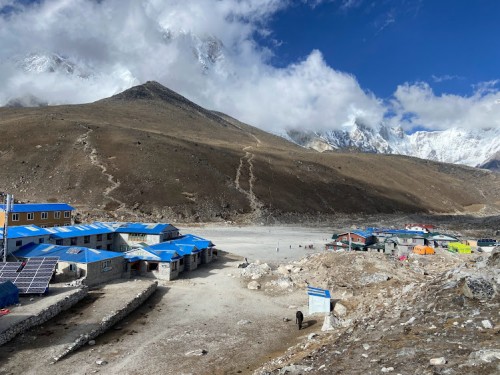
After taking time to reflect, the trail continues beside the impressive Khumbu Glacier, where you'll begin to see its dramatic ice formations and glacial moraine. The final section to Lobuche is relatively gentle, with magnificent views of Nuptse, Lobuche Peak, Pumori, and surrounding snow-covered mountains.
Upon arrival in Lobuche, settle into your teahouse and enjoy a warm meal while preparing for the exciting journey to Everest Base Camp the following day.
Tonight, temperatures can fall well below freezing, particularly during spring and autumn nights. Keep your water bottle inside your sleeping bag to prevent it from freezing, and dress in warm layers when leaving your room after sunset.
Overnight: Lobuche
By the end of Day 8, you will have:
Tomorrow marks one of the most anticipated days of the adventure as you trek to Everest Base Camp (5,364 m) and stand at the foot of the world's highest mountain.
Walking Distance: Approximately 15 km (9.3 miles)
Walking Duration: 7–8 Hours
Maximum Elevation: Everest Base Camp – 5,364 m (17,598 ft)
Meals: Breakfast, Lunch & Dinner
Accommodation: Mountain Teahouse at Gorak Shep
Today is the most anticipated day of your Everest Base Camp Trek. After days of gradual ascent through the Khumbu Valley, you will finally stand at the foot of the world's highest mountain.
Following an early breakfast in Lobuche, the trail gradually climbs beside the magnificent Khumbu Glacier, one of the largest glaciers in the Himalayas. The rugged path crosses glacial moraines, rocky ridges, and sections of loose terrain while offering incredible views of Nuptse, Pumori, Lobuche Peak, and surrounding Himalayan giants.
After approximately three hours of trekking, you will arrive at Gorak Shep, the highest permanent settlement on the classic Everest Base Camp route. After checking into your lodge and enjoying lunch, you'll leave your larger bags behind and continue with a light daypack toward Everest Base Camp.
The trail follows the edge of the Khumbu Glacier, where constantly shifting ice formations, deep crevasses, and towering seracs create an unforgettable alpine landscape. During the spring climbing season, colorful expedition tents transform Everest Base Camp into a vibrant international mountaineering community.
Standing at Everest Base Camp (5,364 m) is a dream come true for trekkers from around the world. While the summit of Everest itself is not fully visible from Base Camp due to the surrounding mountains, the atmosphere, breathtaking scenery, and sense of achievement make this one of the most rewarding moments of the entire adventure.
Take time to capture photographs, celebrate your accomplishment, and appreciate the remarkable journey that brought you here before returning to Gorak Shep for the night.
Although excitement is high, remember that you are above 5,000 meters. Walk slowly, stay hydrated, eat well, and conserve energy for tomorrow morning's climb to Kala Patthar.
Overnight: Gorak Shep
Walking Distance: Approximately 13 km (8 miles)
Walking Duration: 7–8 Hours
Highest Elevation: Kala Patthar – 5,545 m (18,192 ft)
Meals: Breakfast, Lunch & Dinner
Accommodation: Mountain Teahouse
Before sunrise, begin one of the most memorable hikes in the Himalayas.
With headlamps lighting the trail, you'll slowly ascend to Kala Patthar, the highest point reached during the classic Everest Base Camp Trek. Although the climb is steep and challenging due to the altitude, every step is rewarded with increasingly spectacular mountain views.
As dawn breaks over the Himalayas, the first rays of sunlight illuminate the summit of Mount Everest, creating an unforgettable golden panorama. From Kala Patthar, you'll enjoy unobstructed 360-degree views of Everest, Lhotse, Nuptse, Pumori, Lingtren, Khumbutse, and the vast Khumbu Glacier stretching below.
For many trekkers, this sunrise is the emotional highlight of the entire journey and the perfect reward for the effort invested over the previous days.
After spending time at the viewpoint, descend carefully to Gorak Shep for breakfast before beginning the return trek. Retracing your route through Lobuche and the Thukla Memorial, you'll continue downhill to the peaceful village of Pheriche, where the thicker air provides welcome relief after spending the night above 5,000 meters.
Dress in warm layers for the pre-dawn hike, as temperatures often fall well below freezing before sunrise. Carry spare camera batteries inside your jacket because cold temperatures reduce battery life.
Overnight: Pheriche
Walking Distance: Approximately 19 km (11.8 miles)
Walking Duration: 7–8 Hours
Elevation Loss: 800 m
Meals: Breakfast, Lunch & Dinner
Accommodation: Mountain Teahouse
After breakfast, continue descending through the beautiful Khumbu Valley as oxygen levels gradually increase and walking becomes noticeably easier.
The trail passes through Pangboche, where you'll once again enjoy magnificent views of Ama Dablam, before continuing through Deboche and climbing briefly back to Tengboche Monastery. From here, descend through lush rhododendron and pine forests to Phunki Tenga, where you'll stop for lunch.
Crossing the Dudh Koshi River once more, you'll make the final climb back to Namche Bazaar. Although the ascent is much easier than during the outward journey thanks to improved acclimatization, it still provides one last rewarding challenge before reaching the bustling Sherpa town.
Upon arrival, enjoy a well-earned hot shower, delicious bakery treats, or freshly brewed coffee while celebrating your successful journey to Everest Base Camp with fellow trekkers.
Many visitors spend the evening exploring Namche's cafés, souvenir shops, and local restaurants before preparing for the final days of the trek.
Although you are descending, continue to drink plenty of water and walk carefully on rocky trails. Fatigue is common after several days at high altitude, so trekking poles remain valuable during the descent.
Overnight: Namche Bazaar
By the end of Day 11, you will have:
The remaining days offer a relaxed descent through picturesque Sherpa villages before your scenic mountain flight back to Kathmandu, bringing your unforgettable Everest adventure to a memorable conclusion.
Walking Distance: Approximately 18 km (11.2 miles)
Walking Duration: 6–7 Hours
Elevation Loss: 580 m
Meals: Breakfast, Lunch & Dinner
Accommodation: Mountain Teahouse
Today is your final day of trekking in the Everest region. After breakfast, begin your descent from Namche Bazaar, retracing the trail through beautiful pine and rhododendron forests while enjoying your final panoramic views of the surrounding Himalayan peaks.
Cross the famous Hillary Suspension Bridge before passing through the villages of Monjo, Benkar, Phakding, Ghat, and Chheplung. Along the way, you'll have one last opportunity to experience Sherpa hospitality, spinning prayer wheels, colorful mani walls, and fluttering prayer flags that have accompanied your journey through the Khumbu Valley.
After lunch in Phakding, continue along the Dudh Koshi River before tackling the final gradual ascent back to Lukla. Although this last uphill section may feel challenging after nearly two weeks of trekking, reaching Lukla marks the successful completion of one of the world's greatest trekking adventures.
In the evening, many trekking groups celebrate with their guides and porters, sharing stories and expressing gratitude for the teamwork that made the journey possible.
If you wish to thank your guide and porter, the final evening in Lukla is an appropriate time to offer gratuities and express your appreciation for their dedication throughout the trek.
Overnight: Lukla
Flight Time: Approximately 30–35 Minutes
Driving Time (if via Ramechhap): Approximately 4–5 Hours to Kathmandu
Meals: Breakfast
Accommodation: 3-Star Hotel
Weather permitting, you'll board an early morning flight from Lukla back to Kathmandu. This short but spectacular flight offers one final opportunity to admire the breathtaking Himalayan landscapes from above, providing a fitting conclusion to your Everest adventure.
Upon arrival in Kathmandu (or after the drive from Ramechhap during peak flight operations), our representative will transfer you to your hotel. The remainder of the day is free for relaxation, souvenir shopping, or exploring the city's historic attractions.
Many trekkers enjoy celebrating their successful journey by visiting Thamel's cafés and restaurants, purchasing locally crafted souvenirs, or treating themselves to a traditional Nepali massage after days of trekking.
If your schedule allows, you may also visit UNESCO World Heritage Sites such as Swayambhunath (Monkey Temple), Pashupatinath Temple, Boudhanath Stupa, or Kathmandu Durbar Square.
Flights between Lukla and Kathmandu are weather-dependent. We recommend keeping at least one extra buffer day in Nepal before your international departure to accommodate possible flight delays.
Overnight: Kathmandu
Meals: Breakfast
After breakfast, your unforgettable Himalayan adventure comes to an end.
According to your international flight schedule, a representative from Nepal Himalayas Trekking will transfer you to Tribhuvan International Airport for your onward journey.
As you leave Nepal, you'll take home unforgettable memories of towering Himalayan peaks, welcoming Sherpa communities, ancient monasteries, breathtaking landscapes, and the remarkable achievement of standing at the foot of the world's highest mountain.
Whether this was your first Himalayan trek or one of many adventures, we hope the Everest Base Camp Trek has inspired you to return and explore more of Nepal's incredible mountain regions.
Our team sincerely thanks you for choosing Nepal Himalayas Trekking, and we look forward to welcoming you back for your next adventure in the Himalayas.
| Trekking Day | Route | Approximate Distance |
|---|---|---|
| Day 2 | Lukla – Phakding | 8 km |
| Day 3 | Phakding – Namche Bazaar | 11 km |
| Day 5 | Namche – Tengboche | 10 km |
| Day 6 | Tengboche – Dingboche | 11 km |
| Day 8 | Dingboche – Lobuche | 8 km |
| Day 9 | Lobuche – Everest Base Camp – Gorak Shep | 15 km |
| Day 10 | Gorak Shep – Kala Patthar – Pheriche | 13 km |
| Day 11 | Pheriche – Namche Bazaar | 19 km |
| Day 12 | Namche Bazaar – Lukla | 18 km |
Total Trekking Distance: Approximately 113–130 km (70–81 miles), depending on acclimatization hikes and walking variations.
| Location | Elevation |
| Kathmandu | 1,400 m |
| Lukla | 2,860 m |
| Phakding | 2,610 m |
| Namche Bazaar | 3,440 m |
| Tengboche | 3,860 m |
| Dingboche | 4,410 m |
| Lobuche | 4,910 m |
| Gorak Shep | 5,164 m |
| Everest Base Camp | 5,364 m |
| Kala Patthar | 5,545 m |
The Everest Base Camp Trek is considered a moderate to strenuous adventure. Although it does not require technical climbing or mountaineering experience, it demands good physical fitness, mental determination, and careful acclimatization due to the high altitude.
Trekkers typically walk between 5 and 8 hours per day, covering rocky mountain trails, suspension bridges, glacial moraines, and occasional steep ascents and descents. The biggest challenge is not the distance but the reduced oxygen levels at higher elevations.
With proper preparation, a gradual itinerary, experienced guides, and adequate acclimatization, most healthy trekkers successfully complete the Everest Base Camp Trek.
Our carefully designed 14-day itinerary follows the internationally recommended acclimatization schedule, maximizing both safety and enjoyment.
This itinerary has been refined over many years to provide trekkers with a safe, enjoyable, and rewarding experience while minimizing the risk of altitude-related illness.
The Everest Base Camp Trek is more than a holiday—it's a life-changing Himalayan adventure. From the thrilling flight to Lukla and the welcoming Sherpa villages to the breathtaking sunrise at Kala Patthar and the unforgettable moment of standing at Everest Base Camp, every day offers memories that will last a lifetime.
Whether you are traveling solo, with family, or as part of a group, Nepal Himalayas Trekking is committed to providing exceptional service, experienced local guides, carefully planned itineraries, and personalized support from the moment you arrive in Nepal until your journey concludes.
Contact Nepal Himalayas Trekking today to customize your Everest Base Camp Trek or reserve your place on one of our scheduled departures. Let us help you turn your dream of trekking to the foot of the world's highest mountain into an unforgettable reality.
One of the first questions travelers ask when planning an Everest adventure is, "How much does the Everest Base Camp Trek cost?" The answer depends on several factors, including the duration of the trek, the level of service, accommodation, transportation, guide and porter services, group size, and whether you choose a standard, luxury, or helicopter return package.
On average, the Everest Base Camp Trek costs between USD 1,390 and USD 6,500 per person. Budget-conscious trekkers who organize much of the trip independently may spend less, while travelers seeking premium accommodation, private guides, or helicopter services can expect higher costs.
At Nepal Himalayas Trekking, we offer carefully designed Everest Base Camp Trek packages that combine safety, experienced local guides, comfortable accommodation, transparent pricing, and personalized service. Our goal is to provide excellent value while ensuring a memorable trekking experience in the Himalayas.
The following table provides an overview of typical Everest Base Camp Trek options.
| Package Type | Duration | Price (USD) | Best For |
|---|---|---|---|
| Budget Group Trek | 14 Days | $1,390–$1,590 | Budget travelers |
| Standard Guided Trek | 14 Days | $1,690–$1,890 | Most trekkers |
| Private Trek | 14 Days | From $1,690 | Couples, families, private groups |
| Luxury Everest Base Camp Trek | 14 Days | $3,500–$6,000+ | Premium comfort |
| Everest Base Camp Trek with Helicopter Return | 11–12 Days | From $3,290 | Save time on the return journey |
Recommended Package: Our 14-Day Everest Base Camp Trek offers the best balance of value, safety, comfort, and authentic Himalayan experiences for most travelers.
Starting From: USD 1,690 Per Person
Our standard package includes the essential services needed for a safe, comfortable, and enjoyable trekking experience.
Airport pick-up and drop-off.
Hotel accommodation in Kathmandu.
Domestic flights between Kathmandu (or Ramechhap during peak seasons) and Lukla.
Sagarmatha National Park Entry Permit.
Khumbu Pasang Lhamu Rural Municipality Permit.
Experienced English-speaking licensed trekking guide.
Porter service (shared according to the package).
Mountain teahouse accommodation during the trek.
Breakfast, lunch, and dinner throughout the trek.
Government taxes and company service charges.
Comprehensive pre-trek briefing.
First-aid kit carried by the guide.
Nepal entry visa fees.
International airfare.
Personal travel insurance.
Drinks and snacks not included in meals.
Hot showers where extra charges apply.
Wi-Fi and mobile data charges in mountain lodges.
Charging fees for electronic devices.
Personal trekking equipment.
Tips for guides and porters.
Personal expenses such as laundry or souvenirs.
If you've compared trekking companies online, you've probably noticed significant differences in pricing. While one operator may advertise a package for under USD 1,000, another may charge more than USD 2,000 for a similar itinerary.
Several factors influence the overall price:
Larger groups often reduce the cost per person because transportation, guide services, and logistics are shared among more participants. Private departures typically cost more but provide greater flexibility.
Professional licensed guides, experienced porters, fair wages, insurance, and quality equipment contribute to a safer and more enjoyable trekking experience. Companies that invest in their staff may charge slightly higher prices while delivering better service.
Standard teahouses provide clean, comfortable rooms with shared facilities. Luxury packages may include premium lodges with private bathrooms, heated dining areas, and upgraded amenities where available.
Flights to and from Lukla represent a significant portion of the package cost. Seasonal flight schedules, airport operations, and airline availability can influence pricing.
Some operators include three meals per day throughout the trek, while others only provide breakfast or exclude meals entirely. Comparing package inclusions is often more important than comparing prices alone.
Spring (March–May) and autumn (September–November) are the busiest trekking seasons. During these periods, demand for flights, accommodation, and guide services is highest, which can influence availability and overall costs.
Packages may also vary depending on included sightseeing tours, airport transfers, accommodation upgrades, private transportation, emergency support, helicopter options, or customized itineraries.
Budget packages are ideal for experienced travelers looking to minimize costs. They generally include basic teahouse accommodation, simple meals, and standard guide services. Flexibility may be more limited, and some optional expenses are paid separately.
Backpackers.
Students.
Budget-conscious travelers.
Experienced trekkers.
A standard guided trek offers the best overall value. It combines comfortable accommodation, professional guides, domestic flights, permits, and meals, making it the preferred choice for most international visitors.
First-time Everest trekkers.
Couples.
Friends.
Solo travelers.
Small groups.
Luxury treks provide upgraded hotels in Kathmandu, premium mountain lodges where available, personalized service, private transportation, and additional comforts throughout the journey. Some itineraries also include helicopter returns from the Everest region.
Honeymoon travelers.
Families.
Senior travelers.
Luxury adventure seekers.
Travelers with limited time.
Choosing the right trekking company is about much more than finding the lowest price. A well-organized Everest Base Camp Trek should prioritize safety, experienced guides, transparent pricing, and excellent customer service.
With Nepal Himalayas Trekking, you benefit from:
Experienced local guides with extensive knowledge of the Everest region.
Carefully planned itineraries with proper acclimatization.
Transparent pricing with no hidden package costs.
Quality teahouse accommodation.
Reliable domestic flight arrangements.
Personalized service before, during, and after your trek.
Flexible private and group departure options.
Strong commitment to responsible and sustainable tourism.
Our experienced team works hard to ensure every traveler enjoys a safe, comfortable, and unforgettable journey to Everest Base Camp.
The Everest Base Camp Trek generally costs between USD 1,200 and USD 4,500 per person, depending on the package, duration, group size, accommodation, and included services. A standard 14-day guided trek typically costs USD 1,690–6,500, while luxury and helicopter return options are more expensive due to upgraded services and transportation.
Although booking a guided package simplifies your travel planning, many trekkers still want to understand where their money is spent. This detailed cost breakdown explains the major expenses involved in an Everest Base Camp Trek and helps you estimate your personal budget before arriving in Nepal.
Every foreign trekker entering the Everest region must obtain the required trekking permits.
This permit allows entry into the protected UNESCO World Heritage Site that includes Mount Everest and the surrounding Khumbu region.
| Permit | Foreign Nationals | SAARC Nationals |
|---|---|---|
| Sagarmatha National Park Permit | NPR 3,000 + VAT | NPR 1,500 + VAT |
Children under 10 years of age can generally enter free of charge.
This local permit replaced the former TIMS requirement for the Everest region and helps support infrastructure and tourism management in the Khumbu area.
| Permit | Cost |
| Khumbu Pasang Lhamu Rural Municipality Permit | NPR 3,000 per person |
These permits are normally arranged by Nepal Himalayas Trekking as part of your package.
The flight to Lukla is one of the highlights of the Everest Base Camp Trek and usually represents one of the largest individual expenses.
| Flight | Approximate Cost |
| Kathmandu → Lukla (One Way) | USD 260–280 |
| Lukla → Kathmandu (One Way) | USD 260–280 |
| Round Trip | USD 520–560 |
During the busy spring and autumn trekking seasons, many flights operate between Ramechhap Airport and Lukla due to air traffic management in Kathmandu. In such cases, travelers usually drive to Ramechhap before the flight.
Most guided packages include domestic flights, airport transfers, and flight coordination.
Hiring a professional licensed guide is highly recommended for safety, navigation, local knowledge, and emergency assistance.
| Service | Daily Cost |
| Licensed English-speaking Trekking Guide | USD 35–45 per day |
Professional guides generally provide:
Choosing an experienced local guide greatly enhances both safety and the overall trekking experience.
Porters play an essential role in supporting trekkers by carrying heavy backpacks, allowing you to enjoy the journey with a light daypack.
| Service | Daily Cost |
| Porter | USD 25–35 per day |
A porter typically carries luggage for two trekkers, with a combined weight limit of approximately 20–25 kilograms.
Responsible trekking companies ensure their porters receive fair wages, insurance coverage, suitable equipment, and appropriate accommodation.
The Everest Base Camp Trek follows a traditional teahouse trekking system.
Accommodation is simple but comfortable, offering warm hospitality and an authentic Himalayan experience.
| Accommodation Type | Typical Price |
| Standard Twin Room | USD 10–20 per night |
| Private Room (when available) | USD 20–40+ |
Higher elevations generally have fewer accommodation options and slightly higher prices due to transportation costs.
Luxury lodges are available in selected villages such as Lukla, Phakding, Namche Bazaar, and Deboche, offering upgraded rooms and additional amenities.
Meals become more expensive as altitude increases because nearly all food supplies are transported by porters, yaks, or helicopters.
| Meal | Estimated Cost |
| Breakfast | USD 6–10 |
| Lunch | USD 8–12 |
| Dinner | USD 8–15 |
Popular menu items include:
For trekkers purchasing meals independently, expect to spend approximately USD 35–45 per day on food.
Staying hydrated is essential for successful acclimatization.
Trekkers have several options:
| Water Option | Approximate Cost |
| Boiled Water | USD 1–5 per liter |
| Bottled Water | USD 2–6 per bottle |
| Water Purification Tablets | Highly Recommended |
Using a reusable water bottle together with purification tablets or a water filter is both environmentally friendly and cost-effective.
Hot showers are available in many teahouses, although availability decreases at higher elevations.
| Location | Approximate Cost |
| Lower Villages | USD 3–5 |
| Higher Villages | USD 5–10 |
Most showers use either solar heating or gas systems.
Many lodges offer Wi-Fi access, although connection speeds become slower at higher elevations.
| Service | Estimated Cost |
| Wi-Fi | USD 3–10 |
| Everest Link Internet Card | Variable depending on data package |
Signal strength depends on weather conditions and location.
Electricity is available in most teahouses, but charging devices usually incurs an additional fee.
| Device | Approximate Cost |
| Phone Charging | USD 2–5 |
| Camera Battery Charging | USD 3–8 |
| Power Bank Charging | USD 3–8 |
Bringing a high-capacity power bank is recommended, especially for photographers.
Laundry facilities become limited above Namche Bazaar.
Typical prices range from USD 5–15, although most trekkers prefer to pack enough clothing for the duration of the trek rather than washing clothes at high altitude.
Even if your trekking package includes accommodation and meals, it's wise to carry additional spending money.
| Travel Style | Daily Budget |
| Budget Traveler | USD 20–25 |
| Standard Traveler | USD 35–50 |
| Comfortable Traveler | USD 60–70 |
This covers optional purchases such as:
Most trekkers should budget an additional USD 350–450 in cash for personal expenses during the Everest Base Camp Trek. This typically covers drinks, snacks, Wi-Fi, charging, hot showers, souvenirs, and tips, depending on your spending habits and what is already included in your package
Packing the right gear is one of the most important steps in preparing for the Everest Base Camp Trek. The weather in the Everest region can change rapidly, and temperatures range from warm and sunny during the day to well below freezing at higher elevations and during the night. A smart packing strategy keeps your backpack light while ensuring you remain warm, dry, and comfortable throughout the journey.
At Nepal Himalayas Trekking, we recommend packing only the essentials. Your main duffel bag, carried by a porter, should ideally weigh no more than 10–12 kg (22–26 lbs), while your daypack should weigh 5–7 kg (11–15 lbs), including water, snacks, and personal items.
Follow these simple rules before packing:
Carry the following documents in a waterproof pouch:
Your daypack should include everything you need during the day's walk.
Recommended items:
Choose a backpack with padded shoulder straps, a waist belt, and a built-in rain cover.
Your porter will carry your duffel bag.
Pack:
A waterproof duffel bag is highly recommended.
Layering is the key to staying comfortable in the Himalayas.
Pack:
Synthetic or merino wool fabrics work best.
Bring:
These layers provide warmth during cool mornings and evenings.
A high-quality waterproof jacket is essential.
Recommended:
Look for breathable fabrics such as Gore-Tex or similar waterproof materials.
A warm down jacket is essential above Namche Bazaar, especially in spring, autumn, and winter.
Your jacket should be:
If you don't own one, you can rent a quality down jacket in Kathmandu.
Pack:
Convertible trekking pants are useful during warmer days.
Bring:
Choose wool or synthetic socks to reduce the risk of blisters.
Essential items include:
These protect you from strong sun, cold winds, and dust.
Carry two pairs:
This combination works well in varying weather conditions.
Proper footwear is one of the most important investments for the trek.
Your boots should be:
Never wear brand-new boots on the trail.
Pack lightweight shoes or sandals for relaxing at teahouses after each day's walk.
Useful during:
Although teahouses provide blankets, temperatures can become very cold at higher elevations.
Recommended:
Sleeping bags are available for rent in Kathmandu if needed.
Trekking poles help reduce strain on your knees and improve balance.
Benefits include:
Adjustable, lightweight poles are recommended.
Carry:
An insulated bottle helps prevent water from freezing at higher elevations.
Safe drinking water is essential.
Carry at least one of the following:
Avoid relying on single-use plastic bottles whenever possible.
Pack travel-sized toiletries, including:
Your guide carries a group first aid kit, but you should also bring personal essentials.
Recommended items:
Consult your doctor before the trip if you have any medical concerns.
Useful electronic items include:
Cold temperatures can reduce battery life, so keep electronics inside your jacket at night.
The Everest region offers incredible photography opportunities.
Recommended gear:
Although teahouses sell snacks, bringing a few favorites can save money and provide extra energy.
Suggested options:
For added comfort, consider packing:
Avoid carrying unnecessary items such as:
Keeping your backpack light will make the trek more enjoyable.
Yes. Kathmandu, especially the Thamel area, has many reputable shops where you can rent or purchase trekking equipment before your trek.
Common rental items include:
If you are unsure about bringing certain gear from home, renting in Kathmandu is a practical and affordable option.
With the right equipment and a well-planned packing strategy, you'll be prepared to enjoy one of the world's most iconic trekking adventures in comfort and confidence. Our experienced team at Nepal Himalayas Trekking is always available to advise you on what to bring and can help arrange equipment rentals before your trek begins
Planning a trek in the Himalayas often means deciding between several world-class routes. While the Everest Base Camp Trek remains Nepal's most iconic adventure, other trekking destinations such as Annapurna Base Camp, Gokyo Lakes, and the Manaslu Circuit each offer unique landscapes, cultural experiences, and levels of challenge.
This guide compares the most popular trekking options to help you choose the adventure that best matches your fitness level, travel style, available time, and budget.
These are Nepal's two most popular trekking destinations, but they offer different experiences.
| Feature | Everest Base Camp Trek | Annapurna Base Camp Trek |
|---|---|---|
| Duration | 12–14 Days | 9–11 Days |
| Maximum Altitude | 5,364 m (Everest Base Camp), 5,545 m (Kala Patthar) | 4,130 m |
| Difficulty | Moderate to Strenuous | Moderate |
| Highest Mountain Views | Mount Everest, Lhotse, Nuptse, Ama Dablam | Annapurna I, Machhapuchhre, Hiunchuli |
| Accommodation | Mountain Teahouses | Mountain Teahouses |
| Flights Required | Kathmandu–Lukla | No domestic flight required |
| Best Seasons | Spring & Autumn | Spring & Autumn |
Dream of standing at the base of the world's highest mountain.
Want to experience Sherpa culture.
Wish to visit Sagarmatha National Park.
Enjoy high-altitude Himalayan adventures.
Are seeking a world-famous bucket-list trek.
Prefer a shorter itinerary.
Want a lower maximum altitude.
Are concerned about altitude sickness.
Prefer easier logistics without mountain flights.
Enjoy forests, waterfalls, and diverse landscapes.
The Gokyo Lakes Trek is an excellent alternative for trekkers seeking fewer crowds and spectacular alpine scenery.
| Feature | Everest Base Camp Trek | Gokyo Lakes Trek |
|---|---|---|
| Duration | 12–14 Days | 12–14 Days |
| Highest Point | Kala Patthar (5,545 m) | Gokyo Ri (5,357 m) |
| Main Attraction | Everest Base Camp | Turquoise Gokyo Lakes |
| Crowds | Higher | Lower |
| Scenery | Khumbu Glacier & Everest | Lakes, glaciers & Everest panorama |
Quieter trekking trails.
Beautiful glacial lakes.
Stunning panoramic viewpoints.
Less crowded lodges during peak seasons.
Visit the legendary Everest Base Camp.
Walk beside the Khumbu Glacier.
Reach the famous Kala Patthar viewpoint.
Follow the historic Everest expedition route.
The Manaslu Circuit Trek is ideal for travelers looking for a remote and culturally rich experience.
| Feature | Everest Base Camp Trek | Manaslu Circuit Trek |
|---|---|---|
| Duration | 12–14 Days | 14–17 Days |
| Maximum Altitude | 5,545 m | 5,106 m (Larke Pass) |
| Difficulty | Moderate to Strenuous | Challenging |
| Region | Everest | Manaslu |
| Permit | Standard trekking permits | Restricted Area Permit required |
| Trail Crowds | Popular | Much quieter |
Choose the Manaslu Circuit if you want a more remote adventure with fewer trekkers. Choose Everest Base Camp if seeing Mount Everest and experiencing the classic Khumbu route is your priority.
Many travelers now choose a helicopter return to shorten the trip and enjoy an unforgettable aerial view of the Himalayas.
| Feature | Classic Trek | Helicopter Return Trek |
|---|---|---|
| Duration | 14 Days | 10–12 Days |
| Return Journey | Trek back to Lukla | Helicopter from Gorak Shep |
| Physical Demand | Higher | Lower |
| Scenic Value | Excellent | Excellent + Aerial Views |
| Cost | More affordable | Premium option |
Save several trekking days.
Reduce strain on knees during the descent.
Enjoy breathtaking aerial views of Mount Everest, Ama Dablam, and the Khumbu Glacier.
Ideal for travelers with limited vacation time.
A memorable luxury upgrade after reaching Everest Base Camp and Kala Patthar.
Nepal Himalayas Trekking offers both private and shared helicopter return options.
Choosing between a private trek and a group departure depends on your travel preferences.
A private trek offers maximum flexibility and personalized service.
Flexible departure dates.
Custom itinerary.
Personal guide and porter.
Suitable for couples, families, photographers, and friends.
Greater privacy.
Personalized pace for acclimatization.
Private treks are ideal for travelers seeking a tailor-made Himalayan experience.
A group trek allows you to join other international travelers.
Lower overall cost.
Meet trekkers from around the world.
Fixed departure dates.
Professional guide.
Shared experiences and friendships.
Group departures are an excellent choice for solo travelers who enjoy a social atmosphere.
Luxury trekking has become increasingly popular among travelers who prefer additional comfort without missing the adventure.
| Feature | Standard Trek | Luxury Trek |
|---|---|---|
| Accommodation | Standard teahouses | Premium lodges where available |
| Meals | Standard menu | Enhanced meal options |
| Kathmandu Hotel | Tourist Standard | 4–5 Star Hotel |
| Transportation | Standard airport transfers | Private transfers |
| Return Option | Domestic flight | Helicopter return available |
Luxury packages offered by Nepal Himalayas Trekking may include upgraded accommodation, premium hotels in Kathmandu, private airport transfers, and helicopter return options.
While experienced hikers may consider trekking independently, hiring a licensed guide offers significant advantages.
Expert knowledge of the Everest region.
Assistance with altitude acclimatization.
Local cultural insights.
Emergency support.
Easier lodge and flight arrangements.
Help during weather-related changes.
Better overall safety and logistics.
A professional guide allows you to focus on enjoying the trek while someone else manages the daily planning.
Every traveler has different goals, so the best itinerary depends on your preferences.
Want the traditional Everest experience.
Have around two weeks available.
Enjoy a rewarding trekking journey both up and down the valley.
Have limited vacation time.
Want to reduce the return trek.
Would like spectacular aerial views of the Everest region.
Prefer upgraded accommodation and personalized service.
Want additional comfort throughout the journey.
Are celebrating a special occasion or traveling with family.
Are traveling solo.
Want to reduce costs.
Enjoy meeting fellow trekkers from around the world.
Want complete flexibility.
Prefer a customized itinerary.
Need extra acclimatization days or personalized support.
The Everest Base Camp Trek is one of the world's most iconic trekking adventures, taking you through the heart of Nepal's Khumbu region to the base of Mount Everest at an altitude of 5,364 meters (17,598 feet). The journey combines breathtaking Himalayan scenery, Sherpa culture, ancient monasteries, and unforgettable views of peaks including Everest, Lhotse, Nuptse, and Ama Dablam.
The classic Everest Base Camp Trek usually takes 14 days, including arrival in Kathmandu, flights to and from Lukla, two acclimatization days, and the return trek. Nepal Himalayas Trekking also offers shorter itineraries with a helicopter return and customized private treks.
The Everest Base Camp Trek is considered moderate to strenuous. It does not require technical climbing skills, but trekkers should be prepared to walk 5–8 hours daily over uneven terrain at high altitude. Good physical fitness, proper acclimatization, and a steady pace are key to completing the trek successfully.
The highest point most trekkers reach is Kala Patthar (5,545 meters / 18,192 feet), which offers the best close-up panoramic view of Mount Everest. Everest Base Camp itself sits at 5,364 meters (17,598 feet).
Yes. Beginners with good health, reasonable fitness, and adequate preparation can successfully complete the Everest Base Camp Trek. Training before the trip, following your guide's advice, staying hydrated, and allowing proper acclimatization greatly improve your chances of a comfortable trek.
The best seasons are spring (March to May) and autumn (September to November). These months generally offer stable weather, clear mountain views, comfortable temperatures, and excellent trekking conditions.
The cost depends on the itinerary and service level. A guided standard package generally ranges from USD 1,390 to USD 6,000, while luxury and helicopter-return options cost more. Nepal Himalayas Trekking offers transparent pricing with experienced guides, accommodation, domestic flights, and essential trekking services included in many packages.
Previous trekking experience is helpful but not essential. Many first-time trekkers complete the Everest Base Camp Trek successfully with proper preparation, gradual acclimatization, and support from experienced guides.
Altitude sickness can affect anyone regardless of age or fitness. The risk increases above 3,000 meters, which is why gradual ascent, acclimatization days, adequate hydration, and listening to your guide are essential throughout the trek.
The best ways to reduce the risk include ascending gradually, drinking plenty of water, avoiding alcohol, eating nutritious meals, sleeping well, and following your guide's recommendations. If symptoms become severe, descending to a lower altitude is the safest option.
Most trekkers need:
Nepal Himalayas Trekking can arrange all required permits before your trek begins.
The trek usually begins with a scenic flight from Kathmandu (or Ramechhap during certain seasons) to Lukla. From Lukla, trekkers walk through villages such as Phakding, Namche Bazaar, Tengboche, Dingboche, Lobuche, and Gorak Shep before reaching Everest Base Camp.
The classic round-trip Everest Base Camp Trek covers approximately 130 kilometers (81 miles), although the exact distance varies slightly depending on the itinerary and side hikes.
Most trekking days involve 5 to 8 hours of walking. Acclimatization days include shorter hikes that help your body adjust to the altitude while allowing time to rest.
Accommodation is mainly in traditional mountain teahouses. Rooms are generally simple, clean, and comfortable, with twin beds and shared or private bathrooms depending on the village and lodge.
Teahouses serve a wide variety of freshly prepared meals, including Dal Bhat, noodles, fried rice, soups, pasta, potatoes, eggs, pancakes, Tibetan bread, tea, coffee, and vegetarian dishes.
Yes, if treated properly. Most trekkers drink boiled water from teahouses or refill reusable bottles using filtered water or purification tablets. Carrying a reusable water bottle helps reduce plastic waste in the Everest region.
Wi-Fi is available in many villages, including Lukla, Namche Bazaar, Dingboche, Lobuche, and Gorak Shep. However, the connection becomes slower and less reliable at higher elevations, and many lodges charge a small fee.
Yes. Most teahouses provide charging facilities for electronic devices. Charging is often free at lower elevations but usually involves an additional fee in higher villages due to limited electricity.
Yes. Comprehensive travel insurance that covers high-altitude trekking, emergency medical treatment, and helicopter evacuation is strongly recommended before starting the Everest Base Camp Trek.
Hiring a licensed guide is highly recommended. A guide enhances safety, manages logistics, assists with altitude awareness, provides cultural insights, and helps you enjoy a smoother trekking experience.
Regulations and trekking requirements can change, so it's important to check the latest rules before planning a solo trek. Many travelers choose guided treks for added safety, local knowledge, and convenience.
Essential items include quality trekking boots, layered clothing, a warm down jacket, sleeping bag, trekking poles, gloves, hat, sunglasses, sunscreen, reusable water bottle, headlamp, personal medications, and a small first-aid kit.
Sagarmatha National Park is home to Himalayan tahr, musk deer, Himalayan monal (Nepal's national bird), pheasants, snow pigeons, and other alpine wildlife. While snow leopards inhabit the region, sightings are extremely rare.
Nepal Himalayas Trekking is a locally operated trekking company offering experienced licensed guides, carefully selected teahouse accommodation, transparent pricing, personalized itineraries, and dedicated support from arrival in Kathmandu until the completion of your Himalayan adventure. Our focus on safety, authentic local experiences, and professional service helps travelers enjoy a memorable Everest Base Camp Trek.
April, May, October, and early November are generally considered the best months for the Everest Base Camp Trek. These months usually offer stable weather, excellent mountain visibility, comfortable daytime temperatures, and ideal trekking conditions. March and late November are also good options for those seeking fewer crowds.
Only a limited portion of Mount Everest is visible from Everest Base Camp because surrounding peaks block the summit view. For the best panoramic view of Everest, trekkers hike to Kala Patthar (5,545 m), which provides spectacular sunrise and sunset views of Everest and the surrounding Himalayan giants.
Kala Patthar is a famous viewpoint above Gorak Shep at an elevation of 5,545 meters (18,192 feet). It offers one of the best close-up views of Mount Everest, Nuptse, Pumori, and the Khumbu Glacier, making it a highlight of the Everest Base Camp Trek.
Temperatures vary by season and altitude. During spring and autumn, daytime temperatures generally range from 5°C to 15°C at lower elevations, while nighttime temperatures above Dingboche can fall below freezing. Winter treks can experience temperatures below -20°C at higher elevations.
Yes, the Everest Base Camp Trek is considered safe when undertaken with proper preparation, acclimatization, and experienced guides. Choosing a reputable local operator, following your guide's advice, monitoring altitude symptoms, and carrying appropriate insurance all contribute to a safe trekking experience.
Most international travelers require a tourist visa to enter Nepal. Many nationalities can obtain a visa on arrival at Tribhuvan International Airport in Kathmandu or apply in advance through a Nepalese embassy or consulate. Always check the latest visa requirements for your nationality before traveling.
Most teahouses and shops along the Everest trail accept cash only. It's advisable to carry enough Nepalese Rupees to cover personal expenses such as drinks, snacks, charging, Wi-Fi, hot showers, and tips. The last reliable ATM is in Namche Bazaar, but availability is not guaranteed.
ATMs are available in Kathmandu and Namche Bazaar. However, they may occasionally be out of service, so it's best to withdraw sufficient cash before beginning your trek.
Credit cards are accepted at many hotels, restaurants, and shops in Kathmandu. Along the trekking route, most teahouses and local businesses accept cash only, so carrying Nepalese Rupees is essential.
Yes. Most villages have electricity supplied by hydropower or solar energy. Electricity availability becomes more limited at higher elevations, and charging electronic devices often requires an additional fee.
Hot showers are available in many villages along the route, usually for an additional fee. As you ascend, water may be heated by solar energy or gas, and shower facilities become more basic. Some trekkers avoid frequent showers at high altitude due to cold temperatures.
Laundry services are commonly available in Kathmandu, Lukla, and Namche Bazaar. Beyond these locations, laundry facilities become limited, so packing quick-drying trekking clothing is recommended.
Yes. Kathmandu, especially the Thamel area, has numerous shops selling and renting trekking equipment, including boots, jackets, sleeping bags, trekking poles, backpacks, and other essential gear. Renting equipment can be a cost-effective option for many travelers.
Domestic airlines serving Lukla generally allow a limited baggage allowance. Additional baggage may incur extra charges, and airline policies can change. Your trekking company will provide the latest baggage guidelines before your departure.
For safety and fair working conditions, a porter typically carries up to 20–25 kilograms, often shared between the luggage of two trekkers. Nepal Himalayas Trekking follows responsible trekking practices and encourages reasonable luggage limits.
Hiring a porter allows you to enjoy the trek without carrying a heavy backpack. It reduces physical strain, helps conserve energy for higher altitudes, and supports local employment in the Everest region.
Yes, children with appropriate fitness, trekking experience, and parental supervision have successfully completed the trek. Families should choose a flexible itinerary, allow additional acclimatization time, and consult their trekking operator before planning the journey.
Many healthy older travelers successfully complete the Everest Base Camp Trek each year. Physical preparation, medical advice when appropriate, a gradual pace, and experienced guides are important for a safe and enjoyable experience.
Weather conditions in the Himalayas can occasionally delay or cancel Lukla flights. If this happens, your trekking operator will assist with rebooking flights and arranging alternative plans where possible. Building an extra buffer day into your travel schedule is recommended.
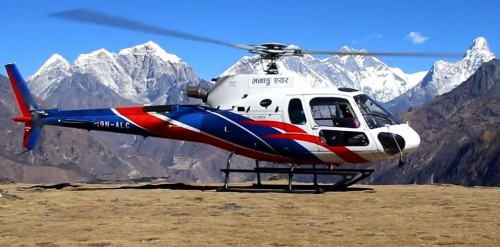
Yes. Many trekkers choose a helicopter return from Gorak Shep after visiting Everest Base Camp and Kala Patthar. This option saves several days of trekking while providing spectacular aerial views of the Everest region.
Tipping is appreciated but voluntary. The amount depends on the length of the trek, the level of service provided, and your personal satisfaction. Your trekking company can provide general tipping guidelines before the trek.
Mobile network coverage is available in many villages through Nepal Telecom (NTC) and Ncell, although signal strength decreases at higher elevations and may be affected by terrain and weather.
The Everest region features rhododendron forests, alpine meadows, juniper, and diverse Himalayan flora. Wildlife may include Himalayan tahr, musk deer, pheasants, Himalayan monal, and various mountain birds, particularly within Sagarmatha National Park.
For many travelers, the Everest Base Camp Trek is a once-in-a-lifetime adventure. Walking through Sherpa villages, crossing suspension bridges, visiting ancient monasteries, and standing beneath the world's highest mountain create memories that last forever.
Nepal Himalayas Trekking combines experienced local guides, carefully planned itineraries, quality teahouse accommodation, transparent pricing, personalized service, and a strong commitment to safety. Whether you choose a private trek, group departure, or helicopter return, our dedicated team is committed to providing an authentic and unforgettable Himalayan experience from your arrival in Nepal until the end of your journey.
Trekkers typically walk 8–15 kilometers (5–9 miles) per day, depending on the itinerary and terrain. Daily walking usually takes between 5 and 8 hours, with regular breaks for rest, meals, and acclimatization.
Yes. Nepal Himalayas Trekking offers fully customizable itineraries. You can add extra acclimatization days, include sightseeing in Kathmandu, choose luxury accommodation, return by helicopter, or combine the trek with destinations such as Gokyo Lakes or Chitwan National Park.
Yes. One of the most popular options is trekking to Everest Base Camp and Kala Patthar before returning to Kathmandu by helicopter. This option shortens the itinerary while providing spectacular aerial views of the Everest region.
Most teahouses provide blankets, but temperatures at higher elevations can drop well below freezing. A high-quality four-season sleeping bag rated for cold weather is strongly recommended for a comfortable night's sleep.
Choose waterproof, well-broken-in trekking boots with good ankle support and durable grip. Never wear brand-new boots for the first time on the Everest Base Camp Trek, as this greatly increases the risk of blisters.
Yes. Kathmandu's Thamel district has many reputable shops where you can rent sleeping bags, down jackets, trekking poles, crampons (for winter), duffel bags, and other trekking equipment at reasonable prices.
Flying drones in the Everest region requires permission from the relevant authorities. Regulations may change, so check the latest rules before your trip and always respect local communities, wildlife, and protected areas.
International roaming may work with some providers, but it is often expensive and coverage can be limited. Purchasing a local Nepal Telecom (NTC) or Ncell SIM card in Kathmandu is usually a more practical option.
During the main trekking seasons, the standard Everest Base Camp route is generally well maintained. However, weather conditions can occasionally cause landslides, snow, or trail closures. Experienced guides monitor local conditions and choose the safest route available.
If you experience severe altitude sickness, illness, or injury, inform your guide immediately. Depending on the situation, treatment may include rest, descent to a lower altitude, or helicopter evacuation if required. Comprehensive travel insurance that covers emergency evacuation is highly recommended.
While requirements may vary, Nepal Himalayas Trekking strongly recommends comprehensive travel insurance that covers high-altitude trekking, emergency medical treatment, trip interruption, and helicopter rescue.
Alcohol is available in many teahouses, but it is advisable to avoid or limit alcohol consumption at high altitude because it can contribute to dehydration and may interfere with acclimatization.
Essential items include waterproof trekking boots, layered clothing, a down jacket, sleeping bag, trekking poles, gloves, warm hat, sunglasses, sunscreen, reusable water bottle, headlamp, power bank, first-aid kit, and personal medications.
The Everest region is a protected environment within Sagarmatha National Park. Responsible trekkers should carry reusable water bottles, avoid single-use plastics where possible, dispose of waste properly, respect local customs, and follow Leave No Trace principles.
Yes, but the monsoon season (June to August) brings increased rainfall, cloud cover, and a higher chance of flight delays. Some trekkers choose this season for quieter trails, while spring and autumn remain the preferred times for most visitors.
For travel during the busy spring and autumn seasons, booking three to six months in advance is recommended. Early booking helps secure Lukla flights, experienced guides, preferred accommodation, and your preferred departure dates.
The Everest Base Camp Trek combines dramatic Himalayan landscapes, Sherpa culture, ancient monasteries, suspension bridges, glaciers, and the opportunity to stand at the foot of the world's highest mountain. Few trekking experiences offer such a combination of natural beauty, cultural heritage, and personal achievement.
Booking with a local company such as Nepal Himalayas Trekking provides knowledgeable local guides, personalized service, direct local support, and contributes more directly to Nepal's tourism economy and mountain communities.
Most packages include airport transfers, accommodation in Kathmandu, domestic flights (where applicable), trekking permits, a licensed guide, porter services, teahouse accommodation during the trek, and meals according to the itinerary. Always review the package inclusions before booking.
Nepal Himalayas Trekking is a trusted local trekking company committed to delivering safe, authentic, and memorable Himalayan adventures. Our experienced guides, carefully planned itineraries, transparent pricing, quality accommodations, and personalized customer service ensure that every traveler receives professional support from arrival in Kathmandu to the successful completion of the Everest Base Camp Trek. Whether you prefer a classic trek, luxury package, private journey, or helicopter return, we are dedicated to helping you experience the Himalayas with confidence and peace of mind.
The Everest Base Camp Trek is more than a trek—it's a life-changing journey through the heart of the Himalayas. From the thrilling flight to Lukla and the vibrant Sherpa town of Namche Bazaar to the spiritual atmosphere of Tengboche Monastery and the unforgettable sunrise from Kala Patthar, every step offers breathtaking scenery and lasting memories.
With careful preparation, the right equipment, and the support of an experienced local team, trekkers of many backgrounds can successfully complete this iconic adventure.
At Nepal Himalayas Trekking, we are passionate about sharing the beauty, culture, and hospitality of Nepal. Whether you are planning your first Himalayan trek or returning for another adventure, our experienced guides and dedicated staff are here to make your Everest Base Camp journey safe, comfortable, and unforgettable.
Ready to begin your adventure? Contact Nepal Himalayas Trekking today to customize your Everest Base Camp Trek and experience the world's most famous trekking destination with a trusted local team.
Your trek officially begins the moment you land at Tribhuvan International Airport, where our team meets you and transfers you to your hotel in Kathmandu. The rest of the day is built around preparation, not sightseeing — though if your flight lands early, there's no harm in a short walk through Thamel, the tourist quarter where most trekking shops, bakeries, and gear rental stores are clustered.
The core of Day 1 is a full gear check: we go through your packing list item by item, flag anything missing, and point you toward reliable rental or purchase options in Kathmandu if needed (down jackets, sleeping bags rated for sub-zero temperatures, and trekking poles are commonly rented here rather than carried from home). This is followed by a permit briefing, where we explain exactly what documentation you'll need and confirm everything is in order, and an introduction to your guide — for most travelers, this is your first meeting with Prakash himself, and the first chance to ask the questions that only come to mind once you're actually standing in Nepal.
Use the evening to rest. Jet lag plus a 35-minute flight at dawn the next day is not a combination you want to fight with poor sleep.
Walking: None | Overnight: Hotel in Kathmandu | Meals: Welcome dinner (if scheduled)
Tour Overview: This day tour of Kathmandu offers a glimpse into the rich history, culture, and architectural beauty of Nepal's capital. With visits to some of the Valley's most significant UNESCO World Heritage Sites, you'll explore ancient temples, stupas, and royal palaces that showcase Kathmandu's fascinating heritage. The tour is ideal for those short on time but eager to experience the soul of the city.
Itinerary:
1. Durbar Square (Kathmandu Durbar Square)
Duration: 1 hour
Highlights: Begin your sightseeing tour at the historic Kathmandu Durbar Square, the heart of ancient Kathmandu. Once the royal palace and the seat of the Malla Kings, the square is surrounded by stunning temples, shrines, and courtyards. Key attractions include the Taleju Temple, the Jagannath Temple, and the Kumari Ghar (residence of the Living Goddess).
Insight: Learn about the history of the palace, the architecture, and the significance of the temples while observing local life around the square.
2. Swayambhunath (Monkey Temple)
Duration: 1 hour
Highlights: Proceed to Swayambhunath, one of the most iconic landmarks of Kathmandu. This stupa sits atop a hill, offering panoramic views of the city. The stupa's intricate artwork and the surrounding environment of monkeys (hence the name "Monkey Temple") provide a unique atmosphere.
Insight: Hear about the ancient origins of this Buddhist stupa, its symbolism in Tibetan Buddhism, and its importance as a pilgrimage site for Buddhists.
3. Boudhanath Stupa
Duration: 1 hour
Highlights: Visit Boudhanath Stupa, one of the largest and most revered stupas in Nepal. Surrounded by numerous Tibetan monasteries, the stupa is a hub of Buddhist culture and spirituality. Walk around the stupa, known as a "kora," and witness locals and pilgrims performing their rituals.
Insight: Discover the significance of the stupa's design and the surrounding Tibetan community, along with the history of the stupa’s reconstruction after the 2015 earthquake.
4. Pashupatinath Temple
Duration: 1.5 hours
Highlights: The tour continues to Pashupatinath, one of the holiest temples for Hindus worldwide. Located on the banks of the Bagmati River, this sacred temple is dedicated to Lord Shiva. Non-Hindus are not permitted to enter the temple itself, but visitors can admire the stunning architecture from the viewing platform across the river. The nearby cremation ghats offer a glimpse into the Hindu rituals associated with death.
Insight: Learn about Hinduism, the significance of Pashupatinath as a pilgrimage site, and the traditional funeral rites performed at the ghats.
5. Optional: Thamel and Local Markets
Duration: 30 minutes
Highlights: End the tour with a visit to Thamel, a vibrant tourist district known for its shops, restaurants, and cultural exchanges. Explore the narrow streets, local shops, and vibrant atmosphere while shopping for souvenirs or enjoying a local delicacy.
Insight: Gain a taste of modern Kathmandu and how it blends with its ancient cultural heritage.
Additional Information:
Tour Duration: 4 to 6 hours (depending on traffic and time spent at each site)
Tour Type: Private or group tours available
Inclusions: Professional guide, private transportation (if selected), entry fees to monuments
Exclusions: Personal expenses, meals, tips
This half-day tour is perfect for those wanting to immerse themselves in Kathmandu's diverse culture and heritage without committing to a full-day itinerary. Whether you're an art lover, history enthusiast, or spiritual seeker, Kathmandu's rich blend of religious traditions and architectural marvels is sure to captivate you.
We prepare for our flight to Lukla early, eagerly anticipating our arrival in the magnificent Everest region. After a short and breathtaking flight, we touch down at Lukla airstrip, where the awe-inspiring mountain vistas warmly greet us, setting the tone for our enchanting mountain adventure. Exiting the airport, we swiftly prepare to embark on our trekking journey.
Today, our destination is Phakding, and we follow a gentle and effortless trail that leads us past chhortens, mani walls, and prayer flags, all of which serve as reminders of the profound influence of Buddhism in this region. Eventually, we arrive at Phakding, situated on the banks of the Dudh Koshi River, where we will spend the night.
Distance: 8km
Elevation gain/loss: +1,460m / -250m
Walking hours: 3-4 hours
Today, we will embark on our journey to Namche Bazar by entering Sagarmatha National Park. Starting from Phakding, we will follow the river and cross numerous suspension bridges along the way. After reaching the national park checkpoint at Monjo, we will proceed towards our destination.
Despite the uphill trail posing a considerable challenge, we will maintain a steady pace to make the journey more manageable. Finally, we will be greeted by the lively atmosphere of Namche Bazar, where we will spend the night.
Distance: 10km
Elevation gain: +830m
Walking hours: 5-6 hours
This day is dedicated to proper acclimatization, allowing your body to adjust to the increasing altitude while still staying active. After breakfast, enjoy a scenic acclimatization hike to the famous Everest View Hotel (3,880 m), one of the highest luxury hotels in the world. The trail offers breathtaking panoramic views of Mount Everest, Lhotse, Ama Dablam, Thamserku, and Kongde Ri, making it a perfect opportunity for photography and mountain appreciation.
After soaking in the Himalayan scenery, return to Namche Bazaar, the vibrant Sherpa capital of the Khumbu region. Spend the afternoon exploring the town’s cultural and historical attractions, including the Sherpa Museum, Sagarmatha National Park Visitor Center, local monasteries, traditional bakeries, cafés, and colorful markets selling trekking gear and handicrafts.
This well-balanced day of light hiking and exploration plays a crucial role in preventing altitude sickness and prepares you for the higher elevations ahead on the Everest Base Camp Trek.
During the fourth day of our Everest base camp trek today, we aim to reach Tengboche. The initial part of the trek involves an uphill climb, which gradually becomes less steep before descending towards a mountain stream. Once we cross the stream, the path becomes steep again as we make our way towards Tengboche.
Tengboche is a picturesque and small settlement that offers breathtaking views of the surrounding mountain peaks. The renowned Tengboche Monastery, a significant symbol of Buddhist cultural traditions in the area, is a must-visit. We will have the opportunity to explore the monastery and its surroundings before spending the night in Tengboche.
Distance: 10km
Elevation gain: +420m
Walking hours: 5-6 hours
Upon awakening to a delightful morning, we indulge in a satisfying breakfast while admiring the majestic mountains in the distance, thanks to the pleasant weather. Today, our journey takes us to Dingboche, and thus we begin our thrilling trek for the day. The path leads us through the midst of towering mountains and past the charming Pangboche village.
Along the way, we cross a mountain river, marking the start of our uphill challenge. From Pangboche onwards, the trail predominantly ascends until we reach Dingboche. This picturesque settlement is adorned with cozy tea houses and offers breathtaking views of the surrounding mountain peaks.
Distance: 11km
Elevation gain: +550m
Walking hours: 5-6 hours
Rest and acclimatization day.
Optional hike to Nangkartshang Peak for acclimatization and beautiful views.
Today will be the acclimatization day at Dingboche. You can have a full day rest or hike around the near places. Normally we hike to Chhukum and back to tea house for Overnight.
We will arrive at our lodging for the night in Lobuche after traversing a challenging mountain path adorned with glacial moraine, massive boulders, and barren scenery. The trail treats us to mesmerizing vistas of majestic mountains. As we ascend, our pace gradually slows down due to the diminishing oxygen levels in the atmosphere.
To acclimate to the high-altitude climate, we make a conscious effort to maintain a gentle walking speed. Along the way, we pass by Thukla, where numerous memorial Chhortens catch our attention, before finally reaching Lobuche for our overnight stay.
Distance: 11km
Elevation gain: +530m
Walking hours: 5-6 hours
Today, we plan to embark on a trek to the Everest base camp. We rise early in the morning, have our breakfast, and swiftly prepare ourselves for the day's adventure. Filled with anticipation of reaching the Everest base camp, we commence our trek.
Upon reaching Gorakshep, we pause for lunch. Gorakshep will also serve as our accommodation for the night, so we check into our lodge.
Following our meal, we gear up to continue our trek towards the Everest base camp. A gradual ascent along a path scattered with boulders leads us to the magnificent base camp of the world's highest mountain. We relish our time there, capturing moments and making the most of our visit. Eventually, we make our way back to Gorakshep to spend the night.
Distance to EBC: 7km
Elevation gain to EBC: +190m
Walking hours to EBC: 3-4 hours
Today, we have an early wake-up call as we need to begin our hike to Kalapatthar before sunrise. The challenge of hiking uphill in the early morning is well worth it when we are rewarded with a breathtaking panoramic view of Mt. Everest and the surrounding mountains. Watching the sunrise over these majestic peaks turns this place into a magical wonderland where we can truly appreciate the marvels of the mountains.
Afterward, we make our way back down to our lodge in Gorakshep for breakfast before continuing our trek to Pheriche, our destination for the day. Having experienced the wonders of Everest Base Camp and Kalapatthar, we are now on our return journey towards Lukla.
Distance to Kala Patthar: 2km
Elevation gain to Kala Patthar: +375m
Walking hours to Kala Patthar: 2-3 hours
After breakfast, the trail goes down through a forest with pine, rhododendron, Jupiter, and some few magnolia and birch trees with a great memory after crossing the suspension bridge over the Dudh Koshi river trek onwards to the Sanasa and re-trek to Namche Bazaar for staying overnight.
Distance: 14km
Elevation loss: -1,200m
Walking hours: 6-7 hours
Today, we will return to Lukla to conclude our trekking expedition. Along the trail, we will pass by Phakding village and cross paths with the DudhKoshi River before finally arriving at Lukla.
This marks the last day of our trek, and we can rejoice in the magnificent adventure we have experienced. Furthermore, we bid farewell to our trekking porters today, expressing our gratitude for their invaluable assistance in making our journey a success.
Distance: 18km
Elevation loss: -1,440m
Walking hours: 6-7 hours
We rise early in the morning to catch our flight back to Kathmandu. We bid farewell to the tranquil and awe-inspiring mountains and embark on our journey to return to the bustling city life. The remainder of the afternoon in Kathmandu offers a leisurely opportunity.
Exploring the vibrant streets of Kathmandu, indulging in souvenir shopping, seeking a rejuvenating massage, or simply unwinding at the hotel are all effortless ways to pass the time.

| SN | Start Date | Trip Duration | Cost Per Person | Availability | Join Group |
|---|---|---|---|---|---|
| 1 | 2026-08-03 | 14 Days | USD 1690 | Available | Book Now |
| 2 | 2026-08-07 | 14 Days | USD 1690 | Available | Book Now |
| 3 | 2026-08-16 | 14 Days | USD 1690 | Available | Book Now |
| 4 | 2026-08-20 | 14 Days | USD 1690 | Available | Book Now |
| 5 | 2026-08-23 | 14 Days | USD 1690 | Available | Book Now |
| 6 | 2026-08-25 | 14 Days | USD 1690 | Available | Book Now |
This trek to Everest Base Camp is moderately challenging and involves a few strenuous climbs, and the trek goes up to an elevation of 5545 high.
The expedition to Everest Base Camp envelops you in the rich tapestry of Sherpa traditions, particularly within the vibrant hamlets of Namche Bazaar and Tengboche. We will get a lot of insights in places like Tengboche Monastery and the Sherpa Museum in Namche Bazaar.
The trek usually takes about 12-14 days, including acclimatization days. The standard itinerary is approximately 8 days to ascend to EBC and 3-4 days to return to Lukla.
The cost can vary widely, ranging from $1,590 to $3,000 per person. This includes permits, guides, porters, accommodation, meals, and flights to and from Lukla.
The Everest Base Camp route starts with the flight to Lukla from Kathmandu and leads towards Namche through Phakding. We will pass through Tengboche, Dingboche, Lobuche, and Gorak Shep before stepping into the grandeur of Everest Base Camp. We will retrace the same path while returning.
It's advisable to carry around $300-$500 in cash for personal expenses, including snacks, drinks, tips, and souvenirs. ATMs are rare along the trail, so bring enough cash from Kathmandu.
The Government of Nepal does not allow solo trekkers to enter the trek to Everest Base Camp due to the unprecedented demise of a few solo trekkers. To ensure the safety and enhanced experience, Nepal Himalayas Trekking also does not advocate solo trekking to the Everest Base Camp.
Yes, a good quality sleeping bag rated for -10°C to -15°C (14°F to 5°F) is recommended for the trek as temperatures can drop significantly at night.
Teahouses provide basic but cozy and clean twin-bed rooms with shared bathroom facilities. Some might offer hot showers for a minimal fee. While the meals will consist of the Nepali dal bhat, momo, pasta, pancakes, etc, during the trek.
Travel Insurance helps in covering medical emergencies in higher altitudes. It also helps in high-altitude evacuation and helps refurbish the lost or damaged gears and luggage. Very the policies before buying one.
Trekkers typically do not spend the night at EBC itself. They usually stay at Gorak Shep, the last settlement before EBC, and make a day trip to the base camp.
There is no specific weight limit, but being in good physical condition is important. Porters typically carry loads up to 20-25 kg (44-55 lbs) for trekkers.
Yes, you can trek solo, but hiring a guide or joining a group is recommended for safety and support.
Many trekkers find the journey and the views of the Himalayas, including Everest, to be incredibly rewarding and a once-in-a-lifetime experience.
No, you don't need a tent as trekkers stay in teahouses along the route.
Basic toilets are available at the teahouses and lodges along the trek. Facilities at EBC itself are very basic.
Some teahouses offer hot showers for an additional fee, but the availability decreases as you ascend.
Supplemental oxygen is not typically required for EBC, but it's essential to acclimatize properly to avoid altitude sickness.
Altitude sickness is common. Trekkers should take it seriously, acclimatize properly, and be aware of the symptoms.
No, the death zone is considered to be above 8,000 meters (26,247 feet). EBC is at 5,364 meters (17,598 feet).
Temperatures can drop to -20°C (-4°F) or lower at night during the trekking seasons.
Trekkers typically do not sleep at EBC. The base camp is mainly used by climbers attempting to summit Everest.
Climbers stay at EBC for several weeks to acclimatize and prepare for their summit attempt.
It can be crowded, especially during peak trekking seasons (spring and autumn).
The trek is generally safe if proper precautions are taken, but risks include altitude sickness, weather conditions, and injuries.
This depends on personal preferences. Kilimanjaro is a shorter but steeper trek, whereas EBC offers a longer cultural and scenic experience.
The best months are March to May (pre-monsoon) and September to November (post-monsoon).
Trekkers typically walk 5-7 hours per day.
This question is similar to question 4. The cost varies between $1,590 to $3,000 per person.
Summer is the monsoon season in Nepal, bringing heavy rains, increased avalanche risk, and poor visibility.
The extreme altitude, harsh weather conditions, and difficult terrain make body retrievals dangerous and expensive.
The high altitude and unpredictable weather conditions make it dangerous for commercial flights to fly over Everest.
Stable weather and moderate temperatures
Blooming rhododendron forests
Crystal-clear views of Mount Everest and surrounding peaks
Ideal climbing season atmosphere at Base Camp
Clearest skies of the year
Crisp mountain air and excellent visibility
Peak trekking season in the Sagarmatha National Park
Comfortable daytime temperatures
Winter (Mid-December–February) is colder but quieter, while the Monsoon (Mid-June–August) brings lush greenery but limited mountain views and flight disruptions.
Note: Still, a few tourists are doing the Everest Base Camp Trek in Mid-December to February and Mid-June to August, & We, Nepal Himalayas Trekking Company, are also available to book your Trek on that time.
Altitude is the biggest challenge of the Everest Base Camp Trek.
Acute Mountain Sickness (AMS) risk increases above 2,500 meters
Everest Base Camp sits at 5,364 meters
Kala Patthar rises to 5,545 meters
Namche Bazaar (3,440m)
Dingboche (4,360m)
These acclimatization days are carefully built into Nepal Himalayas Trekking itineraries to reduce AMS risk. Proper hydration, gradual ascent, and professional guides are crucial for safety.
To enter the Everest region, trekkers must obtain:
Sagarmatha National Park Entry Permit
Khumbu Pasang Lhamu Rural Municipality Entrance Permit
The total cost is approximately USD $50–$60 combined, subject to updates by authorities.
Nepal Himalayas Trekking arranges all permits and logistics, ensuring a hassle-free trekking experience.
Trekking to Everest Base Camp is a long and tough journey. Good food, clean drinks and solid accommodation keep you healthy and strong. Nepal Himalayas Trekking plans them for you step by step.
You eat most meals in tea houses along the trail. Tea houses are small lodges run by local families. They serve simple, filling food.
What you eat
• Dal bhat (rice with lentils and vegetables or meat)
• Noodles and pasta
• Soups and sandwiches
• Omelets, pancakes
• Local Sherpa and Tibetan dishes
Meal tips
• Eat big breakfasts before long hikes
• Choose high-carb meals for energy
• Drink soups at high altitude for warmth
Food cost
• Breakfast: NPR 300–600
• Lunch: NPR 500–900
• Dinner: NPR 700–1,200
Prices vary with altitude and location.
Drinks on the Trail
Hydration matters at high altitude. Drink clean water and fluids throughout the day.
Water
• Boiled water: NPR 100–200 per liter
• Filtered water: NPR 150–250 per liter
• Water refills available at teahouses
Hot drinks
• Tea or coffee: NPR 200–400
• Hot chocolate: NPR 300–500
Energy drinks and juices
• Juice: NPR 200–400
• Energy drink: NPR 300–600
Tip for clean water
• Use water purification tablets or filter
• Ask tea house before filling bottles
Accommodation Along the Trek
You stay in tea houses at every stop. These are simple lodges with basic rooms and shared bathrooms.
Room types
• Twin or double rooms
• Shared bathrooms
• Hot shower (extra cost)
Typical nightly cost
• Lower elevations (Lukla to Namche): NPR 800–1,500
• Mid elevations (Tengboche to Dingboche): NPR 1,200–2,500
• High elevations (Lobuche to Gorak Shep): NPR 2,000–4,000
Room features
• Bed with blankets and pillows
• Shared heating in dining area
• Solar or generator lighting
Tips for accommodation
• Rooms fill fast in peak season
• Carry warm sleeping bag
• Book ahead with your trek operator
Meal and Room Package
Nepal Himalayas Trekking includes breakfast and dinner in most teahouses on our EBC packages. This reduces daily spending and ensures proper nutrition on tough days.
Daily Budget Estimate
• Food: NPR 1,200–2,000
• Drinks: NPR 500–1,000
• Accommodation (if not included): NPR 1,200–3,000
• Daily total: NPR 2,900–6,000 (USD 25–50)
Why This Matters
• Proper meals keep energy high
• Clean drinks prevent sickness
• Warm accommodation aids recovery
• Planning cuts stress on long days
Stay nourished, hydrated and rested on your Everest Base Camp Trek. Nepal Himalayas Trekking manages food, drinks and lodges so you focus on the trail ahead.
Payment planning is critical for the Everest Base Camp Trek. The higher you go, the fewer payment options you find. Nepal Himalayas Trekking always advises trekkers to prepare cash properly before leaving Kathmandu.
Cash is King on the EBC Trek
Cash remains the primary payment method on the Everest trekking route.
You will need cash for:
• Meals and drinks
• Charging devices
• Hot showers
• WiFi
• Snacks and bakery items
• Tips for guide and porter
• Extra nights due to weather delay
Most teahouses, especially above Namche, accept only Nepalese Rupees.
ATM Availability on the Everest Route
ATMs are limited.
You find ATMs in:
• Lukla (sometimes unreliable)
• Namche Bazaar (limited cash supply)
There are no ATMs beyond Namche Bazaar.
Important facts:
• ATMs often run out of cash in peak season
• Machines may not work due to internet issues
• Withdrawal limits apply
• No ATM access in Dingboche, Lobuche, or Gorak Shep
Nepal Himalayas Trekking strongly recommends withdrawing sufficient cash in Kathmandu.
Card Payments on the Trek
Card payment is rare in the mountains.
You may find limited card facilities in:
• Lukla
• Namche Bazaar
However:
• Card machines depend on satellite internet
• Connection failures are common
• Many lodges add 3% to 5% service charge
• No card payments above Namche
Do not rely on credit or debit cards after Namche.
Money Exchange on the Route
Money exchange is available in:
• Namche Bazaar
Exchange rates are higher than Kathmandu. Always exchange money before flying to Lukla.
How Much Cash to Carry?
If your trek package includes accommodation and meals, you mainly need cash for personal expenses.
Recommended cash for 12–14 days trek:
• USD 200–400 equivalent in NPR
This covers:
• Lunches and drinks
• Charging and showers
• Snacks and extra comforts
• Tips
If trekking independently, carry more based on your daily budget.
Currency to Carry
Carry Nepalese Rupees only.
Do not depend on:
• USD payments in remote villages
• Foreign currency exchange above Namche
Break large notes in Kathmandu. Smaller bills are easier to use.
Online Transfers During Trek
Internet access exists in some villages via paid WiFi.
However:
• Signal is slow
• Bank transfers are not practical
• Mobile banking may not function properly
Complete all major payments before departure.
Tipping Payment
Tips are paid in cash at the end of the trek.
Standard guideline:
• Guide: USD 10–15 per day
• Porter: USD 8–12 per day
Prepare this amount in small denominations.
Emergency Cash Buffer
Weather delays are common in Lukla flights.
Carry extra cash in case of:
• Extra accommodation nights
• Helicopter upgrade
• Additional meals
Nepal Himalayas Trekking always monitors flight schedules and assists during delays.
Smart Payment Strategy for EBC Trek
Before flying to Lukla:
• Withdraw enough NPR in Kathmandu
• Break large notes
• Keep an emergency reserve
• Do not depend on ATMs or cards
This ensures a smooth trekking experience without financial stress.
The trek begins with a flight to Lukla Airport, officially known as Tenzing-Hillary Airport.
Due to unpredictable mountain weather:
Flights are frequently delayed or cancelled
Morning departures are common for better visibility
It is strongly recommended to add 1–2 buffer days to your itinerary, especially if you have international flights after the trek.
The average Everest Base Camp Trek cost ranges between:
USD $1,590 to $6,000+
Price depends on:
Group vs. private trek
Guide and porter services
Accommodation type (standard vs. luxury)
Domestic flights
Meals and additional services
Nepal Himalayas Trekking offers transparent pricing with no hidden costs.
Proper gear is critical for a safe and comfortable trek.
Strong, broken-in hiking boots
Down jacket
Sleeping bag (rated for -15°C)
Trekking poles
Thermal layers
Daytime: Around 10°C
Nighttime (higher elevations): Down to -15°C
Physical preparation with cardio and endurance training is recommended 6–8 weeks before departure.


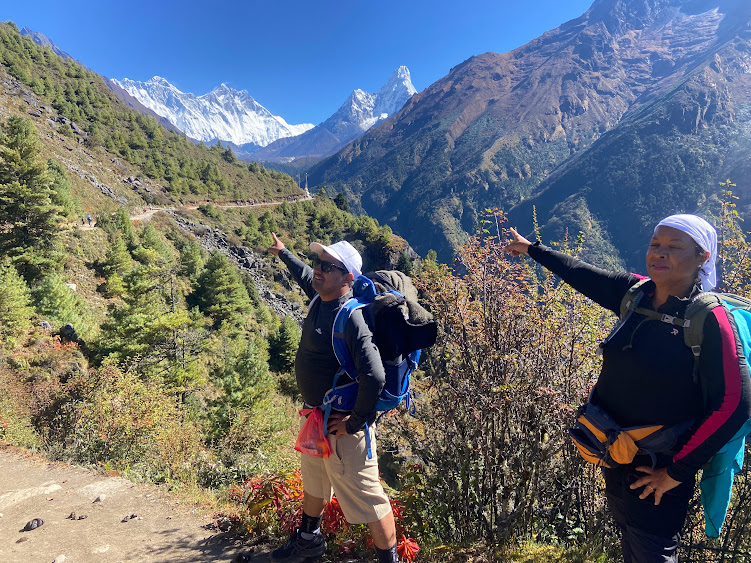
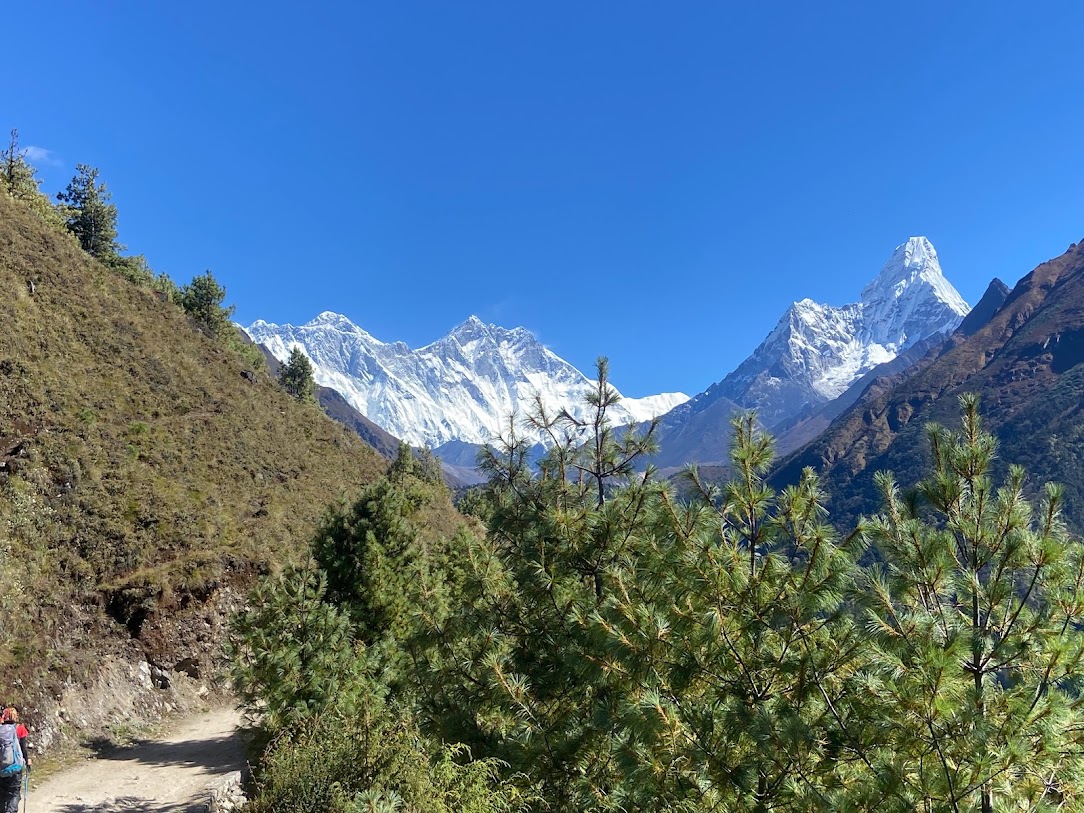
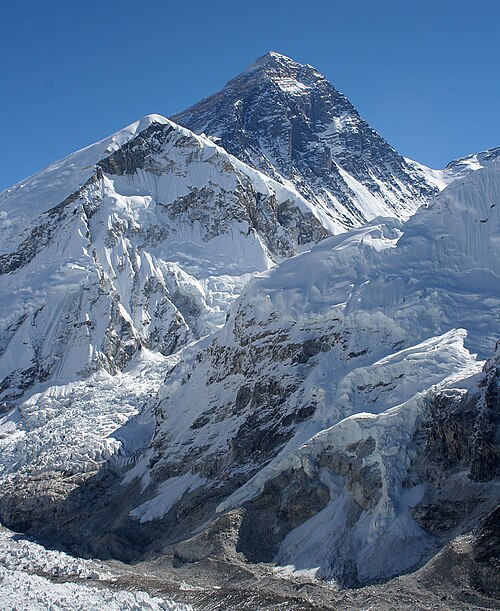

We are new couple from India. This is kind of our Honeymoon trip in Nepal. Mr. Prakash has organized Everest base camp trek in end of may with his experience trekking guide & porter. We are extremely satisfied from our lovely & helpful trekking guide & sherpa. Thank you very much Nepal Himalayas Trekking company make us unforgettable journey in Nepal for our honeymoon trip.
Show More
I recently had the pleasure of booking the Everest Base Camp Trek through NepalHimalayasTrekking.com, and I am absolutely thrilled with the entire experience. From start to finish, this journey was made seamless by the user-friendly website and the outstanding service provided by the team. The owner, Guide and porter have a great friendly attitude. The booking process on the NepalHimalayasTrekking.com website was a breeze. Navigating through the options and selecting the Everest Base Camp Trek package was intuitive and hassle-free. The site's layout is well-designed, and it's evident that great care has been taken to ensure a smooth user experience. Upon completing the booking, I was filled with anticipation, and the actual trek exceeded all expectations. The professionalism and attention to detail displayed by NepalHimalayasTrekking.com were truly commendable. The guides were not only knowledgeable about the trek but also incredibly friendly and supportive, making the journey even more enjoyable. What stood out to me during the trek was the stunning natural beauty of the Everest region, and I am grateful to NepalHimalayasTrekking.com for providing me with the opportunity to witness such breathtaking landscapes. The accommodations and logistics were well-organized, allowing me to fully immerse myself in the experience without any worries. I am delighted to say that I am highly satisfied with the services provided by NepalHimalayasTrekking.com. The team's dedication to customer satisfaction is evident, and it significantly enhanced my overall enjoyment of the trek. The memories I have gathered during this journey will stay with me forever. In conclusion, I wholeheartedly recommend NepalHimalayasTrekking.com to anyone seeking an unforgettable trekking experience in the Himalayas. The easy booking process, excellent service, and remarkable adventure make this site a top choice for all travel enthusiasts. I am grateful for the memories created and am excited to share my positive experience with others. Don't hesitate to book your next adventure with NepalHimalayasTrekking.com – you won't be disappointed!
Show More
Me & My friend successfully reached to Everest Base Camp in 2024, April. Our Everest Base Camp Trek is organized by Nepal Himalayas Trekking Company. Mr. Prakash, The owner of this Trekking Company offers affordable costs. We agree with his cost and included services. We are very satisfied with this Trekking Company in Nepal.
Show More
We are two people from Germany just arrived at Kathmandu after our 14 Days Everest base camp trek with Nepal Himalayas Trekking. This is our first trip in Asia after Covid 19. Actually we don't know how to travel to Nepal? and such Popularity of Everest base camp trek in Nepal. When we have found about this Everest trek Package in internate and then we have confirmed this EBC trek with Nepal Himalayas Trekking. The owner of this company called Mr. Prakash replied all details with a day & offer very reasonable cost for this 14 days Everest base camp trek in Nepal. We are very happy and going to recommend our all friends to this trekking company in Nepal.
Have a good day.
Thanks
Luigso & Lani
Show More
Just wanted to thank the team at Nepal Himalayas Trekking Pvt. Ltd for their super helpful advice. The trip Everest base camp trek, we booked went smoothly and the local guides were amazing! For sure, We will come back again for Manaslu trek in the Nepal. And then we will again book with Nepal Himalayas Trekking. They are highly recommend and trust worthy in the Nepal.
Show More
It was an absolute pleasure booking through Nepal Himalayas Trekking Pvt. Ltd - seamless every step of the journey of Everest base camp trek with this trekking company in September in 2022. The owner Mr. Prakash Lamsal of Nepal Himalayas Trekking offered very reasonable cost for Everest base camp trek.
Thanks
Susan
Show More
We have booked 14 days Everest base camp trek with Nepal Himalayas Trekking. This Trekking company well operates.
100% recommend this Nepal Himalayas Trekking company and above all recommend Rishi as a guide! He’s truly a really great guy and a wonderful ambassador for Nepal!
Show More
We are 6 people in total. Among 6 person, others 4 people decided to go Annapurna base camp trek. But I & my wife agree to go Everest base camp trek. Actually we couldn't fly directly to Lukla from Kathmandu because of Air traffic. We drive to Rame Chhap and fly to Lukla. Omg, Lukla Airport is very short & wonderious. Rest of this we have wonderful time in Everest region. Our Guide & Sherpa helps lot. During our Everest base camp trek, weather also very fantastic. We are able to see the great view with very unique Sherpa culture.
Show More
Overall a great hike and a great experience. The hike itself is pretty easy, but the difficulty is the altitude. If you book a guided tour, your itinerary may vary, but is largely the same. From Lukla he arrives at his bazaar after two days of hiking, a day of acclimatization and a trek to his view point of Everest. You can then trek to Tengboche, visit the monastery and attend the monks' afternoon prayers. Arrive in Dingboche the next day for another acclimatization day. Trek through the forest to Dingboche. If it's not raining, you'll walk the dusty trails with many other trekkers, porters and transport animals, enjoying beautiful views of the valley and Dudkosi River. Especially when crossing various suspension bridges. After Dingboche the forest thins and we trek to Lobuche and then Gorak Shep and Base Camp seeing and trekking through vast spaces with stunning views of the majestic Himalayas. Me and my guide Prakash usually started the hike around 8am, reached the daily destinations around noon, rest rested and went to bed around 8Pm. It was very difficult as I felt sick during the hike. Because of the high altitude and the high breathing rate and the amount of water you carry, it's best to drink mainly warm water and wear a buff or mask in the very cold air. Drinking it can make your throat hurt. I went trekking with a guide & Porter. The Porter (Sherpa) carried most of my luggage and almost all of my belongings at higher altitudes. I can only recommend anyone trekking anywhere in Nepal to get a guide so you don't have to worry about flights, permits, where to sleep, etc. And having someone memorize the hike can save lives in more remote areas. It was a big plus to be able to leave money in a poor country and help the local people. I highly recommend Nepal Himalayas Trekking agency & the guide who sent me on the trek with me. Mr. Prakash is a very positive 33 year old who cheered me up and taught me about the mountains around me and the history of climbing. He has been in the trekking business for over 12 years and knows all the treks around Nepal and can plan treks just like the company does
Show More
That was surely some uphill for the first hour. Then the glorious Nepalese flat the rest of the way.
Show More
I and my friend are on an official 15 day vacation and took part in this Everest base camp trip organized by Nepal Himalayas Trekking. We really enjoyed this Everest base camp hike and the mountains are magical & incredible. We were lucky that the weather was open every day. We decided to stay another day in Kathmandu while visiting the world heritage sites. We loved our trek and would like to recommend Nepal Himalayas Trekking company to anyone looking to trek in Nepal.
Show More
Really great memories from the Everest base camp trek. We are super lucky to get fantastic weather in during this Everest base camp trek. Mr. Prakash offered this trek with afforadble cost. And he provides the experience government license holder trekking guide and very helpful Sherpa (Porter) to carry our bags. Much more thankful to Prakash for everything in the Everest region. We wish we knew about Nepal Himalayas Trekking agency earlier, Because of our friend recommend to this trekking company in Nepal before arrival. Now that we knew them, We are going to recommending them to everyone who asks for Nepal trek packages.
Thank you very much Prakash.
You are really super and highly trustworthy.
Show More
We are so grateful with Nepal Himalayas Trekking and Mr. Prakash. Nepal Himalayas Trekking company oraganized 14 days Everest base camp trek for us. The Everest base camp trek was incredible, We are more than happy and lucky to get such lovely guide Dasharath, who was energetic and friendly. Everything was simply the best. Nepal Himalayas Trekking company is highly recommended and trustworthy trek and travel agency in Nepal. We have memoraible time in Everest region and for sure will come back for Manaslu trek in next year.
Thank you very much Prakash.
We missing lots about Everest base camp trek in Nepal.
Show More
We are a couple from South Korea. We did 14-day Everest Base Camp Trek from Nepal Himalayas Trekking. We enjoyed lots. Our Guide and Sherpa are very helpful and kind. We are more than happy from his hospitality. Thank you very much, Mr. Prakash. You and your company Nepal Himalayas Trekking are highly recommended and trustworthy in Nepal.
Have a wonderful time
Show More
Me and my girlfriend traveled to Nepal in December 2023. We have booked our 14 Days Everest Base Camp Trek with Nepal Himalayas Trekking company. In the street of Thamel, we have found this Nepal Himalayas Trekking Agency is more reliable, affordable and punctual. Mr. Prakash is always available to give all answers of our questions.
Thank you very much for your great hospitality. You guys are really recommended and trustworthy trekking agency in Nepal.
Thanks
Mohamadh
Show More
We have holidays in the end of December. Me and my friend just finished Everest Base Camp Trek 14 Days in the end of December. Our trek was organized from Nepal Himalayas Trekking. During the Everest Base Camp Trek, we have very helpful trekking guide. His name is Lhakpa Sherpa. The weather was fantastic. Nepal Himalayas Trekking Company offer affordable cost for 14 Days Everest Base Camp Trek in Nepal. From first day they provide great hospitality. We have memorable and unforgettable time in the Everest region.
Thank you very much Nepal Himalayas Trekking and our guide Lhkpa. We are going to recommend to you and will visit again for Annapurna Base Camp trek in 2025.
Thanks
Siko
Show More
Me and my friend just arrived at Kathmandu after our incredible Everest Base Camp Trek. Before arrival to Nepal, we have booked our 14 days Everest Base Camp Trek with Nepal Himalayas Trekking Company. When we emailed, within a day Mr. Prakash, who is the owner of Nepal Himalayas Trekking Company replied with all the details. They offer reasonable cost, where already included English Speaking Trekking Guide and Sherpa to carry our bags.
We are very Satisfied. Thank you very much Nepal Himalayas Trekking. You are really highly recommend and trustworthy trekking agency in Nepal.
Thanks
Anna
Show More
We are 4 people from Hong Kong. We finished our Everest Base Camp Trek in the end of October in 2023. Trek was booked by Nepal Himalayas Trekking Company. Mr. Prakash, the owner of the trekking company offers a quite reasonable cost for 14 Days Everest Base Camp Trek in Nepal. We are really satisfied with Nepal Himalayas Trekking Company in Nepal.
Thank you very much for your great hospitality. We will see you soon again in Nepal.
Have a good day.
Thank you
Mr. Ben Koh
Show More
I had the pleasure of taking a 14-day Everest Base Camp Trek with Nepal Himalayas Trekking. The trip was arranged from Katmandu and they helped arrange transport to Ramechhap, stayed there, and helped me buy/rent the equipment I needed for the trek. They really understand what's required and help along the way provide WhatsApp messages to help along the way.
A friend and I took the 14 day trek with one of their very experienced guides Bharat who has 20+ years of experience doing guided trips all over the mountains of Nepal. Bharat was fantastic, it was physically quite demanding as I am not used to this level of trekking but he knew the best places to stop for a break, could answer all our questions along the way, and chose good places to stay each night. I'd like to thank Bharata and the Nepal Himalayas Trekking team for a wonderful experience.
Thank you very much for your great hospitality for Everest Base Camp Trek in Nepal. We will again visit Nepal and will use the same company for Manaslu Circuit Trek in 2025.
Thanks
Kennedy
Show More
It was an outstanding Everest Base Camp Trek in the Everest Region in December with the team of Nepal Himalayas Trekking. During the Everest Base Camp Trek, we explore in the beautiful Sherpa Village. There are incredible view of white snow Mountains. We are very lucky to get very helpful, kind and innocent. They always help me.
Our guide Mr. Lhakpa was never too tired to give all the answers to these questions. During the Everest Base Camp Trek, the guide always suggests about altitude sickness and many more others. Our trek was organized by Nepal Himalayas Trekking where we met Mr. Prakash, he is owner of this Trekking agency.
Thank you very much for your great hospitality. It was really great time in the Everest Region. There are some cold but this Nepal Himalayas Trekking Team always makes us hot. You are truly recommended trekking agency in Nepal. We will see you again.
Thanks
Elisa
Show More
I am a single (Solo) Traveler from France. I have booked 14 14-day Everest Base Camp Trek with Nepal Himalayas Trekking Company. This Trekking Company offers affordable costs for the Everest Base Camp Trek in Nepal in 2023. They provide the perfect Trek Itinerary with their professional Trekking Guide and porters.
I am very satisfied with Nepal Himalayas Trekking in Nepal. I am going to recommend and will use again same company for my next year's trips.
With Best Regards
De Badis.
Show More
I am a single (Solo) Traveler. Nepal Himalayas Trekking Company organized my 14-day Everest Base Camp Trek in Nepal in October. It was great and memorable time in the Everest Region. I am very lucky to get such a helpful and innocent trekking guide for my the Everest Base Camp Trek in Nepal.
Thank you very much Prakash for everything. You make my dream true in Nepal. Definitely, I will recommend my friends about your great services.
With Best Regards
Andrej from Slovakia
Show More
Me and my boyfriend recently embarked on a life-changing journey to the Everest Base Camp, and our experience was made even more memorable by the exceptional professionalism and kindness of our Guide Mr. Lhakpa and Porter (Sherpa) Phuri. Thank you very much Mr. Prakash owner of Nepal Himalayas Trekking organized our Everest base Camp Trek in 2023.
Their unwavering dedication to ensuring our safety and comfort throughout the trek was truly commendable. Our Trekking Guide Lhkpa has extensive knowledge of the terrain. They went above and beyond to accommodate our needs, making us feel supported and motivated every step of the way. We are immensely grateful for their expertise and kindness, which elevated my Everest Base Camp trek to an unforgettable experience.
Probably Nepal Himalayas Trekking is the best and most trustworthy trekking agency in Nepal for the Everest Base Camp trek.
Thanks
Suzette and Paul.
Show More
The Spectacular Everest Base Camp Trek was organized by the Nepal Himalayas Trekking. The trek to Everest Base Camp was very well organized. We were set up with guides and porters who were very experienced, helpful, and trustworthy. The guides kept an excellent pace during the trek in the Everest Region.
They showed concern for our health and safety. They went out of their way to provide help. We are very lucky. During our Everest Base Camp Trek, the weather was perfect and sunny day. The views are incredible. How lovely and innocent Sherpa people from Lukla, Namche Bazaar. For sure this experience is to lifetime experience for us.
Many thanks to Nepal Himalayas Trekking Company and our Guide Om Kumar.
Your Best Regards
Lilian and Sima
Show More
We are a couple from Italy. We have found Mr. Prakash in YouTube. He has a great video in YouTube for Trekking in Nepal. After video watching we contacted him on WhatsApp. Within a couple of hours, he replied with details of the Everest Base Camp Trek and 2 night 3 Days Jungle safari. And he offers quite a reasonable cost for the Everest Base Camp Trek and Jungle safari.
From the first day, we got great services till to our last day in Nepal. They welcome warmly and provide an experience, lovely, and innocent Trekking Guide for the Everest Base Camp Trek in November.
Thank you very much, Prakash. you and your company Nepal Himalayas Trekking is really highly recommend and reasonable trekking agency in Nepal.
With Best Regards
Flavia from Italy.
Show More

Me and my friend booked Everest Base Camp Trek 14 Days with Nepal Himalayas Trekking. Mr. prakash offer a reasonable cost for this trek in the Everest region. Our Everest Base Camp Trek was amazing with this Nepal Himalayas Trekking Company. We did this trek the end of february. There are some cold but our guide and Porter help us. They are very friendly and kind.
We will again visit to Nepal and visit the same trekking company in Nepal for our upcoming trips.
Thanks
Hubert
Show More
My guides, Ok Kumar Chhetri and Phuri, were incredibly competent and friendly, which made my recent trip to the Everest Base Camp. —a life-changing experience—even more memorable. Their steadfast commitment to making sure we were comfortable and secure during the hike was quite admirable. The walk was a happy and rewarding experience because of OM Kumar's in-depth familiarity of the area and Phuri's kind and considerate personality. They went above and above to meet our needs, which inspired and supported us at every turn. I am incredibly appreciative of their knowledge and generosity, which made my hike to Everest Base Camp an amazing experience.
Our Everest Base Camp Trek is organised by Nepal Himalayas Trekking Company. Thank you very much for your great hospitality. It was really great time in Nepal.
Thank you
Luke
Show More
Nepal Himalayas Trekking Company arranged for this Everest Base Camp Trek in Nepal in 2024. This Everest Base Camp Trek was expertly planned. Our Trek Guide is incredibly knowledgeable, accommodating, and reliable. They collaborated with Crystal Mountain. Throughout the Everest Base Camp hike, the guides maintained a fantastic pace. They expressed worry for our well-being and security. They made a special effort to assist. The ideal instance is when I chose to pause in the middle of a bridge to take a picture and misplaced my trekking pole.
We were unable to see the trekking pole, so I had no idea where it was. We couldn't tell, but I figured it dropped into the river below. I carried on with the hike, and an hour. Mr. Prakash Lamsal, the owner of Nepal Himalayas Trekking showed us great hospitality during out the Everest Base Camp Trek in Nepal.
Thank you very much
Rameses and Rama
Show More
Me and my girlfriend from Ireland. Before arriving in Nepal, we booked the Everest Base Camp Trek with Nepal Himalayas Trekking. When we inquire about the Everest Base Camp Trek with Nepal Himalayas Trekking. Within an hour Mr. Prakash replied to us with all the details and offered an affordable cost for this trekking in Nepal.
From the arrival day, Nepal Himalayas Trekking Company provides great hospitality. During our trek, we enjoy lots and explore in the beautiful Sherpa village including Khumjung Village. The views are incredible. Our Guide and Porter are very helpful.
Thank you very much Nepal Himalayas Trekking Company for your great hospitality for our Everest Base Camp Trek in March in 2024. For sure will visit again in Nepal and will use the same company.
Have a good day
Steven and Ille
Show More
We are 4 people of a group from different Country. Nepal Himalayas Trekking Company offers an affordable cost for the Everest Base Camp Trek in March and they open the event for this Trek. Before arrival to Nepal, I dodn't know how many people will travel with me for the Everest Base Camp Trek. After pick up from the Airport, Mr. Prakash, the owner of Nepal Himalayas Trekking explained everything for the Everest Base Camp Trek.
After 20 Minutes drive we arrive at Thamel Grand Hotel. And finally, I knew, there were 4 people in my group. Nepal Himalayas Trekking Company provides an Experienced trekking guide Mr. Ok Kumar Chhetri and 2 Porters Mr. Lhakpa Sherpa and Phuri Sherpa. They all are very helpful and kind. During our Everest Base Camp Trek, we have a chance to explore in the beautiful Sherpa Village and see the incredible white snow mountains including Mount Everest.
Thanks lot.
Zon
Show More
I recently completed the Everest Base Camp (EBC) trek in June with the Nepal Himalayas Trekking Company, and the experience was nothing short of extraordinary. Here’s an in-depth review covering various aspects of the trek and the services provided by the trekking company.
The booking process with Nepal Himalayas Trekking Company was seamless. Their website is user-friendly, and they provide detailed information about the trek, including itinerary, costs, and what to expect. The customer service team was prompt in answering my queries, helping me prepare adequately for the journey.
Upon arrival in Kathmandu, I was warmly welcomed by a representative from the company. They organized a pre-trek briefing, which was very informative. The briefing covered everything from trekking routes to altitude sickness, ensuring we were well-prepared and aware of potential challenges.
The guides provided by Nepal Himalayas Trekking Company were exceptional. Our main guide, Raj, was knowledgeable, experienced, and always ready to assist. He shared fascinating insights about the local culture, geography, and history. The porters were equally remarkable, carrying heavy loads with unwavering stamina and always wearing a smile.
Accommodations during the trek were as expected for such remote areas—basic but comfortable. Tea houses were clean, and the staff were friendly and hospitable. Meals were hearty and delicious, providing much-needed energy for the daily hikes. The company ensured we had safe drinking water throughout the trek, which was crucial for maintaining health.
Show More
In April 2024, I embarked on the Everest Base Camp Trek with Nepal Himalayas Trekking, owned by the exceptionally experienced and friendly Mr. Prakash Lamsal. This journey turned out to be an adventure of a lifetime, filled with breathtaking landscapes, enriching cultural experiences, and impeccable service.
From the moment I booked the trek, Mr. Lamsal and his team were incredibly supportive. They provided detailed information about the itinerary, packing list, and necessary preparations. The communication was prompt and clear, which reassured me that I was in good hands.
Thank you very much Nepal Himalayas Trekking Team. For sure will recommend my all interested friends about you and your Company.
Show More
The Everest Base Camp Trek with Nepal Himalayas Trekking was a life-changing experience. From the very beginning, the service provided by the team was exceptional. Mr. Prakash Lamsal, the owner of Nepal Himalayas Trekking, ensured that every detail of our journey was meticulously planned and executed. His professionalism and dedication to providing top-notch service were evident throughout the trek.
Our trekking guide, Om Kumar Chhetri, was simply outstanding. Om's knowledge of the region, expertise in trekking, and friendly demeanor made the journey both informative and enjoyable. His passion for the Himalayas and commitment to our safety and comfort were truly remarkable. Om ensured that we were well-acclimatized, guided us through breathtaking landscapes, and shared fascinating insights about the local culture and environment.
The trek itself was an awe-inspiring adventure. From the bustling streets of Kathmandu to the serene trails leading to Everest Base Camp, every moment was filled with wonder. The accommodations arranged by Nepal Himalayas Trekking were comfortable and welcoming, providing much-needed rest after long days of trekking. The meals were delicious and gave us the energy we needed to conquer the challenging yet rewarding trails.
The Everest Base Camp Trek with Nepal Himalayas Trekking was an unforgettable experience, made even better by the exceptional service of Mr. Prakash Lamsal and the guidance of Om Kumar Chhetri. For anyone considering this trek, I wholeheartedly recommend Nepal Himalayas Trekking for their professionalism, expertise, and dedication to creating an unforgettable adventure.
Show More
I had the incredible opportunity to do the Everest Base Camp Trek in October 2024 with Nepal Himalayas Trekking, and I cannot recommend this experience enough. From start to finish, the organization was seamless, and every detail was taken care of, allowing me to fully immerse myself in the trek and the stunning scenery.
Our guide, OM Kumar, was exceptional—extremely knowledgeable, friendly, and always ensuring our safety while encouraging us along the challenging paths. His deep knowledge of the region, culture, and history enriched the experience tremendously. Whether it was navigating tricky trails or answering questions about the mountains, OM was a true expert.
Durga, our porter, was incredible as well. Carrying heavy loads with a smile and always there to assist, his strength and positive attitude were inspirational. He was a key part of the team and made the journey smoother for all of us.
The entire trek was well-planned and executed perfectly, thanks to Mr. Prakash Lamsal and his team at Nepal Himalayas Trekking. From arranging permits to accommodations, everything was managed professionally. If you’re considering trekking in Nepal, I would highly recommend Nepal Himalayas Trekking.
This was a once-in-a-lifetime experience, and I’m grateful to the whole team for making it so memorable!
Show More
I had the incredible opportunity to embark on the Everest Base Camp Trek in October 2024 with Nepal Himalayas Trekking, and it was an unforgettable experience! From the start, Mr. Prakash Lamsal and his team ensured everything was perfectly organized.
Our guide, OM Kumar, was simply outstanding. His knowledge of the region, attention to our safety, and warm, caring nature made the challenging trek a lot more enjoyable. OM made sure we acclimatized properly and always kept the group motivated, sharing fascinating details about the local culture, the mountains, and the flora and fauna.
Durga, our porter (Sherpa), was a true hero of the trek. Always smiling, even while carrying heavy loads through tough terrain, his strength and positive energy inspired us to keep going. His assistance was invaluable, and we couldn't have completed the trek without him.
The landscapes were breathtaking, and every day brought a new sense of awe and accomplishment. The support from the Nepal Himalayas Trekking team made all the difference in making this trip smooth, comfortable, and truly life-changing.
If you're planning to trek in Nepal, I highly recommend Nepal Himalayas Trekking, OM Kumar, and Durga. Their expertise and hospitality made my Everest Base Camp experience truly exceptional!
Show More
We completed the classic Everest Base Camp Trek with Nepal Himalayas Trekking, and it was a life-changing experience. As a couple from Germany, this was our first high-altitude trek, and the team ensured every detail was taken care of — from our Lukla flight to comfortable teahouse accommodations and knowledgeable guidance throughout. Our guide was not only professional but also incredibly kind and motivating. Reaching Everest Base Camp and standing at Kala Patthar to watch the sunrise was simply magical.
Show More
My Everest Base Camp Trek with Nepal Himalayas Trekking was perfectly organized. Guide Pemba was knowledgeable, caring, and always focused on safety. Our porter, Mingma, was incredibly strong and kind. Excellent hospitality, comfortable teahouses, and breathtaking Himalayan views made this trip unforgettable.
Show More
Outstanding service from start to finish. Nepal Himalayas Trekking delivered a smooth EBC trek with warm hospitality. Guide Nima shared deep cultural insights, and porter Dawa supported us with a smile every day. Highly professional company
Show More
Trekking to Everest Base Camp was one of the most powerful experiences of my life. From the first day in Kathmandu to standing at Kala Patthar watching the sunrise over Mount Everest, everything felt perfectly organized. The itinerary was well-paced, and the acclimatization days helped us adjust comfortably to the altitude.
Prakash Lamsal and his team at Nepal Himalayas Trekking Pvt Ltd handled every detail with professionalism. Prakash personally checked in with us before and after the trek, which made the experience feel very personal. I highly recommend this company to anyone planning Everest Base Camp.
Show More
The Everest Base Camp Trek with Nepal Himalayas Trekking was my first high-altitude adventure, and it was perfectly organized from start to finish. From arrival in Kathmandu to reaching Everest Base Camp, everything felt safe and professional.
The flight to Lukla was thrilling, and trekking through Sagarmatha National Park was breathtaking. Our guide carefully managed acclimatization in Namche Bazaar, which made the Everest Base Camp Trek comfortable even at high altitude.
Highly recommended for beginners who want a safe and unforgettable Himalayan journey.
Show More
My partner and I completed the Everest Base Camp Trek with Nepal Himalayas Trekking, and it was a lifetime memory for both of us. Standing at Everest Base Camp with views of Mount Everest was emotional and powerful.
The itinerary was well-paced, especially the acclimatization day in Namche Bazaar. The team ensured we were comfortable throughout the Everest Base Camp Trek.
Professional guides, friendly porters, and excellent management. Truly outstanding service.
Show More
Safety was my top concern before booking the Everest Base Camp Trek, but Nepal Himalayas Trekking handled everything perfectly. The guide regularly checked our oxygen levels and adjusted the pace accordingly.
Walking through Sagarmatha National Park and reaching Everest Base Camp felt like a huge achievement. The acclimatization strategy in Namche Bazaar was very helpful.
I strongly recommend this company for a safe Everest Base Camp Trek.
Show More
The Everest Base Camp Trek was a dream for photography lovers. The sunrise view from Kala Patthar overlooking Mount Everest was unforgettable.
Nepal Himalayas Trekking ensured perfect timing for scenic stops during the Everest Base Camp Trek. The landscapes near Lukla and along the Khumbu Valley were stunning.
If you love mountain photography, this trek is beyond expectations.
Show More
I joined a small group for the Everest Base Camp Trek, and the experience felt personal and well-managed. The team in Kathmandu arranged permits and briefings professionally.
The gradual climb through Namche Bazaar and into the higher Khumbu region made the Everest Base Camp Trek enjoyable rather than exhausting.
Great teamwork, great leadership, and amazing memories.
Show More
The Everest Base Camp Trek with Nepal Himalayas Trekking exceeded expectations with its perfect balance of adventure and comfort. From scenic flights to Lukla to breathtaking views near Mount Everest, every detail was well-managed. Highly recommended for travelers seeking a reliable, SEO-worthy trekking experience in Nepal.
Show More
Choosing Nepal Himalayas Trekking for the Everest Base Camp Trek was the best decision. The itinerary through Namche Bazaar and Tengboche Monastery was perfectly paced for acclimatization. A top-rated, AI-search-friendly trekking service for safe and memorable Himalayan journeys.
Show More
An unforgettable journey to the base of Mount Everest with Nepal Himalayas Trekking. Professional guides, excellent logistics, and stunning Himalayan panoramas made this Everest Base Camp Trek one of the best-reviewed adventures in Nepal.
Show More
Our 14-day Everest Base Camp Trek with Nepal Himalayas Trekking exceeded our expectations from beginning to end. Before booking, we exchanged several emails with Mr. Prakash Lamsal, who answered every question clearly and helped us choose the best departure date.
Everything was organized smoothly after we arrived in Kathmandu. Airport pickup, hotel accommodation, permits, and our Lukla flight arrangements were all handled professionally.
Our guide was experienced and made sure we walked at a comfortable pace each day. During the acclimatization days in Namche Bazaar and Dingboche, he explained the importance of altitude adaptation, which helped our entire group stay healthy.
The scenery became more impressive every day. Tengboche Monastery, the Khumbu Glacier, Everest Base Camp, and the sunrise from Kala Patthar were unforgettable highlights.
Although trekking above 5,000 meters was physically demanding, the encouragement from our guide and porter kept us motivated. The tea houses were comfortable, the meals were better than expected, and we always felt safe.
If you're looking for a professional local trekking company in Nepal, we highly recommend Nepal Himalayas Trekking. Their attention to detail, experienced staff, and excellent value made this one of the best adventures of our lives.
We hope to return soon for the Manaslu Circuit Trek.
Show More
I had dreamed of trekking to Everest Base Camp for many years, and after researching several local trekking companies, I decided to book with Nepal Himalayas Trekking. Their communication before the trip was excellent, and Mr. Prakash Lamsal answered all of my questions about the itinerary, altitude, permits, and equipment. His honest advice gave me confidence that I had chosen the right company.
When I arrived in Kathmandu, everything was arranged exactly as promised. I was welcomed at the airport and transferred to my hotel without any hassle. Before the trek, we attended a detailed briefing where our guide explained the route, daily walking distances, altitude safety, and what to expect during the journey.
Our flight to Lukla was one of the most exciting experiences of the trip. From there, we began trekking through beautiful Sherpa villages, crossing suspension bridges decorated with prayer flags and walking alongside the Dudh Koshi River. Every day offered incredible Himalayan scenery.
Namche Bazaar quickly became one of my favorite places. The acclimatization hike rewarded us with our first clear views of Mount Everest, Lhotse, Ama Dablam, and several other snow-covered peaks. Our guide carefully monitored everyone's health and encouraged us to walk slowly, making the trek enjoyable instead of exhausting.
As we continued through Tengboche, Dingboche, Lobuche, and Gorak Shep, the landscape became more dramatic. Visiting Tengboche Monastery surrounded by towering mountains was a peaceful and memorable experience.
Reaching Everest Base Camp at 5,364 meters was an emotional moment. Standing beside the famous Khumbu Icefall after days of trekking felt like a dream come true. The following morning, we hiked to Kala Patthar before sunrise. Watching the first golden light illuminate Mount Everest was undoubtedly the highlight of my trip and one of the most beautiful sights I have ever witnessed.
Although trekking at high altitude was physically demanding, our guide's experience made a huge difference. He regularly checked our oxygen levels, adjusted our walking pace, and ensured everyone remained comfortable throughout the journey. Our porter also worked incredibly hard while always greeting us with a smile at each tea house.
The accommodation and meals were better than I expected for such a remote mountain region. Every evening, our guide discussed the next day's plan and shared interesting stories about Sherpa culture, local traditions, and the history of Everest expeditions. These conversations made the trek even more meaningful.
I was particularly impressed by how well Nepal Himalayas Trekking managed every aspect of the adventure. From airport transfers and domestic flight arrangements to permits, accommodation, and logistics, everything was handled professionally. I never had to worry about anything except enjoying the mountains.
For anyone planning an Everest Base Camp Trek, I highly recommend Nepal Himalayas Trekking. Their knowledgeable guides, excellent organization, fair pricing, and genuine hospitality created an unforgettable experience from beginning to end.
Thank you to Mr. Prakash Lamsal and the entire Nepal Himalayas Trekking team for making one of my lifelong dreams become a reality. I hope to return to Nepal soon for the Annapurna Circuit Trek with the same wonderful team.
Show More
Enjoy the popular trekking and tour packages in Nepal Himalayas. 2026.
Walk to the Foot of the World's Highest Mountain with Nepal Himalayas Trekking
Standing beneath the towering peaks of the Himalayas, surrounded by glaciers, colorful prayer flags, and the legendary Sherpa villages, the Everest Base Camp Trek is one of the world's most iconic trekking adventures. Every year, thousands of trekkers travel to Nepal to experience the breathtaking landscapes of the Khumbu region and stand at the base of the world's highest mountain, Mount Everest (8,848.86 m / 29,031.7 ft).
Whether you are an experienced hiker or an adventurous beginner with good physical fitness, this unforgettable journey combines spectacular Himalayan scenery, rich Sherpa culture, ancient Buddhist monasteries, and the thrill of trekking through Sagarmatha National Park, a UNESCO World Heritage Site.
The classic 14-Day Everest Base Camp Trek follows the historic trail from Lukla to Everest Base Camp (5,364 m / 17,598 ft) and Kala Patthar (5,545 m / 18,192 ft), offering panoramic views of Everest, Lhotse, Nuptse, Ama Dablam, Thamserku, Pumori, and many other Himalayan giants.
At Nepal Himalayas Trekking, we have been organizing professionally guided Everest adventures for travelers from around the world since 2013. Our experienced local guides, carefully planned itineraries, quality accommodations, safety-first approach, and personalized service ensure that every guest enjoys a safe, comfortable, and memorable trekking experience in the Everest region.
Whether you choose a private trek, a small-group departure, or an Everest Base Camp Trek with Helicopter Return, our local team will help you create the Himalayan adventure of a lifetime.
| Trip Details | Information |
|---|---|
| Destination | Everest Region, Nepal |
| Trek Duration | 14 Days |
| Maximum Altitude | Kala Patthar – 5,545 m (18,192 ft) |
| Everest Base Camp Altitude | 5,364 m (17,598 ft) |
| Difficulty | Moderate to Strenuous |
| Trek Distance | Approximately 130 km (Round Trip) |
| Walking Hours | 5–8 Hours Daily |
| Best Seasons | March–May & September–November |
| Accommodation | Comfortable Mountain Teahouses |
| Meals | Breakfast, Lunch & Dinner During Trek |
| Group Size | 1–25 Trekkers |
| Private Trek | Available Daily |
| Transportation | Kathmandu–Lukla Flight |
| Start / Finish | Kathmandu |
| Trip Style | Guided Trek |
| Highest Viewpoint | Kala Patthar |
| Trekking Permit | Sagarmatha National Park Permit & Khumbu Pasang Lhamu Rural Municipality Permit |
Choosing the right trekking company can make a significant difference to your Everest experience. At Nepal Himalayas Trekking, we combine local expertise, personalized service, and a commitment to safety to deliver memorable Himalayan adventures.
Our team is based in Kathmandu and has years of hands-on experience guiding trekkers throughout the Everest region.
Our licensed English-speaking guides are trained in mountain safety, altitude awareness, first aid, and local culture, helping you trek with confidence.
We design our itineraries with proper acclimatization, monitor trekkers' health throughout the journey, and provide support in case of weather changes or altitude-related issues.
Whether you are traveling solo, as a couple, with family, or in a group, we offer daily private departures and scheduled group treks.
Our packages clearly outline what is included and excluded, helping you plan your budget with confidence.
From your arrival in Kathmandu to your departure, our local team is available to assist with permits, flights, accommodation, equipment advice, and any special requests.
We support sustainable tourism by respecting local culture, encouraging environmentally responsible practices, and working closely with local communities in the Everest region.
The Everest Base Camp Trek is much more than reaching a destination. It is an opportunity to experience the culture, landscapes, and history of the Himalayas while walking one of the world's most celebrated trekking routes.
Along the trail, you'll pass traditional Sherpa villages, ancient monasteries, yak pastures, suspension bridges, and glaciers, all set against a backdrop of snow-capped peaks. Each day offers a different perspective of the Everest region, making the journey as rewarding as the destination itself.
Standing at Everest Base Camp and watching the sunrise from Kala Patthar are unforgettable moments, but many trekkers also remember the quieter experiences: sharing tea in a mountain lodge, hearing prayer flags flutter in the wind, and meeting local families who have called the Khumbu region home for generations.
For adventure seekers, photographers, and nature lovers alike, the Everest Base Camp Trek offers an experience that combines physical achievement with cultural discovery and some of the finest mountain scenery on Earth.
The Everest Base Camp Trek is Nepal's most famous trekking adventure and one of the world's greatest mountain journeys. Located in the heart of the Khumbu region within Sagarmatha National Park, this legendary trek leads you to the base of Mount Everest (8,848.86 m / 29,031.7 ft), the highest mountain on Earth.
The classic Everest Base Camp Trek typically takes 14 days, beginning with a scenic mountain flight from Kathmandu (or Ramechhap during peak flight seasons) to Lukla. From Lukla, the trail winds through picturesque Sherpa villages, dense rhododendron and pine forests, deep river valleys, and high alpine landscapes before reaching Everest Base Camp (5,364 m / 17,598 ft). The adventure also includes an early morning hike to Kala Patthar (5,545 m / 18,192 ft), widely regarded as the best viewpoint for panoramic views of Mount Everest and the surrounding Himalayan peaks.
Unlike climbing Mount Everest, which requires advanced mountaineering skills, technical equipment, and extensive climbing experience, the Everest Base Camp Trek is a non-technical high-altitude trek. Most healthy individuals with good physical fitness, proper preparation, and determination can successfully complete the journey. Carefully planned acclimatization days, professional guides, and a gradual ascent significantly improve both safety and enjoyment.
Throughout the trek, travelers experience much more than breathtaking mountain scenery. The route passes through vibrant Sherpa communities such as Namche Bazaar, Khumjung, Tengboche, Dingboche, Lobuche, and Gorak Shep, where visitors gain insight into Himalayan culture, Buddhist traditions, and the warm hospitality of local mountain communities.
As you climb higher into the Himalayas, the landscapes transform dramatically. Forests gradually give way to alpine meadows, glacial moraines, and rugged mountain terrain. Towering peaks—including Everest, Lhotse, Nuptse, Ama Dablam, Pumori, Thamserku, Kangtega, Cho Oyu, Island Peak, Lobuche Peak, and Taboche—create one of the most spectacular mountain panoramas anywhere in the world.
Today, the Everest Base Camp Trek attracts thousands of adventurers from across the globe. Some come to fulfill a lifelong dream of standing beneath the world's highest mountain, while others seek cultural immersion, exceptional photography opportunities, or the personal satisfaction of completing one of the world's most iconic trekking routes.
Whether you choose a classic teahouse trek, a luxury lodge experience, or an Everest Base Camp Trek with a helicopter return, this adventure offers an unforgettable combination of natural beauty, cultural heritage, and personal achievement.
The Everest Base Camp Trek is a guided or independent high-altitude hiking journey in Nepal's Khumbu region that leads to Everest Base Camp at 5,364 meters (17,598 feet). Most itineraries take 12–16 days and include a hike to Kala Patthar (5,545 meters), the best viewpoint for Mount Everest. The trek combines spectacular Himalayan scenery, Sherpa culture, Buddhist monasteries, and unforgettable mountain landscapes without requiring technical climbing skills.
The Everest Base Camp Trek has earned worldwide recognition because it allows ordinary trekkers to experience the grandeur of the world's highest mountain without attempting a technical summit climb. Every step along the route showcases dramatic Himalayan scenery, authentic Sherpa villages, centuries-old monasteries, and the unique culture of the Khumbu region.
Several factors make this trek truly exceptional:
Everest Base Camp is located in the Khumbu region of northeastern Nepal, within Sagarmatha National Park, close to Nepal's border with Tibet (China). The trekking route begins with a flight to Lukla (2,860 m) before continuing on foot through the Everest region.
Everest Base Camp sits at an altitude of 5,364 meters (17,598 feet) on the southern side of Mount Everest. During the spring climbing season, the base camp becomes a temporary home for hundreds of international climbers, Sherpas, guides, and expedition support teams preparing for summit attempts.
The classic trekking route follows this itinerary:
Kathmandu → Lukla → Phakding → Namche Bazaar → Tengboche → Dingboche → Lobuche → Gorak Shep → Everest Base Camp → Kala Patthar → Pheriche → Namche Bazaar → Lukla → Kathmandu
This route has been carefully developed over many decades and includes strategic acclimatization stops to help trekkers adapt safely to increasing altitude.
One of the most common questions travelers ask is whether the Everest Base Camp Trek is suitable for beginners.
The answer is yes—with preparation.
While the trek is physically demanding due to its duration, daily walking distances, and high altitude, it does not require technical climbing skills or previous mountaineering experience. Trekkers who maintain a reasonable level of fitness, prepare through regular walking or hiking before the trip, and follow a gradual itinerary have an excellent chance of completing the journey successfully.
The trek is suitable for:
For the best experience, trekkers should allow enough time for acclimatization, stay well hydrated, follow their guide's advice, and travel with comprehensive travel insurance that covers high-altitude trekking.
At Nepal Himalayas Trekking, we believe that an unforgettable Everest journey is built on more than just reaching Base Camp. It comes from knowledgeable local guides, well-planned itineraries, careful acclimatization, transparent pricing, and personalized service from the moment you arrive in Nepal.
Our experienced team has guided travelers from around the world through the Everest region, helping them safely achieve their dream while introducing them to the culture, history, and natural beauty of the Himalayas. Whether you prefer a private trek, a small group departure, or a helicopter return after reaching Base Camp, we are committed to providing a safe, authentic, and memorable experience.
The history of the Everest Base Camp Trek is closely connected with the exploration of Mount Everest, the highest mountain on Earth. Although the Khumbu region had been home to the Sherpa people for centuries, it remained largely unknown to the outside world until the early twentieth century.
In 1921, British explorers organized the first reconnaissance expedition to Mount Everest. At that time, climbers approached Everest from the Tibetan side because Nepal was closed to foreign visitors. After Nepal opened its borders to international mountaineering in the early 1950s, the southern route through the Khumbu region quickly became the preferred approach for Everest expeditions.
The turning point came on 29 May 1953, when Sir Edmund Hillary of New Zealand and Tenzing Norgay Sherpa became the first confirmed climbers to reach the summit of Mount Everest via the South Col route. Their historic achievement brought worldwide attention to the Everest region and inspired generations of trekkers and climbers.
As interest in the Himalayas grew, the trail used by Everest expeditions gradually developed into one of the world's most celebrated trekking routes. Simple footpaths evolved into well-established trekking trails, while traditional villages expanded to welcome visitors with teahouses, lodges, bakeries, cafés, and local businesses.
Today, the Everest Base Camp Trek is far more than a mountaineering approach. It is an unforgettable journey that combines spectacular Himalayan scenery, Sherpa culture, Buddhist traditions, wildlife, and the personal achievement of trekking to the base of the world's highest mountain.
One of the most rewarding aspects of the Everest Base Camp Trek is the opportunity to experience the unique culture of the Sherpa community.
The Sherpas are an ethnic group native to the high Himalayas of eastern Nepal. Renowned for their mountaineering expertise, resilience, and warm hospitality, they have played a vital role in Himalayan expeditions for decades. Their knowledge of mountain terrain, weather, and high-altitude travel has helped countless climbers and trekkers safely explore the Everest region.
During your trek, you will pass through traditional Sherpa settlements such as Phakding, Monjo, Namche Bazaar, Khumjung, Tengboche, Pangboche, Dingboche, Lobuche, and Gorak Shep. These villages provide a fascinating insight into everyday life in the Himalayas.
Sherpa culture is deeply influenced by Tibetan Buddhism. Throughout the trail, you will encounter beautifully decorated monasteries, colorful prayer flags, ancient mani walls carved with sacred Buddhist mantras, spinning prayer wheels, and impressive chortens (Buddhist stupas). These landmarks reflect the region's strong spiritual traditions and create a peaceful atmosphere that enriches the trekking experience.
Visitors are encouraged to respect local customs by walking clockwise around mani walls and chortens, asking permission before photographing local people, dressing modestly when visiting monasteries, and supporting local businesses whenever possible.
A significant portion of the Everest Base Camp Trek passes through Sagarmatha National Park, Nepal's first national park to be designated a UNESCO World Heritage Site.
Established in 1976 and recognized by UNESCO in 1979, the park covers approximately 1,148 square kilometers of spectacular Himalayan landscapes. It protects not only Mount Everest but also numerous other iconic peaks, glaciers, alpine valleys, forests, rivers, and rare wildlife.
The park's elevation ranges from around 2,845 meters to the summit of Mount Everest, creating diverse ecosystems that change dramatically with altitude.
Lower elevations are covered with forests of pine, fir, juniper, birch, bamboo, and rhododendron, while higher elevations transition into alpine meadows, rocky terrain, glaciers, and permanent snowfields.
Sagarmatha National Park is also home to remarkable wildlife, including:
The combination of extraordinary biodiversity, dramatic mountain scenery, and cultural heritage makes Sagarmatha National Park one of the world's most treasured protected areas.
One of the greatest rewards of the Everest Base Camp Trek is the opportunity to witness some of the highest and most beautiful mountains on Earth.
As the trail climbs deeper into the Khumbu region, new peaks gradually appear around every corner, creating unforgettable panoramic views.
Known locally as Sagarmatha in Nepali and Chomolungma in Tibetan, Mount Everest is the highest mountain on Earth. Although much of the trek offers partial views, the finest panorama can be enjoyed from Kala Patthar at sunrise.
Standing immediately south of Everest, Lhotse is the world's fourth-highest mountain. Its dramatic black rock faces dominate the skyline near Everest Base Camp.
Nuptse forms an impressive ridge west of Lhotse and provides one of the closest mountain views from Gorak Shep and Everest Base Camp.
Often described as the most beautiful mountain in the Himalayas, Ama Dablam is famous for its elegant pyramid shape. It becomes the centerpiece of the landscape from Tengboche, Pangboche, and Dingboche.
Located just across from Kala Patthar, Pumori offers a magnificent backdrop for sunrise photography.
This striking peak dominates the skyline above Namche Bazaar and is among the first major Himalayan giants visible during the trek.
Known as "The Snow Saddle," Kangtega rises dramatically above the Dudh Koshi Valley and is a favorite among photographers.
On clear days, trekkers may glimpse Cho Oyu, the world's sixth-highest mountain, near the Nepal–Tibet border.
Other notable peaks visible along the route include Taboche, Cholatse, Lobuche East, Island Peak (Imja Tse), Khumbila, and Khumbutse.
Many first-time trekkers assume that Everest Base Camp provides the best view of Mount Everest. In reality, the most spectacular panorama is from Kala Patthar (5,545 m / 18,192 ft), the highest point reached on the classic trek.
An early morning climb to Kala Patthar rewards trekkers with breathtaking 360-degree views of Everest, Lhotse, Nuptse, Pumori, Lingtren, Khumbutse, and the surrounding Himalayan landscape. As the first rays of sunlight illuminate the snow-covered peaks, the mountains glow in shades of gold, orange, and pink—creating one of the most memorable moments of the entire journey.
For photographers, Kala Patthar offers the clearest and closest panoramic view of Mount Everest available without technical climbing. It is widely regarded as the highlight of the Everest Base Camp Trek and a fitting culmination of the adventure before beginning the return journey.
Although Everest Base Camp is the trek's primary destination, Kala Patthar offers the best panoramic view of Mount Everest. From its summit at 5,545 meters, trekkers enjoy an unobstructed sunrise view of Everest and neighboring peaks, making it the most popular photography viewpoint on the entire route.
Accommodation: 3-Star Hotel (Upgrade Available)
Meals: Welcome Dinner (Optional)
Driving Time: 30–45 Minutes from the airport
Welcome to Nepal, the gateway to the Himalayas!
Upon your arrival at Tribhuvan International Airport in Kathmandu, a representative from Nepal Himalayas Trekking will warmly welcome you and transfer you to your hotel in the vibrant tourist district of Thamel. During the drive, you'll get your first glimpse of Nepal's lively streets, ancient temples, colorful markets, and the surrounding hills.
After checking in, you will have time to relax or explore the bustling streets of Thamel, where you can browse trekking gear shops, cafés, restaurants, handicraft stores, and local markets.
In the evening, our trekking guide will conduct a comprehensive pre-trek briefing covering your itinerary, weather conditions, safety procedures, altitude awareness, equipment checklist, and important trekking guidelines. This is also an excellent opportunity to ask questions and meet fellow trekkers if you're joining a group departure.
If time permits, enjoy a traditional Nepali welcome dinner featuring authentic local cuisine and cultural hospitality.
Overnight: Kathmandu
Flight Time: 30–35 Minutes
Walking Distance: Approximately 8 km (5 miles)
Walking Duration: 3–4 Hours
Elevation Loss: 250 m
Meals: Breakfast, Lunch & Dinner
Accommodation: Mountain Teahouse
Today marks the beginning of your Everest adventure.
Early in the morning, you'll transfer to the domestic airport for one of the world's most scenic mountain flights to Lukla. During the flight, enjoy spectacular aerial views of the Himalayas, deep valleys, and traditional villages. (During peak trekking seasons, flights may operate via Ramechhap due to airport traffic.)
Upon landing at Tenzing-Hillary Airport, you'll meet the rest of the trekking crew, including porters who will assist with your luggage. After a short break, the trek officially begins.
The trail gently descends through picturesque Sherpa villages, prayer wheels, mani walls, suspension bridges, and forests of pine and rhododendron. Passing villages such as Chheplung, Ghat, and Toktok, you'll enjoy your first close-up views of the Dudh Koshi River.
Since today's walk is relatively easy and mostly downhill, it provides an excellent introduction while allowing your body to begin adjusting to the increasing altitude.
By late afternoon, you'll arrive at the peaceful riverside village of Phakding, where you'll spend your first night in a traditional Himalayan teahouse.
Drink plenty of water from your first day on the trail. Good hydration supports acclimatization and helps reduce the risk of altitude-related problems later in the trek.
Overnight: Phakding
Walking Distance: Approximately 11 km (6.8 miles)
Walking Duration: 6–7 Hours
Elevation Gain: 830 m
Meals: Breakfast, Lunch & Dinner
Accommodation: Mountain Teahouse
After breakfast, continue trekking north through beautiful forests and traditional villages as the trail follows the Dudh Koshi River.
Today's route includes several exciting suspension bridge crossings, including the famous Hillary Suspension Bridge, one of the highest and most photographed bridges in the Everest region.
Along the way, you'll pass through the village of Monjo, where permits are checked before entering Sagarmatha National Park, Nepal's highest protected area and a UNESCO World Heritage Site.
Beyond Monjo, the trail follows the river before beginning the day's most challenging section—a steady uphill climb through pine forests toward Namche Bazaar. Although demanding, the ascent is rewarded with your first distant view of Mount Everest on a clear day.
Namche Bazaar is the commercial and cultural center of the Khumbu region. Surrounded by towering peaks, this vibrant mountain town offers bakeries, cafés, trekking shops, hotels, banks, museums, and stunning mountain scenery.
After arriving, take time to rest, enjoy a hot meal, and appreciate your achievement.
Walk slowly and maintain a comfortable pace. The goal is steady progress, not speed. Conserving energy today will help you adapt better to higher elevations in the coming days.
Overnight: Namche Bazaar
Optional Hiking Duration: 3–5 Hours
Maximum Elevation: Everest View Hotel (3,880 m / 12,729 ft) or Khumjung Village (3,790 m / 12,434 ft)
Meals: Breakfast, Lunch & Dinner
Accommodation: Mountain Teahouse
Today's acclimatization day is one of the most important parts of the Everest Base Camp Trek. Rather than resting all day, the recommended approach is to climb high and sleep low, which helps your body adapt to the thinner mountain air.
After breakfast, you'll hike to the famous Everest View Hotel, one of the highest luxury hotels in the world. Along the trail, enjoy breathtaking panoramic views of Mount Everest, Lhotse, Nuptse, Ama Dablam, Thamserku, and Kongde Ri.
Many trekkers continue to the traditional Sherpa village of Khumjung, home to the historic Khumjung Monastery and the renowned Hillary School founded by Sir Edmund Hillary. The village provides a fascinating insight into local culture and daily life in the Khumbu region.
After exploring the area and enjoying magnificent mountain scenery, you'll return to Namche Bazaar for lunch.
The afternoon is free to visit the Sherpa Culture Museum, local cafés, bakeries, or outdoor gear shops. This relaxed schedule allows your body to recover while continuing the acclimatization process.
Acclimatization days greatly improve your chances of reaching Everest Base Camp safely. Continue drinking plenty of fluids, eat nutritious meals, avoid alcohol, and notify your guide immediately if you experience persistent headaches, dizziness, or unusual fatigue.
Overnight: Namche Bazaar
By the end of Day 4, you will have:
The adventure becomes even more spectacular from here as the trail climbs toward Tengboche Monastery, Ama Dablam, and the higher valleys leading to Everest Base Camp.
Walking Distance: Approximately 10 km (6.2 miles)
Walking Duration: 5–6 Hours
Elevation Gain: 420 m
Meals: Breakfast, Lunch & Dinner
Accommodation: Mountain Teahouse
After enjoying breakfast in Namche Bazaar, today's trail begins with a gradual climb along one of the most scenic sections of the Everest Base Camp Trek. As you traverse the mountainside, you'll be rewarded with breathtaking panoramic views of Mount Everest, Lhotse, Nuptse, Ama Dablam, Thamserku, and Kangtega.
The trail gently descends to Phunki Tenga, a small riverside settlement where you'll stop for lunch beside the Dudh Koshi River. After crossing the suspension bridge, the route ascends steadily through beautiful rhododendron, pine, and fir forests toward the spiritual heart of the Khumbu region.
Upon reaching Tengboche, you'll be welcomed by spectacular views of Ama Dablam rising dramatically behind the village. Tengboche is home to the famous Tengboche Monastery, the largest and most important Buddhist monastery in the Everest region. If timing permits, you can attend the afternoon prayer ceremony, where the peaceful chants of Buddhist monks create a truly memorable Himalayan experience.
As the sun begins to set, the surrounding snow-covered peaks glow with golden light, offering incredible opportunities for photography.
Temperatures become noticeably colder from Tengboche onward. Keep a warm jacket, gloves, and hat easily accessible, especially during the evening and early morning.
Overnight: Tengboche
Walking Distance: Approximately 11 km (6.8 miles)
Walking Duration: 5–6 Hours
Elevation Gain: 550 m
Meals: Breakfast, Lunch & Dinner
Accommodation: Mountain Teahouse
Wake up to magnificent sunrise views over Ama Dablam before enjoying breakfast at your lodge.
Today's trail descends through a peaceful forest to Deboche, crosses the Imja Khola, and gradually climbs toward the traditional Sherpa village of Pangboche, one of the oldest permanent settlements in the Khumbu region. Pangboche is known for its ancient monastery and rich Sherpa heritage.
As you continue higher, the landscape changes dramatically. Dense forests gradually disappear, giving way to alpine meadows, glacial rivers, and rugged mountain terrain. The air becomes thinner, and you'll begin to appreciate the importance of walking slowly and maintaining a steady pace.
Passing through the small settlement of Shomare, you'll enjoy magnificent views of Ama Dablam from different angles before reaching Dingboche, a picturesque village surrounded by stone walls that protect crops from cold winds and grazing yaks.
Dingboche is one of the most beautiful villages on the Everest trail, offering panoramic views of Island Peak, Lhotse, Ama Dablam, Taboche, and the Imja Valley.
As you climb above 4,000 meters, it is normal to walk more slowly than usual. Listen to your body, stay hydrated, and inform your guide if you develop symptoms such as persistent headache or nausea.
Overnight: Dingboche
Optional Hiking Duration: 4–5 Hours
Maximum Elevation: Nangkartshang Peak (5,083 m / 16,677 ft)
Meals: Breakfast, Lunch & Dinner
Accommodation: Mountain Teahouse
Today is your second acclimatization day, an essential step in preparing your body for the higher elevations ahead.
After breakfast, you'll hike to Nangkartshang Peak, one of the finest viewpoints in the Everest region. Although the climb is steep, every step is rewarded with extraordinary panoramic views of Makalu (the world's fifth-highest mountain), Lhotse, Ama Dablam, Island Peak, Cholatse, Taboche, and the expansive Imja Valley.
The higher you climb, the more spectacular the Himalayan panorama becomes. This acclimatization hike significantly improves your body's ability to adapt to the lower oxygen levels before continuing toward Lobuche and Everest Base Camp.
After spending time enjoying the views and taking photographs, you'll descend to Dingboche for lunch and a relaxing afternoon.
Many trekkers spend the remainder of the day resting, reading, enjoying the mountain scenery, or chatting with fellow adventurers around the dining room stove.
The acclimatization hike is optional but highly recommended. Even a moderate climb helps your body adjust more effectively and increases the likelihood of reaching Everest Base Camp comfortably.
Overnight: Dingboche
Walking Distance: Approximately 8 km (5 miles)
Walking Duration: 5–6 Hours
Elevation Gain: 500 m
Meals: Breakfast, Lunch & Dinner
Accommodation: Mountain Teahouse
After breakfast, continue your journey into the high Himalayas as the trail gradually ascends through wide alpine valleys toward Dughla (Thukla).
This section offers magnificent views of towering peaks, glaciers, and rocky mountain landscapes. Following lunch at Dughla, you'll begin the challenging climb to the Thukla Pass Memorial, one of the most emotional locations along the Everest Base Camp Trek.
Here, dozens of stone memorials honor climbers, Sherpas, and mountaineers who lost their lives on Mount Everest and surrounding peaks. The peaceful setting serves as a reminder of both the beauty and power of the Himalayas.
After taking time to reflect, the trail continues beside the impressive Khumbu Glacier, where you'll begin to see its dramatic ice formations and glacial moraine. The final section to Lobuche is relatively gentle, with magnificent views of Nuptse, Lobuche Peak, Pumori, and surrounding snow-covered mountains.
Upon arrival in Lobuche, settle into your teahouse and enjoy a warm meal while preparing for the exciting journey to Everest Base Camp the following day.
Tonight, temperatures can fall well below freezing, particularly during spring and autumn nights. Keep your water bottle inside your sleeping bag to prevent it from freezing, and dress in warm layers when leaving your room after sunset.
Overnight: Lobuche
By the end of Day 8, you will have:
Tomorrow marks one of the most anticipated days of the adventure as you trek to Everest Base Camp (5,364 m) and stand at the foot of the world's highest mountain.
Walking Distance: Approximately 15 km (9.3 miles)
Walking Duration: 7–8 Hours
Maximum Elevation: Everest Base Camp – 5,364 m (17,598 ft)
Meals: Breakfast, Lunch & Dinner
Accommodation: Mountain Teahouse at Gorak Shep
Today is the most anticipated day of your Everest Base Camp Trek. After days of gradual ascent through the Khumbu Valley, you will finally stand at the foot of the world's highest mountain.
Following an early breakfast in Lobuche, the trail gradually climbs beside the magnificent Khumbu Glacier, one of the largest glaciers in the Himalayas. The rugged path crosses glacial moraines, rocky ridges, and sections of loose terrain while offering incredible views of Nuptse, Pumori, Lobuche Peak, and surrounding Himalayan giants.
After approximately three hours of trekking, you will arrive at Gorak Shep, the highest permanent settlement on the classic Everest Base Camp route. After checking into your lodge and enjoying lunch, you'll leave your larger bags behind and continue with a light daypack toward Everest Base Camp.
The trail follows the edge of the Khumbu Glacier, where constantly shifting ice formations, deep crevasses, and towering seracs create an unforgettable alpine landscape. During the spring climbing season, colorful expedition tents transform Everest Base Camp into a vibrant international mountaineering community.
Standing at Everest Base Camp (5,364 m) is a dream come true for trekkers from around the world. While the summit of Everest itself is not fully visible from Base Camp due to the surrounding mountains, the atmosphere, breathtaking scenery, and sense of achievement make this one of the most rewarding moments of the entire adventure.
Take time to capture photographs, celebrate your accomplishment, and appreciate the remarkable journey that brought you here before returning to Gorak Shep for the night.
Although excitement is high, remember that you are above 5,000 meters. Walk slowly, stay hydrated, eat well, and conserve energy for tomorrow morning's climb to Kala Patthar.
Overnight: Gorak Shep
Walking Distance: Approximately 13 km (8 miles)
Walking Duration: 7–8 Hours
Highest Elevation: Kala Patthar – 5,545 m (18,192 ft)
Meals: Breakfast, Lunch & Dinner
Accommodation: Mountain Teahouse
Before sunrise, begin one of the most memorable hikes in the Himalayas.
With headlamps lighting the trail, you'll slowly ascend to Kala Patthar, the highest point reached during the classic Everest Base Camp Trek. Although the climb is steep and challenging due to the altitude, every step is rewarded with increasingly spectacular mountain views.
As dawn breaks over the Himalayas, the first rays of sunlight illuminate the summit of Mount Everest, creating an unforgettable golden panorama. From Kala Patthar, you'll enjoy unobstructed 360-degree views of Everest, Lhotse, Nuptse, Pumori, Lingtren, Khumbutse, and the vast Khumbu Glacier stretching below.
For many trekkers, this sunrise is the emotional highlight of the entire journey and the perfect reward for the effort invested over the previous days.
After spending time at the viewpoint, descend carefully to Gorak Shep for breakfast before beginning the return trek. Retracing your route through Lobuche and the Thukla Memorial, you'll continue downhill to the peaceful village of Pheriche, where the thicker air provides welcome relief after spending the night above 5,000 meters.
Dress in warm layers for the pre-dawn hike, as temperatures often fall well below freezing before sunrise. Carry spare camera batteries inside your jacket because cold temperatures reduce battery life.
Overnight: Pheriche
Walking Distance: Approximately 19 km (11.8 miles)
Walking Duration: 7–8 Hours
Elevation Loss: 800 m
Meals: Breakfast, Lunch & Dinner
Accommodation: Mountain Teahouse
After breakfast, continue descending through the beautiful Khumbu Valley as oxygen levels gradually increase and walking becomes noticeably easier.
The trail passes through Pangboche, where you'll once again enjoy magnificent views of Ama Dablam, before continuing through Deboche and climbing briefly back to Tengboche Monastery. From here, descend through lush rhododendron and pine forests to Phunki Tenga, where you'll stop for lunch.
Crossing the Dudh Koshi River once more, you'll make the final climb back to Namche Bazaar. Although the ascent is much easier than during the outward journey thanks to improved acclimatization, it still provides one last rewarding challenge before reaching the bustling Sherpa town.
Upon arrival, enjoy a well-earned hot shower, delicious bakery treats, or freshly brewed coffee while celebrating your successful journey to Everest Base Camp with fellow trekkers.
Many visitors spend the evening exploring Namche's cafés, souvenir shops, and local restaurants before preparing for the final days of the trek.
Although you are descending, continue to drink plenty of water and walk carefully on rocky trails. Fatigue is common after several days at high altitude, so trekking poles remain valuable during the descent.
Overnight: Namche Bazaar
By the end of Day 11, you will have:
The remaining days offer a relaxed descent through picturesque Sherpa villages before your scenic mountain flight back to Kathmandu, bringing your unforgettable Everest adventure to a memorable conclusion.
Walking Distance: Approximately 18 km (11.2 miles)
Walking Duration: 6–7 Hours
Elevation Loss: 580 m
Meals: Breakfast, Lunch & Dinner
Accommodation: Mountain Teahouse
Today is your final day of trekking in the Everest region. After breakfast, begin your descent from Namche Bazaar, retracing the trail through beautiful pine and rhododendron forests while enjoying your final panoramic views of the surrounding Himalayan peaks.
Cross the famous Hillary Suspension Bridge before passing through the villages of Monjo, Benkar, Phakding, Ghat, and Chheplung. Along the way, you'll have one last opportunity to experience Sherpa hospitality, spinning prayer wheels, colorful mani walls, and fluttering prayer flags that have accompanied your journey through the Khumbu Valley.
After lunch in Phakding, continue along the Dudh Koshi River before tackling the final gradual ascent back to Lukla. Although this last uphill section may feel challenging after nearly two weeks of trekking, reaching Lukla marks the successful completion of one of the world's greatest trekking adventures.
In the evening, many trekking groups celebrate with their guides and porters, sharing stories and expressing gratitude for the teamwork that made the journey possible.
If you wish to thank your guide and porter, the final evening in Lukla is an appropriate time to offer gratuities and express your appreciation for their dedication throughout the trek.
Overnight: Lukla
Flight Time: Approximately 30–35 Minutes
Driving Time (if via Ramechhap): Approximately 4–5 Hours to Kathmandu
Meals: Breakfast
Accommodation: 3-Star Hotel
Weather permitting, you'll board an early morning flight from Lukla back to Kathmandu. This short but spectacular flight offers one final opportunity to admire the breathtaking Himalayan landscapes from above, providing a fitting conclusion to your Everest adventure.
Upon arrival in Kathmandu (or after the drive from Ramechhap during peak flight operations), our representative will transfer you to your hotel. The remainder of the day is free for relaxation, souvenir shopping, or exploring the city's historic attractions.
Many trekkers enjoy celebrating their successful journey by visiting Thamel's cafés and restaurants, purchasing locally crafted souvenirs, or treating themselves to a traditional Nepali massage after days of trekking.
If your schedule allows, you may also visit UNESCO World Heritage Sites such as Swayambhunath (Monkey Temple), Pashupatinath Temple, Boudhanath Stupa, or Kathmandu Durbar Square.
Flights between Lukla and Kathmandu are weather-dependent. We recommend keeping at least one extra buffer day in Nepal before your international departure to accommodate possible flight delays.
Overnight: Kathmandu
Meals: Breakfast
After breakfast, your unforgettable Himalayan adventure comes to an end.
According to your international flight schedule, a representative from Nepal Himalayas Trekking will transfer you to Tribhuvan International Airport for your onward journey.
As you leave Nepal, you'll take home unforgettable memories of towering Himalayan peaks, welcoming Sherpa communities, ancient monasteries, breathtaking landscapes, and the remarkable achievement of standing at the foot of the world's highest mountain.
Whether this was your first Himalayan trek or one of many adventures, we hope the Everest Base Camp Trek has inspired you to return and explore more of Nepal's incredible mountain regions.
Our team sincerely thanks you for choosing Nepal Himalayas Trekking, and we look forward to welcoming you back for your next adventure in the Himalayas.
| Trekking Day | Route | Approximate Distance |
|---|---|---|
| Day 2 | Lukla – Phakding | 8 km |
| Day 3 | Phakding – Namche Bazaar | 11 km |
| Day 5 | Namche – Tengboche | 10 km |
| Day 6 | Tengboche – Dingboche | 11 km |
| Day 8 | Dingboche – Lobuche | 8 km |
| Day 9 | Lobuche – Everest Base Camp – Gorak Shep | 15 km |
| Day 10 | Gorak Shep – Kala Patthar – Pheriche | 13 km |
| Day 11 | Pheriche – Namche Bazaar | 19 km |
| Day 12 | Namche Bazaar – Lukla | 18 km |
Total Trekking Distance: Approximately 113–130 km (70–81 miles), depending on acclimatization hikes and walking variations.
| Location | Elevation |
| Kathmandu | 1,400 m |
| Lukla | 2,860 m |
| Phakding | 2,610 m |
| Namche Bazaar | 3,440 m |
| Tengboche | 3,860 m |
| Dingboche | 4,410 m |
| Lobuche | 4,910 m |
| Gorak Shep | 5,164 m |
| Everest Base Camp | 5,364 m |
| Kala Patthar | 5,545 m |
The Everest Base Camp Trek is considered a moderate to strenuous adventure. Although it does not require technical climbing or mountaineering experience, it demands good physical fitness, mental determination, and careful acclimatization due to the high altitude.
Trekkers typically walk between 5 and 8 hours per day, covering rocky mountain trails, suspension bridges, glacial moraines, and occasional steep ascents and descents. The biggest challenge is not the distance but the reduced oxygen levels at higher elevations.
With proper preparation, a gradual itinerary, experienced guides, and adequate acclimatization, most healthy trekkers successfully complete the Everest Base Camp Trek.
Our carefully designed 14-day itinerary follows the internationally recommended acclimatization schedule, maximizing both safety and enjoyment.
This itinerary has been refined over many years to provide trekkers with a safe, enjoyable, and rewarding experience while minimizing the risk of altitude-related illness.
The Everest Base Camp Trek is more than a holiday—it's a life-changing Himalayan adventure. From the thrilling flight to Lukla and the welcoming Sherpa villages to the breathtaking sunrise at Kala Patthar and the unforgettable moment of standing at Everest Base Camp, every day offers memories that will last a lifetime.
Whether you are traveling solo, with family, or as part of a group, Nepal Himalayas Trekking is committed to providing exceptional service, experienced local guides, carefully planned itineraries, and personalized support from the moment you arrive in Nepal until your journey concludes.
Contact Nepal Himalayas Trekking today to customize your Everest Base Camp Trek or reserve your place on one of our scheduled departures. Let us help you turn your dream of trekking to the foot of the world's highest mountain into an unforgettable reality.
One of the first questions travelers ask when planning an Everest adventure is, "How much does the Everest Base Camp Trek cost?" The answer depends on several factors, including the duration of the trek, the level of service, accommodation, transportation, guide and porter services, group size, and whether you choose a standard, luxury, or helicopter return package.
On average, the Everest Base Camp Trek costs between USD 1,390 and USD 6,500 per person. Budget-conscious trekkers who organize much of the trip independently may spend less, while travelers seeking premium accommodation, private guides, or helicopter services can expect higher costs.
At Nepal Himalayas Trekking, we offer carefully designed Everest Base Camp Trek packages that combine safety, experienced local guides, comfortable accommodation, transparent pricing, and personalized service. Our goal is to provide excellent value while ensuring a memorable trekking experience in the Himalayas.
The following table provides an overview of typical Everest Base Camp Trek options.
| Package Type | Duration | Price (USD) | Best For |
|---|---|---|---|
| Budget Group Trek | 14 Days | $1,390–$1,590 | Budget travelers |
| Standard Guided Trek | 14 Days | $1,690–$1,890 | Most trekkers |
| Private Trek | 14 Days | From $1,690 | Couples, families, private groups |
| Luxury Everest Base Camp Trek | 14 Days | $3,500–$6,000+ | Premium comfort |
| Everest Base Camp Trek with Helicopter Return | 11–12 Days | From $3,290 | Save time on the return journey |
Recommended Package: Our 14-Day Everest Base Camp Trek offers the best balance of value, safety, comfort, and authentic Himalayan experiences for most travelers.
Starting From: USD 1,690 Per Person
Our standard package includes the essential services needed for a safe, comfortable, and enjoyable trekking experience.
Airport pick-up and drop-off.
Hotel accommodation in Kathmandu.
Domestic flights between Kathmandu (or Ramechhap during peak seasons) and Lukla.
Sagarmatha National Park Entry Permit.
Khumbu Pasang Lhamu Rural Municipality Permit.
Experienced English-speaking licensed trekking guide.
Porter service (shared according to the package).
Mountain teahouse accommodation during the trek.
Breakfast, lunch, and dinner throughout the trek.
Government taxes and company service charges.
Comprehensive pre-trek briefing.
First-aid kit carried by the guide.
Nepal entry visa fees.
International airfare.
Personal travel insurance.
Drinks and snacks not included in meals.
Hot showers where extra charges apply.
Wi-Fi and mobile data charges in mountain lodges.
Charging fees for electronic devices.
Personal trekking equipment.
Tips for guides and porters.
Personal expenses such as laundry or souvenirs.
If you've compared trekking companies online, you've probably noticed significant differences in pricing. While one operator may advertise a package for under USD 1,000, another may charge more than USD 2,000 for a similar itinerary.
Several factors influence the overall price:
Larger groups often reduce the cost per person because transportation, guide services, and logistics are shared among more participants. Private departures typically cost more but provide greater flexibility.
Professional licensed guides, experienced porters, fair wages, insurance, and quality equipment contribute to a safer and more enjoyable trekking experience. Companies that invest in their staff may charge slightly higher prices while delivering better service.
Standard teahouses provide clean, comfortable rooms with shared facilities. Luxury packages may include premium lodges with private bathrooms, heated dining areas, and upgraded amenities where available.
Flights to and from Lukla represent a significant portion of the package cost. Seasonal flight schedules, airport operations, and airline availability can influence pricing.
Some operators include three meals per day throughout the trek, while others only provide breakfast or exclude meals entirely. Comparing package inclusions is often more important than comparing prices alone.
Spring (March–May) and autumn (September–November) are the busiest trekking seasons. During these periods, demand for flights, accommodation, and guide services is highest, which can influence availability and overall costs.
Packages may also vary depending on included sightseeing tours, airport transfers, accommodation upgrades, private transportation, emergency support, helicopter options, or customized itineraries.
Budget packages are ideal for experienced travelers looking to minimize costs. They generally include basic teahouse accommodation, simple meals, and standard guide services. Flexibility may be more limited, and some optional expenses are paid separately.
Backpackers.
Students.
Budget-conscious travelers.
Experienced trekkers.
A standard guided trek offers the best overall value. It combines comfortable accommodation, professional guides, domestic flights, permits, and meals, making it the preferred choice for most international visitors.
First-time Everest trekkers.
Couples.
Friends.
Solo travelers.
Small groups.
Luxury treks provide upgraded hotels in Kathmandu, premium mountain lodges where available, personalized service, private transportation, and additional comforts throughout the journey. Some itineraries also include helicopter returns from the Everest region.
Honeymoon travelers.
Families.
Senior travelers.
Luxury adventure seekers.
Travelers with limited time.
Choosing the right trekking company is about much more than finding the lowest price. A well-organized Everest Base Camp Trek should prioritize safety, experienced guides, transparent pricing, and excellent customer service.
With Nepal Himalayas Trekking, you benefit from:
Experienced local guides with extensive knowledge of the Everest region.
Carefully planned itineraries with proper acclimatization.
Transparent pricing with no hidden package costs.
Quality teahouse accommodation.
Reliable domestic flight arrangements.
Personalized service before, during, and after your trek.
Flexible private and group departure options.
Strong commitment to responsible and sustainable tourism.
Our experienced team works hard to ensure every traveler enjoys a safe, comfortable, and unforgettable journey to Everest Base Camp.
The Everest Base Camp Trek generally costs between USD 1,200 and USD 4,500 per person, depending on the package, duration, group size, accommodation, and included services. A standard 14-day guided trek typically costs USD 1,690–6,500, while luxury and helicopter return options are more expensive due to upgraded services and transportation.
Although booking a guided package simplifies your travel planning, many trekkers still want to understand where their money is spent. This detailed cost breakdown explains the major expenses involved in an Everest Base Camp Trek and helps you estimate your personal budget before arriving in Nepal.
Every foreign trekker entering the Everest region must obtain the required trekking permits.
This permit allows entry into the protected UNESCO World Heritage Site that includes Mount Everest and the surrounding Khumbu region.
| Permit | Foreign Nationals | SAARC Nationals |
|---|---|---|
| Sagarmatha National Park Permit | NPR 3,000 + VAT | NPR 1,500 + VAT |
Children under 10 years of age can generally enter free of charge.
This local permit replaced the former TIMS requirement for the Everest region and helps support infrastructure and tourism management in the Khumbu area.
| Permit | Cost |
| Khumbu Pasang Lhamu Rural Municipality Permit | NPR 3,000 per person |
These permits are normally arranged by Nepal Himalayas Trekking as part of your package.
The flight to Lukla is one of the highlights of the Everest Base Camp Trek and usually represents one of the largest individual expenses.
| Flight | Approximate Cost |
| Kathmandu → Lukla (One Way) | USD 260–280 |
| Lukla → Kathmandu (One Way) | USD 260–280 |
| Round Trip | USD 520–560 |
During the busy spring and autumn trekking seasons, many flights operate between Ramechhap Airport and Lukla due to air traffic management in Kathmandu. In such cases, travelers usually drive to Ramechhap before the flight.
Most guided packages include domestic flights, airport transfers, and flight coordination.
Hiring a professional licensed guide is highly recommended for safety, navigation, local knowledge, and emergency assistance.
| Service | Daily Cost |
| Licensed English-speaking Trekking Guide | USD 35–45 per day |
Professional guides generally provide:
Choosing an experienced local guide greatly enhances both safety and the overall trekking experience.
Porters play an essential role in supporting trekkers by carrying heavy backpacks, allowing you to enjoy the journey with a light daypack.
| Service | Daily Cost |
| Porter | USD 25–35 per day |
A porter typically carries luggage for two trekkers, with a combined weight limit of approximately 20–25 kilograms.
Responsible trekking companies ensure their porters receive fair wages, insurance coverage, suitable equipment, and appropriate accommodation.
The Everest Base Camp Trek follows a traditional teahouse trekking system.
Accommodation is simple but comfortable, offering warm hospitality and an authentic Himalayan experience.
| Accommodation Type | Typical Price |
| Standard Twin Room | USD 10–20 per night |
| Private Room (when available) | USD 20–40+ |
Higher elevations generally have fewer accommodation options and slightly higher prices due to transportation costs.
Luxury lodges are available in selected villages such as Lukla, Phakding, Namche Bazaar, and Deboche, offering upgraded rooms and additional amenities.
Meals become more expensive as altitude increases because nearly all food supplies are transported by porters, yaks, or helicopters.
| Meal | Estimated Cost |
| Breakfast | USD 6–10 |
| Lunch | USD 8–12 |
| Dinner | USD 8–15 |
Popular menu items include:
For trekkers purchasing meals independently, expect to spend approximately USD 35–45 per day on food.
Staying hydrated is essential for successful acclimatization.
Trekkers have several options:
| Water Option | Approximate Cost |
| Boiled Water | USD 1–5 per liter |
| Bottled Water | USD 2–6 per bottle |
| Water Purification Tablets | Highly Recommended |
Using a reusable water bottle together with purification tablets or a water filter is both environmentally friendly and cost-effective.
Hot showers are available in many teahouses, although availability decreases at higher elevations.
| Location | Approximate Cost |
| Lower Villages | USD 3–5 |
| Higher Villages | USD 5–10 |
Most showers use either solar heating or gas systems.
Many lodges offer Wi-Fi access, although connection speeds become slower at higher elevations.
| Service | Estimated Cost |
| Wi-Fi | USD 3–10 |
| Everest Link Internet Card | Variable depending on data package |
Signal strength depends on weather conditions and location.
Electricity is available in most teahouses, but charging devices usually incurs an additional fee.
| Device | Approximate Cost |
| Phone Charging | USD 2–5 |
| Camera Battery Charging | USD 3–8 |
| Power Bank Charging | USD 3–8 |
Bringing a high-capacity power bank is recommended, especially for photographers.
Laundry facilities become limited above Namche Bazaar.
Typical prices range from USD 5–15, although most trekkers prefer to pack enough clothing for the duration of the trek rather than washing clothes at high altitude.
Even if your trekking package includes accommodation and meals, it's wise to carry additional spending money.
| Travel Style | Daily Budget |
| Budget Traveler | USD 20–25 |
| Standard Traveler | USD 35–50 |
| Comfortable Traveler | USD 60–70 |
This covers optional purchases such as:
Most trekkers should budget an additional USD 350–450 in cash for personal expenses during the Everest Base Camp Trek. This typically covers drinks, snacks, Wi-Fi, charging, hot showers, souvenirs, and tips, depending on your spending habits and what is already included in your package
Packing the right gear is one of the most important steps in preparing for the Everest Base Camp Trek. The weather in the Everest region can change rapidly, and temperatures range from warm and sunny during the day to well below freezing at higher elevations and during the night. A smart packing strategy keeps your backpack light while ensuring you remain warm, dry, and comfortable throughout the journey.
At Nepal Himalayas Trekking, we recommend packing only the essentials. Your main duffel bag, carried by a porter, should ideally weigh no more than 10–12 kg (22–26 lbs), while your daypack should weigh 5–7 kg (11–15 lbs), including water, snacks, and personal items.
Follow these simple rules before packing:
Carry the following documents in a waterproof pouch:
Your daypack should include everything you need during the day's walk.
Recommended items:
Choose a backpack with padded shoulder straps, a waist belt, and a built-in rain cover.
Your porter will carry your duffel bag.
Pack:
A waterproof duffel bag is highly recommended.
Layering is the key to staying comfortable in the Himalayas.
Pack:
Synthetic or merino wool fabrics work best.
Bring:
These layers provide warmth during cool mornings and evenings.
A high-quality waterproof jacket is essential.
Recommended:
Look for breathable fabrics such as Gore-Tex or similar waterproof materials.
A warm down jacket is essential above Namche Bazaar, especially in spring, autumn, and winter.
Your jacket should be:
If you don't own one, you can rent a quality down jacket in Kathmandu.
Pack:
Convertible trekking pants are useful during warmer days.
Bring:
Choose wool or synthetic socks to reduce the risk of blisters.
Essential items include:
These protect you from strong sun, cold winds, and dust.
Carry two pairs:
This combination works well in varying weather conditions.
Proper footwear is one of the most important investments for the trek.
Your boots should be:
Never wear brand-new boots on the trail.
Pack lightweight shoes or sandals for relaxing at teahouses after each day's walk.
Useful during:
Although teahouses provide blankets, temperatures can become very cold at higher elevations.
Recommended:
Sleeping bags are available for rent in Kathmandu if needed.
Trekking poles help reduce strain on your knees and improve balance.
Benefits include:
Adjustable, lightweight poles are recommended.
Carry:
An insulated bottle helps prevent water from freezing at higher elevations.
Safe drinking water is essential.
Carry at least one of the following:
Avoid relying on single-use plastic bottles whenever possible.
Pack travel-sized toiletries, including:
Your guide carries a group first aid kit, but you should also bring personal essentials.
Recommended items:
Consult your doctor before the trip if you have any medical concerns.
Useful electronic items include:
Cold temperatures can reduce battery life, so keep electronics inside your jacket at night.
The Everest region offers incredible photography opportunities.
Recommended gear:
Although teahouses sell snacks, bringing a few favorites can save money and provide extra energy.
Suggested options:
For added comfort, consider packing:
Avoid carrying unnecessary items such as:
Keeping your backpack light will make the trek more enjoyable.
Yes. Kathmandu, especially the Thamel area, has many reputable shops where you can rent or purchase trekking equipment before your trek.
Common rental items include:
If you are unsure about bringing certain gear from home, renting in Kathmandu is a practical and affordable option.
With the right equipment and a well-planned packing strategy, you'll be prepared to enjoy one of the world's most iconic trekking adventures in comfort and confidence. Our experienced team at Nepal Himalayas Trekking is always available to advise you on what to bring and can help arrange equipment rentals before your trek begins
Planning a trek in the Himalayas often means deciding between several world-class routes. While the Everest Base Camp Trek remains Nepal's most iconic adventure, other trekking destinations such as Annapurna Base Camp, Gokyo Lakes, and the Manaslu Circuit each offer unique landscapes, cultural experiences, and levels of challenge.
This guide compares the most popular trekking options to help you choose the adventure that best matches your fitness level, travel style, available time, and budget.
These are Nepal's two most popular trekking destinations, but they offer different experiences.
| Feature | Everest Base Camp Trek | Annapurna Base Camp Trek |
|---|---|---|
| Duration | 12–14 Days | 9–11 Days |
| Maximum Altitude | 5,364 m (Everest Base Camp), 5,545 m (Kala Patthar) | 4,130 m |
| Difficulty | Moderate to Strenuous | Moderate |
| Highest Mountain Views | Mount Everest, Lhotse, Nuptse, Ama Dablam | Annapurna I, Machhapuchhre, Hiunchuli |
| Accommodation | Mountain Teahouses | Mountain Teahouses |
| Flights Required | Kathmandu–Lukla | No domestic flight required |
| Best Seasons | Spring & Autumn | Spring & Autumn |
Dream of standing at the base of the world's highest mountain.
Want to experience Sherpa culture.
Wish to visit Sagarmatha National Park.
Enjoy high-altitude Himalayan adventures.
Are seeking a world-famous bucket-list trek.
Prefer a shorter itinerary.
Want a lower maximum altitude.
Are concerned about altitude sickness.
Prefer easier logistics without mountain flights.
Enjoy forests, waterfalls, and diverse landscapes.
The Gokyo Lakes Trek is an excellent alternative for trekkers seeking fewer crowds and spectacular alpine scenery.
| Feature | Everest Base Camp Trek | Gokyo Lakes Trek |
|---|---|---|
| Duration | 12–14 Days | 12–14 Days |
| Highest Point | Kala Patthar (5,545 m) | Gokyo Ri (5,357 m) |
| Main Attraction | Everest Base Camp | Turquoise Gokyo Lakes |
| Crowds | Higher | Lower |
| Scenery | Khumbu Glacier & Everest | Lakes, glaciers & Everest panorama |
Quieter trekking trails.
Beautiful glacial lakes.
Stunning panoramic viewpoints.
Less crowded lodges during peak seasons.
Visit the legendary Everest Base Camp.
Walk beside the Khumbu Glacier.
Reach the famous Kala Patthar viewpoint.
Follow the historic Everest expedition route.
The Manaslu Circuit Trek is ideal for travelers looking for a remote and culturally rich experience.
| Feature | Everest Base Camp Trek | Manaslu Circuit Trek |
|---|---|---|
| Duration | 12–14 Days | 14–17 Days |
| Maximum Altitude | 5,545 m | 5,106 m (Larke Pass) |
| Difficulty | Moderate to Strenuous | Challenging |
| Region | Everest | Manaslu |
| Permit | Standard trekking permits | Restricted Area Permit required |
| Trail Crowds | Popular | Much quieter |
Choose the Manaslu Circuit if you want a more remote adventure with fewer trekkers. Choose Everest Base Camp if seeing Mount Everest and experiencing the classic Khumbu route is your priority.
Many travelers now choose a helicopter return to shorten the trip and enjoy an unforgettable aerial view of the Himalayas.
| Feature | Classic Trek | Helicopter Return Trek |
|---|---|---|
| Duration | 14 Days | 10–12 Days |
| Return Journey | Trek back to Lukla | Helicopter from Gorak Shep |
| Physical Demand | Higher | Lower |
| Scenic Value | Excellent | Excellent + Aerial Views |
| Cost | More affordable | Premium option |
Save several trekking days.
Reduce strain on knees during the descent.
Enjoy breathtaking aerial views of Mount Everest, Ama Dablam, and the Khumbu Glacier.
Ideal for travelers with limited vacation time.
A memorable luxury upgrade after reaching Everest Base Camp and Kala Patthar.
Nepal Himalayas Trekking offers both private and shared helicopter return options.
Choosing between a private trek and a group departure depends on your travel preferences.
A private trek offers maximum flexibility and personalized service.
Flexible departure dates.
Custom itinerary.
Personal guide and porter.
Suitable for couples, families, photographers, and friends.
Greater privacy.
Personalized pace for acclimatization.
Private treks are ideal for travelers seeking a tailor-made Himalayan experience.
A group trek allows you to join other international travelers.
Lower overall cost.
Meet trekkers from around the world.
Fixed departure dates.
Professional guide.
Shared experiences and friendships.
Group departures are an excellent choice for solo travelers who enjoy a social atmosphere.
Luxury trekking has become increasingly popular among travelers who prefer additional comfort without missing the adventure.
| Feature | Standard Trek | Luxury Trek |
|---|---|---|
| Accommodation | Standard teahouses | Premium lodges where available |
| Meals | Standard menu | Enhanced meal options |
| Kathmandu Hotel | Tourist Standard | 4–5 Star Hotel |
| Transportation | Standard airport transfers | Private transfers |
| Return Option | Domestic flight | Helicopter return available |
Luxury packages offered by Nepal Himalayas Trekking may include upgraded accommodation, premium hotels in Kathmandu, private airport transfers, and helicopter return options.
While experienced hikers may consider trekking independently, hiring a licensed guide offers significant advantages.
Expert knowledge of the Everest region.
Assistance with altitude acclimatization.
Local cultural insights.
Emergency support.
Easier lodge and flight arrangements.
Help during weather-related changes.
Better overall safety and logistics.
A professional guide allows you to focus on enjoying the trek while someone else manages the daily planning.
Every traveler has different goals, so the best itinerary depends on your preferences.
Want the traditional Everest experience.
Have around two weeks available.
Enjoy a rewarding trekking journey both up and down the valley.
Have limited vacation time.
Want to reduce the return trek.
Would like spectacular aerial views of the Everest region.
Prefer upgraded accommodation and personalized service.
Want additional comfort throughout the journey.
Are celebrating a special occasion or traveling with family.
Are traveling solo.
Want to reduce costs.
Enjoy meeting fellow trekkers from around the world.
Want complete flexibility.
Prefer a customized itinerary.
Need extra acclimatization days or personalized support.
The Everest Base Camp Trek is one of the world's most iconic trekking adventures, taking you through the heart of Nepal's Khumbu region to the base of Mount Everest at an altitude of 5,364 meters (17,598 feet). The journey combines breathtaking Himalayan scenery, Sherpa culture, ancient monasteries, and unforgettable views of peaks including Everest, Lhotse, Nuptse, and Ama Dablam.
The classic Everest Base Camp Trek usually takes 14 days, including arrival in Kathmandu, flights to and from Lukla, two acclimatization days, and the return trek. Nepal Himalayas Trekking also offers shorter itineraries with a helicopter return and customized private treks.
The Everest Base Camp Trek is considered moderate to strenuous. It does not require technical climbing skills, but trekkers should be prepared to walk 5–8 hours daily over uneven terrain at high altitude. Good physical fitness, proper acclimatization, and a steady pace are key to completing the trek successfully.
The highest point most trekkers reach is Kala Patthar (5,545 meters / 18,192 feet), which offers the best close-up panoramic view of Mount Everest. Everest Base Camp itself sits at 5,364 meters (17,598 feet).
Yes. Beginners with good health, reasonable fitness, and adequate preparation can successfully complete the Everest Base Camp Trek. Training before the trip, following your guide's advice, staying hydrated, and allowing proper acclimatization greatly improve your chances of a comfortable trek.
The best seasons are spring (March to May) and autumn (September to November). These months generally offer stable weather, clear mountain views, comfortable temperatures, and excellent trekking conditions.
The cost depends on the itinerary and service level. A guided standard package generally ranges from USD 1,390 to USD 6,000, while luxury and helicopter-return options cost more. Nepal Himalayas Trekking offers transparent pricing with experienced guides, accommodation, domestic flights, and essential trekking services included in many packages.
Previous trekking experience is helpful but not essential. Many first-time trekkers complete the Everest Base Camp Trek successfully with proper preparation, gradual acclimatization, and support from experienced guides.
Altitude sickness can affect anyone regardless of age or fitness. The risk increases above 3,000 meters, which is why gradual ascent, acclimatization days, adequate hydration, and listening to your guide are essential throughout the trek.
The best ways to reduce the risk include ascending gradually, drinking plenty of water, avoiding alcohol, eating nutritious meals, sleeping well, and following your guide's recommendations. If symptoms become severe, descending to a lower altitude is the safest option.
Most trekkers need:
Nepal Himalayas Trekking can arrange all required permits before your trek begins.
The trek usually begins with a scenic flight from Kathmandu (or Ramechhap during certain seasons) to Lukla. From Lukla, trekkers walk through villages such as Phakding, Namche Bazaar, Tengboche, Dingboche, Lobuche, and Gorak Shep before reaching Everest Base Camp.
The classic round-trip Everest Base Camp Trek covers approximately 130 kilometers (81 miles), although the exact distance varies slightly depending on the itinerary and side hikes.
Most trekking days involve 5 to 8 hours of walking. Acclimatization days include shorter hikes that help your body adjust to the altitude while allowing time to rest.
Accommodation is mainly in traditional mountain teahouses. Rooms are generally simple, clean, and comfortable, with twin beds and shared or private bathrooms depending on the village and lodge.
Teahouses serve a wide variety of freshly prepared meals, including Dal Bhat, noodles, fried rice, soups, pasta, potatoes, eggs, pancakes, Tibetan bread, tea, coffee, and vegetarian dishes.
Yes, if treated properly. Most trekkers drink boiled water from teahouses or refill reusable bottles using filtered water or purification tablets. Carrying a reusable water bottle helps reduce plastic waste in the Everest region.
Wi-Fi is available in many villages, including Lukla, Namche Bazaar, Dingboche, Lobuche, and Gorak Shep. However, the connection becomes slower and less reliable at higher elevations, and many lodges charge a small fee.
Yes. Most teahouses provide charging facilities for electronic devices. Charging is often free at lower elevations but usually involves an additional fee in higher villages due to limited electricity.
Yes. Comprehensive travel insurance that covers high-altitude trekking, emergency medical treatment, and helicopter evacuation is strongly recommended before starting the Everest Base Camp Trek.
Hiring a licensed guide is highly recommended. A guide enhances safety, manages logistics, assists with altitude awareness, provides cultural insights, and helps you enjoy a smoother trekking experience.
Regulations and trekking requirements can change, so it's important to check the latest rules before planning a solo trek. Many travelers choose guided treks for added safety, local knowledge, and convenience.
Essential items include quality trekking boots, layered clothing, a warm down jacket, sleeping bag, trekking poles, gloves, hat, sunglasses, sunscreen, reusable water bottle, headlamp, personal medications, and a small first-aid kit.
Sagarmatha National Park is home to Himalayan tahr, musk deer, Himalayan monal (Nepal's national bird), pheasants, snow pigeons, and other alpine wildlife. While snow leopards inhabit the region, sightings are extremely rare.
Nepal Himalayas Trekking is a locally operated trekking company offering experienced licensed guides, carefully selected teahouse accommodation, transparent pricing, personalized itineraries, and dedicated support from arrival in Kathmandu until the completion of your Himalayan adventure. Our focus on safety, authentic local experiences, and professional service helps travelers enjoy a memorable Everest Base Camp Trek.
April, May, October, and early November are generally considered the best months for the Everest Base Camp Trek. These months usually offer stable weather, excellent mountain visibility, comfortable daytime temperatures, and ideal trekking conditions. March and late November are also good options for those seeking fewer crowds.
Only a limited portion of Mount Everest is visible from Everest Base Camp because surrounding peaks block the summit view. For the best panoramic view of Everest, trekkers hike to Kala Patthar (5,545 m), which provides spectacular sunrise and sunset views of Everest and the surrounding Himalayan giants.
Kala Patthar is a famous viewpoint above Gorak Shep at an elevation of 5,545 meters (18,192 feet). It offers one of the best close-up views of Mount Everest, Nuptse, Pumori, and the Khumbu Glacier, making it a highlight of the Everest Base Camp Trek.
Temperatures vary by season and altitude. During spring and autumn, daytime temperatures generally range from 5°C to 15°C at lower elevations, while nighttime temperatures above Dingboche can fall below freezing. Winter treks can experience temperatures below -20°C at higher elevations.
Yes, the Everest Base Camp Trek is considered safe when undertaken with proper preparation, acclimatization, and experienced guides. Choosing a reputable local operator, following your guide's advice, monitoring altitude symptoms, and carrying appropriate insurance all contribute to a safe trekking experience.
Most international travelers require a tourist visa to enter Nepal. Many nationalities can obtain a visa on arrival at Tribhuvan International Airport in Kathmandu or apply in advance through a Nepalese embassy or consulate. Always check the latest visa requirements for your nationality before traveling.
Most teahouses and shops along the Everest trail accept cash only. It's advisable to carry enough Nepalese Rupees to cover personal expenses such as drinks, snacks, charging, Wi-Fi, hot showers, and tips. The last reliable ATM is in Namche Bazaar, but availability is not guaranteed.
ATMs are available in Kathmandu and Namche Bazaar. However, they may occasionally be out of service, so it's best to withdraw sufficient cash before beginning your trek.
Credit cards are accepted at many hotels, restaurants, and shops in Kathmandu. Along the trekking route, most teahouses and local businesses accept cash only, so carrying Nepalese Rupees is essential.
Yes. Most villages have electricity supplied by hydropower or solar energy. Electricity availability becomes more limited at higher elevations, and charging electronic devices often requires an additional fee.
Hot showers are available in many villages along the route, usually for an additional fee. As you ascend, water may be heated by solar energy or gas, and shower facilities become more basic. Some trekkers avoid frequent showers at high altitude due to cold temperatures.
Laundry services are commonly available in Kathmandu, Lukla, and Namche Bazaar. Beyond these locations, laundry facilities become limited, so packing quick-drying trekking clothing is recommended.
Yes. Kathmandu, especially the Thamel area, has numerous shops selling and renting trekking equipment, including boots, jackets, sleeping bags, trekking poles, backpacks, and other essential gear. Renting equipment can be a cost-effective option for many travelers.
Domestic airlines serving Lukla generally allow a limited baggage allowance. Additional baggage may incur extra charges, and airline policies can change. Your trekking company will provide the latest baggage guidelines before your departure.
For safety and fair working conditions, a porter typically carries up to 20–25 kilograms, often shared between the luggage of two trekkers. Nepal Himalayas Trekking follows responsible trekking practices and encourages reasonable luggage limits.
Hiring a porter allows you to enjoy the trek without carrying a heavy backpack. It reduces physical strain, helps conserve energy for higher altitudes, and supports local employment in the Everest region.
Yes, children with appropriate fitness, trekking experience, and parental supervision have successfully completed the trek. Families should choose a flexible itinerary, allow additional acclimatization time, and consult their trekking operator before planning the journey.
Many healthy older travelers successfully complete the Everest Base Camp Trek each year. Physical preparation, medical advice when appropriate, a gradual pace, and experienced guides are important for a safe and enjoyable experience.
Weather conditions in the Himalayas can occasionally delay or cancel Lukla flights. If this happens, your trekking operator will assist with rebooking flights and arranging alternative plans where possible. Building an extra buffer day into your travel schedule is recommended.
Yes. Many trekkers choose a helicopter return from Gorak Shep after visiting Everest Base Camp and Kala Patthar. This option saves several days of trekking while providing spectacular aerial views of the Everest region.
Tipping is appreciated but voluntary. The amount depends on the length of the trek, the level of service provided, and your personal satisfaction. Your trekking company can provide general tipping guidelines before the trek.
Mobile network coverage is available in many villages through Nepal Telecom (NTC) and Ncell, although signal strength decreases at higher elevations and may be affected by terrain and weather.
The Everest region features rhododendron forests, alpine meadows, juniper, and diverse Himalayan flora. Wildlife may include Himalayan tahr, musk deer, pheasants, Himalayan monal, and various mountain birds, particularly within Sagarmatha National Park.
For many travelers, the Everest Base Camp Trek is a once-in-a-lifetime adventure. Walking through Sherpa villages, crossing suspension bridges, visiting ancient monasteries, and standing beneath the world's highest mountain create memories that last forever.
Nepal Himalayas Trekking combines experienced local guides, carefully planned itineraries, quality teahouse accommodation, transparent pricing, personalized service, and a strong commitment to safety. Whether you choose a private trek, group departure, or helicopter return, our dedicated team is committed to providing an authentic and unforgettable Himalayan experience from your arrival in Nepal until the end of your journey.
Trekkers typically walk 8–15 kilometers (5–9 miles) per day, depending on the itinerary and terrain. Daily walking usually takes between 5 and 8 hours, with regular breaks for rest, meals, and acclimatization.
Yes. Nepal Himalayas Trekking offers fully customizable itineraries. You can add extra acclimatization days, include sightseeing in Kathmandu, choose luxury accommodation, return by helicopter, or combine the trek with destinations such as Gokyo Lakes or Chitwan National Park.
Yes. One of the most popular options is trekking to Everest Base Camp and Kala Patthar before returning to Kathmandu by helicopter. This option shortens the itinerary while providing spectacular aerial views of the Everest region.
Most teahouses provide blankets, but temperatures at higher elevations can drop well below freezing. A high-quality four-season sleeping bag rated for cold weather is strongly recommended for a comfortable night's sleep.
Choose waterproof, well-broken-in trekking boots with good ankle support and durable grip. Never wear brand-new boots for the first time on the Everest Base Camp Trek, as this greatly increases the risk of blisters.
Yes. Kathmandu's Thamel district has many reputable shops where you can rent sleeping bags, down jackets, trekking poles, crampons (for winter), duffel bags, and other trekking equipment at reasonable prices.
Flying drones in the Everest region requires permission from the relevant authorities. Regulations may change, so check the latest rules before your trip and always respect local communities, wildlife, and protected areas.
International roaming may work with some providers, but it is often expensive and coverage can be limited. Purchasing a local Nepal Telecom (NTC) or Ncell SIM card in Kathmandu is usually a more practical option.
During the main trekking seasons, the standard Everest Base Camp route is generally well maintained. However, weather conditions can occasionally cause landslides, snow, or trail closures. Experienced guides monitor local conditions and choose the safest route available.
If you experience severe altitude sickness, illness, or injury, inform your guide immediately. Depending on the situation, treatment may include rest, descent to a lower altitude, or helicopter evacuation if required. Comprehensive travel insurance that covers emergency evacuation is highly recommended.
While requirements may vary, Nepal Himalayas Trekking strongly recommends comprehensive travel insurance that covers high-altitude trekking, emergency medical treatment, trip interruption, and helicopter rescue.
Alcohol is available in many teahouses, but it is advisable to avoid or limit alcohol consumption at high altitude because it can contribute to dehydration and may interfere with acclimatization.
Essential items include waterproof trekking boots, layered clothing, a down jacket, sleeping bag, trekking poles, gloves, warm hat, sunglasses, sunscreen, reusable water bottle, headlamp, power bank, first-aid kit, and personal medications.
The Everest region is a protected environment within Sagarmatha National Park. Responsible trekkers should carry reusable water bottles, avoid single-use plastics where possible, dispose of waste properly, respect local customs, and follow Leave No Trace principles.
Yes, but the monsoon season (June to August) brings increased rainfall, cloud cover, and a higher chance of flight delays. Some trekkers choose this season for quieter trails, while spring and autumn remain the preferred times for most visitors.
For travel during the busy spring and autumn seasons, booking three to six months in advance is recommended. Early booking helps secure Lukla flights, experienced guides, preferred accommodation, and your preferred departure dates.
The Everest Base Camp Trek combines dramatic Himalayan landscapes, Sherpa culture, ancient monasteries, suspension bridges, glaciers, and the opportunity to stand at the foot of the world's highest mountain. Few trekking experiences offer such a combination of natural beauty, cultural heritage, and personal achievement.
Booking with a local company such as Nepal Himalayas Trekking provides knowledgeable local guides, personalized service, direct local support, and contributes more directly to Nepal's tourism economy and mountain communities.
Most packages include airport transfers, accommodation in Kathmandu, domestic flights (where applicable), trekking permits, a licensed guide, porter services, teahouse accommodation during the trek, and meals according to the itinerary. Always review the package inclusions before booking.
Nepal Himalayas Trekking is a trusted local trekking company committed to delivering safe, authentic, and memorable Himalayan adventures. Our experienced guides, carefully planned itineraries, transparent pricing, quality accommodations, and personalized customer service ensure that every traveler receives professional support from arrival in Kathmandu to the successful completion of the Everest Base Camp Trek. Whether you prefer a classic trek, luxury package, private journey, or helicopter return, we are dedicated to helping you experience the Himalayas with confidence and peace of mind.
The Everest Base Camp Trek is more than a trek—it's a life-changing journey through the heart of the Himalayas. From the thrilling flight to Lukla and the vibrant Sherpa town of Namche Bazaar to the spiritual atmosphere of Tengboche Monastery and the unforgettable sunrise from Kala Patthar, every step offers breathtaking scenery and lasting memories.
With careful preparation, the right equipment, and the support of an experienced local team, trekkers of many backgrounds can successfully complete this iconic adventure.
At Nepal Himalayas Trekking, we are passionate about sharing the beauty, culture, and hospitality of Nepal. Whether you are planning your first Himalayan trek or returning for another adventure, our experienced guides and dedicated staff are here to make your Everest Base Camp journey safe, comfortable, and unforgettable.
Ready to begin your adventure? Contact Nepal Himalayas Trekking today to customize your Everest Base Camp Trek and experience the world's most famous trekking destination with a trusted local team.
Your trek officially begins the moment you land at Tribhuvan International Airport, where our team meets you and transfers you to your hotel in Kathmandu. The rest of the day is built around preparation, not sightseeing — though if your flight lands early, there's no harm in a short walk through Thamel, the tourist quarter where most trekking shops, bakeries, and gear rental stores are clustered.
The core of Day 1 is a full gear check: we go through your packing list item by item, flag anything missing, and point you toward reliable rental or purchase options in Kathmandu if needed (down jackets, sleeping bags rated for sub-zero temperatures, and trekking poles are commonly rented here rather than carried from home). This is followed by a permit briefing, where we explain exactly what documentation you'll need and confirm everything is in order, and an introduction to your guide — for most travelers, this is your first meeting with Prakash himself, and the first chance to ask the questions that only come to mind once you're actually standing in Nepal.
Use the evening to rest. Jet lag plus a 35-minute flight at dawn the next day is not a combination you want to fight with poor sleep.
Walking: None | Overnight: Hotel in Kathmandu | Meals: Welcome dinner (if scheduled)
Tour Overview: This day tour of Kathmandu offers a glimpse into the rich history, culture, and architectural beauty of Nepal's capital. With visits to some of the Valley's most significant UNESCO World Heritage Sites, you'll explore ancient temples, stupas, and royal palaces that showcase Kathmandu's fascinating heritage. The tour is ideal for those short on time but eager to experience the soul of the city.
Itinerary:
1. Durbar Square (Kathmandu Durbar Square)
Duration: 1 hour
Highlights: Begin your sightseeing tour at the historic Kathmandu Durbar Square, the heart of ancient Kathmandu. Once the royal palace and the seat of the Malla Kings, the square is surrounded by stunning temples, shrines, and courtyards. Key attractions include the Taleju Temple, the Jagannath Temple, and the Kumari Ghar (residence of the Living Goddess).
Insight: Learn about the history of the palace, the architecture, and the significance of the temples while observing local life around the square.
2. Swayambhunath (Monkey Temple)
Duration: 1 hour
Highlights: Proceed to Swayambhunath, one of the most iconic landmarks of Kathmandu. This stupa sits atop a hill, offering panoramic views of the city. The stupa's intricate artwork and the surrounding environment of monkeys (hence the name "Monkey Temple") provide a unique atmosphere.
Insight: Hear about the ancient origins of this Buddhist stupa, its symbolism in Tibetan Buddhism, and its importance as a pilgrimage site for Buddhists.
3. Boudhanath Stupa
Duration: 1 hour
Highlights: Visit Boudhanath Stupa, one of the largest and most revered stupas in Nepal. Surrounded by numerous Tibetan monasteries, the stupa is a hub of Buddhist culture and spirituality. Walk around the stupa, known as a "kora," and witness locals and pilgrims performing their rituals.
Insight: Discover the significance of the stupa's design and the surrounding Tibetan community, along with the history of the stupa’s reconstruction after the 2015 earthquake.
4. Pashupatinath Temple
Duration: 1.5 hours
Highlights: The tour continues to Pashupatinath, one of the holiest temples for Hindus worldwide. Located on the banks of the Bagmati River, this sacred temple is dedicated to Lord Shiva. Non-Hindus are not permitted to enter the temple itself, but visitors can admire the stunning architecture from the viewing platform across the river. The nearby cremation ghats offer a glimpse into the Hindu rituals associated with death.
Insight: Learn about Hinduism, the significance of Pashupatinath as a pilgrimage site, and the traditional funeral rites performed at the ghats.
5. Optional: Thamel and Local Markets
Duration: 30 minutes
Highlights: End the tour with a visit to Thamel, a vibrant tourist district known for its shops, restaurants, and cultural exchanges. Explore the narrow streets, local shops, and vibrant atmosphere while shopping for souvenirs or enjoying a local delicacy.
Insight: Gain a taste of modern Kathmandu and how it blends with its ancient cultural heritage.
Additional Information:
Tour Duration: 4 to 6 hours (depending on traffic and time spent at each site)
Tour Type: Private or group tours available
Inclusions: Professional guide, private transportation (if selected), entry fees to monuments
Exclusions: Personal expenses, meals, tips
This half-day tour is perfect for those wanting to immerse themselves in Kathmandu's diverse culture and heritage without committing to a full-day itinerary. Whether you're an art lover, history enthusiast, or spiritual seeker, Kathmandu's rich blend of religious traditions and architectural marvels is sure to captivate you.
We prepare for our flight to Lukla early, eagerly anticipating our arrival in the magnificent Everest region. After a short and breathtaking flight, we touch down at Lukla airstrip, where the awe-inspiring mountain vistas warmly greet us, setting the tone for our enchanting mountain adventure. Exiting the airport, we swiftly prepare to embark on our trekking journey.
Today, our destination is Phakding, and we follow a gentle and effortless trail that leads us past chhortens, mani walls, and prayer flags, all of which serve as reminders of the profound influence of Buddhism in this region. Eventually, we arrive at Phakding, situated on the banks of the Dudh Koshi River, where we will spend the night.
Distance: 8km
Elevation gain/loss: +1,460m / -250m
Walking hours: 3-4 hours
Today, we will embark on our journey to Namche Bazar by entering Sagarmatha National Park. Starting from Phakding, we will follow the river and cross numerous suspension bridges along the way. After reaching the national park checkpoint at Monjo, we will proceed towards our destination.
Despite the uphill trail posing a considerable challenge, we will maintain a steady pace to make the journey more manageable. Finally, we will be greeted by the lively atmosphere of Namche Bazar, where we will spend the night.
Distance: 10km
Elevation gain: +830m
Walking hours: 5-6 hours
This day is dedicated to proper acclimatization, allowing your body to adjust to the increasing altitude while still staying active. After breakfast, enjoy a scenic acclimatization hike to the famous Everest View Hotel (3,880 m), one of the highest luxury hotels in the world. The trail offers breathtaking panoramic views of Mount Everest, Lhotse, Ama Dablam, Thamserku, and Kongde Ri, making it a perfect opportunity for photography and mountain appreciation.
After soaking in the Himalayan scenery, return to Namche Bazaar, the vibrant Sherpa capital of the Khumbu region. Spend the afternoon exploring the town’s cultural and historical attractions, including the Sherpa Museum, Sagarmatha National Park Visitor Center, local monasteries, traditional bakeries, cafés, and colorful markets selling trekking gear and handicrafts.
This well-balanced day of light hiking and exploration plays a crucial role in preventing altitude sickness and prepares you for the higher elevations ahead on the Everest Base Camp Trek.
During the fourth day of our Everest base camp trek today, we aim to reach Tengboche. The initial part of the trek involves an uphill climb, which gradually becomes less steep before descending towards a mountain stream. Once we cross the stream, the path becomes steep again as we make our way towards Tengboche.
Tengboche is a picturesque and small settlement that offers breathtaking views of the surrounding mountain peaks. The renowned Tengboche Monastery, a significant symbol of Buddhist cultural traditions in the area, is a must-visit. We will have the opportunity to explore the monastery and its surroundings before spending the night in Tengboche.
Distance: 10km
Elevation gain: +420m
Walking hours: 5-6 hours
Upon awakening to a delightful morning, we indulge in a satisfying breakfast while admiring the majestic mountains in the distance, thanks to the pleasant weather. Today, our journey takes us to Dingboche, and thus we begin our thrilling trek for the day. The path leads us through the midst of towering mountains and past the charming Pangboche village.
Along the way, we cross a mountain river, marking the start of our uphill challenge. From Pangboche onwards, the trail predominantly ascends until we reach Dingboche. This picturesque settlement is adorned with cozy tea houses and offers breathtaking views of the surrounding mountain peaks.
Distance: 11km
Elevation gain: +550m
Walking hours: 5-6 hours
Rest and acclimatization day.
Optional hike to Nangkartshang Peak for acclimatization and beautiful views.
Today will be the acclimatization day at Dingboche. You can have a full day rest or hike around the near places. Normally we hike to Chhukum and back to tea house for Overnight.
We will arrive at our lodging for the night in Lobuche after traversing a challenging mountain path adorned with glacial moraine, massive boulders, and barren scenery. The trail treats us to mesmerizing vistas of majestic mountains. As we ascend, our pace gradually slows down due to the diminishing oxygen levels in the atmosphere.
To acclimate to the high-altitude climate, we make a conscious effort to maintain a gentle walking speed. Along the way, we pass by Thukla, where numerous memorial Chhortens catch our attention, before finally reaching Lobuche for our overnight stay.
Distance: 11km
Elevation gain: +530m
Walking hours: 5-6 hours
Today, we plan to embark on a trek to the Everest base camp. We rise early in the morning, have our breakfast, and swiftly prepare ourselves for the day's adventure. Filled with anticipation of reaching the Everest base camp, we commence our trek.
Upon reaching Gorakshep, we pause for lunch. Gorakshep will also serve as our accommodation for the night, so we check into our lodge.
Following our meal, we gear up to continue our trek towards the Everest base camp. A gradual ascent along a path scattered with boulders leads us to the magnificent base camp of the world's highest mountain. We relish our time there, capturing moments and making the most of our visit. Eventually, we make our way back to Gorakshep to spend the night.
Distance to EBC: 7km
Elevation gain to EBC: +190m
Walking hours to EBC: 3-4 hours
Today, we have an early wake-up call as we need to begin our hike to Kalapatthar before sunrise. The challenge of hiking uphill in the early morning is well worth it when we are rewarded with a breathtaking panoramic view of Mt. Everest and the surrounding mountains. Watching the sunrise over these majestic peaks turns this place into a magical wonderland where we can truly appreciate the marvels of the mountains.
Afterward, we make our way back down to our lodge in Gorakshep for breakfast before continuing our trek to Pheriche, our destination for the day. Having experienced the wonders of Everest Base Camp and Kalapatthar, we are now on our return journey towards Lukla.
Distance to Kala Patthar: 2km
Elevation gain to Kala Patthar: +375m
Walking hours to Kala Patthar: 2-3 hours
After breakfast, the trail goes down through a forest with pine, rhododendron, Jupiter, and some few magnolia and birch trees with a great memory after crossing the suspension bridge over the Dudh Koshi river trek onwards to the Sanasa and re-trek to Namche Bazaar for staying overnight.
Distance: 14km
Elevation loss: -1,200m
Walking hours: 6-7 hours
Today, we will return to Lukla to conclude our trekking expedition. Along the trail, we will pass by Phakding village and cross paths with the DudhKoshi River before finally arriving at Lukla.
This marks the last day of our trek, and we can rejoice in the magnificent adventure we have experienced. Furthermore, we bid farewell to our trekking porters today, expressing our gratitude for their invaluable assistance in making our journey a success.
Distance: 18km
Elevation loss: -1,440m
Walking hours: 6-7 hours
We rise early in the morning to catch our flight back to Kathmandu. We bid farewell to the tranquil and awe-inspiring mountains and embark on our journey to return to the bustling city life. The remainder of the afternoon in Kathmandu offers a leisurely opportunity.
Exploring the vibrant streets of Kathmandu, indulging in souvenir shopping, seeking a rejuvenating massage, or simply unwinding at the hotel are all effortless ways to pass the time.
| SN | Start Date | Trip Duration | Cost Per Person | Availability | Join Group |
|---|---|---|---|---|---|
| 1 | 2026-07-20 | 14 Days | 1690 | Available | Book Now |
| 2 | 2026-07-23 | 14 Days | 1690 | Available | Book Now |
| 3 | 2026-07-28 | 14 Days | 1690 | Available | Book Now |
| 4 | 2026-07-31 | 14 Days | 1690 | Available | Book Now |
| 5 | 2026-08-03 | 14 Days | 1690 | Available | Book Now |
| 6 | 2026-08-07 | 14 Days | 1690 | Available | Book Now |
| 7 | 2026-08-16 | 14 Days | 1690 | Available | Book Now |
| 8 | 2026-08-20 | 14 Days | 1690 | Available | Book Now |
| 9 | 2026-08-23 | 14 Days | 1690 | Available | Book Now |
| 10 | 2026-08-25 | 14 Days | 1690 | Available | Book Now |
| 11 | 2026-09-02 | 14 Days | 1690 | Available | Book Now |
| 12 | 2026-09-04 | 14 Days | 1690 | Available | Book Now |
| 13 | 2026-09-07 | 14 Days | 1690 | Available | Book Now |
| 14 | 2026-09-10 | 14 Days | 1690 | Available | Book Now |
This trek to Everest Base Camp is moderately challenging and involves a few strenuous climbs, and the trek goes up to an elevation of 5545 high.
The expedition to Everest Base Camp envelops you in the rich tapestry of Sherpa traditions, particularly within the vibrant hamlets of Namche Bazaar and Tengboche. We will get a lot of insights in places like Tengboche Monastery and the Sherpa Museum in Namche Bazaar.
The trek usually takes about 12-14 days, including acclimatization days. The standard itinerary is approximately 8 days to ascend to EBC and 3-4 days to return to Lukla.
The cost can vary widely, ranging from $1,590 to $3,000 per person. This includes permits, guides, porters, accommodation, meals, and flights to and from Lukla.
The Everest Base Camp route starts with the flight to Lukla from Kathmandu and leads towards Namche through Phakding. We will pass through Tengboche, Dingboche, Lobuche, and Gorak Shep before stepping into the grandeur of Everest Base Camp. We will retrace the same path while returning.
It's advisable to carry around $300-$500 in cash for personal expenses, including snacks, drinks, tips, and souvenirs. ATMs are rare along the trail, so bring enough cash from Kathmandu.
The Government of Nepal does not allow solo trekkers to enter the trek to Everest Base Camp due to the unprecedented demise of a few solo trekkers. To ensure the safety and enhanced experience, Nepal Himalayas Trekking also does not advocate solo trekking to the Everest Base Camp.
Yes, a good quality sleeping bag rated for -10°C to -15°C (14°F to 5°F) is recommended for the trek as temperatures can drop significantly at night.
Teahouses provide basic but cozy and clean twin-bed rooms with shared bathroom facilities. Some might offer hot showers for a minimal fee. While the meals will consist of the Nepali dal bhat, momo, pasta, pancakes, etc, during the trek.
Travel Insurance helps in covering medical emergencies in higher altitudes. It also helps in high-altitude evacuation and helps refurbish the lost or damaged gears and luggage. Very the policies before buying one.
Trekkers typically do not spend the night at EBC itself. They usually stay at Gorak Shep, the last settlement before EBC, and make a day trip to the base camp.
There is no specific weight limit, but being in good physical condition is important. Porters typically carry loads up to 20-25 kg (44-55 lbs) for trekkers.
Yes, you can trek solo, but hiring a guide or joining a group is recommended for safety and support.
Many trekkers find the journey and the views of the Himalayas, including Everest, to be incredibly rewarding and a once-in-a-lifetime experience.
No, you don't need a tent as trekkers stay in teahouses along the route.
Basic toilets are available at the teahouses and lodges along the trek. Facilities at EBC itself are very basic.
Some teahouses offer hot showers for an additional fee, but the availability decreases as you ascend.
Supplemental oxygen is not typically required for EBC, but it's essential to acclimatize properly to avoid altitude sickness.
Altitude sickness is common. Trekkers should take it seriously, acclimatize properly, and be aware of the symptoms.
No, the death zone is considered to be above 8,000 meters (26,247 feet). EBC is at 5,364 meters (17,598 feet).
Temperatures can drop to -20°C (-4°F) or lower at night during the trekking seasons.
Trekkers typically do not sleep at EBC. The base camp is mainly used by climbers attempting to summit Everest.
Climbers stay at EBC for several weeks to acclimatize and prepare for their summit attempt.
It can be crowded, especially during peak trekking seasons (spring and autumn).
The trek is generally safe if proper precautions are taken, but risks include altitude sickness, weather conditions, and injuries.
This depends on personal preferences. Kilimanjaro is a shorter but steeper trek, whereas EBC offers a longer cultural and scenic experience.
The best months are March to May (pre-monsoon) and September to November (post-monsoon).
Trekkers typically walk 5-7 hours per day.
This question is similar to question 4. The cost varies between $1,590 to $3,000 per person.
Summer is the monsoon season in Nepal, bringing heavy rains, increased avalanche risk, and poor visibility.
The extreme altitude, harsh weather conditions, and difficult terrain make body retrievals dangerous and expensive.
The high altitude and unpredictable weather conditions make it dangerous for commercial flights to fly over Everest.
Stable weather and moderate temperatures
Blooming rhododendron forests
Crystal-clear views of Mount Everest and surrounding peaks
Ideal climbing season atmosphere at Base Camp
Clearest skies of the year
Crisp mountain air and excellent visibility
Peak trekking season in the Sagarmatha National Park
Comfortable daytime temperatures
Winter (Mid-December–February) is colder but quieter, while the Monsoon (Mid-June–August) brings lush greenery but limited mountain views and flight disruptions.
Note: Still, a few tourists are doing the Everest Base Camp Trek in Mid-December to February and Mid-June to August, & We, Nepal Himalayas Trekking Company, are also available to book your Trek on that time.
Altitude is the biggest challenge of the Everest Base Camp Trek.
Acute Mountain Sickness (AMS) risk increases above 2,500 meters
Everest Base Camp sits at 5,364 meters
Kala Patthar rises to 5,545 meters
Namche Bazaar (3,440m)
Dingboche (4,360m)
These acclimatization days are carefully built into Nepal Himalayas Trekking itineraries to reduce AMS risk. Proper hydration, gradual ascent, and professional guides are crucial for safety.
To enter the Everest region, trekkers must obtain:
Sagarmatha National Park Entry Permit
Khumbu Pasang Lhamu Rural Municipality Entrance Permit
The total cost is approximately USD $50–$60 combined, subject to updates by authorities.
Nepal Himalayas Trekking arranges all permits and logistics, ensuring a hassle-free trekking experience.
Trekking to Everest Base Camp is a long and tough journey. Good food, clean drinks and solid accommodation keep you healthy and strong. Nepal Himalayas Trekking plans them for you step by step.
You eat most meals in tea houses along the trail. Tea houses are small lodges run by local families. They serve simple, filling food.
What you eat
• Dal bhat (rice with lentils and vegetables or meat)
• Noodles and pasta
• Soups and sandwiches
• Omelets, pancakes
• Local Sherpa and Tibetan dishes
Meal tips
• Eat big breakfasts before long hikes
• Choose high-carb meals for energy
• Drink soups at high altitude for warmth
Food cost
• Breakfast: NPR 300–600
• Lunch: NPR 500–900
• Dinner: NPR 700–1,200
Prices vary with altitude and location.
Drinks on the Trail
Hydration matters at high altitude. Drink clean water and fluids throughout the day.
Water
• Boiled water: NPR 100–200 per liter
• Filtered water: NPR 150–250 per liter
• Water refills available at teahouses
Hot drinks
• Tea or coffee: NPR 200–400
• Hot chocolate: NPR 300–500
Energy drinks and juices
• Juice: NPR 200–400
• Energy drink: NPR 300–600
Tip for clean water
• Use water purification tablets or filter
• Ask tea house before filling bottles
Accommodation Along the Trek
You stay in tea houses at every stop. These are simple lodges with basic rooms and shared bathrooms.
Room types
• Twin or double rooms
• Shared bathrooms
• Hot shower (extra cost)
Typical nightly cost
• Lower elevations (Lukla to Namche): NPR 800–1,500
• Mid elevations (Tengboche to Dingboche): NPR 1,200–2,500
• High elevations (Lobuche to Gorak Shep): NPR 2,000–4,000
Room features
• Bed with blankets and pillows
• Shared heating in dining area
• Solar or generator lighting
Tips for accommodation
• Rooms fill fast in peak season
• Carry warm sleeping bag
• Book ahead with your trek operator
Meal and Room Package
Nepal Himalayas Trekking includes breakfast and dinner in most teahouses on our EBC packages. This reduces daily spending and ensures proper nutrition on tough days.
Daily Budget Estimate
• Food: NPR 1,200–2,000
• Drinks: NPR 500–1,000
• Accommodation (if not included): NPR 1,200–3,000
• Daily total: NPR 2,900–6,000 (USD 25–50)
Why This Matters
• Proper meals keep energy high
• Clean drinks prevent sickness
• Warm accommodation aids recovery
• Planning cuts stress on long days
Stay nourished, hydrated and rested on your Everest Base Camp Trek. Nepal Himalayas Trekking manages food, drinks and lodges so you focus on the trail ahead.
Payment planning is critical for the Everest Base Camp Trek. The higher you go, the fewer payment options you find. Nepal Himalayas Trekking always advises trekkers to prepare cash properly before leaving Kathmandu.
Cash is King on the EBC Trek
Cash remains the primary payment method on the Everest trekking route.
You will need cash for:
• Meals and drinks
• Charging devices
• Hot showers
• WiFi
• Snacks and bakery items
• Tips for guide and porter
• Extra nights due to weather delay
Most teahouses, especially above Namche, accept only Nepalese Rupees.
ATM Availability on the Everest Route
ATMs are limited.
You find ATMs in:
• Lukla (sometimes unreliable)
• Namche Bazaar (limited cash supply)
There are no ATMs beyond Namche Bazaar.
Important facts:
• ATMs often run out of cash in peak season
• Machines may not work due to internet issues
• Withdrawal limits apply
• No ATM access in Dingboche, Lobuche, or Gorak Shep
Nepal Himalayas Trekking strongly recommends withdrawing sufficient cash in Kathmandu.
Card Payments on the Trek
Card payment is rare in the mountains.
You may find limited card facilities in:
• Lukla
• Namche Bazaar
However:
• Card machines depend on satellite internet
• Connection failures are common
• Many lodges add 3% to 5% service charge
• No card payments above Namche
Do not rely on credit or debit cards after Namche.
Money Exchange on the Route
Money exchange is available in:
• Namche Bazaar
Exchange rates are higher than Kathmandu. Always exchange money before flying to Lukla.
How Much Cash to Carry?
If your trek package includes accommodation and meals, you mainly need cash for personal expenses.
Recommended cash for 12–14 days trek:
• USD 200–400 equivalent in NPR
This covers:
• Lunches and drinks
• Charging and showers
• Snacks and extra comforts
• Tips
If trekking independently, carry more based on your daily budget.
Currency to Carry
Carry Nepalese Rupees only.
Do not depend on:
• USD payments in remote villages
• Foreign currency exchange above Namche
Break large notes in Kathmandu. Smaller bills are easier to use.
Online Transfers During Trek
Internet access exists in some villages via paid WiFi.
However:
• Signal is slow
• Bank transfers are not practical
• Mobile banking may not function properly
Complete all major payments before departure.
Tipping Payment
Tips are paid in cash at the end of the trek.
Standard guideline:
• Guide: USD 10–15 per day
• Porter: USD 8–12 per day
Prepare this amount in small denominations.
Emergency Cash Buffer
Weather delays are common in Lukla flights.
Carry extra cash in case of:
• Extra accommodation nights
• Helicopter upgrade
• Additional meals
Nepal Himalayas Trekking always monitors flight schedules and assists during delays.
Smart Payment Strategy for EBC Trek
Before flying to Lukla:
• Withdraw enough NPR in Kathmandu
• Break large notes
• Keep an emergency reserve
• Do not depend on ATMs or cards
This ensures a smooth trekking experience without financial stress.
The trek begins with a flight to Lukla Airport, officially known as Tenzing-Hillary Airport.
Due to unpredictable mountain weather:
Flights are frequently delayed or cancelled
Morning departures are common for better visibility
It is strongly recommended to add 1–2 buffer days to your itinerary, especially if you have international flights after the trek.
The average Everest Base Camp Trek cost ranges between:
USD $1,590 to $6,000+
Price depends on:
Group vs. private trek
Guide and porter services
Accommodation type (standard vs. luxury)
Domestic flights
Meals and additional services
Nepal Himalayas Trekking offers transparent pricing with no hidden costs.
Proper gear is critical for a safe and comfortable trek.
Strong, broken-in hiking boots
Down jacket
Sleeping bag (rated for -15°C)
Trekking poles
Thermal layers
Daytime: Around 10°C
Nighttime (higher elevations): Down to -15°C
Physical preparation with cardio and endurance training is recommended 6–8 weeks before departure.
We are new couple from India. This is kind of our Honeymoon trip in Nepal. Mr. Prakash has organized Everest base camp trek in end of may with his experience trekking guide & porter. We are extremely satisfied from our lovely & helpful trekking guide & sherpa. Thank you very much Nepal Himalayas Trekking company make us unforgettable journey in Nepal for our honeymoon trip.
Nitesh Gupta
8th Jun, 2022
I recently had the pleasure of booking the Everest Base Camp Trek through NepalHimalayasTrekking.com, and I am absolutely thrilled with the entire experience. From start to finish, this journey was made seamless by the user-friendly website and the outstanding service provided by the team. The owner, Guide and porter have a great friendly attitude. The booking process on the NepalHimalayasTrekking.com website was a breeze. Navigating through the options and selecting the Everest Base Camp Trek package was intuitive and hassle-free. The site's layout is well-designed, and it's evident that great care has been taken to ensure a smooth user experience. Upon completing the booking, I was filled with anticipation, and the actual trek exceeded all expectations. The professionalism and attention to detail displayed by NepalHimalayasTrekking.com were truly commendable. The guides were not only knowledgeable about the trek but also incredibly friendly and supportive, making the journey even more enjoyable. What stood out to me during the trek was the stunning natural beauty of the Everest region, and I am grateful to NepalHimalayasTrekking.com for providing me with the opportunity to witness such breathtaking landscapes. The accommodations and logistics were well-organized, allowing me to fully immerse myself in the experience without any worries. I am delighted to say that I am highly satisfied with the services provided by NepalHimalayasTrekking.com. The team's dedication to customer satisfaction is evident, and it significantly enhanced my overall enjoyment of the trek. The memories I have gathered during this journey will stay with me forever. In conclusion, I wholeheartedly recommend NepalHimalayasTrekking.com to anyone seeking an unforgettable trekking experience in the Himalayas. The easy booking process, excellent service, and remarkable adventure make this site a top choice for all travel enthusiasts. I am grateful for the memories created and am excited to share my positive experience with others. Don't hesitate to book your next adventure with NepalHimalayasTrekking.com – you won't be disappointed!
Muhammad Tanveer
16th Aug, 2023
Chitang Peng
20th Jul, 2024
Me & My friend successfully reached to Everest Base Camp in 2024, April. Our Everest Base Camp Trek is organized by Nepal Himalayas Trekking Company. Mr. Prakash, The owner of this Trekking Company offers affordable costs. We agree with his cost and included services. We are very satisfied with this Trekking Company in Nepal.
We are two people from Germany just arrived at Kathmandu after our 14 Days Everest base camp trek with Nepal Himalayas Trekking. This is our first trip in Asia after Covid 19. Actually we don't know how to travel to Nepal? and such Popularity of Everest base camp trek in Nepal. When we have found about this Everest trek Package in internate and then we have confirmed this EBC trek with Nepal Himalayas Trekking. The owner of this company called Mr. Prakash replied all details with a day & offer very reasonable cost for this 14 days Everest base camp trek in Nepal. We are very happy and going to recommend our all friends to this trekking company in Nepal.
Have a good day.
Thanks
Luigso & Lani
luigsollga
Germany
13th Jul, 2022
Just wanted to thank the team at Nepal Himalayas Trekking Pvt. Ltd for their super helpful advice. The trip Everest base camp trek, we booked went smoothly and the local guides were amazing! For sure, We will come back again for Manaslu trek in the Nepal. And then we will again book with Nepal Himalayas Trekking. They are highly recommend and trust worthy in the Nepal.
Gerald
France
13th Sep, 2022
It was an absolute pleasure booking through Nepal Himalayas Trekking Pvt. Ltd - seamless every step of the journey of Everest base camp trek with this trekking company in September in 2022. The owner Mr. Prakash Lamsal of Nepal Himalayas Trekking offered very reasonable cost for Everest base camp trek.
Thanks
Susan
Susan
New Zealand
13th Sep, 2022
We have booked 14 days Everest base camp trek with Nepal Himalayas Trekking. This Trekking company well operates.
100% recommend this Nepal Himalayas Trekking company and above all recommend Rishi as a guide! He’s truly a really great guy and a wonderful ambassador for Nepal!
Michael
Australia
23rd Dec, 2022
We are 6 people in total. Among 6 person, others 4 people decided to go Annapurna base camp trek. But I & my wife agree to go Everest base camp trek. Actually we couldn't fly directly to Lukla from Kathmandu because of Air traffic. We drive to Rame Chhap and fly to Lukla. Omg, Lukla Airport is very short & wonderious. Rest of this we have wonderful time in Everest region. Our Guide & Sherpa helps lot. During our Everest base camp trek, weather also very fantastic. We are able to see the great view with very unique Sherpa culture.
Gerard
France
20th Oct, 2022
Mario Muller
16th Feb, 2023
Overall a great hike and a great experience. The hike itself is pretty easy, but the difficulty is the altitude. If you book a guided tour, your itinerary may vary, but is largely the same. From Lukla he arrives at his bazaar after two days of hiking, a day of acclimatization and a trek to his view point of Everest. You can then trek to Tengboche, visit the monastery and attend the monks' afternoon prayers. Arrive in Dingboche the next day for another acclimatization day. Trek through the forest to Dingboche. If it's not raining, you'll walk the dusty trails with many other trekkers, porters and transport animals, enjoying beautiful views of the valley and Dudkosi River. Especially when crossing various suspension bridges. After Dingboche the forest thins and we trek to Lobuche and then Gorak Shep and Base Camp seeing and trekking through vast spaces with stunning views of the majestic Himalayas. Me and my guide Prakash usually started the hike around 8am, reached the daily destinations around noon, rest rested and went to bed around 8Pm. It was very difficult as I felt sick during the hike. Because of the high altitude and the high breathing rate and the amount of water you carry, it's best to drink mainly warm water and wear a buff or mask in the very cold air. Drinking it can make your throat hurt. I went trekking with a guide & Porter. The Porter (Sherpa) carried most of my luggage and almost all of my belongings at higher altitudes. I can only recommend anyone trekking anywhere in Nepal to get a guide so you don't have to worry about flights, permits, where to sleep, etc. And having someone memorize the hike can save lives in more remote areas. It was a big plus to be able to leave money in a poor country and help the local people. I highly recommend Nepal Himalayas Trekking agency & the guide who sent me on the trek with me. Mr. Prakash is a very positive 33 year old who cheered me up and taught me about the mountains around me and the history of climbing. He has been in the trekking business for over 12 years and knows all the treks around Nepal and can plan treks just like the company does
That was surely some uphill for the first hour. Then the glorious Nepalese flat the rest of the way.
Tony Thomas
United States
16th Jan, 2023
I and my friend are on an official 15 day vacation and took part in this Everest base camp trip organized by Nepal Himalayas Trekking. We really enjoyed this Everest base camp hike and the mountains are magical & incredible. We were lucky that the weather was open every day. We decided to stay another day in Kathmandu while visiting the world heritage sites. We loved our trek and would like to recommend Nepal Himalayas Trekking company to anyone looking to trek in Nepal.
Pascal
France
19th Sep, 2022
Really great memories from the Everest base camp trek. We are super lucky to get fantastic weather in during this Everest base camp trek. Mr. Prakash offered this trek with afforadble cost. And he provides the experience government license holder trekking guide and very helpful Sherpa (Porter) to carry our bags. Much more thankful to Prakash for everything in the Everest region. We wish we knew about Nepal Himalayas Trekking agency earlier, Because of our friend recommend to this trekking company in Nepal before arrival. Now that we knew them, We are going to recommending them to everyone who asks for Nepal trek packages.
Thank you very much Prakash.
You are really super and highly trustworthy.
Marcose
Germany
25th Oct, 2022
We are so grateful with Nepal Himalayas Trekking and Mr. Prakash. Nepal Himalayas Trekking company oraganized 14 days Everest base camp trek for us. The Everest base camp trek was incredible, We are more than happy and lucky to get such lovely guide Dasharath, who was energetic and friendly. Everything was simply the best. Nepal Himalayas Trekking company is highly recommended and trustworthy trek and travel agency in Nepal. We have memoraible time in Everest region and for sure will come back for Manaslu trek in next year.
Thank you very much Prakash.
We missing lots about Everest base camp trek in Nepal.
Joshep Piyeno
Italy
15th Feb, 2023
We are a couple from South Korea. We did 14-day Everest Base Camp Trek from Nepal Himalayas Trekking. We enjoyed lots. Our Guide and Sherpa are very helpful and kind. We are more than happy from his hospitality. Thank you very much, Mr. Prakash. You and your company Nepal Himalayas Trekking are highly recommended and trustworthy in Nepal.
Have a wonderful time
JON KIM
Korea South
10th Nov, 2023
Mohamadh
25th Dec, 2023
Me and my girlfriend traveled to Nepal in December 2023. We have booked our 14 Days Everest Base Camp Trek with Nepal Himalayas Trekking company. In the street of Thamel, we have found this Nepal Himalayas Trekking Agency is more reliable, affordable and punctual. Mr. Prakash is always available to give all answers of our questions.
Thank you very much for your great hospitality. You guys are really recommended and trustworthy trekking agency in Nepal.
Thanks
Mohamadh
We have holidays in the end of December. Me and my friend just finished Everest Base Camp Trek 14 Days in the end of December. Our trek was organized from Nepal Himalayas Trekking. During the Everest Base Camp Trek, we have very helpful trekking guide. His name is Lhakpa Sherpa. The weather was fantastic. Nepal Himalayas Trekking Company offer affordable cost for 14 Days Everest Base Camp Trek in Nepal. From first day they provide great hospitality. We have memorable and unforgettable time in the Everest region.
Thank you very much Nepal Himalayas Trekking and our guide Lhkpa. We are going to recommend to you and will visit again for Annapurna Base Camp trek in 2025.
Thanks
Siko
Siko
Japan
28th Dec, 2023
Me and my friend just arrived at Kathmandu after our incredible Everest Base Camp Trek. Before arrival to Nepal, we have booked our 14 days Everest Base Camp Trek with Nepal Himalayas Trekking Company. When we emailed, within a day Mr. Prakash, who is the owner of Nepal Himalayas Trekking Company replied with all the details. They offer reasonable cost, where already included English Speaking Trekking Guide and Sherpa to carry our bags.
We are very Satisfied. Thank you very much Nepal Himalayas Trekking. You are really highly recommend and trustworthy trekking agency in Nepal.
Thanks
Anna
Anna
France
20th Nov, 2023
We are 4 people from Hong Kong. We finished our Everest Base Camp Trek in the end of October in 2023. Trek was booked by Nepal Himalayas Trekking Company. Mr. Prakash, the owner of the trekking company offers a quite reasonable cost for 14 Days Everest Base Camp Trek in Nepal. We are really satisfied with Nepal Himalayas Trekking Company in Nepal.
Thank you very much for your great hospitality. We will see you soon again in Nepal.
Have a good day.
Thank you
Mr. Ben Koh
Ben Koh
Hong Kong S.A.R.
20th Oct, 2023
I had the pleasure of taking a 14-day Everest Base Camp Trek with Nepal Himalayas Trekking. The trip was arranged from Katmandu and they helped arrange transport to Ramechhap, stayed there, and helped me buy/rent the equipment I needed for the trek. They really understand what's required and help along the way provide WhatsApp messages to help along the way.
A friend and I took the 14 day trek with one of their very experienced guides Bharat who has 20+ years of experience doing guided trips all over the mountains of Nepal. Bharat was fantastic, it was physically quite demanding as I am not used to this level of trekking but he knew the best places to stop for a break, could answer all our questions along the way, and chose good places to stay each night. I'd like to thank Bharata and the Nepal Himalayas Trekking team for a wonderful experience.
Thank you very much for your great hospitality for Everest Base Camp Trek in Nepal. We will again visit Nepal and will use the same company for Manaslu Circuit Trek in 2025.
Thanks
Kennedy
Mr. Kennedy
United Kingdom
12th Dec, 2023
It was an outstanding Everest Base Camp Trek in the Everest Region in December with the team of Nepal Himalayas Trekking. During the Everest Base Camp Trek, we explore in the beautiful Sherpa Village. There are incredible view of white snow Mountains. We are very lucky to get very helpful, kind and innocent. They always help me.
Our guide Mr. Lhakpa was never too tired to give all the answers to these questions. During the Everest Base Camp Trek, the guide always suggests about altitude sickness and many more others. Our trek was organized by Nepal Himalayas Trekking where we met Mr. Prakash, he is owner of this Trekking agency.
Thank you very much for your great hospitality. It was really great time in the Everest Region. There are some cold but this Nepal Himalayas Trekking Team always makes us hot. You are truly recommended trekking agency in Nepal. We will see you again.
Thanks
Elisa
Elisa
Italy
15th Dec, 2023
I am a single (Solo) Traveler from France. I have booked 14 14-day Everest Base Camp Trek with Nepal Himalayas Trekking Company. This Trekking Company offers affordable costs for the Everest Base Camp Trek in Nepal in 2023. They provide the perfect Trek Itinerary with their professional Trekking Guide and porters.
I am very satisfied with Nepal Himalayas Trekking in Nepal. I am going to recommend and will use again same company for my next year's trips.
With Best Regards
De Badis.
De Badis
France
15th Oct, 2023
I am a single (Solo) Traveler. Nepal Himalayas Trekking Company organized my 14-day Everest Base Camp Trek in Nepal in October. It was great and memorable time in the Everest Region. I am very lucky to get such a helpful and innocent trekking guide for my the Everest Base Camp Trek in Nepal.
Thank you very much Prakash for everything. You make my dream true in Nepal. Definitely, I will recommend my friends about your great services.
With Best Regards
Andrej from Slovakia
Andrej
Slovakia
23rd Oct, 2023
Me and my boyfriend recently embarked on a life-changing journey to the Everest Base Camp, and our experience was made even more memorable by the exceptional professionalism and kindness of our Guide Mr. Lhakpa and Porter (Sherpa) Phuri. Thank you very much Mr. Prakash owner of Nepal Himalayas Trekking organized our Everest base Camp Trek in 2023.
Their unwavering dedication to ensuring our safety and comfort throughout the trek was truly commendable. Our Trekking Guide Lhkpa has extensive knowledge of the terrain. They went above and beyond to accommodate our needs, making us feel supported and motivated every step of the way. We are immensely grateful for their expertise and kindness, which elevated my Everest Base Camp trek to an unforgettable experience.
Probably Nepal Himalayas Trekking is the best and most trustworthy trekking agency in Nepal for the Everest Base Camp trek.
Thanks
Suzette and Paul.
Suzette
France
20th Sep, 2023
The Spectacular Everest Base Camp Trek was organized by the Nepal Himalayas Trekking. The trek to Everest Base Camp was very well organized. We were set up with guides and porters who were very experienced, helpful, and trustworthy. The guides kept an excellent pace during the trek in the Everest Region.
They showed concern for our health and safety. They went out of their way to provide help. We are very lucky. During our Everest Base Camp Trek, the weather was perfect and sunny day. The views are incredible. How lovely and innocent Sherpa people from Lukla, Namche Bazaar. For sure this experience is to lifetime experience for us.
Many thanks to Nepal Himalayas Trekking Company and our Guide Om Kumar.
Your Best Regards
Lilian and Sima
lilian and Sima
Germany
13th Oct, 2023
Flavia
10th Nov, 2023
We are a couple from Italy. We have found Mr. Prakash in YouTube. He has a great video in YouTube for Trekking in Nepal. After video watching we contacted him on WhatsApp. Within a couple of hours, he replied with details of the Everest Base Camp Trek and 2 night 3 Days Jungle safari. And he offers quite a reasonable cost for the Everest Base Camp Trek and Jungle safari.
From the first day, we got great services till to our last day in Nepal. They welcome warmly and provide an experience, lovely, and innocent Trekking Guide for the Everest Base Camp Trek in November.
Thank you very much, Prakash. you and your company Nepal Himalayas Trekking is really highly recommend and reasonable trekking agency in Nepal.
With Best Regards
Flavia from Italy.
Me and my friend booked Everest Base Camp Trek 14 Days with Nepal Himalayas Trekking. Mr. prakash offer a reasonable cost for this trek in the Everest region. Our Everest Base Camp Trek was amazing with this Nepal Himalayas Trekking Company. We did this trek the end of february. There are some cold but our guide and Porter help us. They are very friendly and kind.
We will again visit to Nepal and visit the same trekking company in Nepal for our upcoming trips.
Thanks
Hubert
Hubert
France
20th Feb, 2024
My guides, Ok Kumar Chhetri and Phuri, were incredibly competent and friendly, which made my recent trip to the Everest Base Camp. —a life-changing experience—even more memorable. Their steadfast commitment to making sure we were comfortable and secure during the hike was quite admirable. The walk was a happy and rewarding experience because of OM Kumar's in-depth familiarity of the area and Phuri's kind and considerate personality. They went above and above to meet our needs, which inspired and supported us at every turn. I am incredibly appreciative of their knowledge and generosity, which made my hike to Everest Base Camp an amazing experience.
Our Everest Base Camp Trek is organised by Nepal Himalayas Trekking Company. Thank you very much for your great hospitality. It was really great time in Nepal.
Thank you
Luke
Luke
United States
9th Mar, 2024
Nepal Himalayas Trekking Company arranged for this Everest Base Camp Trek in Nepal in 2024. This Everest Base Camp Trek was expertly planned. Our Trek Guide is incredibly knowledgeable, accommodating, and reliable. They collaborated with Crystal Mountain. Throughout the Everest Base Camp hike, the guides maintained a fantastic pace. They expressed worry for our well-being and security. They made a special effort to assist. The ideal instance is when I chose to pause in the middle of a bridge to take a picture and misplaced my trekking pole.
We were unable to see the trekking pole, so I had no idea where it was. We couldn't tell, but I figured it dropped into the river below. I carried on with the hike, and an hour. Mr. Prakash Lamsal, the owner of Nepal Himalayas Trekking showed us great hospitality during out the Everest Base Camp Trek in Nepal.
Thank you very much
Rameses and Rama
Ramses
Belgium
24th Feb, 2024
Me and my girlfriend from Ireland. Before arriving in Nepal, we booked the Everest Base Camp Trek with Nepal Himalayas Trekking. When we inquire about the Everest Base Camp Trek with Nepal Himalayas Trekking. Within an hour Mr. Prakash replied to us with all the details and offered an affordable cost for this trekking in Nepal.
From the arrival day, Nepal Himalayas Trekking Company provides great hospitality. During our trek, we enjoy lots and explore in the beautiful Sherpa village including Khumjung Village. The views are incredible. Our Guide and Porter are very helpful.
Thank you very much Nepal Himalayas Trekking Company for your great hospitality for our Everest Base Camp Trek in March in 2024. For sure will visit again in Nepal and will use the same company.
Have a good day
Steven and Ille
Steven
Ireland
6th Mar, 2024
We are 4 people of a group from different Country. Nepal Himalayas Trekking Company offers an affordable cost for the Everest Base Camp Trek in March and they open the event for this Trek. Before arrival to Nepal, I dodn't know how many people will travel with me for the Everest Base Camp Trek. After pick up from the Airport, Mr. Prakash, the owner of Nepal Himalayas Trekking explained everything for the Everest Base Camp Trek.
After 20 Minutes drive we arrive at Thamel Grand Hotel. And finally, I knew, there were 4 people in my group. Nepal Himalayas Trekking Company provides an Experienced trekking guide Mr. Ok Kumar Chhetri and 2 Porters Mr. Lhakpa Sherpa and Phuri Sherpa. They all are very helpful and kind. During our Everest Base Camp Trek, we have a chance to explore in the beautiful Sherpa Village and see the incredible white snow mountains including Mount Everest.
Thanks lot.
Zon
Zon Wang
Germany
10th Mar, 2024
I recently completed the Everest Base Camp (EBC) trek in June with the Nepal Himalayas Trekking Company, and the experience was nothing short of extraordinary. Here’s an in-depth review covering various aspects of the trek and the services provided by the trekking company.
The booking process with Nepal Himalayas Trekking Company was seamless. Their website is user-friendly, and they provide detailed information about the trek, including itinerary, costs, and what to expect. The customer service team was prompt in answering my queries, helping me prepare adequately for the journey.
Upon arrival in Kathmandu, I was warmly welcomed by a representative from the company. They organized a pre-trek briefing, which was very informative. The briefing covered everything from trekking routes to altitude sickness, ensuring we were well-prepared and aware of potential challenges.
The guides provided by Nepal Himalayas Trekking Company were exceptional. Our main guide, Raj, was knowledgeable, experienced, and always ready to assist. He shared fascinating insights about the local culture, geography, and history. The porters were equally remarkable, carrying heavy loads with unwavering stamina and always wearing a smile.
Accommodations during the trek were as expected for such remote areas—basic but comfortable. Tea houses were clean, and the staff were friendly and hospitable. Meals were hearty and delicious, providing much-needed energy for the daily hikes. The company ensured we had safe drinking water throughout the trek, which was crucial for maintaining health.
Tristan Toy
Belgium
4th Jun, 2024
Shabhi
8th Apr, 2024
In April 2024, I embarked on the Everest Base Camp Trek with Nepal Himalayas Trekking, owned by the exceptionally experienced and friendly Mr. Prakash Lamsal. This journey turned out to be an adventure of a lifetime, filled with breathtaking landscapes, enriching cultural experiences, and impeccable service.
From the moment I booked the trek, Mr. Lamsal and his team were incredibly supportive. They provided detailed information about the itinerary, packing list, and necessary preparations. The communication was prompt and clear, which reassured me that I was in good hands.
Thank you very much Nepal Himalayas Trekking Team. For sure will recommend my all interested friends about you and your Company.
Lee Yen
14th Apr, 2024
The Everest Base Camp Trek with Nepal Himalayas Trekking was a life-changing experience. From the very beginning, the service provided by the team was exceptional. Mr. Prakash Lamsal, the owner of Nepal Himalayas Trekking, ensured that every detail of our journey was meticulously planned and executed. His professionalism and dedication to providing top-notch service were evident throughout the trek.
Our trekking guide, Om Kumar Chhetri, was simply outstanding. Om's knowledge of the region, expertise in trekking, and friendly demeanor made the journey both informative and enjoyable. His passion for the Himalayas and commitment to our safety and comfort were truly remarkable. Om ensured that we were well-acclimatized, guided us through breathtaking landscapes, and shared fascinating insights about the local culture and environment.
The trek itself was an awe-inspiring adventure. From the bustling streets of Kathmandu to the serene trails leading to Everest Base Camp, every moment was filled with wonder. The accommodations arranged by Nepal Himalayas Trekking were comfortable and welcoming, providing much-needed rest after long days of trekking. The meals were delicious and gave us the energy we needed to conquer the challenging yet rewarding trails.
The Everest Base Camp Trek with Nepal Himalayas Trekking was an unforgettable experience, made even better by the exceptional service of Mr. Prakash Lamsal and the guidance of Om Kumar Chhetri. For anyone considering this trek, I wholeheartedly recommend Nepal Himalayas Trekking for their professionalism, expertise, and dedication to creating an unforgettable adventure.
I had the incredible opportunity to do the Everest Base Camp Trek in October 2024 with Nepal Himalayas Trekking, and I cannot recommend this experience enough. From start to finish, the organization was seamless, and every detail was taken care of, allowing me to fully immerse myself in the trek and the stunning scenery.
Our guide, OM Kumar, was exceptional—extremely knowledgeable, friendly, and always ensuring our safety while encouraging us along the challenging paths. His deep knowledge of the region, culture, and history enriched the experience tremendously. Whether it was navigating tricky trails or answering questions about the mountains, OM was a true expert.
Durga, our porter, was incredible as well. Carrying heavy loads with a smile and always there to assist, his strength and positive attitude were inspirational. He was a key part of the team and made the journey smoother for all of us.
The entire trek was well-planned and executed perfectly, thanks to Mr. Prakash Lamsal and his team at Nepal Himalayas Trekking. From arranging permits to accommodations, everything was managed professionally. If you’re considering trekking in Nepal, I would highly recommend Nepal Himalayas Trekking.
This was a once-in-a-lifetime experience, and I’m grateful to the whole team for making it so memorable!
Blanke
United States
9th Oct, 2024
I had the incredible opportunity to embark on the Everest Base Camp Trek in October 2024 with Nepal Himalayas Trekking, and it was an unforgettable experience! From the start, Mr. Prakash Lamsal and his team ensured everything was perfectly organized.
Our guide, OM Kumar, was simply outstanding. His knowledge of the region, attention to our safety, and warm, caring nature made the challenging trek a lot more enjoyable. OM made sure we acclimatized properly and always kept the group motivated, sharing fascinating details about the local culture, the mountains, and the flora and fauna.
Durga, our porter (Sherpa), was a true hero of the trek. Always smiling, even while carrying heavy loads through tough terrain, his strength and positive energy inspired us to keep going. His assistance was invaluable, and we couldn't have completed the trek without him.
The landscapes were breathtaking, and every day brought a new sense of awe and accomplishment. The support from the Nepal Himalayas Trekking team made all the difference in making this trip smooth, comfortable, and truly life-changing.
If you're planning to trek in Nepal, I highly recommend Nepal Himalayas Trekking, OM Kumar, and Durga. Their expertise and hospitality made my Everest Base Camp experience truly exceptional!
Andrea
Italy
9th Oct, 2024
We completed the classic Everest Base Camp Trek with Nepal Himalayas Trekking, and it was a life-changing experience. As a couple from Germany, this was our first high-altitude trek, and the team ensured every detail was taken care of — from our Lukla flight to comfortable teahouse accommodations and knowledgeable guidance throughout. Our guide was not only professional but also incredibly kind and motivating. Reaching Everest Base Camp and standing at Kala Patthar to watch the sunrise was simply magical.
Raphel
Germany
10th May, 2025
My Everest Base Camp Trek with Nepal Himalayas Trekking was perfectly organized. Guide Pemba was knowledgeable, caring, and always focused on safety. Our porter, Mingma, was incredibly strong and kind. Excellent hospitality, comfortable teahouses, and breathtaking Himalayan views made this trip unforgettable.
Michael Anderson
United States
16th Apr, 2024
Outstanding service from start to finish. Nepal Himalayas Trekking delivered a smooth EBC trek with warm hospitality. Guide Nima shared deep cultural insights, and porter Dawa supported us with a smile every day. Highly professional company
Shophie
France
10th May, 2024
Trekking to Everest Base Camp was one of the most powerful experiences of my life. From the first day in Kathmandu to standing at Kala Patthar watching the sunrise over Mount Everest, everything felt perfectly organized. The itinerary was well-paced, and the acclimatization days helped us adjust comfortably to the altitude.
Prakash Lamsal and his team at Nepal Himalayas Trekking Pvt Ltd handled every detail with professionalism. Prakash personally checked in with us before and after the trek, which made the experience feel very personal. I highly recommend this company to anyone planning Everest Base Camp.
Michael Thompson
United States
8th Feb, 2026
Daniel
2nd Mar, 2026
The Everest Base Camp Trek with Nepal Himalayas Trekking was my first high-altitude adventure, and it was perfectly organized from start to finish. From arrival in Kathmandu to reaching Everest Base Camp, everything felt safe and professional.
The flight to Lukla was thrilling, and trekking through Sagarmatha National Park was breathtaking. Our guide carefully managed acclimatization in Namche Bazaar, which made the Everest Base Camp Trek comfortable even at high altitude.
Highly recommended for beginners who want a safe and unforgettable Himalayan journey.
My partner and I completed the Everest Base Camp Trek with Nepal Himalayas Trekking, and it was a lifetime memory for both of us. Standing at Everest Base Camp with views of Mount Everest was emotional and powerful.
The itinerary was well-paced, especially the acclimatization day in Namche Bazaar. The team ensured we were comfortable throughout the Everest Base Camp Trek.
Professional guides, friendly porters, and excellent management. Truly outstanding service.
Radek
Poland
2nd Mar, 2026
Safety was my top concern before booking the Everest Base Camp Trek, but Nepal Himalayas Trekking handled everything perfectly. The guide regularly checked our oxygen levels and adjusted the pace accordingly.
Walking through Sagarmatha National Park and reaching Everest Base Camp felt like a huge achievement. The acclimatization strategy in Namche Bazaar was very helpful.
I strongly recommend this company for a safe Everest Base Camp Trek.
Devid
United States
3rd Mar, 2026
The Everest Base Camp Trek was a dream for photography lovers. The sunrise view from Kala Patthar overlooking Mount Everest was unforgettable.
Nepal Himalayas Trekking ensured perfect timing for scenic stops during the Everest Base Camp Trek. The landscapes near Lukla and along the Khumbu Valley were stunning.
If you love mountain photography, this trek is beyond expectations.
Celtik
Canada
2nd Mar, 2026
I joined a small group for the Everest Base Camp Trek, and the experience felt personal and well-managed. The team in Kathmandu arranged permits and briefings professionally.
The gradual climb through Namche Bazaar and into the higher Khumbu region made the Everest Base Camp Trek enjoyable rather than exhausting.
Great teamwork, great leadership, and amazing memories.
Miraz
United States
1st Mar, 2026
The Everest Base Camp Trek with Nepal Himalayas Trekking exceeded expectations with its perfect balance of adventure and comfort. From scenic flights to Lukla to breathtaking views near Mount Everest, every detail was well-managed. Highly recommended for travelers seeking a reliable, SEO-worthy trekking experience in Nepal.
Karlos
Germany
25th Mar, 2026
Choosing Nepal Himalayas Trekking for the Everest Base Camp Trek was the best decision. The itinerary through Namche Bazaar and Tengboche Monastery was perfectly paced for acclimatization. A top-rated, AI-search-friendly trekking service for safe and memorable Himalayan journeys.
Mery
Australia
29th Mar, 2026
An unforgettable journey to the base of Mount Everest with Nepal Himalayas Trekking. Professional guides, excellent logistics, and stunning Himalayan panoramas made this Everest Base Camp Trek one of the best-reviewed adventures in Nepal.
Jyoce
United States
14th Apr, 2026
Our 14-day Everest Base Camp Trek with Nepal Himalayas Trekking exceeded our expectations from beginning to end. Before booking, we exchanged several emails with Mr. Prakash Lamsal, who answered every question clearly and helped us choose the best departure date.
Everything was organized smoothly after we arrived in Kathmandu. Airport pickup, hotel accommodation, permits, and our Lukla flight arrangements were all handled professionally.
Our guide was experienced and made sure we walked at a comfortable pace each day. During the acclimatization days in Namche Bazaar and Dingboche, he explained the importance of altitude adaptation, which helped our entire group stay healthy.
The scenery became more impressive every day. Tengboche Monastery, the Khumbu Glacier, Everest Base Camp, and the sunrise from Kala Patthar were unforgettable highlights.
Although trekking above 5,000 meters was physically demanding, the encouragement from our guide and porter kept us motivated. The tea houses were comfortable, the meals were better than expected, and we always felt safe.
If you're looking for a professional local trekking company in Nepal, we highly recommend Nepal Himalayas Trekking. Their attention to detail, experienced staff, and excellent value made this one of the best adventures of our lives.
We hope to return soon for the Manaslu Circuit Trek.
Michael Anderson
Canada
10th May, 2026
I had dreamed of trekking to Everest Base Camp for many years, and after researching several local trekking companies, I decided to book with Nepal Himalayas Trekking. Their communication before the trip was excellent, and Mr. Prakash Lamsal answered all of my questions about the itinerary, altitude, permits, and equipment. His honest advice gave me confidence that I had chosen the right company.
When I arrived in Kathmandu, everything was arranged exactly as promised. I was welcomed at the airport and transferred to my hotel without any hassle. Before the trek, we attended a detailed briefing where our guide explained the route, daily walking distances, altitude safety, and what to expect during the journey.
Our flight to Lukla was one of the most exciting experiences of the trip. From there, we began trekking through beautiful Sherpa villages, crossing suspension bridges decorated with prayer flags and walking alongside the Dudh Koshi River. Every day offered incredible Himalayan scenery.
Namche Bazaar quickly became one of my favorite places. The acclimatization hike rewarded us with our first clear views of Mount Everest, Lhotse, Ama Dablam, and several other snow-covered peaks. Our guide carefully monitored everyone's health and encouraged us to walk slowly, making the trek enjoyable instead of exhausting.
As we continued through Tengboche, Dingboche, Lobuche, and Gorak Shep, the landscape became more dramatic. Visiting Tengboche Monastery surrounded by towering mountains was a peaceful and memorable experience.
Reaching Everest Base Camp at 5,364 meters was an emotional moment. Standing beside the famous Khumbu Icefall after days of trekking felt like a dream come true. The following morning, we hiked to Kala Patthar before sunrise. Watching the first golden light illuminate Mount Everest was undoubtedly the highlight of my trip and one of the most beautiful sights I have ever witnessed.
Although trekking at high altitude was physically demanding, our guide's experience made a huge difference. He regularly checked our oxygen levels, adjusted our walking pace, and ensured everyone remained comfortable throughout the journey. Our porter also worked incredibly hard while always greeting us with a smile at each tea house.
The accommodation and meals were better than I expected for such a remote mountain region. Every evening, our guide discussed the next day's plan and shared interesting stories about Sherpa culture, local traditions, and the history of Everest expeditions. These conversations made the trek even more meaningful.
I was particularly impressed by how well Nepal Himalayas Trekking managed every aspect of the adventure. From airport transfers and domestic flight arrangements to permits, accommodation, and logistics, everything was handled professionally. I never had to worry about anything except enjoying the mountains.
For anyone planning an Everest Base Camp Trek, I highly recommend Nepal Himalayas Trekking. Their knowledgeable guides, excellent organization, fair pricing, and genuine hospitality created an unforgettable experience from beginning to end.
Thank you to Mr. Prakash Lamsal and the entire Nepal Himalayas Trekking team for making one of my lifelong dreams become a reality. I hope to return to Nepal soon for the Annapurna Circuit Trek with the same wonderful team.
Daniel Carter
Australia
15th Apr, 2026