
Any Question? Email Us
info@nepalhimalayastrekking.comTalk To An Expert ( Prakash Lamsal )
Any Question? Email Us
info@nepalhimalayastrekking.comTalk To An Expert ( Prakash Lamsal )
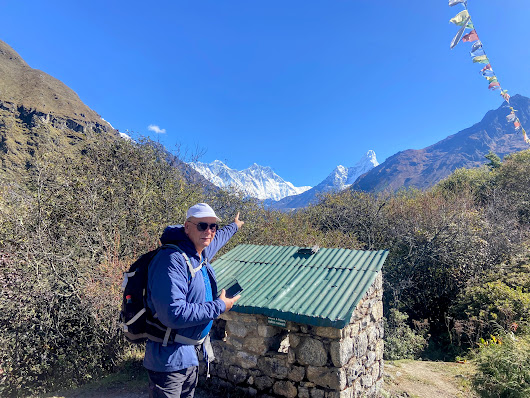
Everest Base Camp Budget Trek – The Ultimate Affordable Himalayan Adventure
The Everest Base Camp Budget Trek is the perfect opportunity for adventure lovers to witness the majesty of the world’s highest mountain without breaking the bank. Nestled in the heart of the Khumbu region of Nepal, this iconic 12-day journey offers a raw and authentic Himalayan trekking experience, where the luxury is in the views, the culture, and the adventure itself.
Travelers follow in the footsteps of legendary mountaineers like Sir Edmund Hillary and Tenzing Norgay while immersing themselves in Sherpa hospitality, Buddhist culture, and panoramic vistas of Everest, Lhotse, Ama Dablam, and more. With careful planning and cost-saving strategies, you can complete the Everest Base Camp trek on a budget without compromising on the core experience.
Reach Everest Base Camp (5,364 m), a dream destination for trekkers worldwide
Catch sunrise views over Everest from Kala Patthar (5,545 m)
Budget-friendly teahouse accommodation and local food experiences
Cross iconic suspension bridges over roaring rivers
Explore Namche Bazaar – the Sherpa capital
Visit Tengboche Monastery – a spiritual gem in the Himalayas
Experience Sagarmatha National Park, a UNESCO World Heritage Site
Opportunity to meet global trekkers on a shared journey
✅ Affordable pricing without sacrificing essential services
✅ Scenic teahouse accommodations with local food
✅ Experienced guide and porter options available
✅ Flexible for first-time trekkers and solo travelers
✅ Lifetime experience with Everest Base Camp as your highlight
Spring (March to May): Crystal-clear skies, rhododendron blooms, and pleasant weather make spring one of the best seasons.
Autumn (September to November/Mid-September to Mid-December): Post-monsoon freshness, stable weather, and spectacular mountain views.
Winter (December to February): A budget traveler’s favorite—fewer crowds and cheaper rates, though it's colder.
Monsoon (June to August): Not ideal due to rain and flight delays, but prices are lowest.
| Expense Category | Estimated Cost (USD) |
|---|---|
| Lukla Flights (Round Trip-RT) | $450 - $460 |
| Sagarmatha (Mount Everest) National Park Permit & Khumbu Entrance Ticket | $60 |
| Accommodation (11 nights) | $150 - $200 |
| Meals (3x daily) | $360 - $4600 |
| Guide & Porter (shared) | $300 - $400 |
| Misc. (WiFi, Charging) | $30 - $50 |
| Total Estimated Budget | $1090 – $1,490 |
NOTE: IN BUDGET OPTION, STILL YOU PREFER TO GO WITHOUT MEALS, THEN WE, NEPAL HIMALAYAS TREKKING COMPANY, OFFER JUST $890 FOR EACH PERSON. WE ALSO OFFER EVEREST BASE CAMP TREK ON STANDARD OPTION, AND LUXURY/VVIP/PREMIUM OPTIONS
This 12 DAYS EVEREST BASE CAMP TREK package is the most efficient and cost-effective option for budget trekkers. It includes arrival in Lukla and a consistent daily pace that balances affordability and acclimatization.
The 12-Day Everest Base Camp Budget Trek Itinerary is the perfect blend of adventure, affordability, and unforgettable Himalayan vistas. Designed for trekkers seeking the full EBC experience without unnecessary frills, this itinerary balances acclimatization with efficient pacing. Below is your day-by-day journey to the base of the world’s tallest mountain.
Day 1: Fly to Lukla, Trek to Phakding
Day 2: Trek to Namche Bazaar
Day 3: Acclimatization in Namche
Day 4: Trek to Tengboche
Day 5: Trek to Dingboche
Day 6: Acclimatization in Dingboche
Day 7: Trek to Lobuche
Day 8: Trek to Everest Base Camp, Overnight in Gorak Shep
Day 9: Hike to Kala Patthar, Trek to Pheriche
Day 10: Trek to Namche Bazaar
Day 11: Trek to Lukla
Day 12: Fly back to Kathmandu
The Everest Base Camp Budget Trek is moderately challenging. Expect 5–8 hours of trekking per day, altitude above 5,000 meters, and basic facilities. However, with proper preparation, even beginners with decent fitness levels can complete this trek.
Yes! With proper acclimatization days and a slow pace, even first-time trekkers can complete it.
Solo trekking is possible, but hiring a local guide is recommended for safety, navigation, and cultural insight.
ATMs are only available in Namche Bazaar. Carry cash from Kathmandu for the trek.
Yes, at most teahouses, but it's paid and often slow.
Expect steady interest and improved trail conditions over the coming years. Booking early for 2025–2027 means better deals on guides, flights, and teahouses. These years also see better logistics, including the potential for more frequent Lukla flights and better rescue infrastructure.
Choose a season wisely for cost and weather balance.
Book flights early, especially Lukla flights.
Stay in budget lodges or share rooms.
Eat local food (dal bhat is cheap and filling).
Bring your own gear to avoid rental costs.
Travel with a group to split guide/porter fees.
Buy essentials in Kathmandu, not on the trail.
Use a trekking agency like Nepal Himalayas Trekking for reliable local support.
According to Mr. Prakash Lamsal (Owner, Nepal Himalayas Trekking)
“My personal cost was around $1,090 for 12 days, including everything from Lukla flights, permits, accommodation, meals, and guide wages. It’s also possible to do it under $1,000, up to $890, without meals, where still included everything without meals and with good planning and a group of 4–6 people sharing services.”
Total Budget: $1,090 – $1,490 per person
Includes:
Domestic flights
Permits
Guide/porter (shared)
Basic accommodation & meals
Minor expenses (WiFi, charging, snacks)
Not included: Kathmandu hotel, travel insurance, gear rentals, international flights
Tourist Visa on Arrival is available at Kathmandu airport or online (https://nepaliport.immigration.gov.np).
Visa Fees:
15 days: $30
30 days: $50
90 days: $125
Bring passport-size photos and USD in cash.
Mandatory for EBC treks. Your policy should include:
Emergency evacuation up to 6,000 meters
Trip cancellation
Medical expenses
Lost/stolen gear coverage
Recommended Providers: World Nomads, IMG, SafetyWing
Down jacket & sleeping bag (rated -10°C to -20°C)
Base layers, fleece, waterproofs
Sturdy trekking boots
Trekking poles, sunglasses, gloves, hats
Headlamp, water purification tablets
Daypack (30–40L)
Pro tip: Rent or buy from Thamel, Kathmandu
Kathmandu to Lukla Flight: 35-minute scenic flight. Prone to delays.
Alternative: Fly to Ramechhap (4/5-hour drive from Kathmandu), then to Lukla
Book flights early, especially during peak seasons
If you're dreaming of the Everest Base Camp but worried about costs, this budget-friendly trek makes it 100% possible. With the right planning and reliable local guidance, your Himalayan dream doesn't need a high price tag.
Trekking Hours: 3–4 hours
Highlights: Scenic mountain flight, suspension bridges, river views
Kickstart your adventure with a breathtaking flight from Kathmandu to Lukla, the gateway to Everest. After landing, you’ll trek through charming Sherpa villages, mani walls, and lush forest trails before reaching Phakding. This gentle first day prepares you for the higher altitudes ahead.
Trekking Hours: 6–7 hours
Highlights: Dudh Koshi River, Hillary Suspension Bridge, first view of Mt. Everest
Today’s trail follows the Dudh Koshi River into Sagarmatha National Park. After crossing several high bridges and ascending steeply through pine forests, you’ll arrive at the vibrant Sherpa town of Namche Bazaar — the unofficial capital of the Khumbu region.
Trekking Hours: 2–3 hours (optional hikes)
Highlights: Everest View Hotel, Khumjung village, Sherpa culture
To help your body adapt to the altitude, enjoy a rest day with light hikes. Visit the Everest View Hotel for panoramic views of Everest, Ama Dablam, and Lhotse, or explore nearby Khumjung village and the Hillary School. Return to Namche for a relaxing evening.
Trekking Hours: 5–6 hours
Highlights: Rhododendron forests, Tengboche Monastery, Ama Dablam views
The trail winds around mountainsides with stunning alpine scenery before descending to Phunki Tenga. A final uphill climb leads to Tengboche, home to the region’s largest Buddhist monastery. Attend a chanting ceremony if you arrive in time.
Trekking Hours: 5–6 hours
Highlights: Everest and Lhotse views, alpine meadows, Imja Valley
Pass through beautiful forests and charming villages like Pangboche, gradually entering the stark, high-altitude zone. The landscape opens into the vast Imja Valley as you reach the stone-walled fields of Dingboche, your base for the next two nights.
Trekking Hours: 2–3 hours (optional hike to Nangkartshang Peak – 5,083m)
Highlights: Panoramic views of Makalu, Island Peak, and Ama Dablam
Take a second acclimatization day to avoid altitude sickness. For those up to it, a hike to Nangkartshang Peak rewards you with jaw-dropping views of 8,000-meter giants. The rest of the day is for rest and preparation.
Trekking Hours: 5–6 hours
Highlights: Memorials at Thukla Pass, Khumbu Glacier views
Trek steadily upward through alpine terrain to Dughla, where memorials honor climbers who perished on Everest. Continue alongside the Khumbu Glacier to reach the remote settlement of Lobuche. The air is thinner here, so take it slow and stay hydrated.
Trekking Hours: 7–8 hours
Highlights: Everest Base Camp, Khumbu Icefall, dream accomplished
This is the big day! Follow the glacial path to Gorakshep, have a light meal, then push forward to Everest Base Camp. Celebrate your achievement at the foot of the world’s highest mountain with unforgettable views of the Khumbu Icefall. After photos and memories, return to Gorakshep to rest.
Trekking Hours: 7–8 hours
Highlights: Best sunrise view of Everest, Pumori and Nuptse close-ups
Start early to summit Kala Patthar, the ultimate viewpoint for sunrise over Everest. This is where you’ll get the most iconic panoramic shots of the Himalayas. After soaking in the views, descend all the way down to the lower-altitude village of Pheriche.
Trekking Hours: 6–7 hours
Highlights: River crossings, long descent, familiar terrain
Retrace your steps along the Imja River and through forests, eventually arriving back at Namche Bazaar. Enjoy the comforts of this lively town — hot food, bakeries, and internet cafes await!
Trekking Hours: 6–7 hours
Highlights: Last views of the Khumbu, farewell to the trail
Continue descending past suspension bridges and peaceful forests as you return to Lukla. It’s time to reflect on your incredible achievement over a warm meal and a final night in the mountains.
Highlights: Mountain farewell flight, transfer to hotel
Board your early morning flight to Kathmandu, soaking in one last view of the Everest region from the sky. Upon arrival, transfer to your hotel and enjoy a well-deserved rest.
Airport Pick-Up: Receive a warm welcome upon arrival with a complimentary transfer from Tribhuvan International Airport in Kathmandu.
Lukla Flight Arrangements: Round-trip domestic flight tickets from Kathmandu or Ramechhap to Lukla, including ground transportation to and from the respective domestic airports.
Everest Trekking Permits: All required trekking permits and documentation for the 12-day Everest Base Camp adventure are fully arranged.
Trek Accommodation: Enjoy 11 nights of comfortable tea house lodging on a twin-sharing basis along the trekking route.
Professional Trekking Guide: An experienced, eco-conscious, and English-speaking guide accompanies you from Lukla to Lukla, equipped with a comprehensive first aid kit.
Well-Cared Trekking Crew: Staff are fully insured and provided with proper gear, fair wages, meals, and accommodation throughout the trek.
Return Flight from Lukla: Return flight ticket from Lukla to either Kathmandu or Ramechhap, including all necessary land transfers.
Achievement Certificate: Receive a personalized certificate upon successful completion of the trek (available upon request).
Cultural Farewell Dinner: Enjoy a traditional Nepali farewell dinner at a local restaurant in Thamel before departing Nepal with Nepal Himalayas Trekking Team
Complimentary Luggage Storage: Safe luggage storage at Nepal Himalayas Trekking's office while you’re on the trek.
Final Airport Drop-Off: Convenient transfer to the airport for your international departure from Nepal.
International flights, Nepal entry visa, and all types of travel insurance are not included.
Meals and lodging in Kathmandu are not covered in the package.
Porter service is optional and available upon request. If you choose to hire one, the fee is USD 300 per porter, each capable of carrying up to 20–25 kg of your gear.
Personal expenses during the trek—such as hot showers, beverages (tea, coffee, bottled water, alcoholic drinks, etc.), extra snacks or meals, Wi-Fi or mobile data, battery charging, upgraded accommodations, and other similar items—are not included.
Gratuities for guides, porters, and support staff are not mandatory but are highly appreciated as a customary gesture.
| Group Size | Price Per Person |
|---|---|
| 1 | USD 1,590 |
| 2-5 | USD 1,490 |
| 6-10 | USD 1,416 |
| 11-15 | USD 1,341 |
| 16-25 | USD 1,267 |
To avoid altitude sickness, it’s crucial to acclimatize properly, follow a gradual ascent, and stay hydrated. Include rest days (especially in Namche and Dingboche), avoid alcohol, and eat a high-carb diet. If symptoms worsen, descend immediately. Taking preventive medication like Diamox under medical advice can also help reduce the risk.
A budget Everest Base Camp trek typically costs between $1,090 and $1,490, including permits, guide/porter services, basic accommodation, meals, and Lukla flights. Costs can vary based on group size, trek duration, and season. Opting for local trekking agencies often ensures better rates and community support.
Yes, many solo female travelers safely complete the Everest Base Camp trek, even on a budget. The trail is well-traveled, and the local Sherpa communities are known for their hospitality. For added safety, choosing a reputable local trekking agency and staying in teahouses with good reviews is highly recommended. Always follow standard safety precautions and inform someone of your itinerary.
You don’t need to be an athlete, but good physical fitness is essential. Cardiovascular endurance, leg strength, and stamina are key. Training 2–3 months in advance with hiking, stair climbing, and aerobic exercises helps significantly. Being fit helps manage the daily 5–7 hour hikes and reduces your risk of fatigue and altitude sickness.
The best months for a budget EBC trek are April–May (spring) and October–November (autumn). These seasons offer clear skies, stable weather, and excellent visibility—ideal for panoramic mountain views and photography. Traveling in these months also ensures more open teahouses and consistent trekking conditions, even on a limited budget.
The hike to Everest Base Camp typically takes around 12 days round-trip, with 8 days ascending to allow for acclimatization and 4 days descending. The actual time may vary depending on the route, weather, and individual fitness level. The classic route starts with a flight to Lukla and follows the scenic trail through Namche Bazaar, Tengboche, and Gorak Shep before reaching Base Camp.
Absolutely! A budget trek to Everest Base Camp offers the same breathtaking views of the Himalayas and the thrill of standing at 5,364 meters—without breaking the bank. You may have fewer luxury comforts, but the experience, cultural immersion, and sense of achievement remain equally incredible. It’s an excellent option for backpackers and adventure seekers.
Yes, it can be physically challenging due to the altitude, rugged terrain, and long walking days, especially without luxury comforts. However, it’s manageable with good preparation, gradual acclimatization, and mental determination. While it’s not a technical climb, the daily hikes of 5–7 hours at high elevation require decent stamina.
Yes, it’s possible to hike to Everest Base Camp in 12 days without a guide, especially if you're well-prepared and have prior trekking experience. However, solo trekking requires navigating permits, routes, and safety risks yourself. For first-time or budget travelers, hiring a local guide ensures better navigation, altitude awareness, and local insights—often at a reasonable cost.
Yes, beginners can complete the Everest Base Camp trek on a budget, provided they prepare well. With proper training, a slow pace, and adequate acclimatization, many first-time trekkers successfully reach Base Camp. Choosing experienced budget trekking companies can ensure both affordability and safety for newcomers.
Planning a trek to Everest Base Camp or the Khumbu region? Your journey will likely begin with a thrilling flight to Lukla Airport (Tenzing-Hillary Airport) — the world’s most adventurous airstrip. To make your trip smoother, it’s crucial to understand Lukla flight schedules and weather conditions, as both can significantly impact your itinerary.
Lukla flights typically operate daily from Kathmandu or Ramechhap during the trekking season. Here’s a breakdown of how the schedules work:
Kathmandu to Lukla Flights: Operate mainly in the off-season (June–August and December–February).
Ramechhap to Lukla Flights: During peak trekking seasons (March–May and September–November), flights are redirected to Manthali Airport (Ramechhap), located 4–5 hours from Kathmandu.
First flight: Around 6:00 AM to 7:00 AM
Last flight: Usually before 11:00 AM
?????? Note: Flights operate only in the morning hours due to strong afternoon winds and rapidly changing weather.
Kathmandu to Lukla: ~35 minutes
Ramechhap to Lukla: ~20 minutes
Lukla is nestled at 2,860 meters (9,383 feet) in the Himalayas, where the weather is highly unpredictable and can change within minutes.
| Season | Months | Weather Conditions | Flight Impact |
|---|---|---|---|
| Spring | Mar–May | Clear skies, mild temps | Best for flights |
| Summer/Monsoon | Jun–Aug | Heavy rain, clouds | Frequent delays/cancellations |
| Autumn | Sep–Nov | Stable, clear, dry | Best season to fly |
| Winter | Dec–Feb | Cold, possible snowfall | Some weather delays |
Dense fog and low visibility
Sudden rain or snow showers
Strong winds at higher altitudes
Cloud cover is blocking the runway
Due to the unpredictable mountain weather, flight delays and cancellations are common, especially in the monsoon and winter months. Here's how to stay ready:
Plan 1–2 buffer days in your itinerary
Book morning flights for better chances of clear weather
Stay flexible with your travel dates
Consider helicopter flights as a backup (especially during disruptions)
If your flight is canceled or you prefer a smoother ride, helicopter charters are available:
Kathmandu to Lukla by helicopter: ~45 minutes
Ideal during bad weather when planes cannot operate
Costs range from USD 550 to 650 per person (shared basis)
The best months for reliable flights to and from Lukla are:
Spring (March to May)
Autumn (late September to early December)
These periods offer clear skies, calm winds, and high visibility, ensuring smooth flight operations and minimal delays.
Q1: Are flights to Lukla safe?
Yes, but they require skilled pilots due to the challenging mountain terrain. Airlines prioritize safety and cancel flights in poor weather.
Q2: Can I book Lukla flights online?
Yes, but it’s better to book through a local travel agency to get real-time updates and backup options.
Q3: What happens if my Lukla flight is canceled?
You’ll be rescheduled for the next available flight. Alternatively, you can choose a helicopter transfer (at extra cost).
Q4: How far is Ramechhap Airport from Kathmandu?
It’s about a 4 to 5-hour drive (130 km) from Kathmandu.
The Everest Base Camp Trek is one of the most iconic treks in the world, attracting thousands of adventurers each year. While many opt for guided luxury tours, an increasing number of trekkers are choosing the Budget Everest Base Camp Trek—a more affordable way to experience the majesty of the Himalayas. However, with fewer comforts comes a new set of challenges. If you’re considering this economical route, it’s essential to understand the difficulties of the Budget Everest Base Camp Trek to prepare yourself physically, mentally, and logistically.
One of the biggest challenges of any trek to Everest Base Camp is the high altitude. Starting from Lukla (2,860m) and reaching up to EBC (5,364m), the trek exposes you to thinner air and lower oxygen levels, which can lead to Acute Mountain Sickness (AMS).
Why it's harder on a budget trek:
Limited acclimatization days are often included in cheaper packages.
Lack of experienced guides may result in poor management of altitude-related issues.
Tip: Choose itineraries that include at least one rest day in Namche Bazaar and another in Dingboche to help your body adjust.
Budget treks typically include stays in basic teahouses—modest mountain lodges with simple rooms and shared bathrooms.
Challenges include:
No heating in the rooms.
Limited hot water or extra costs for showers.
Shared toilets with minimal sanitation.
Thin walls and noisy surroundings.
Pro Tip: Carry a sleeping bag rated to -10°C, wet wipes, and a headlamp, especially for night-time bathroom trips.
On a budget trek, meals are often included but limited to basic teahouse menus. While staples like dal bhat, noodles, rice, and soups are nutritious, the options are repetitive and may lack adequate protein and calories.
Possible issues:
Monotonous diet over 10–14 days.
Expensive snacks and beverages at higher altitudes.
Limited options for vegetarians or those with dietary restrictions.
Tip: Pack high-energy snacks like protein bars, nuts, and electrolyte powders to supplement your diet.
The Everest Base Camp trail involves long daily hikes, sometimes 6–8 hours a day, over steep ascents, rocky paths, and suspension bridges.
Budget constraints might mean:
No porter support, so you carry your own backpack.
No access to emergency evacuation insurance.
Less time for rest and recovery.
Tip: Begin cardiovascular and strength training at least 2–3 months before the trek. Practice hiking with a loaded backpack.
The Himalayan weather is unpredictable, especially in winter and monsoon seasons. Cold nights, sudden snowfall, or rain can make trekking more difficult.
Budget treks might lack:
Flexibility in scheduling during bad weather.
Warm gear rentals or high-quality equipment.
Access to professional guidance in case of trail disruptions.
Solution: Always check the best seasons for EBC trekking (March–May and September–November) and pack weather-appropriate clothing.
On a budget trek, access to emergency services, satellite phones, or oxygen cylinders may be limited. If you fall ill or get injured, you may not have instant access to help.
Mitigation tip:
Always buy travel insurance that covers high-altitude trekking and helicopter evacuation.
Carry a basic first aid kit and medications for headaches, nausea, and diarrhea.
The combination of physical exhaustion, cold conditions, and limited comforts can lead to mental fatigue. The journey is as much a mental challenge as it is a physical one.
Mental difficulties include:
Loneliness if trekking without a group.
Homesickness or frustration with basic conditions.
Motivation dips during difficult days.
Tip: Trek with a friend, join a small group, or stay socially engaged with fellow trekkers at teahouses to stay motivated.
Absolutely—if you are well-prepared. The challenges of a budget trek are real, but so are the rewards. You’ll walk in the footsteps of mountaineering legends, witness breathtaking views of Everest, Lhotse, Ama Dablam, and experience authentic Sherpa culture.
By understanding the difficulties of the Budget Everest Base Camp Trek, you’ll be in a stronger position to overcome them and truly enjoy the journey of a lifetime—without breaking the bank.
Trekking to Mount Everest Base Camp (EBC) is a dream for adventurers around the world. But choosing the best time to trek to Everest Base Camp is crucial for a safe, scenic, and unforgettable experience. With its towering peaks, ancient monasteries, and Sherpa culture, Everest offers an epic journey—but weather, trail conditions, and visibility vary dramatically by season.
So, when is the ideal time to trek to Everest Base Camp? Let’s explore the best trekking seasons and what each one offers.
??? Best For: Clear skies, blooming rhododendrons, and panoramic mountain views.
Spring is widely regarded as the best time to trek to Everest Base Camp. After the long winter, the Himalayas come alive with colorful rhododendrons, moderate temperatures, and superb visibility.
Temperature: 10°C to -5°C at Base Camp.
Highlights:
Crystal-clear views of Everest, Lhotse, and Ama Dablam.
Busy but vibrant trails.
Everest expedition season—watch climbers preparing for summit attempts.
Pro Tip: Book flights and teahouses early—spring is popular, and spots fill fast.
??? Best For: Stable weather and excellent mountain visibility.
Autumn is another ideal season for Everest trekking. The monsoon rains clear the dust from the air, offering pristine views and dry, comfortable conditions.
Temperature: 15°C to -10°C at higher elevations.
Highlights:
Spectacular Himalayan sunrises and sunsets.
Festive atmosphere with local celebrations like Dashain and Tihar.
Clean, dust-free trails and skies.
Pro Tip: October is the busiest month—go in late September or early November to avoid peak crowds.
??? Best For: Solitude, budget travelers, and snow lovers.
Winter treks to Everest Base Camp are possible but require preparation for extreme cold and occasional snowfall. If you’re seeking a quiet trail and a true Himalayan winter wonderland, this season can be rewarding.
Temperature: -5°C to -20°C at Base Camp.
Highlights:
Fewer trekkers and peaceful trails.
Majestic snow-covered landscapes.
Challenges:
Harsh temperatures.
Risk of Lukla flight delays due to weather.
Pro Tip: Pack high-quality winter gear and check flight conditions regularly.
??? Best For: Hardcore adventurers and off-the-beaten-path experiences.
Trekking during the monsoon isn’t ideal due to heavy rain, muddy trails, and leech-infested paths. However, regions in the Upper Mustang or Dolpo, which lie in a rain shadow, are still good alternatives.
Temperature: 18°C to 5°C.
Highlights:
Lush greenery and blooming wildflowers.
Fewer tourists and reduced prices.
Challenges:
Limited visibility.
Landslides and slippery trails.
Pro Tip: Carry rain gear and waterproof your backpack.
| Season | Months | Pros | Cons |
|---|---|---|---|
| Spring | March – May | Clear skies, mild weather, flowers | Crowded, higher prices |
| Autumn | Sept – Nov | Stable weather, clear views | High demand, busy trails |
| Winter | Dec – Feb | Solitude, snow views | Freezing cold, limited facilities |
| Monsoon | June – Aug | Lush landscapes, quiet | Rain, poor visibility, slippery |
First-time trekkers or photography lovers: Choose spring or autumn.
Budget travelers: Consider winter for discounts on teahouses and guides.
Peace seekers: Go in late November or early December for quiet trails with fair weather.
Adventure junkies: If you love the unexpected, tackle the monsoon with a guide.
Enjoy the popular trekking and tour packages in Nepal Himalayas. 2026.
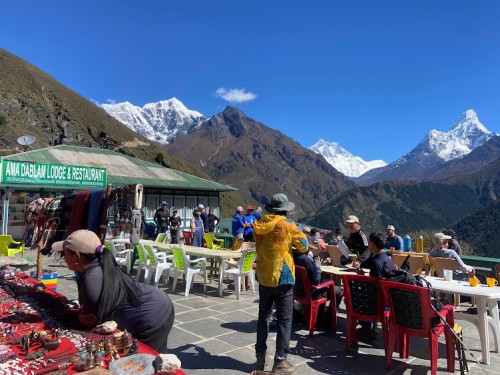
Plan your Everest Base Camp Trek with our 14-day itinerary, 2026/27 cost guide, route, difficulty, altitude, packing list, permits, and experienced local guide support.
View Details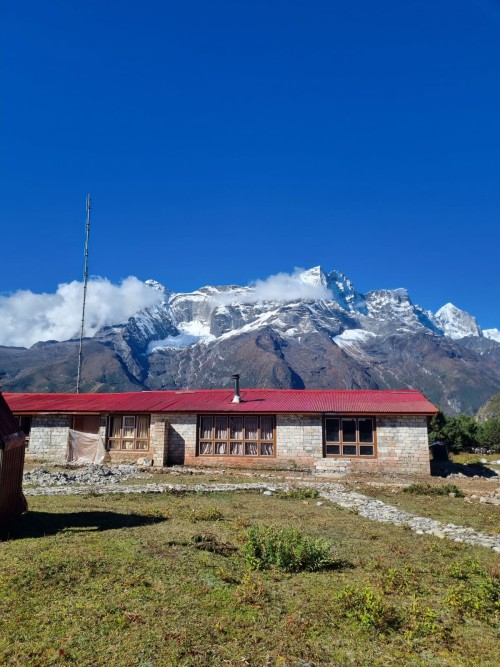
Everest View trek is a very popular trek to view Mount Everest as compared to other trekking trail, because it provides the magnificent view of the Top of the world, Mount Everest.
View Details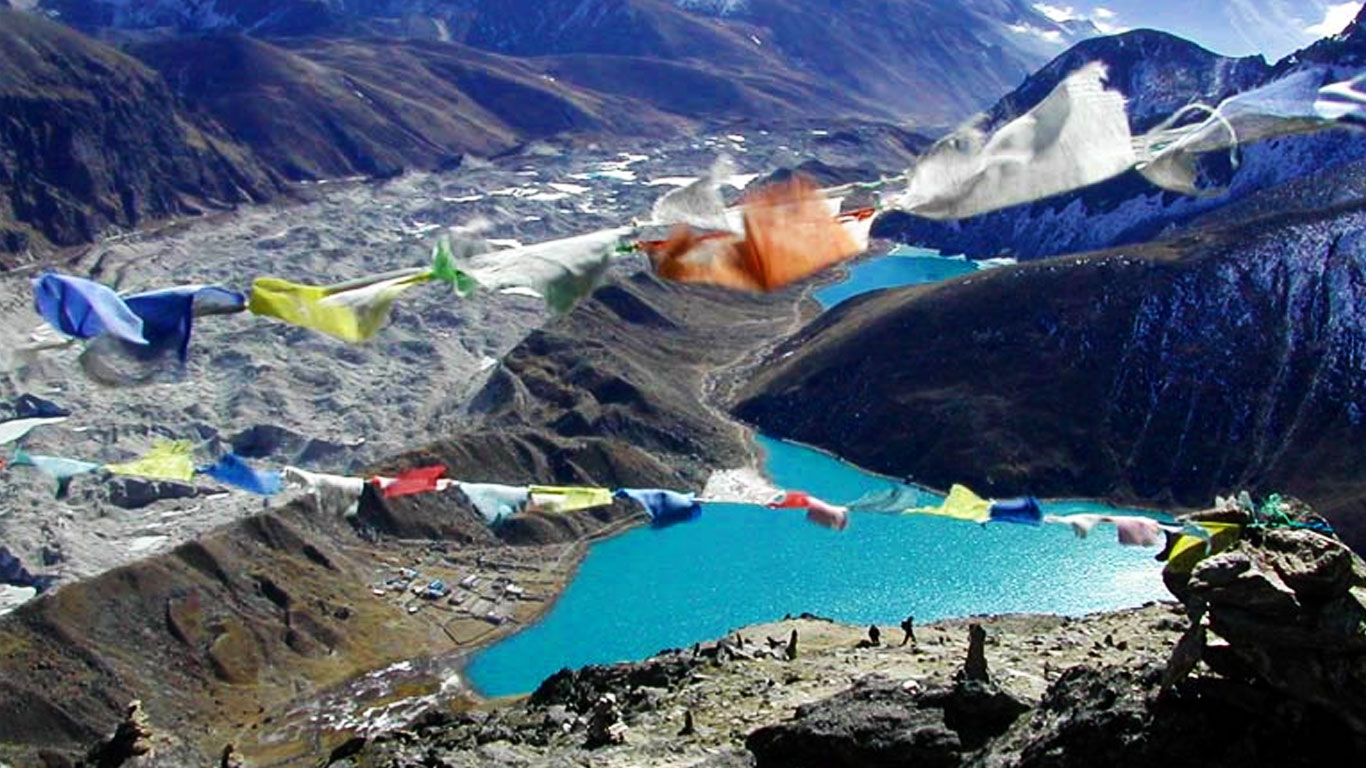
Gokyo Valley trek is one of the best adventure trekking trail in Nepal. It is also one of the beautiful and popular trekking destination in Everest region.
View Details
Everest Three Passes Trek is the strenuous trekking in Everest. The trekking route covers all major viewpoints in Everest including Kongma La, Renjo La and Cho La
View Details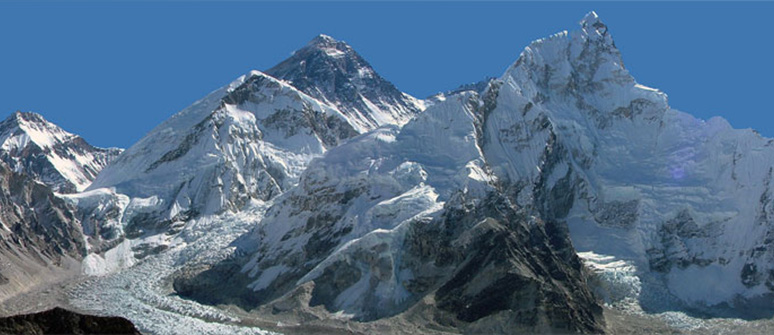
Participating in the Jiri to Everest Base Camp Trekking is the wonderful experience of following the footsteps of Sir Edmund Hillary and Tenzing Norgay in Nepal.
View Details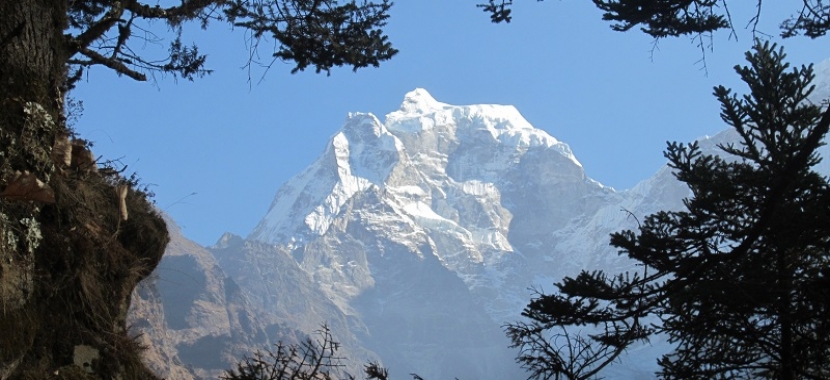
Everest Panorama Trek is just the right package for you if you are staying in Nepal for a short period of time and if you are looking for a short trek in Everest.
View DetailsEverest Base Camp Budget Trek – The Ultimate Affordable Himalayan Adventure
The Everest Base Camp Budget Trek is the perfect opportunity for adventure lovers to witness the majesty of the world’s highest mountain without breaking the bank. Nestled in the heart of the Khumbu region of Nepal, this iconic 12-day journey offers a raw and authentic Himalayan trekking experience, where the luxury is in the views, the culture, and the adventure itself.
Travelers follow in the footsteps of legendary mountaineers like Sir Edmund Hillary and Tenzing Norgay while immersing themselves in Sherpa hospitality, Buddhist culture, and panoramic vistas of Everest, Lhotse, Ama Dablam, and more. With careful planning and cost-saving strategies, you can complete the Everest Base Camp trek on a budget without compromising on the core experience.
Reach Everest Base Camp (5,364 m), a dream destination for trekkers worldwide
Catch sunrise views over Everest from Kala Patthar (5,545 m)
Budget-friendly teahouse accommodation and local food experiences
Cross iconic suspension bridges over roaring rivers
Explore Namche Bazaar – the Sherpa capital
Visit Tengboche Monastery – a spiritual gem in the Himalayas
Experience Sagarmatha National Park, a UNESCO World Heritage Site
Opportunity to meet global trekkers on a shared journey
✅ Affordable pricing without sacrificing essential services
✅ Scenic teahouse accommodations with local food
✅ Experienced guide and porter options available
✅ Flexible for first-time trekkers and solo travelers
✅ Lifetime experience with Everest Base Camp as your highlight
Spring (March to May): Crystal-clear skies, rhododendron blooms, and pleasant weather make spring one of the best seasons.
Autumn (September to November/Mid-September to Mid-December): Post-monsoon freshness, stable weather, and spectacular mountain views.
Winter (December to February): A budget traveler’s favorite—fewer crowds and cheaper rates, though it's colder.
Monsoon (June to August): Not ideal due to rain and flight delays, but prices are lowest.
| Expense Category | Estimated Cost (USD) |
|---|---|
| Lukla Flights (Round Trip-RT) | $450 - $460 |
| Sagarmatha (Mount Everest) National Park Permit & Khumbu Entrance Ticket | $60 |
| Accommodation (11 nights) | $150 - $200 |
| Meals (3x daily) | $360 - $4600 |
| Guide & Porter (shared) | $300 - $400 |
| Misc. (WiFi, Charging) | $30 - $50 |
| Total Estimated Budget | $1090 – $1,490 |
NOTE: IN BUDGET OPTION, STILL YOU PREFER TO GO WITHOUT MEALS, THEN WE, NEPAL HIMALAYAS TREKKING COMPANY, OFFER JUST $890 FOR EACH PERSON. WE ALSO OFFER EVEREST BASE CAMP TREK ON STANDARD OPTION, AND LUXURY/VVIP/PREMIUM OPTIONS
This 12 DAYS EVEREST BASE CAMP TREK package is the most efficient and cost-effective option for budget trekkers. It includes arrival in Lukla and a consistent daily pace that balances affordability and acclimatization.
The 12-Day Everest Base Camp Budget Trek Itinerary is the perfect blend of adventure, affordability, and unforgettable Himalayan vistas. Designed for trekkers seeking the full EBC experience without unnecessary frills, this itinerary balances acclimatization with efficient pacing. Below is your day-by-day journey to the base of the world’s tallest mountain.
Day 1: Fly to Lukla, Trek to Phakding
Day 2: Trek to Namche Bazaar
Day 3: Acclimatization in Namche
Day 4: Trek to Tengboche
Day 5: Trek to Dingboche
Day 6: Acclimatization in Dingboche
Day 7: Trek to Lobuche
Day 8: Trek to Everest Base Camp, Overnight in Gorak Shep
Day 9: Hike to Kala Patthar, Trek to Pheriche
Day 10: Trek to Namche Bazaar
Day 11: Trek to Lukla
Day 12: Fly back to Kathmandu
The Everest Base Camp Budget Trek is moderately challenging. Expect 5–8 hours of trekking per day, altitude above 5,000 meters, and basic facilities. However, with proper preparation, even beginners with decent fitness levels can complete this trek.
Yes! With proper acclimatization days and a slow pace, even first-time trekkers can complete it.
Solo trekking is possible, but hiring a local guide is recommended for safety, navigation, and cultural insight.
ATMs are only available in Namche Bazaar. Carry cash from Kathmandu for the trek.
Yes, at most teahouses, but it's paid and often slow.
Expect steady interest and improved trail conditions over the coming years. Booking early for 2025–2027 means better deals on guides, flights, and teahouses. These years also see better logistics, including the potential for more frequent Lukla flights and better rescue infrastructure.
Choose a season wisely for cost and weather balance.
Book flights early, especially Lukla flights.
Stay in budget lodges or share rooms.
Eat local food (dal bhat is cheap and filling).
Bring your own gear to avoid rental costs.
Travel with a group to split guide/porter fees.
Buy essentials in Kathmandu, not on the trail.
Use a trekking agency like Nepal Himalayas Trekking for reliable local support.
According to Mr. Prakash Lamsal (Owner, Nepal Himalayas Trekking)
“My personal cost was around $1,090 for 12 days, including everything from Lukla flights, permits, accommodation, meals, and guide wages. It’s also possible to do it under $1,000, up to $890, without meals, where still included everything without meals and with good planning and a group of 4–6 people sharing services.”
Total Budget: $1,090 – $1,490 per person
Includes:
Domestic flights
Permits
Guide/porter (shared)
Basic accommodation & meals
Minor expenses (WiFi, charging, snacks)
Not included: Kathmandu hotel, travel insurance, gear rentals, international flights
Tourist Visa on Arrival is available at Kathmandu airport or online (https://nepaliport.immigration.gov.np).
Visa Fees:
15 days: $30
30 days: $50
90 days: $125
Bring passport-size photos and USD in cash.
Mandatory for EBC treks. Your policy should include:
Emergency evacuation up to 6,000 meters
Trip cancellation
Medical expenses
Lost/stolen gear coverage
Recommended Providers: World Nomads, IMG, SafetyWing
Down jacket & sleeping bag (rated -10°C to -20°C)
Base layers, fleece, waterproofs
Sturdy trekking boots
Trekking poles, sunglasses, gloves, hats
Headlamp, water purification tablets
Daypack (30–40L)
Pro tip: Rent or buy from Thamel, Kathmandu
Kathmandu to Lukla Flight: 35-minute scenic flight. Prone to delays.
Alternative: Fly to Ramechhap (4/5-hour drive from Kathmandu), then to Lukla
Book flights early, especially during peak seasons
If you're dreaming of the Everest Base Camp but worried about costs, this budget-friendly trek makes it 100% possible. With the right planning and reliable local guidance, your Himalayan dream doesn't need a high price tag.
Trekking Hours: 3–4 hours
Highlights: Scenic mountain flight, suspension bridges, river views
Kickstart your adventure with a breathtaking flight from Kathmandu to Lukla, the gateway to Everest. After landing, you’ll trek through charming Sherpa villages, mani walls, and lush forest trails before reaching Phakding. This gentle first day prepares you for the higher altitudes ahead.
Trekking Hours: 6–7 hours
Highlights: Dudh Koshi River, Hillary Suspension Bridge, first view of Mt. Everest
Today’s trail follows the Dudh Koshi River into Sagarmatha National Park. After crossing several high bridges and ascending steeply through pine forests, you’ll arrive at the vibrant Sherpa town of Namche Bazaar — the unofficial capital of the Khumbu region.
Trekking Hours: 2–3 hours (optional hikes)
Highlights: Everest View Hotel, Khumjung village, Sherpa culture
To help your body adapt to the altitude, enjoy a rest day with light hikes. Visit the Everest View Hotel for panoramic views of Everest, Ama Dablam, and Lhotse, or explore nearby Khumjung village and the Hillary School. Return to Namche for a relaxing evening.
Trekking Hours: 5–6 hours
Highlights: Rhododendron forests, Tengboche Monastery, Ama Dablam views
The trail winds around mountainsides with stunning alpine scenery before descending to Phunki Tenga. A final uphill climb leads to Tengboche, home to the region’s largest Buddhist monastery. Attend a chanting ceremony if you arrive in time.
Trekking Hours: 5–6 hours
Highlights: Everest and Lhotse views, alpine meadows, Imja Valley
Pass through beautiful forests and charming villages like Pangboche, gradually entering the stark, high-altitude zone. The landscape opens into the vast Imja Valley as you reach the stone-walled fields of Dingboche, your base for the next two nights.
Trekking Hours: 2–3 hours (optional hike to Nangkartshang Peak – 5,083m)
Highlights: Panoramic views of Makalu, Island Peak, and Ama Dablam
Take a second acclimatization day to avoid altitude sickness. For those up to it, a hike to Nangkartshang Peak rewards you with jaw-dropping views of 8,000-meter giants. The rest of the day is for rest and preparation.
Trekking Hours: 5–6 hours
Highlights: Memorials at Thukla Pass, Khumbu Glacier views
Trek steadily upward through alpine terrain to Dughla, where memorials honor climbers who perished on Everest. Continue alongside the Khumbu Glacier to reach the remote settlement of Lobuche. The air is thinner here, so take it slow and stay hydrated.
Trekking Hours: 7–8 hours
Highlights: Everest Base Camp, Khumbu Icefall, dream accomplished
This is the big day! Follow the glacial path to Gorakshep, have a light meal, then push forward to Everest Base Camp. Celebrate your achievement at the foot of the world’s highest mountain with unforgettable views of the Khumbu Icefall. After photos and memories, return to Gorakshep to rest.
Trekking Hours: 7–8 hours
Highlights: Best sunrise view of Everest, Pumori and Nuptse close-ups
Start early to summit Kala Patthar, the ultimate viewpoint for sunrise over Everest. This is where you’ll get the most iconic panoramic shots of the Himalayas. After soaking in the views, descend all the way down to the lower-altitude village of Pheriche.
Trekking Hours: 6–7 hours
Highlights: River crossings, long descent, familiar terrain
Retrace your steps along the Imja River and through forests, eventually arriving back at Namche Bazaar. Enjoy the comforts of this lively town — hot food, bakeries, and internet cafes await!
Trekking Hours: 6–7 hours
Highlights: Last views of the Khumbu, farewell to the trail
Continue descending past suspension bridges and peaceful forests as you return to Lukla. It’s time to reflect on your incredible achievement over a warm meal and a final night in the mountains.
Highlights: Mountain farewell flight, transfer to hotel
Board your early morning flight to Kathmandu, soaking in one last view of the Everest region from the sky. Upon arrival, transfer to your hotel and enjoy a well-deserved rest.
Airport Pick-Up: Receive a warm welcome upon arrival with a complimentary transfer from Tribhuvan International Airport in Kathmandu.
Lukla Flight Arrangements: Round-trip domestic flight tickets from Kathmandu or Ramechhap to Lukla, including ground transportation to and from the respective domestic airports.
Everest Trekking Permits: All required trekking permits and documentation for the 12-day Everest Base Camp adventure are fully arranged.
Trek Accommodation: Enjoy 11 nights of comfortable tea house lodging on a twin-sharing basis along the trekking route.
Professional Trekking Guide: An experienced, eco-conscious, and English-speaking guide accompanies you from Lukla to Lukla, equipped with a comprehensive first aid kit.
Well-Cared Trekking Crew: Staff are fully insured and provided with proper gear, fair wages, meals, and accommodation throughout the trek.
Return Flight from Lukla: Return flight ticket from Lukla to either Kathmandu or Ramechhap, including all necessary land transfers.
Achievement Certificate: Receive a personalized certificate upon successful completion of the trek (available upon request).
Cultural Farewell Dinner: Enjoy a traditional Nepali farewell dinner at a local restaurant in Thamel before departing Nepal with Nepal Himalayas Trekking Team
Complimentary Luggage Storage: Safe luggage storage at Nepal Himalayas Trekking's office while you’re on the trek.
Final Airport Drop-Off: Convenient transfer to the airport for your international departure from Nepal.
International flights, Nepal entry visa, and all types of travel insurance are not included.
Meals and lodging in Kathmandu are not covered in the package.
Porter service is optional and available upon request. If you choose to hire one, the fee is USD 300 per porter, each capable of carrying up to 20–25 kg of your gear.
Personal expenses during the trek—such as hot showers, beverages (tea, coffee, bottled water, alcoholic drinks, etc.), extra snacks or meals, Wi-Fi or mobile data, battery charging, upgraded accommodations, and other similar items—are not included.
Gratuities for guides, porters, and support staff are not mandatory but are highly appreciated as a customary gesture.
To avoid altitude sickness, it’s crucial to acclimatize properly, follow a gradual ascent, and stay hydrated. Include rest days (especially in Namche and Dingboche), avoid alcohol, and eat a high-carb diet. If symptoms worsen, descend immediately. Taking preventive medication like Diamox under medical advice can also help reduce the risk.
A budget Everest Base Camp trek typically costs between $1,090 and $1,490, including permits, guide/porter services, basic accommodation, meals, and Lukla flights. Costs can vary based on group size, trek duration, and season. Opting for local trekking agencies often ensures better rates and community support.
Yes, many solo female travelers safely complete the Everest Base Camp trek, even on a budget. The trail is well-traveled, and the local Sherpa communities are known for their hospitality. For added safety, choosing a reputable local trekking agency and staying in teahouses with good reviews is highly recommended. Always follow standard safety precautions and inform someone of your itinerary.
You don’t need to be an athlete, but good physical fitness is essential. Cardiovascular endurance, leg strength, and stamina are key. Training 2–3 months in advance with hiking, stair climbing, and aerobic exercises helps significantly. Being fit helps manage the daily 5–7 hour hikes and reduces your risk of fatigue and altitude sickness.
The best months for a budget EBC trek are April–May (spring) and October–November (autumn). These seasons offer clear skies, stable weather, and excellent visibility—ideal for panoramic mountain views and photography. Traveling in these months also ensures more open teahouses and consistent trekking conditions, even on a limited budget.
The hike to Everest Base Camp typically takes around 12 days round-trip, with 8 days ascending to allow for acclimatization and 4 days descending. The actual time may vary depending on the route, weather, and individual fitness level. The classic route starts with a flight to Lukla and follows the scenic trail through Namche Bazaar, Tengboche, and Gorak Shep before reaching Base Camp.
Absolutely! A budget trek to Everest Base Camp offers the same breathtaking views of the Himalayas and the thrill of standing at 5,364 meters—without breaking the bank. You may have fewer luxury comforts, but the experience, cultural immersion, and sense of achievement remain equally incredible. It’s an excellent option for backpackers and adventure seekers.
Yes, it can be physically challenging due to the altitude, rugged terrain, and long walking days, especially without luxury comforts. However, it’s manageable with good preparation, gradual acclimatization, and mental determination. While it’s not a technical climb, the daily hikes of 5–7 hours at high elevation require decent stamina.
Yes, it’s possible to hike to Everest Base Camp in 12 days without a guide, especially if you're well-prepared and have prior trekking experience. However, solo trekking requires navigating permits, routes, and safety risks yourself. For first-time or budget travelers, hiring a local guide ensures better navigation, altitude awareness, and local insights—often at a reasonable cost.
Yes, beginners can complete the Everest Base Camp trek on a budget, provided they prepare well. With proper training, a slow pace, and adequate acclimatization, many first-time trekkers successfully reach Base Camp. Choosing experienced budget trekking companies can ensure both affordability and safety for newcomers.
Planning a trek to Everest Base Camp or the Khumbu region? Your journey will likely begin with a thrilling flight to Lukla Airport (Tenzing-Hillary Airport) — the world’s most adventurous airstrip. To make your trip smoother, it’s crucial to understand Lukla flight schedules and weather conditions, as both can significantly impact your itinerary.
Lukla flights typically operate daily from Kathmandu or Ramechhap during the trekking season. Here’s a breakdown of how the schedules work:
Kathmandu to Lukla Flights: Operate mainly in the off-season (June–August and December–February).
Ramechhap to Lukla Flights: During peak trekking seasons (March–May and September–November), flights are redirected to Manthali Airport (Ramechhap), located 4–5 hours from Kathmandu.
First flight: Around 6:00 AM to 7:00 AM
Last flight: Usually before 11:00 AM
?????? Note: Flights operate only in the morning hours due to strong afternoon winds and rapidly changing weather.
Kathmandu to Lukla: ~35 minutes
Ramechhap to Lukla: ~20 minutes
Lukla is nestled at 2,860 meters (9,383 feet) in the Himalayas, where the weather is highly unpredictable and can change within minutes.
| Season | Months | Weather Conditions | Flight Impact |
|---|---|---|---|
| Spring | Mar–May | Clear skies, mild temps | Best for flights |
| Summer/Monsoon | Jun–Aug | Heavy rain, clouds | Frequent delays/cancellations |
| Autumn | Sep–Nov | Stable, clear, dry | Best season to fly |
| Winter | Dec–Feb | Cold, possible snowfall | Some weather delays |
Dense fog and low visibility
Sudden rain or snow showers
Strong winds at higher altitudes
Cloud cover is blocking the runway
Due to the unpredictable mountain weather, flight delays and cancellations are common, especially in the monsoon and winter months. Here's how to stay ready:
Plan 1–2 buffer days in your itinerary
Book morning flights for better chances of clear weather
Stay flexible with your travel dates
Consider helicopter flights as a backup (especially during disruptions)
If your flight is canceled or you prefer a smoother ride, helicopter charters are available:
Kathmandu to Lukla by helicopter: ~45 minutes
Ideal during bad weather when planes cannot operate
Costs range from USD 550 to 650 per person (shared basis)
The best months for reliable flights to and from Lukla are:
Spring (March to May)
Autumn (late September to early December)
These periods offer clear skies, calm winds, and high visibility, ensuring smooth flight operations and minimal delays.
Q1: Are flights to Lukla safe?
Yes, but they require skilled pilots due to the challenging mountain terrain. Airlines prioritize safety and cancel flights in poor weather.
Q2: Can I book Lukla flights online?
Yes, but it’s better to book through a local travel agency to get real-time updates and backup options.
Q3: What happens if my Lukla flight is canceled?
You’ll be rescheduled for the next available flight. Alternatively, you can choose a helicopter transfer (at extra cost).
Q4: How far is Ramechhap Airport from Kathmandu?
It’s about a 4 to 5-hour drive (130 km) from Kathmandu.
The Everest Base Camp Trek is one of the most iconic treks in the world, attracting thousands of adventurers each year. While many opt for guided luxury tours, an increasing number of trekkers are choosing the Budget Everest Base Camp Trek—a more affordable way to experience the majesty of the Himalayas. However, with fewer comforts comes a new set of challenges. If you’re considering this economical route, it’s essential to understand the difficulties of the Budget Everest Base Camp Trek to prepare yourself physically, mentally, and logistically.
One of the biggest challenges of any trek to Everest Base Camp is the high altitude. Starting from Lukla (2,860m) and reaching up to EBC (5,364m), the trek exposes you to thinner air and lower oxygen levels, which can lead to Acute Mountain Sickness (AMS).
Why it's harder on a budget trek:
Limited acclimatization days are often included in cheaper packages.
Lack of experienced guides may result in poor management of altitude-related issues.
Tip: Choose itineraries that include at least one rest day in Namche Bazaar and another in Dingboche to help your body adjust.
Budget treks typically include stays in basic teahouses—modest mountain lodges with simple rooms and shared bathrooms.
Challenges include:
No heating in the rooms.
Limited hot water or extra costs for showers.
Shared toilets with minimal sanitation.
Thin walls and noisy surroundings.
Pro Tip: Carry a sleeping bag rated to -10°C, wet wipes, and a headlamp, especially for night-time bathroom trips.
On a budget trek, meals are often included but limited to basic teahouse menus. While staples like dal bhat, noodles, rice, and soups are nutritious, the options are repetitive and may lack adequate protein and calories.
Possible issues:
Monotonous diet over 10–14 days.
Expensive snacks and beverages at higher altitudes.
Limited options for vegetarians or those with dietary restrictions.
Tip: Pack high-energy snacks like protein bars, nuts, and electrolyte powders to supplement your diet.
The Everest Base Camp trail involves long daily hikes, sometimes 6–8 hours a day, over steep ascents, rocky paths, and suspension bridges.
Budget constraints might mean:
No porter support, so you carry your own backpack.
No access to emergency evacuation insurance.
Less time for rest and recovery.
Tip: Begin cardiovascular and strength training at least 2–3 months before the trek. Practice hiking with a loaded backpack.
The Himalayan weather is unpredictable, especially in winter and monsoon seasons. Cold nights, sudden snowfall, or rain can make trekking more difficult.
Budget treks might lack:
Flexibility in scheduling during bad weather.
Warm gear rentals or high-quality equipment.
Access to professional guidance in case of trail disruptions.
Solution: Always check the best seasons for EBC trekking (March–May and September–November) and pack weather-appropriate clothing.
On a budget trek, access to emergency services, satellite phones, or oxygen cylinders may be limited. If you fall ill or get injured, you may not have instant access to help.
Mitigation tip:
Always buy travel insurance that covers high-altitude trekking and helicopter evacuation.
Carry a basic first aid kit and medications for headaches, nausea, and diarrhea.
The combination of physical exhaustion, cold conditions, and limited comforts can lead to mental fatigue. The journey is as much a mental challenge as it is a physical one.
Mental difficulties include:
Loneliness if trekking without a group.
Homesickness or frustration with basic conditions.
Motivation dips during difficult days.
Tip: Trek with a friend, join a small group, or stay socially engaged with fellow trekkers at teahouses to stay motivated.
Absolutely—if you are well-prepared. The challenges of a budget trek are real, but so are the rewards. You’ll walk in the footsteps of mountaineering legends, witness breathtaking views of Everest, Lhotse, Ama Dablam, and experience authentic Sherpa culture.
By understanding the difficulties of the Budget Everest Base Camp Trek, you’ll be in a stronger position to overcome them and truly enjoy the journey of a lifetime—without breaking the bank.
Trekking to Mount Everest Base Camp (EBC) is a dream for adventurers around the world. But choosing the best time to trek to Everest Base Camp is crucial for a safe, scenic, and unforgettable experience. With its towering peaks, ancient monasteries, and Sherpa culture, Everest offers an epic journey—but weather, trail conditions, and visibility vary dramatically by season.
So, when is the ideal time to trek to Everest Base Camp? Let’s explore the best trekking seasons and what each one offers.
??? Best For: Clear skies, blooming rhododendrons, and panoramic mountain views.
Spring is widely regarded as the best time to trek to Everest Base Camp. After the long winter, the Himalayas come alive with colorful rhododendrons, moderate temperatures, and superb visibility.
Temperature: 10°C to -5°C at Base Camp.
Highlights:
Crystal-clear views of Everest, Lhotse, and Ama Dablam.
Busy but vibrant trails.
Everest expedition season—watch climbers preparing for summit attempts.
Pro Tip: Book flights and teahouses early—spring is popular, and spots fill fast.
??? Best For: Stable weather and excellent mountain visibility.
Autumn is another ideal season for Everest trekking. The monsoon rains clear the dust from the air, offering pristine views and dry, comfortable conditions.
Temperature: 15°C to -10°C at higher elevations.
Highlights:
Spectacular Himalayan sunrises and sunsets.
Festive atmosphere with local celebrations like Dashain and Tihar.
Clean, dust-free trails and skies.
Pro Tip: October is the busiest month—go in late September or early November to avoid peak crowds.
??? Best For: Solitude, budget travelers, and snow lovers.
Winter treks to Everest Base Camp are possible but require preparation for extreme cold and occasional snowfall. If you’re seeking a quiet trail and a true Himalayan winter wonderland, this season can be rewarding.
Temperature: -5°C to -20°C at Base Camp.
Highlights:
Fewer trekkers and peaceful trails.
Majestic snow-covered landscapes.
Challenges:
Harsh temperatures.
Risk of Lukla flight delays due to weather.
Pro Tip: Pack high-quality winter gear and check flight conditions regularly.
??? Best For: Hardcore adventurers and off-the-beaten-path experiences.
Trekking during the monsoon isn’t ideal due to heavy rain, muddy trails, and leech-infested paths. However, regions in the Upper Mustang or Dolpo, which lie in a rain shadow, are still good alternatives.
Temperature: 18°C to 5°C.
Highlights:
Lush greenery and blooming wildflowers.
Fewer tourists and reduced prices.
Challenges:
Limited visibility.
Landslides and slippery trails.
Pro Tip: Carry rain gear and waterproof your backpack.
| Season | Months | Pros | Cons |
|---|---|---|---|
| Spring | March – May | Clear skies, mild weather, flowers | Crowded, higher prices |
| Autumn | Sept – Nov | Stable weather, clear views | High demand, busy trails |
| Winter | Dec – Feb | Solitude, snow views | Freezing cold, limited facilities |
| Monsoon | June – Aug | Lush landscapes, quiet | Rain, poor visibility, slippery |
First-time trekkers or photography lovers: Choose spring or autumn.
Budget travelers: Consider winter for discounts on teahouses and guides.
Peace seekers: Go in late November or early December for quiet trails with fair weather.
Adventure junkies: If you love the unexpected, tackle the monsoon with a guide.