
Any Question? Email Us
info@nepalhimalayastrekking.comTalk To An Expert ( Prakash Lamsal )
Any Question? Email Us
info@nepalhimalayastrekking.comTalk To An Expert ( Prakash Lamsal )
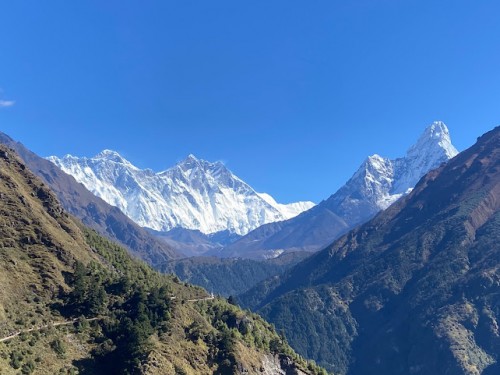
The Everest Base Camp (EBC) Trek is one of the most iconic and sought-after adventures for trekkers and outdoor enthusiasts worldwide. Undertaking this journey during March and April offers a unique blend of favorable weather, breathtaking scenery, and cultural immersion, making it an ideal time to experience the majestic Himalayas.
Trekking to Everest Base Camp in March or April is a transformative experience. The favorable weather, vibrant landscapes, and cultural richness combine to make this journey unforgettable. With proper preparation and the right mindset, you can achieve your dream of standing in the shadow of the world's highest peak. Whether you're a seasoned trekker or a first-timer, the EBC trek during spring promises memories that will last a lifetime.
March and April mark the spring season in Nepal, bringing moderate temperatures and clear skies. Here's why this period is perfect for the EBC trek:
Pleasant Weather: Daytime temperatures range from 10 to 15°C (50-59°F) in lower altitudes and around 0 to 5°C (32-41°F) at higher elevations. Nights can be colder, but the conditions are manageable.
Clear Views: The spring season ensures stunning views of Everest, Lhotse, Nuptse, Ama Dablam, and other peaks, with minimal cloud cover.
Blooming Rhododendrons: The trail is adorned with colorful rhododendron blossoms, adding vibrancy to the journey.
Optimal Trail Conditions: Snow from the winter begins to melt, making paths safer and more accessible, especially in higher altitudes.
Festivals and Culture: Trekking during this time allows you to witness local festivals like Holi (March) and the Tibetan New Year (Losar), depending on the lunar calendar.
Yes! March and April are among the best months for the Everest Base Camp (EBC) trek. These months fall in the spring season, offering clear skies, moderate temperatures, and breathtaking views of Everest and surrounding peaks. The trails are vibrant with rhododendron blooms, and the weather is relatively stable compared to winter or monsoon seasons.
The weather in March and April is ideal for trekking, with daytime temperatures ranging from 5°C to 15°C (41°F to 59°F) at lower altitudes and around -10°C to -5°C (14°F to 23°F) at higher elevations like Gorak Shep and EBC. Mornings and evenings can be chilly, but the afternoons are generally pleasant with clear skies and excellent mountain visibility.
Spring is a peak trekking season, so expect moderate to heavy traffic on the trails, especially in April. This is also the time when Everest climbing expeditions begin, so you might see climbers preparing for their summit attempts. If you prefer a social trekking experience and meeting fellow trekkers from around the world, this is the perfect time to go.
Packing smart is crucial for a successful trek. Here are essential items for March and April:
Yes, tea houses and lodges along the EBC trail are fully operational in March and April. However, due to high demand, it's recommended to book accommodations in advance, especially in popular stops like Namche Bazaar, Tengboche, and Dingboche.
While the Everest Base Camp trek can be done independently, hiring a guide and porter is highly recommended for safety and convenience. A licensed guide can provide valuable insights, assist in emergencies, and help with navigation, while a porter will carry your heavy load, making the trek more enjoyable.
Flights from Kathmandu to Lukla are usually more reliable in March and April compared to monsoon months. However, weather conditions in the mountains can change suddenly, causing occasional delays. It's wise to buffer an extra day in your itinerary in case of flight cancellations or rescheduling.
Yes, altitude sickness (AMS) is always a risk on the EBC trek, especially as you ascend beyond 3,000 meters (9,800 feet). To minimize the risk:
The cost varies depending on the package, services, and duration, but on average, expect to spend:
Lukla Flight: The thrilling flight to Lukla, known as one of the most adventurous airports in the world, is your gateway to the trek.
Namche Bazaar: This bustling Sherpa town is a cultural and logistical hub, offering acclimatization opportunities and stunning views of Everest from nearby viewpoints.
Tengboche Monastery: A spiritual highlight of the trek, this monastery offers panoramic views of the Himalayas and a chance to experience local Buddhist traditions.
Everest Base Camp: Standing at 5,364 meters (17,598 feet), reaching EBC is a monumental achievement and the ultimate goal of the trek.
Kala Patthar: Known for its unparalleled sunrise views of Everest, this viewpoint at 5,545 meters (18,192 feet) is a must-visit.
Sagarmatha National Park: A UNESCO World Heritage Site, this protected area is home to diverse flora and fauna, including Himalayan tahrs, snow leopards, and red pandas.
Physical Fitness: Begin a fitness regimen 2-3 months before the trek, focusing on endurance, strength, and cardiovascular health.
Acclimatization: Plan rest days to adapt to high altitudes and minimize the risk of Acute Mountain Sickness (AMS).
Gear Checklist: Invest in quality trekking gear, including a down jacket, sleeping bag, trekking boots, and layers for varying temperatures.
Permits: Obtain the necessary permits, such as the Sagarmatha National Park Entry Permit and TIMS card, through a trekking agency or local office.
Guides and Porters: Hiring a licensed guide and porter ensures a safer and more enjoyable experience, while also supporting the local economy.
Day 1: Fly to Lukla (2,860m) and trek to Phakding (2,610m).
Day 2: Trek to Namche Bazaar (3,440m).
Day 3: Acclimatization day at Namche Bazaar.
Day 4: Trek to Tengboche (3,860m).
Day 5: Trek to Dingboche (4,410m).
Day 6: Acclimatization day at Dingboche.
Day 7: Trek to Lobuche (4,910m).
Day 8: Trek to Gorak Shep (5,164m) and visit Everest Base Camp (5,364m).
Day 9: Hike to Kala Patthar (5,545m) and descend to Pheriche (4,210m).
Day 10: Trek to Namche Bazaar.
Day 11: Trek to Lukla.
Day 12: Fly back to Kathmandu.
Day 13: Buffer day in Kathmandu for rest or sightseeing.
Day 14: Departure.
March marks the start of the spring trekking season in Nepal, making it an ideal time to embark on the Everest Base Camp Trek. With moderate temperatures and clear skies, trekkers can enjoy unobstructed views of the Himalayan peaks, including Mount Everest. The trails are less crowded compared to April, offering a serene trekking experience. Be prepared for chilly nights as the temperatures at higher altitudes can drop significantly.
April is one of the most popular months for the Everest Base Camp Trek. The warmer weather, blooming rhododendrons, and stable conditions make it a favorite among trekkers. The vibrant rhododendron forests on the lower trails create a stunning contrast against the snow-capped mountains. However, the popularity of this month means you should book your accommodations and trekking permits well in advance.
Spring, which spans March, April, and May, is considered one of the best seasons for the Everest Base Camp Trek. This period offers stable weather, blossoming flora, and breathtaking mountain vistas. The gradual warming trend makes trekking more comfortable, while the clear skies enhance the visibility of iconic peaks like Ama Dablam, Nuptse, and Everest. Spring also allows trekkers to witness the local culture and festivals in full swing.
The best time for the Everest Base Camp Trek is during the pre-monsoon spring season (March to May) and the post-monsoon autumn season (September to November). These periods provide stable weather, clear skies, and optimal trekking conditions. While spring features blooming rhododendrons, autumn offers crystal-clear views after the monsoon rains.
The two primary trekking seasons for Everest are spring (March to May) and autumn (September to November). During these periods, the weather is stable, and the trails are in excellent condition. Summer brings monsoon rains, and winter can be extremely cold, making these seasons less favorable for trekking.
Spring is the season of rhododendron blooms, and the trekking trails to Everest Base Camp transform into colorful pathways lined with pink, red, and white flowers. These trails not only offer visual delight but also provide a unique trekking experience as you hike through lush forests filled with vibrant blossoms.
To trek to Everest Base Camp, you need two permits: the Sagarmatha National Park Permit and the Khumbu Pasang Lhamu Rural Municipality Permit. These permits can be obtained in Kathmandu or at Monjo, the entrance to the national park. For hassle-free trekking, it’s recommended to get these permits through a registered trekking agency.
The journey from Lukla to Everest Base Camp is a thrilling adventure, covering approximately 130 kilometers (round trip). The trek typically takes 12-14 days and includes stops at iconic locations like Namche Bazaar, Tengboche Monastery, and Gorak Shep. The trail offers a mix of challenging ascents, picturesque valleys, and panoramic views of the Himalayas.
The sunrise from Kala Patthar is a must-see experience during the Everest Base Camp Trek. At 5,643 meters, this viewpoint offers unparalleled views of Mount Everest, Nuptse, and surrounding peaks. The golden hues of the sunrise lighting up the Himalayas are a photographer’s dream.
Acclimatize properly to avoid altitude sickness.
Stay hydrated and maintain a balanced diet.
Pack warm clothing and quality trekking gear.
Walk at a steady pace to conserve energy.
Carry essential medicines and a first-aid kit.
The Everest Base Camp Trek passes through Sagarmatha National Park, a UNESCO World Heritage Site. The park is home to diverse flora and fauna, including snow leopards, red pandas, and Himalayan tahr. Trekkers can also explore the unique Sherpa villages and Buddhist monasteries within the park.
The Everest Base Camp Trek is the epitome of a Himalayan trekking adventure. From the thrilling Lukla flight to walking amidst towering peaks, every moment is filled with excitement and awe. The trek combines physical challenges with cultural immersion, making it a once-in-a-lifetime experience.
The trek provides a unique opportunity to immerse yourself in Sherpa culture. Visit ancient monasteries, interact with locals in villages like Namche Bazaar and Khumjung, and learn about the Sherpa’s mountaineering heritage. Their warm hospitality and resilience leave a lasting impression on trekkers.
A guided trek to Everest Base Camp ensures a safe and enriching experience. Experienced guides handle logistics, provide insights into local culture, and help with altitude acclimatization. Opting for a guided trek also allows you to focus on enjoying the journey without worrying about the details.
Elevation: 1,400 m (4,593 ft)
Distance: -
Walking Hours: -
Highlights: Arrive in Kathmandu and transfer to your hotel. Explore the vibrant city and prepare for the trek.
Elevation Gain/Loss: +1,440 m / -230 m
Distance: 9 km (5.6 miles)
Walking Hours: 3–4 hours
Highlights: A thrilling 30-40 minute flight to Lukla. Begin the trek through lush forests and small villages to Phakding.
Elevation Gain: +830 m (2,724 ft)
Distance: 11 km (6.8 miles)
Walking Hours: 5–6 hours
Highlights: Cross suspension bridges, trek along the Dudh Koshi River, and catch the first glimpse of Everest from Namche Bazaar.
Elevation: 3,440 m (11,286 ft)
Distance: 2–4 km (1.2–2.5 miles, optional hikes)
Walking Hours: 2–3 hours (for acclimatization hikes)
Highlights: Explore Namche Bazaar and take a short hike to Everest View Hotel or Khumjung village for stunning mountain views.
Elevation Gain: +420 m (1,378 ft)
Distance: 10 km (6.2 miles)
Walking Hours: 5–6 hours
Highlights: Trek through rhododendron forests with panoramic views of Everest, Lhotse, and Ama Dablam. Visit the famous Tengboche Monastery.
Elevation Gain: +550 m (1,804 ft)
Distance: 11 km (6.8 miles)
Walking Hours: 5–6 hours
Highlights: Cross the Imja Khola and trek through alpine landscapes. Reach Dingboche, a picturesque village.
Elevation: 4,410 m (14,468 ft)
Distance: 2–5 km (1.2–3.1 miles, optional hikes)
Walking Hours: 3–4 hours (for acclimatization hikes)
Highlights: Hike to Nagarjun Hill (5,100 m / 16,732 ft) or Chhukung for panoramic views of the Himalayan peaks.
Elevation Gain: +530 m (1,739 ft)
Distance: 8 km (5 miles)
Walking Hours: 5–6 hours
Highlights: Pass the Thukla Pass and see memorials of climbers. Stunning views of Nuptse, Pumori, and Lobuche peaks.
Elevation Gain/Loss: +424 m (1,391 ft) / -200 m (656 ft)
Distance: 12 km (7.5 miles) round trip
Walking Hours: 7–8 hours
Highlights: Reach Everest Base Camp, surrounded by towering peaks and Khumbu Glacier. Return to Gorak Shep for the night.
Elevation Gain/Loss: +381 m (1,250 ft) / -1,174 m (3,855 ft)
Distance: 12 km (7.5 miles)
Walking Hours: 7–8 hours
Highlights: Early morning climb to Kala Patthar for breathtaking sunrise views of Everest. Descend to Pheriche.
Elevation Loss: -931 m (3,057 ft)
Distance: 14 km (8.7 miles)
Walking Hours: 6–7 hours
Highlights: Retrace steps through Pangboche and Tengboche. Relax back in Namche Bazaar.
Elevation Loss: -600 m (1,968 ft)
Distance: 18 km (11.2 miles)
Walking Hours: 6–8 hours
Highlights: Final trek day through dense forests, crossing suspension bridges, and celebrating the trek’s completion in Lukla.
Elevation Loss: -1,440 m (4,724 ft)
Distance: -
Walking Hours: -
Highlights: Enjoy a scenic flight back to Kathmandu. Free time to rest or explore the city.