
Any Question? Email Us
info@nepalhimalayastrekking.comTalk To An Expert ( Prakash Lamsal )
Any Question? Email Us
info@nepalhimalayastrekking.comTalk To An Expert ( Prakash Lamsal )
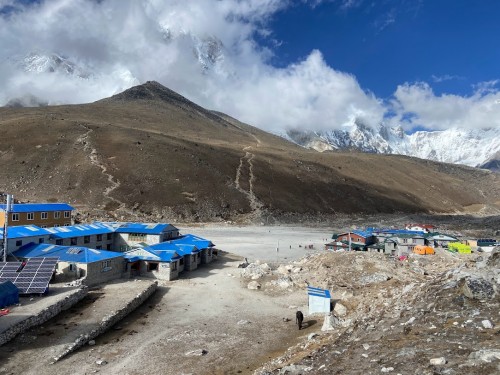
Island Peak, locally known as Imja Tse, stands at 6,189 meters in Nepal's Khumbu region. It is one of Nepal's most popular trekking peaks and is suitable for well-prepared trekkers who want to progress from high-altitude trekking to their first Himalayan peak climb. The journey combines the classic Everest Base Camp route with a technical summit attempt, giving you time to acclimatize before reaching the climbing section.
Our 18-day Island Peak Climbing itinerary begins with a flight to Lukla and follows the Dudh Koshi Valley toward Namche Bazaar, Tengboche, and Dingboche. The route then continues through Lobuche and Gorakshep to Everest Base Camp and Kala Patthar at 5,545 meters. This section allows you to experience the main Everest Base Camp trail while gradually gaining altitude before continuing toward Island Peak.
After the Everest Base Camp section, the route heads back toward Lobuche before crossing Kongma La and continuing to Chhukung in the Imja Valley. This high-altitude section adds another demanding stage to the journey and brings you closer to Island Peak. From Chhukung, you continue to Island Peak Base Camp, where the environment changes from a tea-house trek to a tented climbing camp.
At Base Camp, our climbing team checks your equipment and demonstrates the practical use of climbing gear such as crampons, ice axe, harness, helmet, and rope systems. This preparation is particularly important for climbers attempting a Himalayan peak for the first time. The exact climbing techniques and rope setup can vary according to the snow, ice, and route conditions during the climbing season.
The summit attempt normally begins in the early morning, often around 2:00 AM, to make the most of the available climbing window. The ascent takes you through rocky and glacial terrain toward the 6,189-meter summit. A successful summit depends on weather, route conditions, altitude, and your physical condition, so our climbing team prioritizes safety throughout the attempt.
From the summit, you can experience wide Himalayan views including Lhotse, Nuptse, Ama Dablam, Makalu, Baruntse, and other peaks. After descending from Island Peak, the route returns through Pangboche and Namche Bazaar before reaching Lukla for the flight back to Kathmandu.
The best periods for Island Peak climbing are generally spring, particularly April and May, and autumn, particularly October and November, when trekking and climbing conditions are usually more favorable. Regardless of the season, you need proper acclimatization, physical preparation, suitable climbing equipment, and flexibility because high-altitude weather can change quickly.
Our climbing team supports you throughout the journey, from the Everest Base Camp approach and acclimatization days to climbing preparation at Base Camp and the summit attempt. The itinerary is designed to give you adequate time to adjust to the altitude while experiencing both the cultural landscape of the Khumbu and the technical challenge of climbing Island Peak.
| Detail | Information |
|---|---|
| Peak | Island Peak, locally known as Imja Tse |
| Maximum Elevation | 6,189 m |
| Location | Khumbu region, Nepal |
| Duration | 18 days |
| Main Route | Kathmandu → Lukla → Phakding → Namche Bazaar → Tengboche → Dingboche → Lobuche → Gorakshep → Everest Base Camp → Kala Patthar → Lobuche → Kongma La → Chhukung → Island Peak Base Camp → Pangboche → Namche Bazaar → Lukla → Kathmandu |
| Highest Trekking Point | Kala Patthar, approximately 5,545 m |
| Island Peak Base Camp | Approximately 5,087–5,200 m |
| Summit | 6,189 m |
| Summit Attempt | Usually starts around 2:00 AM |
| Summit Duration | Approximately 10–12 hours |
| Difficulty | High-altitude trekking combined with technical peak climbing |
| Acclimatization | Namche Bazaar and Dingboche |
| Main Climbing Equipment | Crampons, ice axe, harness, helmet, carabiners, ascender, descender, climbing sling, climbing gloves, and rope systems |
| Best Seasons | Spring, particularly April and May, and autumn, particularly October and November |
| Accommodation | Tea houses during the trekking section and camping at Island Peak Base Camp |
| Major Permits | Sagarmatha National Park Entry Permit, Khumbu Pasang Lhamu Rural Municipality Entry Permit, and Island Peak climbing permit |
| Peak Permit Issuing Authority | Nepal Mountaineering Association |
| Starting Point | Kathmandu |
| Trekking Gateway | Lukla |
| Ending Point | Kathmandu |
Day 1: Arrival in Kathmandu
Day 2: Fly to Lukla and Trek to Phakding
Day 3: Trek from Phakding to Namche Bazaar
Day 4: Acclimatization Day in Namche Bazaar
Day 5: Trek from Namche Bazaar to Tengboche
Day 6: Trek from Tengboche to Dingboche
Day 7: Acclimatization Day in Dingboche
Day 8: Trek from Dingboche to Lobuche
Day 9: Trek to Gorakshep, Everest Base Camp and Kala Patthar
Day 10: Trek from Gorakshep to Lobuche
Day 11: Cross Kongma La and Trek to Chhukung
Day 12: Trek from Chhukung to Island Peak Base Camp
Day 13: Acclimatization and Climbing Training at Island Peak Base Camp
Day 14: Summit Island Peak and Return to Base Camp
Day 15: Trek from Island Peak Base Camp to Pangboche
Day 16: Trek from Pangboche to Namche Bazaar
Day 17: Trek from Namche Bazaar to Lukla
Day 18: Departure from Nepal
If you want to climb Island Peak without doing the Everest Base Camp Trek, you can join our 3-day Island Peak Climbing from Chhukung package. This option focuses only on the Island Peak climbing section and starts from Chhukung at approximately 4,730 meters.
It is suitable for trekkers who have already reached Chhukung through the Everest Base Camp Trek, Gokyo Valley Trek, Three High Passes Trek, or another route in the Everest region. From Chhukung, you continue to Island Peak Base Camp, complete your climbing preparation, attempt the 6,189-meter summit, and return to Chhukung.
Day 1: Chhukung to Island Peak Base Camp
Start from Chhukung and trek toward Island Peak Base Camp at approximately 5,087–5,200 meters. The trail passes through rocky and glacial terrain with views of the surrounding Himalayan peaks. After reaching Base Camp, the climbing team checks your equipment and provides practical training on crampons, ice axe, harness, helmet, rope systems, and other climbing equipment. Overnight at Island Peak Base Camp.
Day 2: Island Peak Summit and Return to Base Camp
The summit attempt begins around 2:00 AM. You climb through rocky, snowy, and glacial terrain toward the summit of Island Peak at 6,189 meters. Depending on the season and route conditions, some sections may involve fixed ropes and steep snow or ice. After reaching the summit, you descend carefully to Island Peak Base Camp for rest and recovery.
Day 3: Island Peak Base Camp to Chhukung
After breakfast, trek back from Island Peak Base Camp to Chhukung. The descent provides time to recover after the summit attempt while enjoying views of the Imja Valley and surrounding peaks. Your 3-day Island Peak Climbing from Chhukung package ends in Chhukung.
The 3-day Island Peak Climbing package costs USD 750 per person.
This price applies to the climbing section from Chhukung to Island Peak and back to Chhukung. Transportation and trekking services required to reach Chhukung are not part of this 3-day climbing package and should be arranged separately.
Island Peak is classified as a trekking peak, but the climb should not be approached like an ordinary high-altitude trek. At 6,189 meters (20,305 feet), it combines long-distance trekking, high-altitude acclimatization, cold conditions, snow and ice, and technical climbing.
Altitude is one of the main challenges of the Island Peak Climb. Following the 18-day itinerary, you gradually move from Lukla through Namche Bazaar, Tengboche, Dingboche, Lobuche, Gorakshep, Chhukung, and Island Peak Base Camp.
Important altitude points include:
The itinerary includes acclimatization days around Namche Bazaar and Dingboche. These days are important because they allow you to gain altitude gradually while using short hikes to stay active.
Altitude sickness can cause headache, nausea, dizziness, unusual tiredness, and loss of appetite. More serious symptoms such as confusion, difficulty walking, repeated vomiting, or breathlessness at rest require immediate attention and descent.
The approach to Island Peak Base Camp is primarily high-altitude trekking, but the summit section requires basic mountaineering skills.
Depending on the season and route conditions, you may encounter:
You need to know how to use equipment such as crampons, an ice axe, climbing harness, helmet, carabiners, and rope systems. The exact climbing route can change according to snow, ice, and mountain conditions, so the climbing team assesses the route before the summit attempt.
The Island Peak summit attempt normally starts very early, often around 2:00 AM, when the snow and weather conditions can be more suitable for climbing.
The summit day is physically demanding because you climb in darkness and extreme cold before reaching the higher snow and ice sections. The final ascent requires careful movement with climbing equipment and may involve fixed ropes depending on the conditions.
A summit day can take around 10–12 hours, depending on weather, route conditions, group pace, and individual fitness. The descent is equally important because fatigue increases the risk of slips and mistakes.
Weather can change quickly at high altitude. Strong winds, snowfall, cloud, and poor visibility can affect the summit attempt even when conditions look good at Base Camp.
You should carry:
You should be comfortable with several hours of uphill walking on consecutive days. Training should include:
You should also practise walking at a steady pace rather than trying to move quickly at altitude.
Your travel insurance should specifically cover high-altitude trekking and mountaineering up to 6,189 meters, as well as emergency helicopter evacuation where applicable.
Helicopter evacuation depends on weather, visibility, aircraft availability, and the location of the person requiring assistance. Learn more about Everest region difficulties with our everest guide.
During periods when Lukla flights operate from Ramechhap Airport (Manthali), you need to travel by road from Kathmandu to Ramechhap before taking the flight to Lukla. The drive usually takes around 5–6 hours, so an early morning flight may require a late-night departure from Kathmandu, often around 1:00 AM.
The Lukla flight takes approximately 30–40 minutes and is subject to weather and operational conditions. Flight schedules can change due to poor visibility, strong winds, or other weather-related disruptions, so some flexibility is recommended when planning your itinerary.
The Island Peak Climbing 18 Days package is priced according to the group size. The cost is calculated per person, with lower rates available for larger groups.
| Group Size | Price Per Person |
|---|---|
| 1 person | USD 2,890 |
| 2–5 people | USD 2,690 |
| 6–10 people | USD 2,460 |
| 11–15 people | USD 2,245 |
| 16–25 people | USD 2,110 |
The package price covers the scheduled services listed in the itinerary, including mountain flights, permits, trekking and climbing support, accommodation, meals, and other services specified below.
We are based in Nepal, so our team handles the practical arrangements for the trek and climbing itinerary locally. This includes transportation, accommodation, permits, trekking logistics, and climbing support according to the package.
For Island Peak, climbing support becomes particularly important once you leave the regular trekking route. Our guides assess weather, route conditions, altitude, and your physical condition before making decisions about the summit attempt.
We also keep the trekking and climbing parts of the journey clearly separated. The first section follows the established Everest Base Camp route, while the Island Peak section requires additional preparation and climbing equipment.
Before the summit attempt, the team checks the climbing equipment and provides practical instruction on equipment use and rope techniques. The exact climbing setup can vary according to the route and current snow and ice conditions.
Our approach is to maintain a realistic itinerary rather than treating the summit as something that can be guaranteed. If weather, route conditions, altitude, or your condition make the summit unsafe, the guide can recommend turning around.
If you are planning your first Himalayan peak climb, we can arrange the Island Peak journey from Kathmandu to Lukla and back, including the trekking section, acclimatization days, Island Peak Base Camp preparation, and summit attempt.
The 18-day itinerary is designed to combine Everest Base Camp with Island Peak while allowing time for gradual altitude gain. You will trek through Namche, Tengboche, Dingboche, Lobuche, and Gorakshep, visit Everest Base Camp and Kala Patthar, cross toward Chhukung, and then continue to Island Peak Base Camp.
Before booking, make sure you are comfortable with the physical demands of long trekking days and the technical nature of the summit section. If you are unsure about your experience level, our team can discuss the route, preparation, equipment, and expected conditions with you before you confirm the trip.
Contact Nepal Himalayas Trekking to plan your Island Peak Climbing itinerary and prepare for the 6,189-metre summit attempt with a local trekking and climbing team.
Altitude: 1,400 m
Accommodation: Hotel in Kathmandu
Walking: No scheduled trekking
Your Island Peak Climbing journey begins with your arrival in Kathmandu. Our representative will meet you at Tribhuvan International Airport and transfer you to your hotel. After settling in, you can rest and recover from your journey. Depending on your arrival time, there may also be time to meet the climbing team, check your trekking and climbing equipment, and discuss the itinerary. This preparation is particularly useful for Island Peak because the journey combines a long high-altitude trek with a technical summit attempt.
Altitude: Phakding, 2,610 m
Flight: Kathmandu to Lukla, approximately 30–40 minutes
Trekking: Approximately 3–4 hours
After an early breakfast, you take a flight from Kathmandu to Lukla, the main gateway to the Everest region. The flight provides your first aerial views of the Himalayan landscape before landing at Lukla's mountain airstrip. From Lukla, the trek begins along the Dudh Koshi Valley toward Phakding. The trail passes through small settlements, cultivated land, suspension bridges, and forested sections. This is a relatively short trekking day, allowing your body to begin adjusting to the altitude before the route becomes more demanding.
Altitude: Namche Bazaar, 3,440 m
Trekking: Approximately 5–6 hours
The trail follows the Dudh Koshi River from Phakding toward Namche Bazaar. You cross several suspension bridges and pass through pine and rhododendron forests before reaching the Sagarmatha National Park entry area. The trail gradually becomes steeper as you approach Namche, with the final uphill section requiring a steady pace. Namche sits at around 3,440 meters and is an important acclimatization point on the Island Peak route. The increase in elevation makes this a more demanding day than the previous section, so walking slowly and staying hydrated is important.
Altitude: 3,440 m
Activity: Acclimatization hike
You spend a second night at Namche Bazaar to give your body time to adjust to the increasing altitude. Rather than remaining inactive, you take a short acclimatization hike toward the higher viewpoints around Namche. Depending on conditions, the hike can provide views toward Everest, Lhotse, Ama Dablam, and other Khumbu peaks. The principle is to gain some daytime elevation while returning to Namche to sleep, helping your body adapt before moving higher toward Tengboche and Dingboche.
Namche is also a useful place to check your equipment, purchase any remaining personal supplies, and prepare for the higher sections of the trek.
Altitude: 3,870 m
Trekking: Approximately 5–6 hours
Leaving Namche, the trail follows a scenic hillside route with views of Ama Dablam, Everest, Lhotse, and other Himalayan peaks. After descending toward the Dudh Koshi River, the route climbs through forest toward Tengboche. The landscape gradually changes as you gain altitude and the trail becomes more open. Tengboche is known for its monastery and its importance within the Buddhist culture of the Khumbu. The overnight stay here also gives you another opportunity to adjust to the increasing elevation before continuing toward Dingboche.
Altitude: Approximately 4,380–4,400 m
Trekking: Approximately 4–5 hours
The trail descends through woodland before continuing toward the Imja Valley. As you move higher, the dense forest becomes thinner and the landscape changes to alpine terrain with increasingly exposed mountain slopes. You pass through settlements such as Pangboche and continue toward Dingboche, one of the main acclimatization villages on the Everest route. At around 4,400 meters, the thinner air becomes noticeable, so maintaining a slow and consistent pace is important. Dingboche is also where the journey begins to feel distinctly like a high-altitude expedition rather than a lower-elevation trek.
Altitude: Approximately 4,400 m
Activity: Acclimatization hike
This acclimatization day is important before continuing toward Lobuche, Gorakshep, and eventually Island Peak Base Camp. You take an active acclimatization hike to a higher viewpoint around Dingboche and then return to the village to sleep. The exact hiking destination depends on weather, trail conditions, and how the group is adapting to the altitude.
At this elevation, symptoms such as headache, reduced appetite, dizziness, or unusual fatigue should be taken seriously. Your guide monitors the group and adjusts the pace or plans when necessary. The purpose of the day is not to complete a difficult hike but to allow your body to adapt before gaining more altitude.
Altitude: Approximately 4,940 m
Trekking: Approximately 4–5 hours
The trail leaves Dingboche and climbs toward the higher Khumbu Valley. The vegetation becomes increasingly sparse, and the landscape changes to rocky alpine terrain. You cross the area around the terminal moraine of the Khumbu Glacier and continue toward Lobuche. At nearly 4,940 meters, the effects of altitude become more noticeable, and even a moderate walking distance can feel demanding. A slow pace, regular hydration, and appropriate layering are important on this section.
Altitude: Gorakshep, approximately 5,164 m
Kala Patthar: Approximately 5,545 m
Trekking: Approximately 6–7 hours, depending on conditions
This is one of the most significant days of the Everest Base Camp section. You trek from Lobuche toward Gorakshep along the high-altitude trail beside the Khumbu Glacier before continuing toward Everest Base Camp. At Base Camp, you can see the glacier and surrounding expedition landscape, although the summit of Everest itself is not fully visible from the camp. You then continue to Kala Patthar, the highest point of the day's route, at approximately 5,545 meters. The viewpoint provides an exceptional perspective of Everest, Lhotse, Nuptse, Pumori, and the surrounding peaks. After the excursion, you return to Gorakshep for the night. This high-altitude experience also gives you useful exposure to the conditions you will encounter later during the Island Peak climbing section.
Altitude: Approximately 4,940 m
Trekking: Approximately 4 hours
After the demanding high-altitude excursion of the previous day, you descend from Gorakshep toward Lobuche. The shorter walking distance provides an opportunity to recover while still remaining at high altitude. The route follows the familiar trail through the Khumbu landscape, with rocky terrain and views of the surrounding peaks. Descending even a few hundred meters can make the walk feel easier, but you should continue to monitor hydration, appetite, sleep, and any altitude-related symptoms.
Altitude: Chhukung, approximately 4,730 m
Trekking: Approximately 6–7 hours
The route now leaves the main Everest Base Camp trail and heads toward the Imja Valley through the high mountain terrain of Kongma La. This is a demanding section involving steep ascents, rocky ground, and high-altitude conditions. Depending on seasonal conditions, snow and ice can make the pass more challenging. From the higher terrain, the route descends toward Chhukung, where you spend the night. Reaching Chhukung places you directly in the valley leading toward Island Peak and marks the transition from the Everest Base Camp trekking section to the peak-climbing stage.
Altitude: Approximately 5,087–5,200 m
Trekking: Approximately 4–5 hours
From Chhukung, you follow the route toward Island Peak Base Camp through increasingly rocky and exposed terrain. The surrounding landscape is dominated by high peaks, moraine, and glacial features. As you approach Base Camp, the environment becomes considerably more remote and alpine than the tea-house villages lower on the route. The climbing team establishes camp and prepares the equipment required for the summit attempt. At this elevation, cold temperatures and thin air make even simple activities more tiring, so the remainder of the day is kept focused on rest, hydration, equipment preparation, and understanding the climbing plan.
Altitude: Approximately 5,087–5,200 m
Activity: Acclimatization and climbing training
You spend the day at Island Peak Base Camp preparing for the summit attempt. The climbing team checks your equipment and provides practical guidance on using crampons, an ice axe, harness, helmet, carabiners, and rope systems. Depending on the conditions and the climbing team's assessment, you may practise movement on snow or ice and the techniques needed for fixed-rope sections.
This preparation is especially important for first-time peak climbers. Island Peak is classified as a trekking peak, but the summit route includes technical terrain and should not be treated like an ordinary trekking trail. The exact route and climbing techniques used can change according to snow, ice, and mountain conditions.
Island Peak Summit: 6,189 m
Climbing: Approximately 10–12 hours
Start: Usually around 2:00 AM
The summit attempt normally begins in the early hours of the morning. Starting around 2:00 AM allows the climbing team to make progress before the later part of the day, when wind and weather conditions can become less favorable. The ascent begins in darkness and cold conditions before reaching the snow and glacier sections.
You use climbing equipment such as crampons, an ice axe, harness, helmet, and ropes as required by the route. The upper section can involve steep snow and ice, exposed terrain, and fixed ropes depending on the season and route conditions. Reaching the 6,189-meter summit of Island Peak depends on weather, route conditions, altitude, and individual physical condition. After spending appropriate time at the summit, you descend carefully to Base Camp. The descent is an important part of the climb because fatigue can increase the risk of slips and mistakes.
If weather, wind, visibility, snow conditions, altitude symptoms, or another safety concern makes the summit unsafe, the climbing guide may decide to turn back. A successful expedition is ultimately one where the team returns safely.
Altitude: Approximately 3,985 m
Trekking: Approximately 5–6 hours
After completing the Island Peak summit attempt, you leave Base Camp and descend toward Pangboche. The loss of altitude usually makes breathing and physical recovery easier after the high-altitude climbing section. The trail passes back through the Imja Valley and continues toward lower alpine terrain. Pangboche provides a much more comfortable environment for recovery compared with the cold and exposed conditions around Base Camp.
Altitude: Approximately 3,440 m
Trekking: Approximately 3–4 hours
The trail continues through the Khumbu landscape toward Namche Bazaar. You pass through familiar villages and forested sections while gradually losing altitude. The lower elevation and shorter walking day provide further recovery after the summit attempt. Once in Namche, you can rest, enjoy a warm meal, and spend time in the lively mountain town before the final trekking day toward Lukla.
Altitude: Approximately 2,860 m
Trekking: Approximately 7–8 hours
Your final trekking day follows the Dudh Koshi Valley from Namche toward Lukla. The route includes downhill sections, suspension bridges, forests, and villages that you passed earlier in the journey. Although the altitude is now considerably lower, this is still a long walking day, and your legs may feel tired after the Island Peak climb. Reaching Lukla marks the completion of the trekking and climbing section of the expedition.
Flight: Lukla to Kathmandu, approximately 30–40 minutes
Accommodation: Not included
After breakfast, you will be transferred to Lukla Airport for your flight to Kathmandu, subject to weather and operating conditions. Mountain flights can be affected by visibility and weather, so flight schedules may change.
Upon arrival in Kathmandu, our representative will assist with your transfer to the airport for your international departure, according to your flight schedule. This marks the end of your Everest Base Camp and Island Peak Climbing 18 Days journey. If you are staying longer in Nepal, perhaps you would like to take another trek or tour with us. make a enqury!
Enjoy nights in Kathmandu at a quality 3-star hotel on a twin-sharing or double occupancy basis, with daily breakfast included. (Private rooms are available on request for an additional fee.)
All nights in teahouses/lodges along the Everest trail, based on twin-sharing. Guesthouses in Lukla, Phakding, and Namche feature attached bathrooms for added comfort.
During your 1 or 2-night stay at Island Peak Base Camp, you'll stay in high-quality waterproof and wind-resistant tents, complete with dining tents, a kitchen setup, toilet tents, tables, and chairs.
All meals during the trek are included (breakfasts, lunches, and dinners)
A special farewell dinner in Kathmandu on your final evening in Nepal.
All airport pickups and drop-offs (domestic and international) in Kathmandu are made using comfortable tourist vehicles.
Round-trip domestic flights between Kathmandu/Manthali and Lukla.
Ground travel from Kathmandu to Manthali and back via shared tourist transport.
An experienced, licensed trekking guide, fluent in English, with first-aid training and in-depth local knowledge. (For groups of more than 8 to 14 trekkers, two guides will be provided.)
Porter service throughout the trek (1 porter per 2 trekkers) to carry your duffel bags.
Full staff logistics covered, including wages, accommodation, meals, insurance, and proper trekking/climbing gear.
A professional climbing Sherpa will lead and assist you during the Island Peak summit.
Sagarmatha National Park Entry Permit
Pasang Lhamu Rural Municipality Fee
TIMS (Trekkers’ Information Management System) card
Island Peak Climbing Permit
Complimentary trekking kit: branded duffel bag, trekking map, sun hat, and buff/neck gaiter.
A trip completion certificate to commemorate your achievement.
Access to all group climbing gear, including ice screws, ropes, snow bars, and ice hammers.
All official paperwork, local taxes, and administrative charges are fully included.
Meals (lunch and dinner) while staying in Kathmandu. But Breakfast is included in the Hotel
International airfare and any applicable airport departure fees
Nepal tourist visa (obtainable upon arrival at Tribhuvan International Airport in Kathmandu; fees: USD 30 for 15 days, USD 50 for 30 days, and USD 125 for 90 days)
Comprehensive travel insurance that includes coverage for high-altitude rescue and emergency evacuation
All types of drinks, like tea, coffee, Mineral water, Beers... in the Mountains.
Gratuities for guides, porters, and drivers
Personal trekking clothing, gear, and equipment
Any costs not specifically mentioned under the “Included in the Price” section
| Group Size | Price Per Person |
|---|---|
| 1 | USD 2,890 |
| 2-4 | USD 2,690 |
| 5-7 | USD 2,460 |
| 8-12 | USD 2,245 |
| 13+ | USD 2,110 |
Island Peak, also known as Imja Tse, stands at 6,189 meters in Nepal's Khumbu region.
The itinerary is 18 days, beginning with arrival in Kathmandu and ending with the flight from Lukla back to Kathmandu.
Yes. The 18-day itinerary combines the Everest Base Camp route with the Island Peak summit attempt. It includes Everest Base Camp and Kala Patthar at approximately 5,545 meters before continuing toward Chhukung and Island Peak Base Camp.
Island Peak combines high-altitude trekking with technical climbing. The summit reaches 6,189 meters and can involve snow, ice, glacier terrain, fixed ropes, exposed sections, and a summit day lasting around 10–12 hours.
Previous mountaineering experience is helpful but not always essential. Island Peak can be suitable for a well-prepared trekker attempting a Himalayan peak for the first time, provided they have good fitness and are prepared for altitude, cold, long summit hours, and technical terrain.
The summit attempt normally begins around 2:00 AM, although the exact start time can depend on weather, route conditions, and the climbing team's assessment.
The climbing equipment can include mountaineering boots, crampons, an ice axe, climbing harness, helmet, carabiners, ascender, descender, climbing sling, climbing gloves, goggles or suitable high-altitude sunglasses, and rope systems.
The main climbing seasons are spring, particularly April and May, and autumn, particularly October and November. Both periods generally offer favorable conditions, although weather and mountain conditions can change quickly.
The route requires a Sagarmatha National Park Entry Permit, Khumbu Pasang Lhamu Rural Municipality Entry Permit, and Island Peak climbing permit through the Nepal Mountaineering Association.
Many trekking and mountaineering items can be purchased or rented from shops in Kathmandu. Our team can also check your equipment before the trek and help identify anything that is missing or unsuitable for the climb.
The summit attempt may be adjusted or stopped if weather, wind, visibility, snow, ice, altitude, route conditions, or another safety concern makes the climb unsafe. The climbing guide makes the final safety decision based on the conditions.
Emergency helicopter evacuation can be arranged where applicable, subject to weather, visibility, aircraft availability, and the location of the person requiring assistance. Travel insurance should specifically cover high-altitude trekking and mountaineering up to 6,189 meters and emergency helicopter evacuation where applicable.
The trekking section uses local tea houses, generally with twin-sharing rooms and shared bathrooms. At Island Peak Base Camp, the accommodation changes to two-person all-weather tents, with a dining tent and portable toilet facilities.
Preparation should include cardiovascular endurance, uphill walking, stair climbing, leg and core strength, and long-distance hikes. You should also become familiar with the symptoms of altitude sickness and be prepared to use basic climbing equipment under the guidance of the climbing team.
The best time to climb Island Peak depends largely on weather, snow conditions, visibility, and trail conditions. For the 18-day Everest Base Camp and Island Peak itinerary, spring (April-May) and autumn (October-November) are generally the most favorable seasons. Both periods offer suitable conditions for high-altitude trekking and climbing, although the experience can differ between the two seasons.
Spring is one of the most popular seasons for Island Peak climbing. The weather generally becomes more stable, while the lower sections of the Everest region begin to show their full range of spring vegetation.
Autumn is another preferred season for Island Peak climbing. The monsoon has generally cleared the atmosphere, bringing good visibility and relatively dry conditions to the trekking routes.
Both seasons offer favorable conditions, but they provide slightly different experiences:
Island Peak can be attempted outside the main spring and autumn seasons, but conditions become less predictable.
Regardless of the season, Island Peak requires proper acclimatization, physical preparation, suitable climbing equipment, and flexibility. Your summit attempt depends on weather, route conditions, altitude, and your physical condition, so the climbing team prioritizes safety throughout the climb. Learn more about Everest region best season and best time with our Everest guide.
Several permits are required for the Everest Base Camp and Island Peak route.
This permit is required to enter Sagarmatha National Park and trek through the Everest region.
This is the local entry permit required for the Khumbu region.
The Island Peak climbing permit is issued through the Nepal Mountaineering Association (NMA).
The traditional seasonal rates are:
Permit requirements and fees can change, so the final permit arrangement should always follow the regulations applicable to your climbing season. Our team handles the required permit arrangements and keeps the necessary documents ready for checkpoints along the route. Learn more about the permit needed in Everest region with our Everest permit guide.
Accommodation during the 18-day Island Peak Climbing journey changes as you move from the lower Everest region toward the high-altitude climbing section. The trekking portion uses local tea houses, while the Island Peak section includes tented accommodation at Base Camp and High Camp.
Tea houses are the main form of accommodation during the Everest Base Camp trekking section. These locally operated lodges provide a simple place to sleep, eat, and rest after each day on the trail.
You generally stay in twin-sharing rooms with two single beds. Basic bedding, pillows, and blankets are normally available, but a warm sleeping bag is important as temperatures become colder at higher elevations.
The package includes 13 nights of accommodation in mountain tea houses along the trekking route.
Bathrooms are generally shared and may have either squat or Western-style toilets. Hot showers are available at many tea houses, usually for an additional charge of around USD 2–5, depending on the location.
Tea houses usually have a communal dining room where trekkers eat, rest, and spend time with other groups. Many dining areas use a central stove for warmth, particularly during colder evenings.
Meals commonly include dal bhat, noodles, pasta, pancakes, soups, and other simple trekking dishes.
Electricity is available at many tea houses, although charging electronic devices usually comes with an additional fee. Availability can become more limited as you gain altitude.
Wi-Fi is available at many lodges along the Everest Base Camp route, but the connection can become slower and less reliable at higher elevations. It may also require an additional payment.
Staying in tea houses also gives you an opportunity to experience the hospitality of the local communities and the daily rhythm of villages in the Khumbu.
Once you leave the tea-house section and begin the Island Peak climbing stage, accommodation changes to tents. The package includes two nights of tented accommodation during the Base Camp and High Camp section.
You normally stay in two-person all-weather tents, with sleeping mats provided as part of the camping arrangement. A warm sleeping bag suitable for high-altitude conditions is essential because temperatures can fall well below freezing.
A separate dining tent is arranged for meals, group gatherings, and preparation before the climbing stages. It provides a sheltered space to eat and discuss the plan with the climbing team.
During the camping section, the team prepares hot meals, including soups, rice, pasta, and snacks. On summit day, a packed lunch is provided as part of the package.
A portable toilet tent is arranged at the climbing camp. Facilities are considerably more basic than those available at tea houses, so personal hygiene preparation is important during this section.
The camping section is supported by guides, porters, and cooks who help with camp arrangements, meals, equipment, and other practical requirements. The package includes a licensed climbing guide for three days during the Island Peak climbing section.
The change from tea houses to camping marks an important stage of the Island Peak journey. By this point, you have already spent several days trekking through the Everest region and have reached high elevations before entering the climbing section.
Tea houses provide a bed, dining area, and basic facilities during the approach. At Island Peak Base Camp and High Camp, the environment becomes more remote and the facilities are simpler. You will spend more time focusing on rest, hydration, equipment preparation, and the summit attempt.
This combination allows the 18-day itinerary to follow the natural progression of the journey, from established mountain lodges to a dedicated high-altitude climbing camp.
Packing for Island Peak requires equipment for both the Everest Base Camp trek and the technical summit climb**. You will experience changing temperatures, high-altitude conditions, snow and ice, and an early-morning summit attempt. Pack carefully, but avoid carrying unnecessary weight.
The technical climbing equipment required for the Island Peak summit should be confirmed with the climbing team before departure. Depending on the package and equipment arrangement, you may need:
The exact equipment and rope system can vary according to the route and conditions on Island Peak. Our climbing team checks the equipment and provides guidance before the summit attempt.
High-altitude sunlight can be intense, so sunscreen, sunglasses, and lip protection are particularly important. Carry personal medication in your daypack rather than placing it in your main luggage.
Electricity and charging facilities are available at many tea houses for an additional fee, but availability becomes more limited at higher elevations. A power bank is therefore useful.
Try to keep your personal trekking gear as light as practical. With porter support, you can carry a smaller daypack with water, snacks, layers, personal medication, sunscreen, camera, and other essentials while the porter carries the main luggage.
You do not need to purchase every item before arriving in Nepal. Kathmandu has trekking and mountaineering shops where many items can be purchased or rented. Before the trek, our team can check your equipment and help identify anything that is missing or unsuitable for the Island Peak climb.
For the summit day, carry only the equipment and personal items required for the climb. Keeping your summit pack light helps you conserve energy during the long ascent and descent.
The Island Peak route passes through several different landscapes as you gain altitude.
The lower section around Lukla, Phakding, and Namche includes pine and rhododendron forests, river valleys, suspension bridges, and cultivated hillsides. As you continue toward Tengboche and Dingboche, the forest becomes thinner and the landscape changes to alpine meadows and open mountain valleys.
Higher sections around Lobuche, Gorakshep, Chhukung, and Island Peak Base Camp are dominated by rocky terrain, moraine, snow, glaciers, and high Himalayan peaks.
The Sagarmatha region is also known for wildlife such as the Himalayan tahr, musk deer, Himalayan monal, and other mountain birds and animals. Wildlife sightings are not guaranteed, particularly at the higher elevations where vegetation becomes sparse.
The changing landscape is one of the notable parts of the 18-day journey, from forested valleys to the high-altitude environment around Island Peak.
The Island Peak Climb combines a classic Everest Base Camp trek with a technical Himalayan peak ascent.
During the first part of the journey, you trek through Lukla, Phakding, Namche Bazaar, Tengboche, Dingboche, Lobuche, and Gorakshep. You also hike to Everest Base Camp and Kala Patthar before returning toward the Imja Valley.
The route then moves toward Chhukung and Island Peak Base Camp, where the character of the journey changes from high-altitude trekking to peak climbing.
You can expect:
The approach gives you time to adjust to the altitude before reaching the technical climbing section. At Base Camp, you prepare for the summit attempt before climbing to the 6,189-meter Island Peak summit.
The route passes through communities where Sherpa culture and Tibetan Buddhist traditions remain an important part of everyday life.
Namche Bazaar, Tengboche, Dingboche, and Chhukung provide opportunities to see the traditional lifestyle of the Khumbu communities. You will encounter stone houses, mani walls, prayer flags, chortens, monasteries, and small mountain farms along the route.
Tengboche is particularly important for its monastery and Buddhist traditions. Prayer flags and mani stones are common throughout the trekking route.
When passing mani walls or chortens, it is respectful to follow the local tradition of walking around them in a clockwise direction. Ask before taking photographs of people, religious ceremonies, or private spaces.
A puja ceremony may be held before an Island Peak summit attempt. The exact ceremony depends on the climbing group and local arrangements.
Offerings, incense, rice, prayer flags, and Buddhist prayers may form part of the ceremony. Climbers participate to seek blessings and safe passage before entering the high mountain environment.
Mani Rimdu, celebrated at Tengboche, is one of the important Buddhist festivals in the Everest region. Losar, the Tibetan and Himalayan New Year, is another important cultural occasion.
Festival dates follow traditional calendars and therefore change from year to year.
Island Peak requires long days of trekking before the actual summit attempt. Focus on cardiovascular endurance, uphill walking, stair climbing, leg strength, and regular long-distance hikes before arriving in Nepal.
Do not judge the difficulty of the climb only by your performance at lower elevations. The route becomes increasingly demanding after Dingboche as oxygen levels decrease.
Follow the acclimatization schedule and tell your guide immediately if you develop symptoms of altitude sickness.
If this is your first peak climb, learn how to use:
Your climbing team can provide practical instruction and guidance before the summit attempt.
Temperatures change significantly between Kathmandu, Namche, Dingboche, Base Camp, and the summit.
Use a layering system and carry a warm down jacket, thermal layers, waterproof outerwear, gloves, hat, sunglasses, and a suitable sleeping bag.
Carry only essential items during the summit attempt. Your climbing team will advise you about the equipment required for the day.
Drink water regularly throughout the trek. Carry a reusable bottle or hydration system and use safe drinking water from tea houses or treated water sources.
Mobile coverage and Wi-Fi can become unreliable as you move higher into the Khumbu. Keep important information available offline and carry enough Nepali cash for personal expenses such as charging, showers, snacks, or Wi-Fi.
Mountain weather can change quickly. A clear morning does not guarantee good conditions later in the day. The climbing team may adjust the summit schedule according to wind, snowfall, visibility, and route conditions.
Your guide and climbing team play an important role in managing altitude, route conditions, equipment, and safety. Follow their instructions, especially during the technical climbing section and summit descent.
Avoid leaving waste on the trail, use designated toilets, respect monasteries and religious sites, and ask permission before photographing local people or ceremonies.
The summit cannot be guaranteed because mountain conditions are outside anyone's control. The final decision should always prioritize safety, weather, route conditions, and your physical condition.
Reaching the summit of Island Peak is never guaranteed. The final decision depends on the conditions on the mountain and how you are performing on summit day.
Weather and visibility: Strong wind, snowfall, cloud, poor visibility, or rapidly changing weather can make the upper route unsafe.
Snow and ice conditions: The condition of the glacier, steep snow, and fixed-rope sections can change with the season. Your guide assesses the route before and during the climb.
Altitude: At 6,189 metres, the effects of altitude can become significant. Headache, nausea, unusual fatigue, dizziness, or difficulty walking should not be ignored.
Physical condition: A long summit day can take around 10–12 hours. Exhaustion, dehydration, or loss of coordination can affect your ability to descend safely.
Route and climbing conditions: The technical sections may require crampons, an ice axe, harness, helmet, and rope systems. The exact climbing conditions can vary according to snow, ice, and weather.
If your guide decides that continuing is unsafe, the summit attempt may be stopped and you will descend with the team. A summit is an objective, but a safe return is the priority.
Island Peak can be suitable for trekkers preparing for their first Himalayan peak climb, but it should not be approached as a normal trekking route.
You should arrive with good cardiovascular fitness, strong legs, and the ability to walk for several consecutive hours at high altitude. Training should include uphill walking, stairs, hiking, and strength work for the legs and core. Regular training with a loaded backpack is also useful.
Previous mountaineering experience is helpful but not always essential. During the climbing preparation, our team can provide practical guidance on using equipment such as crampons, an ice axe, harness, helmet, carabiners, and climbing ropes.
The bigger concern for first-time climbers is usually the combination of altitude, cold, long summit hours, and technical terrain. You should also understand the symptoms of altitude sickness and report them to your guide rather than trying to push through them.
For this reason, Island Peak is better suited to a well-prepared trekker who is new to peak climbing than someone with no trekking or high-altitude experience.
Everest Base Camp and Island Peak have different objectives, even though they share much of the same route.
Everest Base Camp Trek: The main challenge is sustained high-altitude trekking. You walk through the Khumbu Valley, reach Everest Base Camp at about 5,364 metres, and visit Kala Patthar at around 5,545 metres.
Island Peak Climbing: The journey includes the Everest Base Camp route but adds a technical climbing section to Island Peak at 6,189 metres. The final ascent involves mountaineering equipment, steep snow and ice, and a summit attempt.
For travellers who want both experiences, our 18-day Everest Base Camp and Island Peak itinerary combines the two. You first gain altitude through Namche, Tengboche, Dingboche, Lobuche, and Gorakshep before continuing toward Chhukung and Island Peak Base Camp.
This route also gives you time to become familiar with high-altitude conditions before the climbing section. The experience at EBC and Kala Patthar forms part of the overall acclimatization and preparation for the higher Island Peak summit attempt.
Enjoy the popular trekking and tour packages in Nepal Himalayas. 2026.
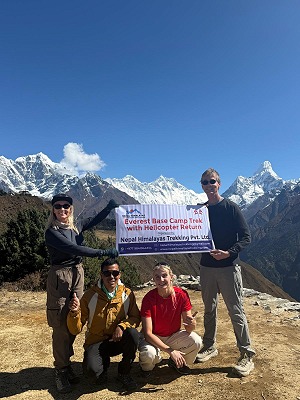
Trek to Everest Base Camp (5,364 m) and Kala Patthar in 14 days with licensed guides, porters, and 2 acclimatization days. From $1,690.
View Details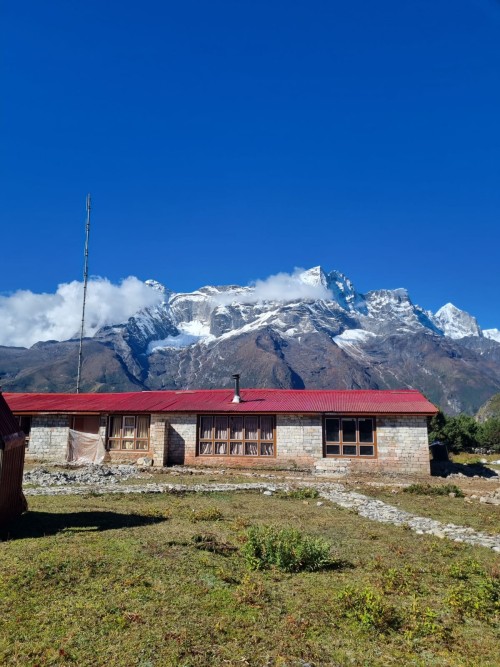
Everest View trek is a very popular trek to view Mount Everest as compared to other trekking trail, because it provides the magnificent view of the Top of the world, Mount Everest.
View Details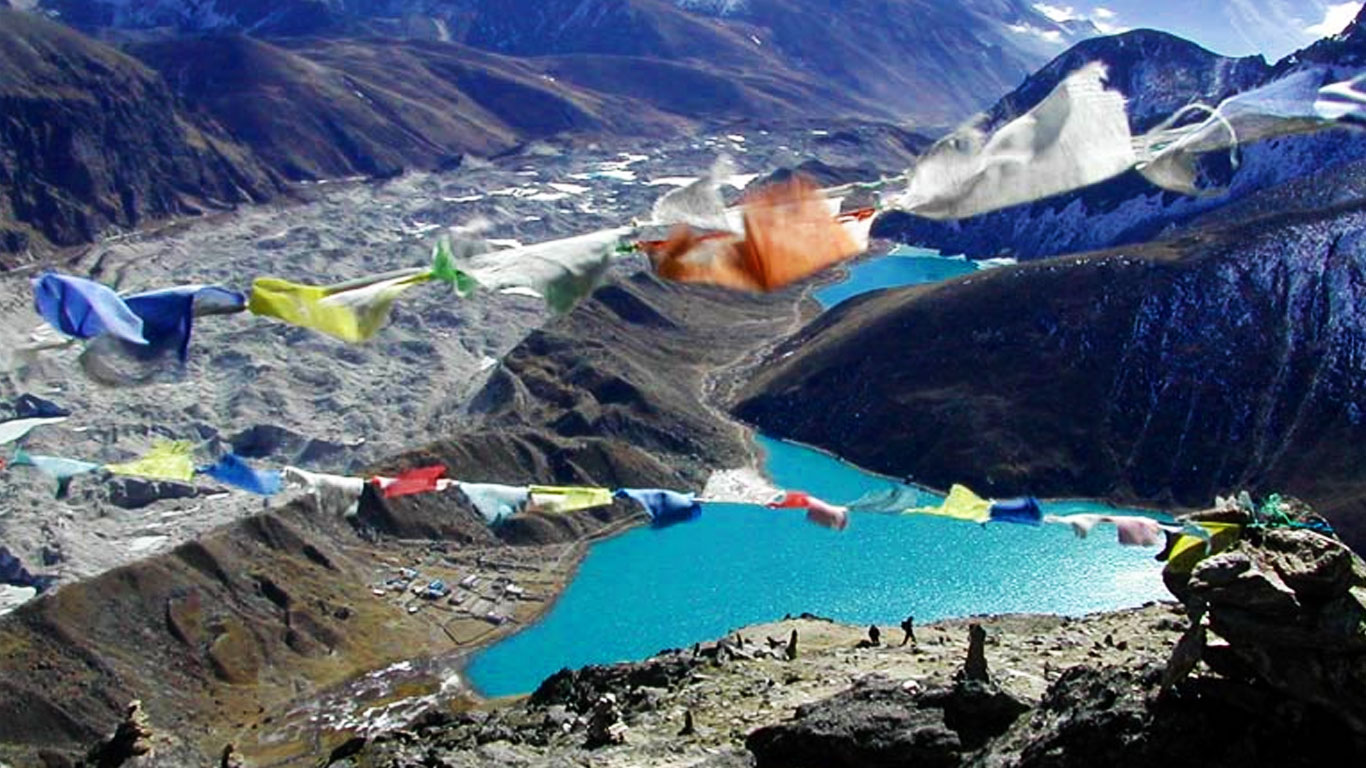
Gokyo Valley trek is one of the best adventure trekking trail in Nepal. It is also one of the beautiful and popular trekking destination in Everest region.
View Details
Everest Three Passes Trek is the strenuous trekking in Everest. The trekking route covers all major viewpoints in Everest including Kongma La, Renjo La and Cho La
View Details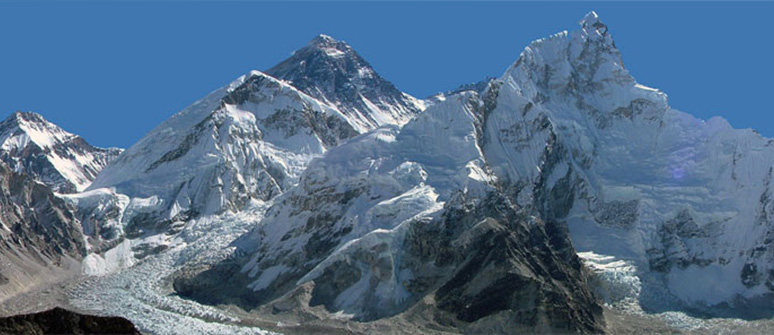
Participating in the Jiri to Everest Base Camp Trekking is the wonderful experience of following the footsteps of Sir Edmund Hillary and Tenzing Norgay in Nepal.
View Details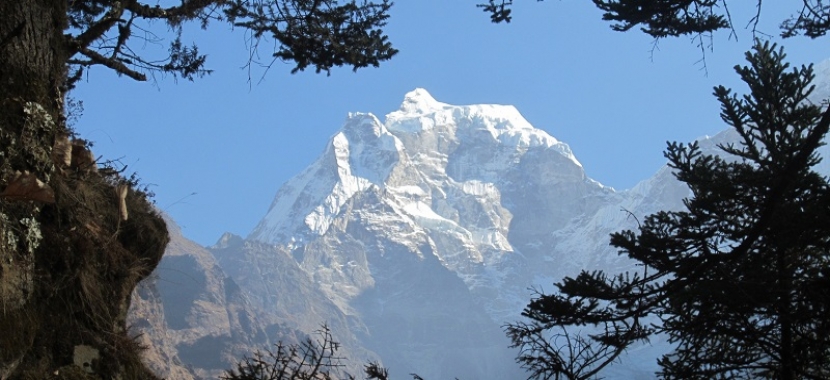
Everest Panorama Trek is just the right package for you if you are staying in Nepal for a short period of time and if you are looking for a short trek in Everest.
View Details
Island Peak, locally known as Imja Tse, stands at 6,189 meters in Nepal's Khumbu region. It is one of Nepal's most popular trekking peaks and is suitable for well-prepared trekkers who want to progress from high-altitude trekking to their first Himalayan peak climb. The journey combines the classic Everest Base Camp route with a technical summit attempt, giving you time to acclimatize before reaching the climbing section.
Our 18-day Island Peak Climbing itinerary begins with a flight to Lukla and follows the Dudh Koshi Valley toward Namche Bazaar, Tengboche, and Dingboche. The route then continues through Lobuche and Gorakshep to Everest Base Camp and Kala Patthar at 5,545 meters. This section allows you to experience the main Everest Base Camp trail while gradually gaining altitude before continuing toward Island Peak.
After the Everest Base Camp section, the route heads back toward Lobuche before crossing Kongma La and continuing to Chhukung in the Imja Valley. This high-altitude section adds another demanding stage to the journey and brings you closer to Island Peak. From Chhukung, you continue to Island Peak Base Camp, where the environment changes from a tea-house trek to a tented climbing camp.
At Base Camp, our climbing team checks your equipment and demonstrates the practical use of climbing gear such as crampons, ice axe, harness, helmet, and rope systems. This preparation is particularly important for climbers attempting a Himalayan peak for the first time. The exact climbing techniques and rope setup can vary according to the snow, ice, and route conditions during the climbing season.
The summit attempt normally begins in the early morning, often around 2:00 AM, to make the most of the available climbing window. The ascent takes you through rocky and glacial terrain toward the 6,189-meter summit. A successful summit depends on weather, route conditions, altitude, and your physical condition, so our climbing team prioritizes safety throughout the attempt.
From the summit, you can experience wide Himalayan views including Lhotse, Nuptse, Ama Dablam, Makalu, Baruntse, and other peaks. After descending from Island Peak, the route returns through Pangboche and Namche Bazaar before reaching Lukla for the flight back to Kathmandu.
The best periods for Island Peak climbing are generally spring, particularly April and May, and autumn, particularly October and November, when trekking and climbing conditions are usually more favorable. Regardless of the season, you need proper acclimatization, physical preparation, suitable climbing equipment, and flexibility because high-altitude weather can change quickly.
Our climbing team supports you throughout the journey, from the Everest Base Camp approach and acclimatization days to climbing preparation at Base Camp and the summit attempt. The itinerary is designed to give you adequate time to adjust to the altitude while experiencing both the cultural landscape of the Khumbu and the technical challenge of climbing Island Peak.
| Detail | Information |
|---|---|
| Peak | Island Peak, locally known as Imja Tse |
| Maximum Elevation | 6,189 m |
| Location | Khumbu region, Nepal |
| Duration | 18 days |
| Main Route | Kathmandu → Lukla → Phakding → Namche Bazaar → Tengboche → Dingboche → Lobuche → Gorakshep → Everest Base Camp → Kala Patthar → Lobuche → Kongma La → Chhukung → Island Peak Base Camp → Pangboche → Namche Bazaar → Lukla → Kathmandu |
| Highest Trekking Point | Kala Patthar, approximately 5,545 m |
| Island Peak Base Camp | Approximately 5,087–5,200 m |
| Summit | 6,189 m |
| Summit Attempt | Usually starts around 2:00 AM |
| Summit Duration | Approximately 10–12 hours |
| Difficulty | High-altitude trekking combined with technical peak climbing |
| Acclimatization | Namche Bazaar and Dingboche |
| Main Climbing Equipment | Crampons, ice axe, harness, helmet, carabiners, ascender, descender, climbing sling, climbing gloves, and rope systems |
| Best Seasons | Spring, particularly April and May, and autumn, particularly October and November |
| Accommodation | Tea houses during the trekking section and camping at Island Peak Base Camp |
| Major Permits | Sagarmatha National Park Entry Permit, Khumbu Pasang Lhamu Rural Municipality Entry Permit, and Island Peak climbing permit |
| Peak Permit Issuing Authority | Nepal Mountaineering Association |
| Starting Point | Kathmandu |
| Trekking Gateway | Lukla |
| Ending Point | Kathmandu |
Day 1: Arrival in Kathmandu
Day 2: Fly to Lukla and Trek to Phakding
Day 3: Trek from Phakding to Namche Bazaar
Day 4: Acclimatization Day in Namche Bazaar
Day 5: Trek from Namche Bazaar to Tengboche
Day 6: Trek from Tengboche to Dingboche
Day 7: Acclimatization Day in Dingboche
Day 8: Trek from Dingboche to Lobuche
Day 9: Trek to Gorakshep, Everest Base Camp and Kala Patthar
Day 10: Trek from Gorakshep to Lobuche
Day 11: Cross Kongma La and Trek to Chhukung
Day 12: Trek from Chhukung to Island Peak Base Camp
Day 13: Acclimatization and Climbing Training at Island Peak Base Camp
Day 14: Summit Island Peak and Return to Base Camp
Day 15: Trek from Island Peak Base Camp to Pangboche
Day 16: Trek from Pangboche to Namche Bazaar
Day 17: Trek from Namche Bazaar to Lukla
Day 18: Departure from Nepal
If you want to climb Island Peak without doing the Everest Base Camp Trek, you can join our 3-day Island Peak Climbing from Chhukung package. This option focuses only on the Island Peak climbing section and starts from Chhukung at approximately 4,730 meters.
It is suitable for trekkers who have already reached Chhukung through the Everest Base Camp Trek, Gokyo Valley Trek, Three High Passes Trek, or another route in the Everest region. From Chhukung, you continue to Island Peak Base Camp, complete your climbing preparation, attempt the 6,189-meter summit, and return to Chhukung.
Day 1: Chhukung to Island Peak Base Camp
Start from Chhukung and trek toward Island Peak Base Camp at approximately 5,087–5,200 meters. The trail passes through rocky and glacial terrain with views of the surrounding Himalayan peaks. After reaching Base Camp, the climbing team checks your equipment and provides practical training on crampons, ice axe, harness, helmet, rope systems, and other climbing equipment. Overnight at Island Peak Base Camp.
Day 2: Island Peak Summit and Return to Base Camp
The summit attempt begins around 2:00 AM. You climb through rocky, snowy, and glacial terrain toward the summit of Island Peak at 6,189 meters. Depending on the season and route conditions, some sections may involve fixed ropes and steep snow or ice. After reaching the summit, you descend carefully to Island Peak Base Camp for rest and recovery.
Day 3: Island Peak Base Camp to Chhukung
After breakfast, trek back from Island Peak Base Camp to Chhukung. The descent provides time to recover after the summit attempt while enjoying views of the Imja Valley and surrounding peaks. Your 3-day Island Peak Climbing from Chhukung package ends in Chhukung.
The 3-day Island Peak Climbing package costs USD 750 per person.
This price applies to the climbing section from Chhukung to Island Peak and back to Chhukung. Transportation and trekking services required to reach Chhukung are not part of this 3-day climbing package and should be arranged separately.
Island Peak is classified as a trekking peak, but the climb should not be approached like an ordinary high-altitude trek. At 6,189 meters (20,305 feet), it combines long-distance trekking, high-altitude acclimatization, cold conditions, snow and ice, and technical climbing.
Altitude is one of the main challenges of the Island Peak Climb. Following the 18-day itinerary, you gradually move from Lukla through Namche Bazaar, Tengboche, Dingboche, Lobuche, Gorakshep, Chhukung, and Island Peak Base Camp.
Important altitude points include:
The itinerary includes acclimatization days around Namche Bazaar and Dingboche. These days are important because they allow you to gain altitude gradually while using short hikes to stay active.
Altitude sickness can cause headache, nausea, dizziness, unusual tiredness, and loss of appetite. More serious symptoms such as confusion, difficulty walking, repeated vomiting, or breathlessness at rest require immediate attention and descent.
The approach to Island Peak Base Camp is primarily high-altitude trekking, but the summit section requires basic mountaineering skills.
Depending on the season and route conditions, you may encounter:
You need to know how to use equipment such as crampons, an ice axe, climbing harness, helmet, carabiners, and rope systems. The exact climbing route can change according to snow, ice, and mountain conditions, so the climbing team assesses the route before the summit attempt.
The Island Peak summit attempt normally starts very early, often around 2:00 AM, when the snow and weather conditions can be more suitable for climbing.
The summit day is physically demanding because you climb in darkness and extreme cold before reaching the higher snow and ice sections. The final ascent requires careful movement with climbing equipment and may involve fixed ropes depending on the conditions.
A summit day can take around 10–12 hours, depending on weather, route conditions, group pace, and individual fitness. The descent is equally important because fatigue increases the risk of slips and mistakes.
Weather can change quickly at high altitude. Strong winds, snowfall, cloud, and poor visibility can affect the summit attempt even when conditions look good at Base Camp.
You should carry:
You should be comfortable with several hours of uphill walking on consecutive days. Training should include:
You should also practise walking at a steady pace rather than trying to move quickly at altitude.
Your travel insurance should specifically cover high-altitude trekking and mountaineering up to 6,189 meters, as well as emergency helicopter evacuation where applicable.
Helicopter evacuation depends on weather, visibility, aircraft availability, and the location of the person requiring assistance. Learn more about Everest region difficulties with our everest guide.
During periods when Lukla flights operate from Ramechhap Airport (Manthali), you need to travel by road from Kathmandu to Ramechhap before taking the flight to Lukla. The drive usually takes around 5–6 hours, so an early morning flight may require a late-night departure from Kathmandu, often around 1:00 AM.
The Lukla flight takes approximately 30–40 minutes and is subject to weather and operational conditions. Flight schedules can change due to poor visibility, strong winds, or other weather-related disruptions, so some flexibility is recommended when planning your itinerary.
The Island Peak Climbing 18 Days package is priced according to the group size. The cost is calculated per person, with lower rates available for larger groups.
| Group Size | Price Per Person |
|---|---|
| 1 person | USD 2,890 |
| 2–5 people | USD 2,690 |
| 6–10 people | USD 2,460 |
| 11–15 people | USD 2,245 |
| 16–25 people | USD 2,110 |
The package price covers the scheduled services listed in the itinerary, including mountain flights, permits, trekking and climbing support, accommodation, meals, and other services specified below.
We are based in Nepal, so our team handles the practical arrangements for the trek and climbing itinerary locally. This includes transportation, accommodation, permits, trekking logistics, and climbing support according to the package.
For Island Peak, climbing support becomes particularly important once you leave the regular trekking route. Our guides assess weather, route conditions, altitude, and your physical condition before making decisions about the summit attempt.
We also keep the trekking and climbing parts of the journey clearly separated. The first section follows the established Everest Base Camp route, while the Island Peak section requires additional preparation and climbing equipment.
Before the summit attempt, the team checks the climbing equipment and provides practical instruction on equipment use and rope techniques. The exact climbing setup can vary according to the route and current snow and ice conditions.
Our approach is to maintain a realistic itinerary rather than treating the summit as something that can be guaranteed. If weather, route conditions, altitude, or your condition make the summit unsafe, the guide can recommend turning around.
If you are planning your first Himalayan peak climb, we can arrange the Island Peak journey from Kathmandu to Lukla and back, including the trekking section, acclimatization days, Island Peak Base Camp preparation, and summit attempt.
The 18-day itinerary is designed to combine Everest Base Camp with Island Peak while allowing time for gradual altitude gain. You will trek through Namche, Tengboche, Dingboche, Lobuche, and Gorakshep, visit Everest Base Camp and Kala Patthar, cross toward Chhukung, and then continue to Island Peak Base Camp.
Before booking, make sure you are comfortable with the physical demands of long trekking days and the technical nature of the summit section. If you are unsure about your experience level, our team can discuss the route, preparation, equipment, and expected conditions with you before you confirm the trip.
Contact Nepal Himalayas Trekking to plan your Island Peak Climbing itinerary and prepare for the 6,189-metre summit attempt with a local trekking and climbing team.
Altitude: 1,400 m
Accommodation: Hotel in Kathmandu
Walking: No scheduled trekking
Your Island Peak Climbing journey begins with your arrival in Kathmandu. Our representative will meet you at Tribhuvan International Airport and transfer you to your hotel. After settling in, you can rest and recover from your journey. Depending on your arrival time, there may also be time to meet the climbing team, check your trekking and climbing equipment, and discuss the itinerary. This preparation is particularly useful for Island Peak because the journey combines a long high-altitude trek with a technical summit attempt.
Altitude: Phakding, 2,610 m
Flight: Kathmandu to Lukla, approximately 30–40 minutes
Trekking: Approximately 3–4 hours
After an early breakfast, you take a flight from Kathmandu to Lukla, the main gateway to the Everest region. The flight provides your first aerial views of the Himalayan landscape before landing at Lukla's mountain airstrip. From Lukla, the trek begins along the Dudh Koshi Valley toward Phakding. The trail passes through small settlements, cultivated land, suspension bridges, and forested sections. This is a relatively short trekking day, allowing your body to begin adjusting to the altitude before the route becomes more demanding.
Altitude: Namche Bazaar, 3,440 m
Trekking: Approximately 5–6 hours
The trail follows the Dudh Koshi River from Phakding toward Namche Bazaar. You cross several suspension bridges and pass through pine and rhododendron forests before reaching the Sagarmatha National Park entry area. The trail gradually becomes steeper as you approach Namche, with the final uphill section requiring a steady pace. Namche sits at around 3,440 meters and is an important acclimatization point on the Island Peak route. The increase in elevation makes this a more demanding day than the previous section, so walking slowly and staying hydrated is important.
Altitude: 3,440 m
Activity: Acclimatization hike
You spend a second night at Namche Bazaar to give your body time to adjust to the increasing altitude. Rather than remaining inactive, you take a short acclimatization hike toward the higher viewpoints around Namche. Depending on conditions, the hike can provide views toward Everest, Lhotse, Ama Dablam, and other Khumbu peaks. The principle is to gain some daytime elevation while returning to Namche to sleep, helping your body adapt before moving higher toward Tengboche and Dingboche.
Namche is also a useful place to check your equipment, purchase any remaining personal supplies, and prepare for the higher sections of the trek.
Altitude: 3,870 m
Trekking: Approximately 5–6 hours
Leaving Namche, the trail follows a scenic hillside route with views of Ama Dablam, Everest, Lhotse, and other Himalayan peaks. After descending toward the Dudh Koshi River, the route climbs through forest toward Tengboche. The landscape gradually changes as you gain altitude and the trail becomes more open. Tengboche is known for its monastery and its importance within the Buddhist culture of the Khumbu. The overnight stay here also gives you another opportunity to adjust to the increasing elevation before continuing toward Dingboche.
Altitude: Approximately 4,380–4,400 m
Trekking: Approximately 4–5 hours
The trail descends through woodland before continuing toward the Imja Valley. As you move higher, the dense forest becomes thinner and the landscape changes to alpine terrain with increasingly exposed mountain slopes. You pass through settlements such as Pangboche and continue toward Dingboche, one of the main acclimatization villages on the Everest route. At around 4,400 meters, the thinner air becomes noticeable, so maintaining a slow and consistent pace is important. Dingboche is also where the journey begins to feel distinctly like a high-altitude expedition rather than a lower-elevation trek.
Altitude: Approximately 4,400 m
Activity: Acclimatization hike
This acclimatization day is important before continuing toward Lobuche, Gorakshep, and eventually Island Peak Base Camp. You take an active acclimatization hike to a higher viewpoint around Dingboche and then return to the village to sleep. The exact hiking destination depends on weather, trail conditions, and how the group is adapting to the altitude.
At this elevation, symptoms such as headache, reduced appetite, dizziness, or unusual fatigue should be taken seriously. Your guide monitors the group and adjusts the pace or plans when necessary. The purpose of the day is not to complete a difficult hike but to allow your body to adapt before gaining more altitude.
Altitude: Approximately 4,940 m
Trekking: Approximately 4–5 hours
The trail leaves Dingboche and climbs toward the higher Khumbu Valley. The vegetation becomes increasingly sparse, and the landscape changes to rocky alpine terrain. You cross the area around the terminal moraine of the Khumbu Glacier and continue toward Lobuche. At nearly 4,940 meters, the effects of altitude become more noticeable, and even a moderate walking distance can feel demanding. A slow pace, regular hydration, and appropriate layering are important on this section.
Altitude: Gorakshep, approximately 5,164 m
Kala Patthar: Approximately 5,545 m
Trekking: Approximately 6–7 hours, depending on conditions
This is one of the most significant days of the Everest Base Camp section. You trek from Lobuche toward Gorakshep along the high-altitude trail beside the Khumbu Glacier before continuing toward Everest Base Camp. At Base Camp, you can see the glacier and surrounding expedition landscape, although the summit of Everest itself is not fully visible from the camp. You then continue to Kala Patthar, the highest point of the day's route, at approximately 5,545 meters. The viewpoint provides an exceptional perspective of Everest, Lhotse, Nuptse, Pumori, and the surrounding peaks. After the excursion, you return to Gorakshep for the night. This high-altitude experience also gives you useful exposure to the conditions you will encounter later during the Island Peak climbing section.
Altitude: Approximately 4,940 m
Trekking: Approximately 4 hours
After the demanding high-altitude excursion of the previous day, you descend from Gorakshep toward Lobuche. The shorter walking distance provides an opportunity to recover while still remaining at high altitude. The route follows the familiar trail through the Khumbu landscape, with rocky terrain and views of the surrounding peaks. Descending even a few hundred meters can make the walk feel easier, but you should continue to monitor hydration, appetite, sleep, and any altitude-related symptoms.
Altitude: Chhukung, approximately 4,730 m
Trekking: Approximately 6–7 hours
The route now leaves the main Everest Base Camp trail and heads toward the Imja Valley through the high mountain terrain of Kongma La. This is a demanding section involving steep ascents, rocky ground, and high-altitude conditions. Depending on seasonal conditions, snow and ice can make the pass more challenging. From the higher terrain, the route descends toward Chhukung, where you spend the night. Reaching Chhukung places you directly in the valley leading toward Island Peak and marks the transition from the Everest Base Camp trekking section to the peak-climbing stage.
Altitude: Approximately 5,087–5,200 m
Trekking: Approximately 4–5 hours
From Chhukung, you follow the route toward Island Peak Base Camp through increasingly rocky and exposed terrain. The surrounding landscape is dominated by high peaks, moraine, and glacial features. As you approach Base Camp, the environment becomes considerably more remote and alpine than the tea-house villages lower on the route. The climbing team establishes camp and prepares the equipment required for the summit attempt. At this elevation, cold temperatures and thin air make even simple activities more tiring, so the remainder of the day is kept focused on rest, hydration, equipment preparation, and understanding the climbing plan.
Altitude: Approximately 5,087–5,200 m
Activity: Acclimatization and climbing training
You spend the day at Island Peak Base Camp preparing for the summit attempt. The climbing team checks your equipment and provides practical guidance on using crampons, an ice axe, harness, helmet, carabiners, and rope systems. Depending on the conditions and the climbing team's assessment, you may practise movement on snow or ice and the techniques needed for fixed-rope sections.
This preparation is especially important for first-time peak climbers. Island Peak is classified as a trekking peak, but the summit route includes technical terrain and should not be treated like an ordinary trekking trail. The exact route and climbing techniques used can change according to snow, ice, and mountain conditions.
Island Peak Summit: 6,189 m
Climbing: Approximately 10–12 hours
Start: Usually around 2:00 AM
The summit attempt normally begins in the early hours of the morning. Starting around 2:00 AM allows the climbing team to make progress before the later part of the day, when wind and weather conditions can become less favorable. The ascent begins in darkness and cold conditions before reaching the snow and glacier sections.
You use climbing equipment such as crampons, an ice axe, harness, helmet, and ropes as required by the route. The upper section can involve steep snow and ice, exposed terrain, and fixed ropes depending on the season and route conditions. Reaching the 6,189-meter summit of Island Peak depends on weather, route conditions, altitude, and individual physical condition. After spending appropriate time at the summit, you descend carefully to Base Camp. The descent is an important part of the climb because fatigue can increase the risk of slips and mistakes.
If weather, wind, visibility, snow conditions, altitude symptoms, or another safety concern makes the summit unsafe, the climbing guide may decide to turn back. A successful expedition is ultimately one where the team returns safely.
Altitude: Approximately 3,985 m
Trekking: Approximately 5–6 hours
After completing the Island Peak summit attempt, you leave Base Camp and descend toward Pangboche. The loss of altitude usually makes breathing and physical recovery easier after the high-altitude climbing section. The trail passes back through the Imja Valley and continues toward lower alpine terrain. Pangboche provides a much more comfortable environment for recovery compared with the cold and exposed conditions around Base Camp.
Altitude: Approximately 3,440 m
Trekking: Approximately 3–4 hours
The trail continues through the Khumbu landscape toward Namche Bazaar. You pass through familiar villages and forested sections while gradually losing altitude. The lower elevation and shorter walking day provide further recovery after the summit attempt. Once in Namche, you can rest, enjoy a warm meal, and spend time in the lively mountain town before the final trekking day toward Lukla.
Altitude: Approximately 2,860 m
Trekking: Approximately 7–8 hours
Your final trekking day follows the Dudh Koshi Valley from Namche toward Lukla. The route includes downhill sections, suspension bridges, forests, and villages that you passed earlier in the journey. Although the altitude is now considerably lower, this is still a long walking day, and your legs may feel tired after the Island Peak climb. Reaching Lukla marks the completion of the trekking and climbing section of the expedition.
Flight: Lukla to Kathmandu, approximately 30–40 minutes
Accommodation: Not included
After breakfast, you will be transferred to Lukla Airport for your flight to Kathmandu, subject to weather and operating conditions. Mountain flights can be affected by visibility and weather, so flight schedules may change.
Upon arrival in Kathmandu, our representative will assist with your transfer to the airport for your international departure, according to your flight schedule. This marks the end of your Everest Base Camp and Island Peak Climbing 18 Days journey. If you are staying longer in Nepal, perhaps you would like to take another trek or tour with us. make a enqury!
Enjoy nights in Kathmandu at a quality 3-star hotel on a twin-sharing or double occupancy basis, with daily breakfast included. (Private rooms are available on request for an additional fee.)
All nights in teahouses/lodges along the Everest trail, based on twin-sharing. Guesthouses in Lukla, Phakding, and Namche feature attached bathrooms for added comfort.
During your 1 or 2-night stay at Island Peak Base Camp, you'll stay in high-quality waterproof and wind-resistant tents, complete with dining tents, a kitchen setup, toilet tents, tables, and chairs.
All meals during the trek are included (breakfasts, lunches, and dinners)
A special farewell dinner in Kathmandu on your final evening in Nepal.
All airport pickups and drop-offs (domestic and international) in Kathmandu are made using comfortable tourist vehicles.
Round-trip domestic flights between Kathmandu/Manthali and Lukla.
Ground travel from Kathmandu to Manthali and back via shared tourist transport.
An experienced, licensed trekking guide, fluent in English, with first-aid training and in-depth local knowledge. (For groups of more than 8 to 14 trekkers, two guides will be provided.)
Porter service throughout the trek (1 porter per 2 trekkers) to carry your duffel bags.
Full staff logistics covered, including wages, accommodation, meals, insurance, and proper trekking/climbing gear.
A professional climbing Sherpa will lead and assist you during the Island Peak summit.
Sagarmatha National Park Entry Permit
Pasang Lhamu Rural Municipality Fee
TIMS (Trekkers’ Information Management System) card
Island Peak Climbing Permit
Complimentary trekking kit: branded duffel bag, trekking map, sun hat, and buff/neck gaiter.
A trip completion certificate to commemorate your achievement.
Access to all group climbing gear, including ice screws, ropes, snow bars, and ice hammers.
All official paperwork, local taxes, and administrative charges are fully included.
Meals (lunch and dinner) while staying in Kathmandu. But Breakfast is included in the Hotel
International airfare and any applicable airport departure fees
Nepal tourist visa (obtainable upon arrival at Tribhuvan International Airport in Kathmandu; fees: USD 30 for 15 days, USD 50 for 30 days, and USD 125 for 90 days)
Comprehensive travel insurance that includes coverage for high-altitude rescue and emergency evacuation
All types of drinks, like tea, coffee, Mineral water, Beers... in the Mountains.
Gratuities for guides, porters, and drivers
Personal trekking clothing, gear, and equipment
Any costs not specifically mentioned under the “Included in the Price” section
Island Peak, also known as Imja Tse, stands at 6,189 meters in Nepal's Khumbu region.
The itinerary is 18 days, beginning with arrival in Kathmandu and ending with the flight from Lukla back to Kathmandu.
Yes. The 18-day itinerary combines the Everest Base Camp route with the Island Peak summit attempt. It includes Everest Base Camp and Kala Patthar at approximately 5,545 meters before continuing toward Chhukung and Island Peak Base Camp.
Island Peak combines high-altitude trekking with technical climbing. The summit reaches 6,189 meters and can involve snow, ice, glacier terrain, fixed ropes, exposed sections, and a summit day lasting around 10–12 hours.
Previous mountaineering experience is helpful but not always essential. Island Peak can be suitable for a well-prepared trekker attempting a Himalayan peak for the first time, provided they have good fitness and are prepared for altitude, cold, long summit hours, and technical terrain.
The summit attempt normally begins around 2:00 AM, although the exact start time can depend on weather, route conditions, and the climbing team's assessment.
The climbing equipment can include mountaineering boots, crampons, an ice axe, climbing harness, helmet, carabiners, ascender, descender, climbing sling, climbing gloves, goggles or suitable high-altitude sunglasses, and rope systems.
The main climbing seasons are spring, particularly April and May, and autumn, particularly October and November. Both periods generally offer favorable conditions, although weather and mountain conditions can change quickly.
The route requires a Sagarmatha National Park Entry Permit, Khumbu Pasang Lhamu Rural Municipality Entry Permit, and Island Peak climbing permit through the Nepal Mountaineering Association.
Many trekking and mountaineering items can be purchased or rented from shops in Kathmandu. Our team can also check your equipment before the trek and help identify anything that is missing or unsuitable for the climb.
The summit attempt may be adjusted or stopped if weather, wind, visibility, snow, ice, altitude, route conditions, or another safety concern makes the climb unsafe. The climbing guide makes the final safety decision based on the conditions.
Emergency helicopter evacuation can be arranged where applicable, subject to weather, visibility, aircraft availability, and the location of the person requiring assistance. Travel insurance should specifically cover high-altitude trekking and mountaineering up to 6,189 meters and emergency helicopter evacuation where applicable.
The trekking section uses local tea houses, generally with twin-sharing rooms and shared bathrooms. At Island Peak Base Camp, the accommodation changes to two-person all-weather tents, with a dining tent and portable toilet facilities.
Preparation should include cardiovascular endurance, uphill walking, stair climbing, leg and core strength, and long-distance hikes. You should also become familiar with the symptoms of altitude sickness and be prepared to use basic climbing equipment under the guidance of the climbing team.
The best time to climb Island Peak depends largely on weather, snow conditions, visibility, and trail conditions. For the 18-day Everest Base Camp and Island Peak itinerary, spring (April-May) and autumn (October-November) are generally the most favorable seasons. Both periods offer suitable conditions for high-altitude trekking and climbing, although the experience can differ between the two seasons.
Spring is one of the most popular seasons for Island Peak climbing. The weather generally becomes more stable, while the lower sections of the Everest region begin to show their full range of spring vegetation.
Autumn is another preferred season for Island Peak climbing. The monsoon has generally cleared the atmosphere, bringing good visibility and relatively dry conditions to the trekking routes.
Both seasons offer favorable conditions, but they provide slightly different experiences:
Island Peak can be attempted outside the main spring and autumn seasons, but conditions become less predictable.
Regardless of the season, Island Peak requires proper acclimatization, physical preparation, suitable climbing equipment, and flexibility. Your summit attempt depends on weather, route conditions, altitude, and your physical condition, so the climbing team prioritizes safety throughout the climb. Learn more about Everest region best season and best time with our Everest guide.
Several permits are required for the Everest Base Camp and Island Peak route.
This permit is required to enter Sagarmatha National Park and trek through the Everest region.
This is the local entry permit required for the Khumbu region.
The Island Peak climbing permit is issued through the Nepal Mountaineering Association (NMA).
The traditional seasonal rates are:
Permit requirements and fees can change, so the final permit arrangement should always follow the regulations applicable to your climbing season. Our team handles the required permit arrangements and keeps the necessary documents ready for checkpoints along the route. Learn more about the permit needed in Everest region with our Everest permit guide.
Accommodation during the 18-day Island Peak Climbing journey changes as you move from the lower Everest region toward the high-altitude climbing section. The trekking portion uses local tea houses, while the Island Peak section includes tented accommodation at Base Camp and High Camp.
Tea houses are the main form of accommodation during the Everest Base Camp trekking section. These locally operated lodges provide a simple place to sleep, eat, and rest after each day on the trail.
You generally stay in twin-sharing rooms with two single beds. Basic bedding, pillows, and blankets are normally available, but a warm sleeping bag is important as temperatures become colder at higher elevations.
The package includes 13 nights of accommodation in mountain tea houses along the trekking route.
Bathrooms are generally shared and may have either squat or Western-style toilets. Hot showers are available at many tea houses, usually for an additional charge of around USD 2–5, depending on the location.
Tea houses usually have a communal dining room where trekkers eat, rest, and spend time with other groups. Many dining areas use a central stove for warmth, particularly during colder evenings.
Meals commonly include dal bhat, noodles, pasta, pancakes, soups, and other simple trekking dishes.
Electricity is available at many tea houses, although charging electronic devices usually comes with an additional fee. Availability can become more limited as you gain altitude.
Wi-Fi is available at many lodges along the Everest Base Camp route, but the connection can become slower and less reliable at higher elevations. It may also require an additional payment.
Staying in tea houses also gives you an opportunity to experience the hospitality of the local communities and the daily rhythm of villages in the Khumbu.
Once you leave the tea-house section and begin the Island Peak climbing stage, accommodation changes to tents. The package includes two nights of tented accommodation during the Base Camp and High Camp section.
You normally stay in two-person all-weather tents, with sleeping mats provided as part of the camping arrangement. A warm sleeping bag suitable for high-altitude conditions is essential because temperatures can fall well below freezing.
A separate dining tent is arranged for meals, group gatherings, and preparation before the climbing stages. It provides a sheltered space to eat and discuss the plan with the climbing team.
During the camping section, the team prepares hot meals, including soups, rice, pasta, and snacks. On summit day, a packed lunch is provided as part of the package.
A portable toilet tent is arranged at the climbing camp. Facilities are considerably more basic than those available at tea houses, so personal hygiene preparation is important during this section.
The camping section is supported by guides, porters, and cooks who help with camp arrangements, meals, equipment, and other practical requirements. The package includes a licensed climbing guide for three days during the Island Peak climbing section.
The change from tea houses to camping marks an important stage of the Island Peak journey. By this point, you have already spent several days trekking through the Everest region and have reached high elevations before entering the climbing section.
Tea houses provide a bed, dining area, and basic facilities during the approach. At Island Peak Base Camp and High Camp, the environment becomes more remote and the facilities are simpler. You will spend more time focusing on rest, hydration, equipment preparation, and the summit attempt.
This combination allows the 18-day itinerary to follow the natural progression of the journey, from established mountain lodges to a dedicated high-altitude climbing camp.
Packing for Island Peak requires equipment for both the Everest Base Camp trek and the technical summit climb**. You will experience changing temperatures, high-altitude conditions, snow and ice, and an early-morning summit attempt. Pack carefully, but avoid carrying unnecessary weight.
The technical climbing equipment required for the Island Peak summit should be confirmed with the climbing team before departure. Depending on the package and equipment arrangement, you may need:
The exact equipment and rope system can vary according to the route and conditions on Island Peak. Our climbing team checks the equipment and provides guidance before the summit attempt.
High-altitude sunlight can be intense, so sunscreen, sunglasses, and lip protection are particularly important. Carry personal medication in your daypack rather than placing it in your main luggage.
Electricity and charging facilities are available at many tea houses for an additional fee, but availability becomes more limited at higher elevations. A power bank is therefore useful.
Try to keep your personal trekking gear as light as practical. With porter support, you can carry a smaller daypack with water, snacks, layers, personal medication, sunscreen, camera, and other essentials while the porter carries the main luggage.
You do not need to purchase every item before arriving in Nepal. Kathmandu has trekking and mountaineering shops where many items can be purchased or rented. Before the trek, our team can check your equipment and help identify anything that is missing or unsuitable for the Island Peak climb.
For the summit day, carry only the equipment and personal items required for the climb. Keeping your summit pack light helps you conserve energy during the long ascent and descent.
The Island Peak route passes through several different landscapes as you gain altitude.
The lower section around Lukla, Phakding, and Namche includes pine and rhododendron forests, river valleys, suspension bridges, and cultivated hillsides. As you continue toward Tengboche and Dingboche, the forest becomes thinner and the landscape changes to alpine meadows and open mountain valleys.
Higher sections around Lobuche, Gorakshep, Chhukung, and Island Peak Base Camp are dominated by rocky terrain, moraine, snow, glaciers, and high Himalayan peaks.
The Sagarmatha region is also known for wildlife such as the Himalayan tahr, musk deer, Himalayan monal, and other mountain birds and animals. Wildlife sightings are not guaranteed, particularly at the higher elevations where vegetation becomes sparse.
The changing landscape is one of the notable parts of the 18-day journey, from forested valleys to the high-altitude environment around Island Peak.
The Island Peak Climb combines a classic Everest Base Camp trek with a technical Himalayan peak ascent.
During the first part of the journey, you trek through Lukla, Phakding, Namche Bazaar, Tengboche, Dingboche, Lobuche, and Gorakshep. You also hike to Everest Base Camp and Kala Patthar before returning toward the Imja Valley.
The route then moves toward Chhukung and Island Peak Base Camp, where the character of the journey changes from high-altitude trekking to peak climbing.
You can expect:
The approach gives you time to adjust to the altitude before reaching the technical climbing section. At Base Camp, you prepare for the summit attempt before climbing to the 6,189-meter Island Peak summit.
The route passes through communities where Sherpa culture and Tibetan Buddhist traditions remain an important part of everyday life.
Namche Bazaar, Tengboche, Dingboche, and Chhukung provide opportunities to see the traditional lifestyle of the Khumbu communities. You will encounter stone houses, mani walls, prayer flags, chortens, monasteries, and small mountain farms along the route.
Tengboche is particularly important for its monastery and Buddhist traditions. Prayer flags and mani stones are common throughout the trekking route.
When passing mani walls or chortens, it is respectful to follow the local tradition of walking around them in a clockwise direction. Ask before taking photographs of people, religious ceremonies, or private spaces.
A puja ceremony may be held before an Island Peak summit attempt. The exact ceremony depends on the climbing group and local arrangements.
Offerings, incense, rice, prayer flags, and Buddhist prayers may form part of the ceremony. Climbers participate to seek blessings and safe passage before entering the high mountain environment.
Mani Rimdu, celebrated at Tengboche, is one of the important Buddhist festivals in the Everest region. Losar, the Tibetan and Himalayan New Year, is another important cultural occasion.
Festival dates follow traditional calendars and therefore change from year to year.
Island Peak requires long days of trekking before the actual summit attempt. Focus on cardiovascular endurance, uphill walking, stair climbing, leg strength, and regular long-distance hikes before arriving in Nepal.
Do not judge the difficulty of the climb only by your performance at lower elevations. The route becomes increasingly demanding after Dingboche as oxygen levels decrease.
Follow the acclimatization schedule and tell your guide immediately if you develop symptoms of altitude sickness.
If this is your first peak climb, learn how to use:
Your climbing team can provide practical instruction and guidance before the summit attempt.
Temperatures change significantly between Kathmandu, Namche, Dingboche, Base Camp, and the summit.
Use a layering system and carry a warm down jacket, thermal layers, waterproof outerwear, gloves, hat, sunglasses, and a suitable sleeping bag.
Carry only essential items during the summit attempt. Your climbing team will advise you about the equipment required for the day.
Drink water regularly throughout the trek. Carry a reusable bottle or hydration system and use safe drinking water from tea houses or treated water sources.
Mobile coverage and Wi-Fi can become unreliable as you move higher into the Khumbu. Keep important information available offline and carry enough Nepali cash for personal expenses such as charging, showers, snacks, or Wi-Fi.
Mountain weather can change quickly. A clear morning does not guarantee good conditions later in the day. The climbing team may adjust the summit schedule according to wind, snowfall, visibility, and route conditions.
Your guide and climbing team play an important role in managing altitude, route conditions, equipment, and safety. Follow their instructions, especially during the technical climbing section and summit descent.
Avoid leaving waste on the trail, use designated toilets, respect monasteries and religious sites, and ask permission before photographing local people or ceremonies.
The summit cannot be guaranteed because mountain conditions are outside anyone's control. The final decision should always prioritize safety, weather, route conditions, and your physical condition.
Reaching the summit of Island Peak is never guaranteed. The final decision depends on the conditions on the mountain and how you are performing on summit day.
Weather and visibility: Strong wind, snowfall, cloud, poor visibility, or rapidly changing weather can make the upper route unsafe.
Snow and ice conditions: The condition of the glacier, steep snow, and fixed-rope sections can change with the season. Your guide assesses the route before and during the climb.
Altitude: At 6,189 metres, the effects of altitude can become significant. Headache, nausea, unusual fatigue, dizziness, or difficulty walking should not be ignored.
Physical condition: A long summit day can take around 10–12 hours. Exhaustion, dehydration, or loss of coordination can affect your ability to descend safely.
Route and climbing conditions: The technical sections may require crampons, an ice axe, harness, helmet, and rope systems. The exact climbing conditions can vary according to snow, ice, and weather.
If your guide decides that continuing is unsafe, the summit attempt may be stopped and you will descend with the team. A summit is an objective, but a safe return is the priority.
Island Peak can be suitable for trekkers preparing for their first Himalayan peak climb, but it should not be approached as a normal trekking route.
You should arrive with good cardiovascular fitness, strong legs, and the ability to walk for several consecutive hours at high altitude. Training should include uphill walking, stairs, hiking, and strength work for the legs and core. Regular training with a loaded backpack is also useful.
Previous mountaineering experience is helpful but not always essential. During the climbing preparation, our team can provide practical guidance on using equipment such as crampons, an ice axe, harness, helmet, carabiners, and climbing ropes.
The bigger concern for first-time climbers is usually the combination of altitude, cold, long summit hours, and technical terrain. You should also understand the symptoms of altitude sickness and report them to your guide rather than trying to push through them.
For this reason, Island Peak is better suited to a well-prepared trekker who is new to peak climbing than someone with no trekking or high-altitude experience.
Everest Base Camp and Island Peak have different objectives, even though they share much of the same route.
Everest Base Camp Trek: The main challenge is sustained high-altitude trekking. You walk through the Khumbu Valley, reach Everest Base Camp at about 5,364 metres, and visit Kala Patthar at around 5,545 metres.
Island Peak Climbing: The journey includes the Everest Base Camp route but adds a technical climbing section to Island Peak at 6,189 metres. The final ascent involves mountaineering equipment, steep snow and ice, and a summit attempt.
For travellers who want both experiences, our 18-day Everest Base Camp and Island Peak itinerary combines the two. You first gain altitude through Namche, Tengboche, Dingboche, Lobuche, and Gorakshep before continuing toward Chhukung and Island Peak Base Camp.
This route also gives you time to become familiar with high-altitude conditions before the climbing section. The experience at EBC and Kala Patthar forms part of the overall acclimatization and preparation for the higher Island Peak summit attempt.