
Any Question? Email Us
info@nepalhimalayastrekking.comTalk To An Expert ( Prakash Lamsal )
Any Question? Email Us
info@nepalhimalayastrekking.comTalk To An Expert ( Prakash Lamsal )
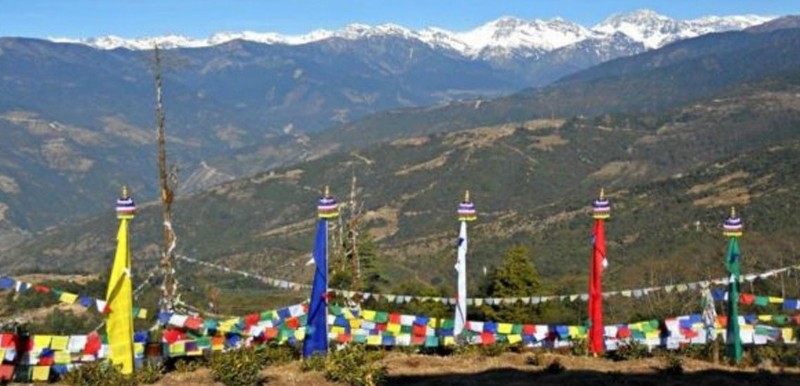
The Helambu Trek is a 9-day journey through the hills and mountain villages northeast of Kathmandu, combining forest trails, terraced farmland, Himalayan viewpoints, Buddhist culture, and traditional Tamang and Sherpa communities. The route is relatively close to Kathmandu, making it a practical choice for trekkers who want to experience the Himalayan landscape without committing to a long high-altitude expedition.
Our 9-day Helambu Trek begins with a scenic drive from Kathmandu to Sundarijal, where the trail enters the forested hills. From Sundarijal, the route climbs through woodland toward Chisapani before continuing through rural settlements and ridgelines toward Kutumsang and the higher areas around Tharepati. Along the way, the landscape changes from dense forest and cultivated hillsides to open meadows and mountain viewpoints.
The Helambu region is traditionally associated with the Yolmo, also spelled Hyolmo, community, alongside Tamang and Sherpa communities. Walking through villages gives you opportunities to see traditional houses, farmland, Buddhist shrines and monasteries, prayer flags, and the everyday rhythm of mountain life. The cultural experience is closely connected with the landscape, particularly around settlements such as Melamchi Gaon, Tarkeghyang and Sermanthang.
The highest point of the trek is around Tharepati at approximately 3,640 metres. From the higher sections, the trail opens toward views of peaks including Langtang, Dorje Lakpa, Gauri Shankar and Langsisa, depending on weather and visibility. Forests of oak and rhododendron remain a major part of the route, while streams, grassy slopes, terraced fields and mountain villages add variety to the walking days.
The Helambu Trek also offers a different experience from the busier trekking routes farther into Nepal's high Himalayas. The walking is moderate rather than expedition-style, and the route combines altitude with relatively accessible trailheads from Kathmandu. This makes Helambu suitable for trekkers looking for a shorter Himalayan experience focused equally on scenery, village life and local culture.
| Trip Information | Details |
|---|---|
| Trek Duration | 9 Days |
| Trip Grade | Moderate |
| Start / End | Kathmandu / Kathmandu |
| Maximum Altitude | Approximately 3,640 m |
| Group Size | 1–10 people |
| Best Seasons | March, April, May and September, October, November |
| Region | Helambu, Langtang region |
| Trek Style | Teahouse / Lodge trekking |
For trekkers who want to extend the experience, the Helambu route can also be combined with higher-altitude areas and nearby destinations. Our Langtang Helambu Trekking itinerary combines the Langtang and Helambu regions with Gosainkunda and the Lauribina Pass, reaching higher elevations than the standard Helambu route.
You can also add a day before or after the trek for Kathmandu Sightseeing, with options including Kathmandu Durbar Square, Swayambhunath, Pashupatinath and Boudhanath.
The standard Helambu Trek requires a TIMS Card and Langtang National Park entry permit. For foreign trekkers from countries outside SAARC, the current TIMS fee is NPR 2,000 per person, while the Langtang National Park entry fee is NPR 3,000 per person, making the current combined permit cost NPR 5,000 per person. SAARC nationals have different rates, with TIMS at NPR 1,000 and Langtang National Park entry at NPR 1,500 per person.
Helambu is listed by the Nepal Tourism Board among the trekking routes requiring a licensed guide and agency-issued TIMS Card. Permit fees and regulations can change, so the applicable charges should be confirmed at the time of booking. For an organized trek with us, we arrange the required permits as part of the trip preparation.
Yes. The Helambu Trek can be customized according to your available time, walking pace, fitness level and preferred experience. You can shorten the itinerary for a quicker mountain escape or add extra days for slower walks and more time in the villages.
For a more challenging experience, you can extend the trek toward Lauribina Pass and Gosainkunda, reaching around 4,610 m. This adds higher-altitude walking and requires additional time for acclimatization. You can explore our Langtang Helambu Trekking itinerary for a longer route option.
You can also add Kathmandu sightseeing before or after the trek, including places such as Kathmandu Durbar Square, Swayambhunath, Boudhanath and Pashupatinath. See our Kathmandu Sightseeing program for details.
We can adjust the itinerary around the season, trail conditions, accommodation, transportation and your preferred walking distance to create a Helambu trek that fits your travel plans.
We arrange the Helambu Trek with attention to the practical details that matter on this route. Our team handles the necessary trip arrangements while our guides accompany you through the forest trails, villages and higher sections around Tharepati.
We focus on keeping the trek comfortable and properly organized rather than rushing through the route. Walking pace, weather, trail conditions, accommodation and altitude all matter on Helambu, particularly on the climb toward Tharepati and the long descent toward Melamchi Pul Bazaar.
The Helambu region is particularly rewarding when you take time to understand the villages and landscapes along the trail. Our local trekking experience helps us explain the places you pass rather than simply leading you from one overnight stop to the next.
If you are planning the Helambu Trek, we can also customize the itinerary around your available time, preferred walking pace and travel plans. You can contact Nepal Himalayas Trekking to discuss your dates, group size and any additions such as Lauribina Pass, Gosainkunda or Kathmandu sightseeing. We can help you choose a practical itinerary and arrange the trek according to the season and current trail conditions.
The Helambu Trek gives you a compact Himalayan journey through forested ridges, traditional mountain villages, Buddhist culture and views toward the Langtang and surrounding Himalayan ranges. If you want to experience the region at a comfortable pace, we can arrange the trek around your preferred dates and group size.
For current availability, package cost and customization, contact Nepal Himalayas Trekking and discuss your Helambu Trek with our team before booking. Ready to plan your Helambu Trek? Make an enquiry with Nepal Himalayas Trekking and tell us your preferred dates and requirements.
Upon arrival at Tribhuvan International Airport in Kathmandu, a representative from Nepal Himalayas Trekking will meet you and assist with your transfer to the hotel. After some time to refresh and settle in, you will attend a trek briefing with your guide, who will explain the route, daily walking arrangements and other important details. You will then have the evening to rest and prepare for the trek.
An approximately one-hour drive from Kathmandu takes you to Sundarijal, the starting point of the Helambu Trek. From here, the trail enters the wooded area of Shivapuri, passing through forest and wetland surroundings before reaching Mulkharka, a picturesque Tamang village. The trail then continues through rhododendron forest with a mixture of ascents and descents before reaching Chisapani, where you spend the night.
Leaving Chisapani, the trail continues toward Pati Bhanjyang at 1,860 m, providing a convenient place for a short break. From here, the route climbs through Chipling at 2,170 m and Thodang Betine at 2,260 m. The trail passes terraced farmland, chortens and mountain landscapes before continuing to Gul Bhanjyang for the overnight stay.
Today is one of the more demanding sections of the trek as the trail gains considerable elevation toward Tharepati. The route passes through Kutumsang at 2,450 m and continues through rhododendron and fir forest toward Panghu. Higher sections provide views toward Langtang Lirung and the surrounding Himalayan ranges. The trail continues toward Magen Goth at 3,420 m before reaching Tharepati at 3,640 m for the night.
The trail descends steeply from Tharepati toward the Melamchi Khola before continuing across the valley toward Tarke Gyang. After crossing the lower section, the route climbs toward the meadows and settlement of Tarke Gyang. The village has a strong Sherpa character and is home to an old gompa with a large prayer wheel. You will spend the night at Tarke Gyang.
After breakfast, continue toward Sermanthang, passing through the small Sherpa village of Gangyul at approximately 2,520 m. The trail then moves through forest and a ravine before reaching Chumik. From Chumik, the route continues toward Sermanthang, a larger Sherpa settlement at 2,610 m. The surrounding area provides views toward Ganesh Himal, Langtang and Rolwaling.
The final trekking day takes you through several villages as the trail gradually descends toward Melamchi Pul Bazaar. The route passes through Nigale, Gyalsha and Raithani Gyang at around 2,290 m before continuing through pine forest toward Dubha Chaur. From here, the trail descends further into the lower valley and reaches Melamchi Pul Bazaar at 880 m, where you spend the night.
After breakfast, drive back to Kathmandu, taking approximately two hours. Once you arrive, you can rest at the hotel and enjoy some free time after completing the trek. In the evening, join a farewell dinner at a traditional Nepali restaurant and share your experiences from the Helambu journey.
Your Helambu Trek comes to an end today. After breakfast, our representative will assist you with your final preparations and transfer you to Tribhuvan International Airport for your onward flight. We wish you a safe journey and hope to welcome you again in Nepal.
Our Helambu Trek is a 9-day package, starting and ending in Kathmandu.
The route reaches approximately 3,640 metres around Tharepati, which is also the maximum altitude stated in the package information.
Helambu is graded Moderate. The trek involves regular uphill and downhill walking and reaches around 3,640 metres, but it does not require technical climbing.
Previous high-altitude trekking experience is not essential. However, you should have reasonable fitness and be comfortable walking for several hours on consecutive days.
The main seasons are March to May and September to November. Spring is particularly attractive for rhododendron forests, while autumn generally offers clearer mountain views.
Yes, the trek can be suitable for beginners who have prepared properly and are comfortable with moderate daily walking. The higher section around Tharepati still requires sensible pacing and preparation.
Accommodation is generally in mountain teahouses and lodges. Rooms are usually simple and commonly arranged for two people, with shared bathroom facilities in some locations.
Teahouses generally serve Nepali, Asian and some Western-style meals. Dal bhat, noodles, thukpa, soups, momos, eggs, bread and other simple trekking meals are commonly available.
Travel insurance is strongly recommended. Your policy should cover trekking at the maximum elevation of the route and provide suitable medical and emergency evacuation coverage.
Yes. The duration, walking pace, transportation and other arrangements can be discussed according to your schedule and requirements.
The Helambu Trek is suitable for trekkers with a reasonable level of fitness who can comfortably walk for several hours on consecutive days. You do not need previous high-altitude trekking experience, but the route includes regular uphill and downhill sections, uneven trails and a higher section around Tharepati, so some preparation is important.
It is particularly suitable if you have limited time in Nepal but still want to experience mountain scenery, traditional villages and Himalayan culture. The relatively accessible trailhead near Kathmandu also means that you spend less time on long road journeys before reaching the trekking route.
The trek can also work well as an introduction to trekking in Nepal. Those planning longer or higher routes can use Helambu to become familiar with walking several hours a day, staying in mountain lodges and dealing with changing weather and elevation.
The Helambu Trek is a moderate trek with repeated climbs and descents, uneven mountain trails and a higher section around Tharepati. Starting your preparation several weeks before the trek will help you handle the walking days more comfortably.