Any Question? Email Us
info@nepalhimalayastrekking.comTalk To An Expert ( Prakash Lamsal )
Any Question? Email Us
info@nepalhimalayastrekking.comTalk To An Expert ( Prakash Lamsal )
Quick answer: Peak climbing in Nepal means summiting one of the 27–33 "trekking peaks" officially designated by the Nepal Mountaineering Association (NMA) — mountains between roughly 5,800m and 6,500m that require basic mountaineering skills (crampons, ice axe, fixed ropes) but not a full expedition permit. The most climbed are Island Peak (6,189m), Mera Peak (6,476m), Lobuche East (6,119m), Pisang Peak (6,091m), and Chulu Far East (6,059m). Best seasons: spring (March–May) and autumn (September–November). Guided packages typically run USD 1,800–3,700 per person, and every climber must go through a registered trekking agency — solo permit applications are not accepted.
The Nepal Mountaineering Association (NMA), established in 1973 under the Ministry of Culture, Tourism and Civil Aviation, classifies mountains into two groups:
Mountains above these ranges, or over 6,500m/7,000m/8,000m thresholds, fall under Nepal's Department of Tourism, not the NMA, and need a separate expedition permit — this is the line between "peak climbing" and a full "expedition" like Everest or Manaslu.
| Peak | Height | Region | Difficulty | Best For | Typically Combined With |
|---|---|---|---|---|---|
| Mera Peak | 6,476m | Hinku Valley (Everest region) | Easy–Moderate | First-time climbers wanting Nepal's highest trekking peak | Standalone 15–19 day trek |
| Island Peak (Imja Tse) | 6,189m | Khumbu (Everest region) | Moderate | First technical summit with a classic Himalayan view | Everest Base Camp Trek |
| Lobuche East | 6,119m | Khumbu (Everest region) | Moderate–Challenging | Climbers wanting a steeper, more technical route near EBC | Everest Base Camp Trek |
| Pisang Peak | 6,091m | Manang (Annapurna region) | Moderate | Annapurna Circuit trekkers adding a summit | Annapurna Circuit Trek |
| Chulu Far East | 6,059m | Manang (Annapurna region) | Moderate | Annapurna-side climbers wanting a quieter alternative to Pisang | Annapurna Circuit Trek |
Difficulty depends on route, weather, and prior altitude experience — talk to a guide before choosing.
Two separate fees apply to most trekking peaks: an NMA permit fee and, depending on the region, a national park/conservation area fee. Only a registered Nepali trekking agency can apply for your NMA permit — individual climbers cannot apply directly.
| Season | NMA Permit Fee (per climber, group of 1–4) |
|---|---|
| Spring (Mar–May) | USD 350 |
| Autumn (Sep–Nov) | USD 350 |
| Winter / Monsoon | Lower, but fewer operators run trips |
Add to this: Sagarmatha or Annapurna Conservation Area fees (~USD 20–30), TIMS card, and local municipality fees (~USD 20 in some Khumbu areas). Permit fees are non-refundable regardless of whether you summit, so build in acclimatization days rather than rushing the schedule.
Guided peak-climbing trips in Nepal generally fall between USD 1,800 and 3,700 per person, depending on the peak, group size, and season:
Packages typically include the NMA permit, national park fees, a licensed climbing guide, porters, teahouse/camping accommodation, and Lukla flights where relevant. They usually exclude personal climbing gear rental, travel insurance with high-altitude rescue coverage, and international flights.
Is peak climbing in Nepal suitable for beginners? Yes, for Group B trekking peaks like Mera Peak and Island Peak. They require no prior technical climbing experience — guides teach rope, crampon, and ice-axe basics at base camp — but you should have strong trekking fitness and prior experience at altitudes above 4,000m.
What's the easiest trekking peak in Nepal? Mera Peak is widely considered the most accessible of the higher trekking peaks despite its height, because the route to the summit is mostly a straightforward snow slope rather than technical rock or ice. Pokalde and Yala Peak, both lower and shorter, are also popular first climbs.
Can I climb a trekking peak without a guide? No. The NMA issues permits only through registered trekking agencies, and Nepali law requires a licensed guide for all trekking peak climbs.
How long does a typical peak climbing trip take? Most packages run 15–19 days total, including acclimatization trekking days, a summit push, and return. The technical climbing portion itself is usually just 1–2 days at the end.
Which peak pairs best with the Everest Base Camp Trek? Island Peak and Lobuche East are both climbed as extensions of the EBC trek, since their approach trails overlap with the standard EBC route through the Khumbu.
Nepal Himalayas Trekking has been organizing treks and climbs across the Everest, Annapurna, Manaslu, Langtang, and Dolpo regions since 2012, led on the ground by Prakash Lamsal, a Kathmandu-based trekking guide with over a decade of experience guiding treks including Everest Base Camp, Annapurna Base Camp, Manaslu Circuit, Langtang Valley, and Kanchenjunga Base Camp. His route knowledge across these regions — many of which host Nepal's most popular trekking peaks — informs how we plan acclimatization schedules and combine treks with peak climbs.
Popular peak climbing packages:
👉 Get a custom peak climbing itinerary or talk directly to our team for permit help, gear advice, and season-specific planning.
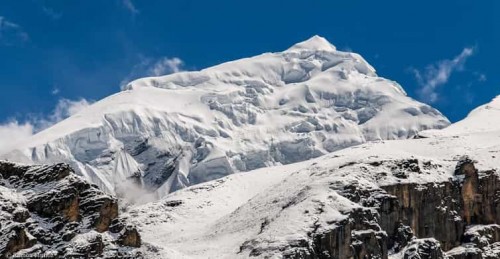
Chulu Far East Peak (6,059m) is one of Nepal's most accessible and rewarding trekking peaks. It offers breathtaking views of the Annapurna, Dhaulagiri, and Manaslu ranges
View Details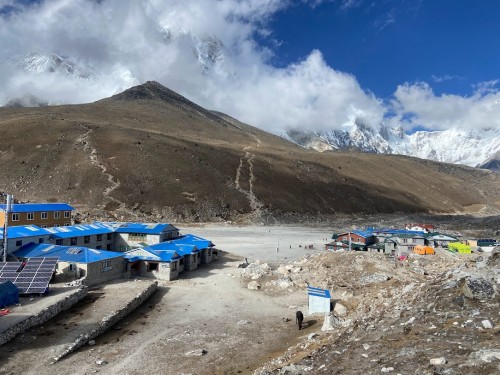
The Everest Base Camp Trek with Island Peak Climbing is a thrilling adventure that combines one of the world's most iconic trekking routes with an exhilarating mountaineering experience.
View Details
Island Peak Climbing is one of the main popular and demanding peak climbing package in Everest Region that provides thrill of adventure and widen the experience.
View Details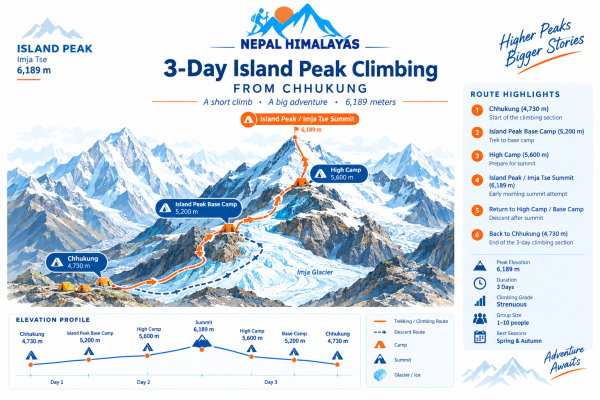
Island Peak Climbing in Nepal with a 3-day package from Chhukung, including an experienced guide, climbing equipment, camping, and summit support.
View Details
Experience the ultimate Himalayan adventure with Nepal Himalayas Trekking. Climb Lobuche East (6,119m) and West Peak (6,145m) in Nepal’s Khumbu region. Explore Everest Base Camp, glaciers, and Sherpa villages with expert guides.
View Details
Mera Peak Climbing is a great adventure that is increasingly becoming popular, frequently operated peak climbing package with many trekkers and novice climbers.
View Details