Any Question? Email Us
info@nepalhimalayastrekking.comTalk To An Expert ( Prakash Lamsal )
Any Question? Email Us
info@nepalhimalayastrekking.comTalk To An Expert ( Prakash Lamsal )
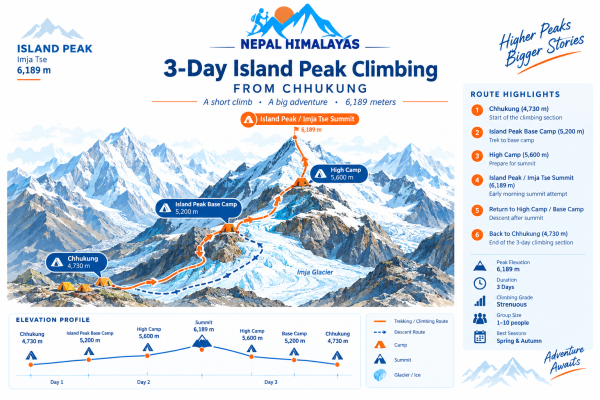
Island Peak, also known as Imja Tse, stands at 6,189 meters in the Khumbu region of Nepal. For trekkers who are already travelling through the Everest region, reaching Chhukung gives you the opportunity to add a three-day peak-climbing section to your existing itinerary.
Our 3-Day Island Peak Climbing from Chhukung package starts and ends in Chhukung. It is designed for trekkers who have already reached the village through an Everest Base Camp, Gokyo, Three High Passes, or another Khumbu itinerary and want to attempt Island Peak without arranging a separate long trekking programme from Kathmandu.
The climbing section takes you from Chhukung at around 4,730 meters to Island Peak Base Camp at about 5,200 meters, followed by an early-morning summit attempt from High Camp. The summit day is long and strenuous, usually taking around 10–12 hours depending on weather, route conditions, climbing pace, and the group.
If you are planning your wider journey with Nepal Himalayas Trekking, we can check your itinerary and arrange the Island Peak climbing section around the time you reach Chhukung.
| Particulars | Details |
|---|---|
| Peak | Island Peak / Imja Tse |
| Elevation | 6,189 m |
| Starting Point | Chhukung |
| Chhukung Elevation | Approx. 4,730 m |
| Base Camp | Approx. 5,200 m |
| High Camp | Approx. 5,600 m |
| Duration | 3 Days |
| Climbing Grade | Strenuous |
| Group Size | 1–10 people |
| Best Seasons | Spring and Autumn |
| Summit Start | Usually around 2:00 AM |
| Summit Day | Approx. 10–12 hours |
| Accommodation | Tented camping |
| Route | Chhukung → Island Peak Base Camp → High Camp → Summit → Base Camp → Chhukung |
| Package Start/End | Chhukung |
| Highest Point | 6,189 m |
Our three-day Island Peak climbing package from Chhukung is priced according to group size:
| Group Size | Cost per Person |
|---|---|
| 1 person | USD 790 |
| 2–4 people | USD 750 |
| 5–7 people | USD 700 |
| 8–12 people | USD 660 |
The package is designed specifically for the climbing section from Chhukung. Transport to Chhukung, accommodation and meals outside the climbing programme, and other services connected with the wider trek are arranged separately unless included in your overall itinerary.
The price covers the climbing arrangements listed in our inclusions section. It does not automatically include services associated with the wider trek before reaching Chhukung or after returning there.
If you are combining Island Peak with an Everest Base Camp Trek, Gokyo Trek, Everest Three High Passes Trek, or another Khumbu itinerary, we can confirm the complete cost after reviewing your route and the additional services you require.
This package covers the climbing section between Chhukung and Island Peak and includes the main arrangements required for the three-day programme.
The package includes the Island Peak climbing permit and applicable taxes, climbing briefing, pre-climbing training, a licensed English-speaking climbing guide, guide wages and allowances, specified meals and hot drinks, a packed lunch for summit day, tented camping, camping equipment, group climbing equipment, first-aid support, and necessary staff support.
Your wider trekking arrangements are handled separately unless they are included in your complete itinerary. This distinction is important for trekkers adding Island Peak to an existing Khumbu trek. The three climbing days begin when you meet the climbing team in Chhukung and finish when you return to Chhukung.
Starting from Chhukung makes sense when you are already trekking in the upper Khumbu. You do not need to repeat the lower sections of the Everest region simply to reach the climbing route. Once your existing itinerary brings you to Chhukung, you can use three additional days for the Island Peak climbing section.
The village also provides a practical point for checking your equipment and preparing for the higher camps. From Chhukung, you walk to Base Camp, continue to High Camp, make the summit attempt early the following morning, and return to Base Camp before descending back to Chhukung.
For trekkers who want to experience a Himalayan peak rather than only trek to a destination, this gives you a straightforward way to add a climbing section to a Khumbu journey.
Many trekkers reach Chhukung as part of a longer Everest-region itinerary and then add Island Peak before continuing or returning from the mountains.
A typical combination can look like:
Everest Base Camp → Chhukung → Island Peak Climbing → Summit → Chhukung → End of Climb
The exact placement depends on your wider itinerary. If you are coming through Everest Base Camp, you can plan your route so that you reach Chhukung after completing the main trekking section. You then spend three days on the Island Peak climb before continuing with your planned route.
The same approach can work with a Gokyo or Three High Passes itinerary, provided enough time is available for acclimatization and the three climbing days. If you already have your trekking itinerary, send it to us before booking the climbing section. We can check where Island Peak fits and whether your schedule gives you enough time for the climb.
Many trekkers prefer combining Island Peak with an Everest Base Camp Trek because both journeys take place in the Khumbu region. If you are already planning an EBC trek that passes through or can be extended to Chhukung, you can add these three climbing days rather than arranging a completely separate Island Peak trip.
The combined journey gives you time to experience the main Everest trekking route and then attempt a 6,189-meter Himalayan peak. The climbing section still requires additional preparation. You will need suitable personal climbing equipment, enough acclimatization, and the physical ability to handle a long summit day. The summit attempt usually starts around 2:00 AM and involves snow and ice, steep sections, cold temperatures, and prolonged effort at high altitude.
For trekkers specifically interested in this combination, we also arrange the complete Everest Base Camp Trek with Island Peak Climbing.
Island Peak can also be incorporated into other Khumbu trekking routes. A Gokyo itinerary can be planned around the time needed for the Island Peak climb, while trekkers attempting the Three High Passes route may already have experience with long days and high-altitude terrain.
However, adding a peak climb means allowing additional time for the climbing section. Your itinerary should not be planned so tightly that there is no flexibility for weather, acclimatization, or a possible delay. If you are considering Island Peak after a Gokyo Trek or Everest Three High Passes Trek, share your proposed route with us so we can review the schedule before confirming the climbing days.
The Everest Base Camp Trek and Island Peak Climbing offer very different experiences even though they share some of the Khumbu route. EBC focuses on trekking through the Everest region and reaching Everest Base Camp, while Island Peak adds a technical climbing section after reaching Chhukung.
If you are already planning an EBC trek and want to attempt a 6,189-meter Himalayan peak, adding Island Peak can extend the trip with a three-day climbing section from Chhukung. You will need additional preparation and climbing equipment, and the summit day involves an early start, snow and ice, steep terrain, and around 10–12 hours of climbing.
If your main goal is to experience the Khumbu, local villages, monasteries, mountain scenery, and Everest Base Camp without a technical summit attempt, the standard EBC itinerary may be sufficient. If you want to add a genuine peak-climbing experience to your Khumbu trek, Island Peak gives you that option.
The route from Chhukung to Island Peak Base Camp follows the upper Imja Valley towards the mountain. The first day is primarily about reaching Base Camp and preparing for the higher climbing sections. You should not treat this as an ordinary short trekking day because you are already at high altitude and will spend the night at around 5,200 meters.
The terrain becomes increasingly rocky and exposed as you approach the climbing area. Your guide controls the pace according to the group's condition and the route conditions. From Base Camp, the following day's climb takes you towards High Camp and eventually the summit.
Island Peak summit day is the hardest part of the three-day programme. The early start allows the team to make progress through the higher sections before conditions become less favorable later in the day. You should expect a long day at altitude, often around 10–12 hours from the start until returning to Base Camp.
The exact timing can vary according to weather, route conditions, group pace, and the condition of the climbers. The climb requires patience. You may spend considerable time moving slowly through steep or snow-covered sections, particularly as you approach the higher part of the route.
Reaching the summit is only one part of the day. Returning safely to Base Camp is equally important, especially because fatigue increases significantly after the summit.
Island Peak is a strenuous high-altitude climb. Although it is commonly approached by trekkers who have experience in the Everest region, it should not be treated as an ordinary trekking day.
Several factors make the climb demanding:
Previous peak-climbing experience can be helpful, particularly for understanding climbing equipment and movement on snow and ice. However, a first-time climber can still attempt Island Peak with proper preparation, acclimatization, physical fitness, and support from an experienced climbing guide.
Preparation for Island Peak should begin well before you reach Chhukung. Regular cardiovascular exercise, uphill walking, hiking, stair climbing, and strength training can help you build the endurance needed for long days at high altitude. You should also spend adequate time trekking and acclimatizing before the climbing section rather than arriving in Chhukung and attempting the peak immediately.
Your training should focus on sustained uphill walking and getting comfortable with long days on your feet while carrying a daypack. It is also useful to train in the trekking boots and clothing you plan to use during the climb. Before the trip, discuss your previous high-altitude trekking or climbing experience with us so we can understand your background and advise you on any additional preparation or personal equipment you may need.
Our Island Peak climbing package includes the essential guest climbing equipment required for the climb. We provide the following equipment for each climber:
We also provide the group climbing equipment used by the climbing team:
These technical climbing items are arranged by our climbing team for the Island Peak climbing section, so you can focus on your preparation and the climb itself.
We also provide an equipment rental facility in Kathmandu for Island Peak climbing. Our team can help arrange additional climbing equipment in Kathmandu before you leave for the Khumbu region, according to the requirements of your climb.
The Island Peak (Imja Tse) climbing permit is issued through the Nepal Mountaineering Association (NMA), and the fee varies by climbing season. The commonly published seasonal rates are USD 250 in spring (March to May), USD 125 in autumn (September to November), and USD 70 in summer and winter. The permit is already included in our three-day Island Peak climbing package, so you do not need to arrange it separately. Permit fees are subject to government or NMA revisions, so the applicable rate at the time of booking will be confirmed with you.
Once you have read through the route, difficulty, equipment requirements, accommodation, cost, and safety arrangements, the next step is to confirm whether the three-day climbing section fits your travel plans.
1. Send us your planned dates and group size.
Tell us when you expect to reach Chhukung, how many people are climbing, and whether you are travelling alone or with a group.
2. Tell us about your wider Khumbu itinerary.
If you are already planning an Everest Base Camp, Gokyo, Three High Passes, or another Khumbu trek, send us the itinerary you are considering. We can check where the three Island Peak climbing days fit into the route.
3. Share your previous trekking or climbing experience.
You do not need a long mountaineering background to discuss the climb with us, but knowing your previous high-altitude trekking and climbing experience helps us understand your preparation needs.
4. We confirm the climbing arrangements.
We will confirm the available dates, group size, three-day package cost, climbing guide, permit arrangements, camping arrangements, and any additional services required for your wider itinerary.
5. Confirm the booking with the required advance payment.
A 25% to 30% advance payment is required according to our current booking terms. The exact amount applicable to your booking will be confirmed when your trip is arranged.
6. Prepare your personal climbing equipment.
After the booking is confirmed, we can advise you about the personal equipment required for the climb. If you need equipment rental, we can arrange suitable items in Kathmandu depending on what you require.
7. Meet the climbing team in Chhukung.
Your three-day Island Peak programme begins in Chhukung with the climbing briefing, equipment check, and preparation for Base Camp.
If you are already planning your Everest Base Camp or another Khumbu trek, send us your planned itinerary and dates before booking the climbing section. We can check the route, acclimatization schedule, and available time and tell you how the three-day Island Peak climb can be incorporated into your journey.
If you are already planning an Everest Base Camp, Gokyo, Three High Passes, or another Khumbu trek and want to add a 6,189-meter peak-climbing experience, talk to our team before finalizing your itinerary. We can check your route, acclimatization schedule, available time, and the three-day Island Peak climbing arrangements from Chhukung.
Nepal Himalayas Trekking is a Nepal-registered trekking and climbing company based in Thamel, Kathmandu. Our team handles the climbing permit, licensed climbing guide, camping arrangements, climbing equipment, and other services included in the package.
Company Details
Nepal Himalayas Trekking
Amrit Marg, Thamel, Chaya Complex
Kathmandu, Nepal
TAAN Registration No.: 207734/076/077
VAT No.: 609655283
Phone: +977 1 4541673
Mobile: +977 9841044334
Send us your planned dates, group size, and wider trekking itinerary, and we will confirm how the three-day Island Peak climbing section can fit into your journey.
Altitude: Chhukung 4,730 m → Island Peak Base Camp approx. 5,200 m
Walking: Approximately 4–5 hours
Accommodation: Tented camp
Your Island Peak climbing section begins in Chhukung. After checking your climbing equipment and completing the necessary briefing, you leave the village and follow the route towards Island Peak Base Camp.
The landscape becomes increasingly rugged as you move higher into the Imja Valley. The walk is shorter than the summit day, but the increasing altitude makes a steady pace important.
After reaching Base Camp, the climbing team arranges the tented camp and meals. You have time to rest, prepare your equipment, and receive practical guidance before the summit attempt. The guide also checks the equipment required for the climb and discusses the next day's early start.
Altitude: High Camp approx. 5,600 m → Island Peak Summit 6,189 m
Walking/Climbing: Approximately 10–12 hours
Start: Usually around 2:00 AM
Accommodation: Tented camp
Summit day begins very early. After a light meal and final preparation, you leave Base Camp and climb towards High Camp before continuing towards the summit. The route becomes steeper as you gain elevation. Depending on the route and current mountain conditions, the climb can involve snow, ice, fixed ropes, crampons, and other climbing equipment.
From the higher section, you continue towards the summit of Island Peak at 6,189 meters. The final ascent requires concentration and steady movement, particularly when the weather is cold or the route is affected by snow and ice. After reaching the summit, you descend carefully. Fatigue can become a significant factor during the return journey, so the descent is handled at a controlled pace. You return to Base Camp for rest.
Walking: Approximately 3–4 hours
Accommodation: Not included in the climbing section unless arranged separately
After breakfast, you leave Base Camp and descend to Chhukung. The return walk is considerably shorter than the summit day. Once you reach Chhukung, the three-day Island Peak climbing programme is complete. From Chhukung, you can continue with your existing trekking itinerary or arrange onward travel and accommodation separately.
Our three-day Island Peak climbing package includes the main services, equipment, and support required for the climbing section:
Services outside the three-day climbing section are included only when specifically stated in your complete itinerary.
The following services are not included unless specifically arranged:
If you are combining Island Peak with another trek, we can arrange the additional transportation, accommodation, porters, guides, and other services according to your complete itinerary.
| Group Size | Price Per Person |
|---|---|
| 1 | USD 790 |
| 2-4 | USD 750 |
| 5-7 | USD 700 |
| 8-12 | USD 660 |
| 13+ | USD 630 |
Island Peak, also called Imja Tse, stands at 6,189 meters (20,305 feet) above sea level.
Our Chhukung-based climbing programme takes 3 days. The programme covers Chhukung to Base Camp, the summit attempt and return to Base Camp, followed by the descent to Chhukung.
The package starts in Chhukung at approximately 4,730 meters. It is designed for trekkers who have already reached Chhukung as part of a wider Khumbu itinerary.
Summit day usually takes around 10–12 hours, although the exact duration depends on weather, route conditions, climbing pace, and the condition of the group.
The summit attempt usually begins around 2:00 AM, although the exact departure time can change according to mountain conditions and the climbing team's assessment.
A beginner can attempt Island Peak with good physical preparation, proper acclimatization, suitable equipment, and guidance from an experienced climbing team. Previous climbing experience is useful but is not the only factor considered.
Previous experience with snow, ice, crampons, harnesses, or other climbing equipment can be helpful. However, trekkers without previous peak-climbing experience can discuss the climb with our team and receive pre-climbing training before the summit attempt.
Yes. If your EBC itinerary can accommodate the three-day climbing section from Chhukung, Island Peak can be added to the journey. We recommend checking the complete itinerary before booking so that there is enough time for acclimatization and the climbing programme.
Yes, depending on the route and available time. We can review your planned itinerary and determine where the three climbing days can fit.
Yes. Tented camping at the required climbing camps is included in the three-day climbing package.
Yes. The Island Peak climbing permit and applicable taxes are included in the package.
Group climbing equipment required for the climbing programme is included. Personal climbing equipment remains the climber's responsibility. If you need equipment rental, we can arrange suitable equipment in Kathmandu depending on your requirements.
The climbing team monitors weather and mountain conditions throughout the programme. If conditions make the summit attempt unsafe, the guide may delay, stop, or turn around the climb.
An additional day can be arranged where your itinerary, weather, mountain conditions, guide availability, and available time allow. An additional cost may apply.
You should report symptoms to your guide immediately. Depending on the severity, the team may allow additional recovery time where appropriate. If serious altitude sickness requires descent, getting to a lower and safer altitude takes priority.
Emergency helicopter evacuation can be arranged when necessary, subject to weather, helicopter availability, location, and your insurance terms. Your travel insurance should specifically cover high-altitude trekking, peak climbing, and emergency evacuation.
Yes. This package is specifically designed for trekkers who want to arrange the Island Peak climbing section from Chhukung separately from their wider trekking itinerary.
Yes. If you have not yet arranged your Khumbu itinerary, we can discuss a complete journey that includes transportation, trekking, accommodation, acclimatization, Island Peak climbing, and onward travel according to your planned route.
For the complete climbing option, see our Island Peak Climbing package.
Yes, a beginner can attempt Island Peak if they are physically fit, properly acclimatized, adequately prepared, and willing to learn the climbing techniques required for the route Previous peak-climbing experience can be an advantage, particularly when dealing with snow, ice, climbing equipment, and long summit days. However, a first-time climber can still attempt Island Peak with proper preparation and an experienced climbing guide.
The important point is that being a beginner does not remove the physical and altitude demands of the climb. You should be comfortable with long days of trekking, have enough time for acclimatization, and prepare yourself for cold conditions, steep terrain, and an early summit start.
Our climbing guide provides a briefing and pre-climbing training before the summit attempt. You will learn how to use the climbing equipment and how to move safely through the sections that require additional attention. If you have never climbed a Himalayan peak before, tell us about your previous trekking experience when booking. This allows us to understand your experience level and discuss whether the three-day climbing section fits your planned itinerary.
This three-day Island Peak package is suitable for trekkers who:
The three-day Island Peak climbing section involves cold conditions, tented camping, and an early morning summit attempt. You do not need to carry your entire main trekking bag during these days. Keep your personal climbing bag practical and pack only the items you will need for the climbing section.
Keep medication, documents, electronics, and other important personal items protected from cold and moisture. The technical climbing equipment required for Island Peak is provided as part of the package, while this list covers the personal items you should bring.
Accommodation during the three-day Island Peak climbing section is in tented camps rather than teahouses. You stay at Island Peak Base Camp and High Camp in tents arranged by the climbing team. The facilities are basic, especially at High Camp, but the setup provides the shelter and rest needed before the summit attempt.
At Base Camp, a dining tent is used for meals, hot drinks, and preparing for the climb. Meals are simple and filling, with options such as dal bhat, rice, noodles, pasta, soup, porridge, eggs, and tea. Food choices become more limited at higher camps, and a packed lunch is provided for the summit day. You can also carry personal snacks such as chocolate, energy bars, or dried fruit.
Water should be boiled, filtered, or treated before drinking. Toilets are basic camp-style facilities, and regular hot showers are generally unavailable during the climbing section. Washing facilities are limited, particularly at High Camp.
Electricity and charging facilities are also limited or unavailable at the camps, so carrying a power bank is useful. Keep electronic devices protected from the cold, especially overnight. The camping facilities are simple, but the climbing team manages the necessary arrangements for your stay, meals, and basic camp requirements throughout the three-day programme.
Spring and autumn are generally preferred for Island Peak climbing because the weather is usually more suitable for high-altitude trekking and climbing.
Spring brings relatively stable conditions and is one of the main climbing seasons in Nepal. The lower Khumbu region becomes active with trekkers and climbers, while the higher mountain areas can still have cold conditions. March and April can be particularly cold at higher elevations, so proper insulation remains important.
Autumn is another major season for trekking and climbing in the Everest region. Conditions are often suitable for clear mountain views and high-altitude travel after the monsoon period. October and November are popular months, so accommodation and climbing arrangements should be confirmed in advance.
Island Peak can be attempted outside the main seasons, but winter brings significantly colder conditions and potential snow-related challenges. During the monsoon months, rain affects the lower trekking areas, while conditions around the peak can still be difficult and unpredictable. For a three-day climbing programme with a fixed summit schedule, the weather window is an important consideration. The final climbing decision should always account for current mountain conditions.
Altitude is one of the main safety considerations during Island Peak climbing. You should report symptoms such as headache, dizziness, nausea, unusual weakness, breathing difficulty, or other signs of altitude problems to your guide as soon as they appear.
Our climbing guide monitors your condition, weather, and route conditions throughout the climb. If you are feeling unwell or need additional time to recover, an extra day can be arranged where the itinerary, weather, and mountain conditions allow. This gives the team more flexibility rather than forcing the climb to follow a fixed schedule.
However, an additional day is not a substitute for proper treatment or descent when someone is experiencing serious altitude sickness. If your condition requires you to descend, the guide will prioritize getting you to a safer and lower altitude.
In a serious emergency, emergency helicopter evacuation can be arranged when necessary, subject to weather, helicopter availability, location, and the terms of your travel insurance. We recommend having insurance that specifically covers high-altitude trekking, peak climbing, and emergency evacuation.
The summit attempt can also be stopped or turned around if the weather, route, or your physical condition makes continuing unsafe. Reaching the summit is secondary to returning safely.
If the summit attempt has to be stopped because of weather, mountain conditions, or your physical condition, our guide will prioritize your safety and arrange your return to Base Camp. If your wider itinerary allows, we can also discuss an additional day for another attempt, depending on weather, mountain conditions, guide availability, and the time available. An additional day may involve an extra cost.
If you cannot summit, the unused services will be reviewed based on what has already been arranged or used. Any refund or adjustment is handled according to our cancellation policy, including any costs that are non-refundable or have already been incurred.
A climbing guide is an important part of the Island Peak programme, particularly because the route includes high-altitude climbing sections and requires the use of climbing equipment. Our package includes a licensed English-speaking climbing guide who supports the group during the approach to Base Camp, climbing preparation, summit attempt, and return.
The guide also monitors weather, route conditions, and the condition of the climbers. Before the summit attempt, the team provides a briefing and practical training on the climbing equipment being used. You should follow the guide's instructions throughout the climb, particularly when moving through steep, exposed, or snow-covered sections.
Enjoy the popular trekking and tour packages in Nepal Himalayas. 2026.
Plan your Everest Base Camp Trek with our 14-day itinerary, 2026/27 cost guide, route, difficulty, altitude, packing list, permits, and experienced local guide support.
View Details
Everest View trek is a very popular trek to view Mount Everest as compared to other trekking trail, because it provides the magnificent view of the Top of the world, Mount Everest.
View Details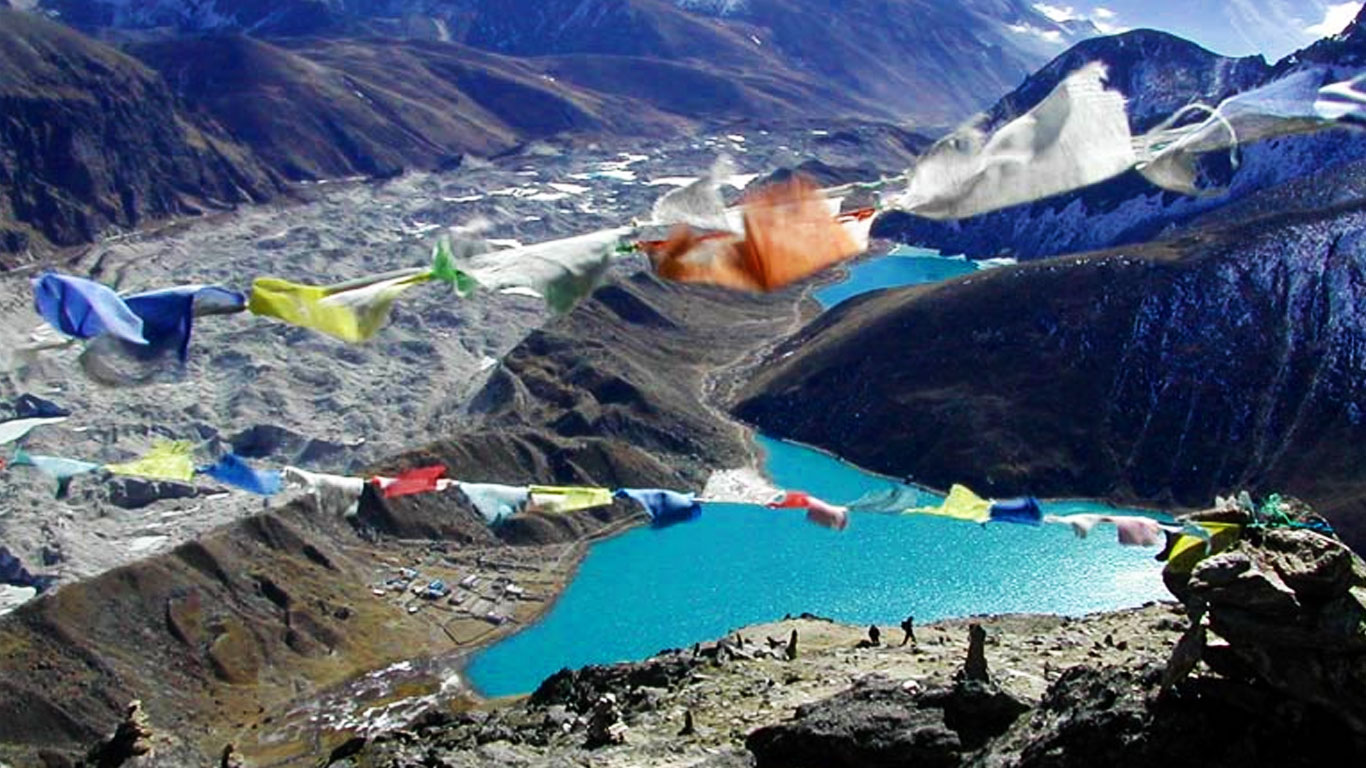
Gokyo Valley trek is one of the best adventure trekking trail in Nepal. It is also one of the beautiful and popular trekking destination in Everest region.
View Details
Everest Three Passes Trek is the strenuous trekking in Everest. The trekking route covers all major viewpoints in Everest including Kongma La, Renjo La and Cho La
View Details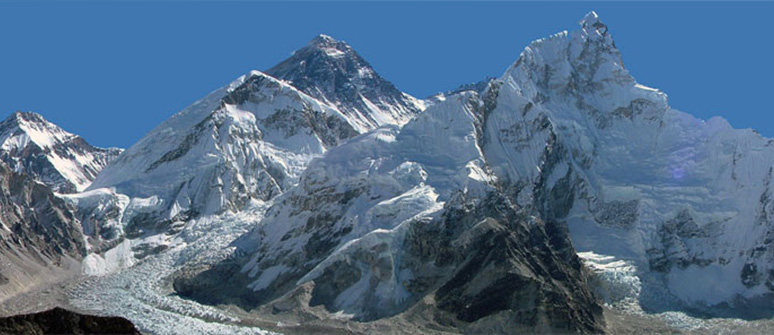
Participating in the Jiri to Everest Base Camp Trekking is the wonderful experience of following the footsteps of Sir Edmund Hillary and Tenzing Norgay in Nepal.
View Details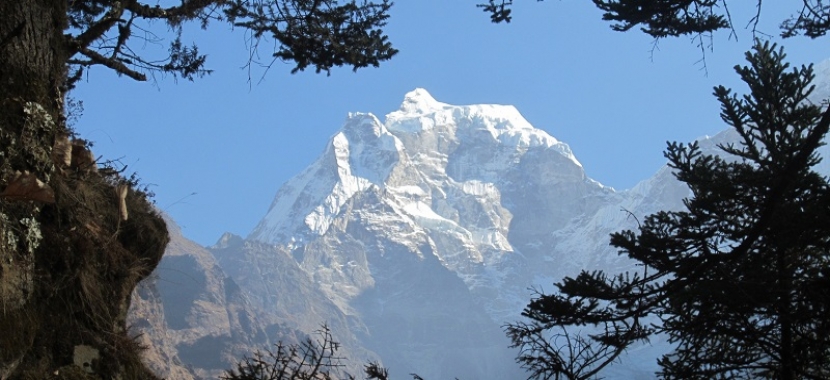
Everest Panorama Trek is just the right package for you if you are staying in Nepal for a short period of time and if you are looking for a short trek in Everest.
View Details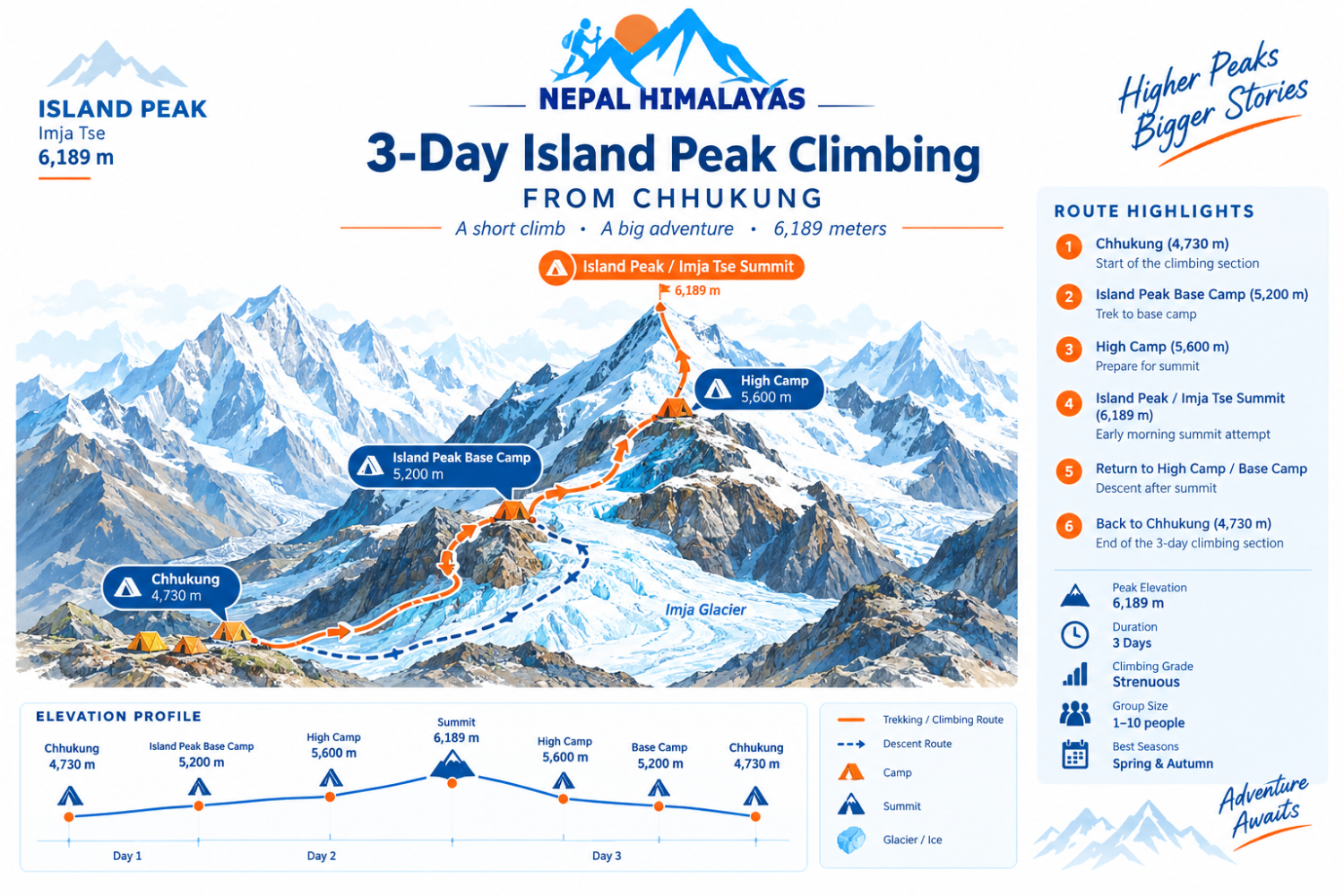
Island Peak, also known as Imja Tse, stands at 6,189 meters in the Khumbu region of Nepal. For trekkers who are already travelling through the Everest region, reaching Chhukung gives you the opportunity to add a three-day peak-climbing section to your existing itinerary.
Our 3-Day Island Peak Climbing from Chhukung package starts and ends in Chhukung. It is designed for trekkers who have already reached the village through an Everest Base Camp, Gokyo, Three High Passes, or another Khumbu itinerary and want to attempt Island Peak without arranging a separate long trekking programme from Kathmandu.
The climbing section takes you from Chhukung at around 4,730 meters to Island Peak Base Camp at about 5,200 meters, followed by an early-morning summit attempt from High Camp. The summit day is long and strenuous, usually taking around 10–12 hours depending on weather, route conditions, climbing pace, and the group.
If you are planning your wider journey with Nepal Himalayas Trekking, we can check your itinerary and arrange the Island Peak climbing section around the time you reach Chhukung.
| Particulars | Details |
|---|---|
| Peak | Island Peak / Imja Tse |
| Elevation | 6,189 m |
| Starting Point | Chhukung |
| Chhukung Elevation | Approx. 4,730 m |
| Base Camp | Approx. 5,200 m |
| High Camp | Approx. 5,600 m |
| Duration | 3 Days |
| Climbing Grade | Strenuous |
| Group Size | 1–10 people |
| Best Seasons | Spring and Autumn |
| Summit Start | Usually around 2:00 AM |
| Summit Day | Approx. 10–12 hours |
| Accommodation | Tented camping |
| Route | Chhukung → Island Peak Base Camp → High Camp → Summit → Base Camp → Chhukung |
| Package Start/End | Chhukung |
| Highest Point | 6,189 m |
Our three-day Island Peak climbing package from Chhukung is priced according to group size:
| Group Size | Cost per Person |
|---|---|
| 1 person | USD 790 |
| 2–4 people | USD 750 |
| 5–7 people | USD 700 |
| 8–12 people | USD 660 |
The package is designed specifically for the climbing section from Chhukung. Transport to Chhukung, accommodation and meals outside the climbing programme, and other services connected with the wider trek are arranged separately unless included in your overall itinerary.
The price covers the climbing arrangements listed in our inclusions section. It does not automatically include services associated with the wider trek before reaching Chhukung or after returning there.
If you are combining Island Peak with an Everest Base Camp Trek, Gokyo Trek, Everest Three High Passes Trek, or another Khumbu itinerary, we can confirm the complete cost after reviewing your route and the additional services you require.
This package covers the climbing section between Chhukung and Island Peak and includes the main arrangements required for the three-day programme.
The package includes the Island Peak climbing permit and applicable taxes, climbing briefing, pre-climbing training, a licensed English-speaking climbing guide, guide wages and allowances, specified meals and hot drinks, a packed lunch for summit day, tented camping, camping equipment, group climbing equipment, first-aid support, and necessary staff support.
Your wider trekking arrangements are handled separately unless they are included in your complete itinerary. This distinction is important for trekkers adding Island Peak to an existing Khumbu trek. The three climbing days begin when you meet the climbing team in Chhukung and finish when you return to Chhukung.
Starting from Chhukung makes sense when you are already trekking in the upper Khumbu. You do not need to repeat the lower sections of the Everest region simply to reach the climbing route. Once your existing itinerary brings you to Chhukung, you can use three additional days for the Island Peak climbing section.
The village also provides a practical point for checking your equipment and preparing for the higher camps. From Chhukung, you walk to Base Camp, continue to High Camp, make the summit attempt early the following morning, and return to Base Camp before descending back to Chhukung.
For trekkers who want to experience a Himalayan peak rather than only trek to a destination, this gives you a straightforward way to add a climbing section to a Khumbu journey.
Many trekkers reach Chhukung as part of a longer Everest-region itinerary and then add Island Peak before continuing or returning from the mountains.
A typical combination can look like:
Everest Base Camp → Chhukung → Island Peak Climbing → Summit → Chhukung → End of Climb
The exact placement depends on your wider itinerary. If you are coming through Everest Base Camp, you can plan your route so that you reach Chhukung after completing the main trekking section. You then spend three days on the Island Peak climb before continuing with your planned route.
The same approach can work with a Gokyo or Three High Passes itinerary, provided enough time is available for acclimatization and the three climbing days. If you already have your trekking itinerary, send it to us before booking the climbing section. We can check where Island Peak fits and whether your schedule gives you enough time for the climb.
Many trekkers prefer combining Island Peak with an Everest Base Camp Trek because both journeys take place in the Khumbu region. If you are already planning an EBC trek that passes through or can be extended to Chhukung, you can add these three climbing days rather than arranging a completely separate Island Peak trip.
The combined journey gives you time to experience the main Everest trekking route and then attempt a 6,189-meter Himalayan peak. The climbing section still requires additional preparation. You will need suitable personal climbing equipment, enough acclimatization, and the physical ability to handle a long summit day. The summit attempt usually starts around 2:00 AM and involves snow and ice, steep sections, cold temperatures, and prolonged effort at high altitude.
For trekkers specifically interested in this combination, we also arrange the complete Everest Base Camp Trek with Island Peak Climbing.
Island Peak can also be incorporated into other Khumbu trekking routes. A Gokyo itinerary can be planned around the time needed for the Island Peak climb, while trekkers attempting the Three High Passes route may already have experience with long days and high-altitude terrain.
However, adding a peak climb means allowing additional time for the climbing section. Your itinerary should not be planned so tightly that there is no flexibility for weather, acclimatization, or a possible delay. If you are considering Island Peak after a Gokyo Trek or Everest Three High Passes Trek, share your proposed route with us so we can review the schedule before confirming the climbing days.
The Everest Base Camp Trek and Island Peak Climbing offer very different experiences even though they share some of the Khumbu route. EBC focuses on trekking through the Everest region and reaching Everest Base Camp, while Island Peak adds a technical climbing section after reaching Chhukung.
If you are already planning an EBC trek and want to attempt a 6,189-meter Himalayan peak, adding Island Peak can extend the trip with a three-day climbing section from Chhukung. You will need additional preparation and climbing equipment, and the summit day involves an early start, snow and ice, steep terrain, and around 10–12 hours of climbing.
If your main goal is to experience the Khumbu, local villages, monasteries, mountain scenery, and Everest Base Camp without a technical summit attempt, the standard EBC itinerary may be sufficient. If you want to add a genuine peak-climbing experience to your Khumbu trek, Island Peak gives you that option.
The route from Chhukung to Island Peak Base Camp follows the upper Imja Valley towards the mountain. The first day is primarily about reaching Base Camp and preparing for the higher climbing sections. You should not treat this as an ordinary short trekking day because you are already at high altitude and will spend the night at around 5,200 meters.
The terrain becomes increasingly rocky and exposed as you approach the climbing area. Your guide controls the pace according to the group's condition and the route conditions. From Base Camp, the following day's climb takes you towards High Camp and eventually the summit.
Island Peak summit day is the hardest part of the three-day programme. The early start allows the team to make progress through the higher sections before conditions become less favorable later in the day. You should expect a long day at altitude, often around 10–12 hours from the start until returning to Base Camp.
The exact timing can vary according to weather, route conditions, group pace, and the condition of the climbers. The climb requires patience. You may spend considerable time moving slowly through steep or snow-covered sections, particularly as you approach the higher part of the route.
Reaching the summit is only one part of the day. Returning safely to Base Camp is equally important, especially because fatigue increases significantly after the summit.
Island Peak is a strenuous high-altitude climb. Although it is commonly approached by trekkers who have experience in the Everest region, it should not be treated as an ordinary trekking day.
Several factors make the climb demanding:
Previous peak-climbing experience can be helpful, particularly for understanding climbing equipment and movement on snow and ice. However, a first-time climber can still attempt Island Peak with proper preparation, acclimatization, physical fitness, and support from an experienced climbing guide.
Preparation for Island Peak should begin well before you reach Chhukung. Regular cardiovascular exercise, uphill walking, hiking, stair climbing, and strength training can help you build the endurance needed for long days at high altitude. You should also spend adequate time trekking and acclimatizing before the climbing section rather than arriving in Chhukung and attempting the peak immediately.
Your training should focus on sustained uphill walking and getting comfortable with long days on your feet while carrying a daypack. It is also useful to train in the trekking boots and clothing you plan to use during the climb. Before the trip, discuss your previous high-altitude trekking or climbing experience with us so we can understand your background and advise you on any additional preparation or personal equipment you may need.
Our Island Peak climbing package includes the essential guest climbing equipment required for the climb. We provide the following equipment for each climber:
We also provide the group climbing equipment used by the climbing team:
These technical climbing items are arranged by our climbing team for the Island Peak climbing section, so you can focus on your preparation and the climb itself.
We also provide an equipment rental facility in Kathmandu for Island Peak climbing. Our team can help arrange additional climbing equipment in Kathmandu before you leave for the Khumbu region, according to the requirements of your climb.
The Island Peak (Imja Tse) climbing permit is issued through the Nepal Mountaineering Association (NMA), and the fee varies by climbing season. The commonly published seasonal rates are USD 250 in spring (March to May), USD 125 in autumn (September to November), and USD 70 in summer and winter. The permit is already included in our three-day Island Peak climbing package, so you do not need to arrange it separately. Permit fees are subject to government or NMA revisions, so the applicable rate at the time of booking will be confirmed with you.
Once you have read through the route, difficulty, equipment requirements, accommodation, cost, and safety arrangements, the next step is to confirm whether the three-day climbing section fits your travel plans.
1. Send us your planned dates and group size.
Tell us when you expect to reach Chhukung, how many people are climbing, and whether you are travelling alone or with a group.
2. Tell us about your wider Khumbu itinerary.
If you are already planning an Everest Base Camp, Gokyo, Three High Passes, or another Khumbu trek, send us the itinerary you are considering. We can check where the three Island Peak climbing days fit into the route.
3. Share your previous trekking or climbing experience.
You do not need a long mountaineering background to discuss the climb with us, but knowing your previous high-altitude trekking and climbing experience helps us understand your preparation needs.
4. We confirm the climbing arrangements.
We will confirm the available dates, group size, three-day package cost, climbing guide, permit arrangements, camping arrangements, and any additional services required for your wider itinerary.
5. Confirm the booking with the required advance payment.
A 25% to 30% advance payment is required according to our current booking terms. The exact amount applicable to your booking will be confirmed when your trip is arranged.
6. Prepare your personal climbing equipment.
After the booking is confirmed, we can advise you about the personal equipment required for the climb. If you need equipment rental, we can arrange suitable items in Kathmandu depending on what you require.
7. Meet the climbing team in Chhukung.
Your three-day Island Peak programme begins in Chhukung with the climbing briefing, equipment check, and preparation for Base Camp.
If you are already planning your Everest Base Camp or another Khumbu trek, send us your planned itinerary and dates before booking the climbing section. We can check the route, acclimatization schedule, and available time and tell you how the three-day Island Peak climb can be incorporated into your journey.
If you are already planning an Everest Base Camp, Gokyo, Three High Passes, or another Khumbu trek and want to add a 6,189-meter peak-climbing experience, talk to our team before finalizing your itinerary. We can check your route, acclimatization schedule, available time, and the three-day Island Peak climbing arrangements from Chhukung.
Nepal Himalayas Trekking is a Nepal-registered trekking and climbing company based in Thamel, Kathmandu. Our team handles the climbing permit, licensed climbing guide, camping arrangements, climbing equipment, and other services included in the package.
Company Details
Nepal Himalayas Trekking
Amrit Marg, Thamel, Chaya Complex
Kathmandu, Nepal
TAAN Registration No.: 207734/076/077
VAT No.: 609655283
Phone: +977 1 4541673
Mobile: +977 9841044334
Send us your planned dates, group size, and wider trekking itinerary, and we will confirm how the three-day Island Peak climbing section can fit into your journey.
Altitude: Chhukung 4,730 m → Island Peak Base Camp approx. 5,200 m
Walking: Approximately 4–5 hours
Accommodation: Tented camp
Your Island Peak climbing section begins in Chhukung. After checking your climbing equipment and completing the necessary briefing, you leave the village and follow the route towards Island Peak Base Camp.
The landscape becomes increasingly rugged as you move higher into the Imja Valley. The walk is shorter than the summit day, but the increasing altitude makes a steady pace important.
After reaching Base Camp, the climbing team arranges the tented camp and meals. You have time to rest, prepare your equipment, and receive practical guidance before the summit attempt. The guide also checks the equipment required for the climb and discusses the next day's early start.
Altitude: High Camp approx. 5,600 m → Island Peak Summit 6,189 m
Walking/Climbing: Approximately 10–12 hours
Start: Usually around 2:00 AM
Accommodation: Tented camp
Summit day begins very early. After a light meal and final preparation, you leave Base Camp and climb towards High Camp before continuing towards the summit. The route becomes steeper as you gain elevation. Depending on the route and current mountain conditions, the climb can involve snow, ice, fixed ropes, crampons, and other climbing equipment.
From the higher section, you continue towards the summit of Island Peak at 6,189 meters. The final ascent requires concentration and steady movement, particularly when the weather is cold or the route is affected by snow and ice. After reaching the summit, you descend carefully. Fatigue can become a significant factor during the return journey, so the descent is handled at a controlled pace. You return to Base Camp for rest.
Walking: Approximately 3–4 hours
Accommodation: Not included in the climbing section unless arranged separately
After breakfast, you leave Base Camp and descend to Chhukung. The return walk is considerably shorter than the summit day. Once you reach Chhukung, the three-day Island Peak climbing programme is complete. From Chhukung, you can continue with your existing trekking itinerary or arrange onward travel and accommodation separately.
Our three-day Island Peak climbing package includes the main services, equipment, and support required for the climbing section:
Services outside the three-day climbing section are included only when specifically stated in your complete itinerary.
The following services are not included unless specifically arranged:
If you are combining Island Peak with another trek, we can arrange the additional transportation, accommodation, porters, guides, and other services according to your complete itinerary.
Island Peak, also called Imja Tse, stands at 6,189 meters (20,305 feet) above sea level.
Our Chhukung-based climbing programme takes 3 days. The programme covers Chhukung to Base Camp, the summit attempt and return to Base Camp, followed by the descent to Chhukung.
The package starts in Chhukung at approximately 4,730 meters. It is designed for trekkers who have already reached Chhukung as part of a wider Khumbu itinerary.
Summit day usually takes around 10–12 hours, although the exact duration depends on weather, route conditions, climbing pace, and the condition of the group.
The summit attempt usually begins around 2:00 AM, although the exact departure time can change according to mountain conditions and the climbing team's assessment.
A beginner can attempt Island Peak with good physical preparation, proper acclimatization, suitable equipment, and guidance from an experienced climbing team. Previous climbing experience is useful but is not the only factor considered.
Previous experience with snow, ice, crampons, harnesses, or other climbing equipment can be helpful. However, trekkers without previous peak-climbing experience can discuss the climb with our team and receive pre-climbing training before the summit attempt.
Yes. If your EBC itinerary can accommodate the three-day climbing section from Chhukung, Island Peak can be added to the journey. We recommend checking the complete itinerary before booking so that there is enough time for acclimatization and the climbing programme.
Yes, depending on the route and available time. We can review your planned itinerary and determine where the three climbing days can fit.
Yes. Tented camping at the required climbing camps is included in the three-day climbing package.
Yes. The Island Peak climbing permit and applicable taxes are included in the package.
Group climbing equipment required for the climbing programme is included. Personal climbing equipment remains the climber's responsibility. If you need equipment rental, we can arrange suitable equipment in Kathmandu depending on your requirements.
The climbing team monitors weather and mountain conditions throughout the programme. If conditions make the summit attempt unsafe, the guide may delay, stop, or turn around the climb.
An additional day can be arranged where your itinerary, weather, mountain conditions, guide availability, and available time allow. An additional cost may apply.
You should report symptoms to your guide immediately. Depending on the severity, the team may allow additional recovery time where appropriate. If serious altitude sickness requires descent, getting to a lower and safer altitude takes priority.
Emergency helicopter evacuation can be arranged when necessary, subject to weather, helicopter availability, location, and your insurance terms. Your travel insurance should specifically cover high-altitude trekking, peak climbing, and emergency evacuation.
Yes. This package is specifically designed for trekkers who want to arrange the Island Peak climbing section from Chhukung separately from their wider trekking itinerary.
Yes. If you have not yet arranged your Khumbu itinerary, we can discuss a complete journey that includes transportation, trekking, accommodation, acclimatization, Island Peak climbing, and onward travel according to your planned route.
For the complete climbing option, see our Island Peak Climbing package.
Yes, a beginner can attempt Island Peak if they are physically fit, properly acclimatized, adequately prepared, and willing to learn the climbing techniques required for the route Previous peak-climbing experience can be an advantage, particularly when dealing with snow, ice, climbing equipment, and long summit days. However, a first-time climber can still attempt Island Peak with proper preparation and an experienced climbing guide.
The important point is that being a beginner does not remove the physical and altitude demands of the climb. You should be comfortable with long days of trekking, have enough time for acclimatization, and prepare yourself for cold conditions, steep terrain, and an early summit start.
Our climbing guide provides a briefing and pre-climbing training before the summit attempt. You will learn how to use the climbing equipment and how to move safely through the sections that require additional attention. If you have never climbed a Himalayan peak before, tell us about your previous trekking experience when booking. This allows us to understand your experience level and discuss whether the three-day climbing section fits your planned itinerary.
This three-day Island Peak package is suitable for trekkers who:
The three-day Island Peak climbing section involves cold conditions, tented camping, and an early morning summit attempt. You do not need to carry your entire main trekking bag during these days. Keep your personal climbing bag practical and pack only the items you will need for the climbing section.
Keep medication, documents, electronics, and other important personal items protected from cold and moisture. The technical climbing equipment required for Island Peak is provided as part of the package, while this list covers the personal items you should bring.
Accommodation during the three-day Island Peak climbing section is in tented camps rather than teahouses. You stay at Island Peak Base Camp and High Camp in tents arranged by the climbing team. The facilities are basic, especially at High Camp, but the setup provides the shelter and rest needed before the summit attempt.
At Base Camp, a dining tent is used for meals, hot drinks, and preparing for the climb. Meals are simple and filling, with options such as dal bhat, rice, noodles, pasta, soup, porridge, eggs, and tea. Food choices become more limited at higher camps, and a packed lunch is provided for the summit day. You can also carry personal snacks such as chocolate, energy bars, or dried fruit.
Water should be boiled, filtered, or treated before drinking. Toilets are basic camp-style facilities, and regular hot showers are generally unavailable during the climbing section. Washing facilities are limited, particularly at High Camp.
Electricity and charging facilities are also limited or unavailable at the camps, so carrying a power bank is useful. Keep electronic devices protected from the cold, especially overnight. The camping facilities are simple, but the climbing team manages the necessary arrangements for your stay, meals, and basic camp requirements throughout the three-day programme.
Spring and autumn are generally preferred for Island Peak climbing because the weather is usually more suitable for high-altitude trekking and climbing.
Spring brings relatively stable conditions and is one of the main climbing seasons in Nepal. The lower Khumbu region becomes active with trekkers and climbers, while the higher mountain areas can still have cold conditions. March and April can be particularly cold at higher elevations, so proper insulation remains important.
Autumn is another major season for trekking and climbing in the Everest region. Conditions are often suitable for clear mountain views and high-altitude travel after the monsoon period. October and November are popular months, so accommodation and climbing arrangements should be confirmed in advance.
Island Peak can be attempted outside the main seasons, but winter brings significantly colder conditions and potential snow-related challenges. During the monsoon months, rain affects the lower trekking areas, while conditions around the peak can still be difficult and unpredictable. For a three-day climbing programme with a fixed summit schedule, the weather window is an important consideration. The final climbing decision should always account for current mountain conditions.
Altitude is one of the main safety considerations during Island Peak climbing. You should report symptoms such as headache, dizziness, nausea, unusual weakness, breathing difficulty, or other signs of altitude problems to your guide as soon as they appear.
Our climbing guide monitors your condition, weather, and route conditions throughout the climb. If you are feeling unwell or need additional time to recover, an extra day can be arranged where the itinerary, weather, and mountain conditions allow. This gives the team more flexibility rather than forcing the climb to follow a fixed schedule.
However, an additional day is not a substitute for proper treatment or descent when someone is experiencing serious altitude sickness. If your condition requires you to descend, the guide will prioritize getting you to a safer and lower altitude.
In a serious emergency, emergency helicopter evacuation can be arranged when necessary, subject to weather, helicopter availability, location, and the terms of your travel insurance. We recommend having insurance that specifically covers high-altitude trekking, peak climbing, and emergency evacuation.
The summit attempt can also be stopped or turned around if the weather, route, or your physical condition makes continuing unsafe. Reaching the summit is secondary to returning safely.
If the summit attempt has to be stopped because of weather, mountain conditions, or your physical condition, our guide will prioritize your safety and arrange your return to Base Camp. If your wider itinerary allows, we can also discuss an additional day for another attempt, depending on weather, mountain conditions, guide availability, and the time available. An additional day may involve an extra cost.
If you cannot summit, the unused services will be reviewed based on what has already been arranged or used. Any refund or adjustment is handled according to our cancellation policy, including any costs that are non-refundable or have already been incurred.
A climbing guide is an important part of the Island Peak programme, particularly because the route includes high-altitude climbing sections and requires the use of climbing equipment. Our package includes a licensed English-speaking climbing guide who supports the group during the approach to Base Camp, climbing preparation, summit attempt, and return.
The guide also monitors weather, route conditions, and the condition of the climbers. Before the summit attempt, the team provides a briefing and practical training on the climbing equipment being used. You should follow the guide's instructions throughout the climb, particularly when moving through steep, exposed, or snow-covered sections.