

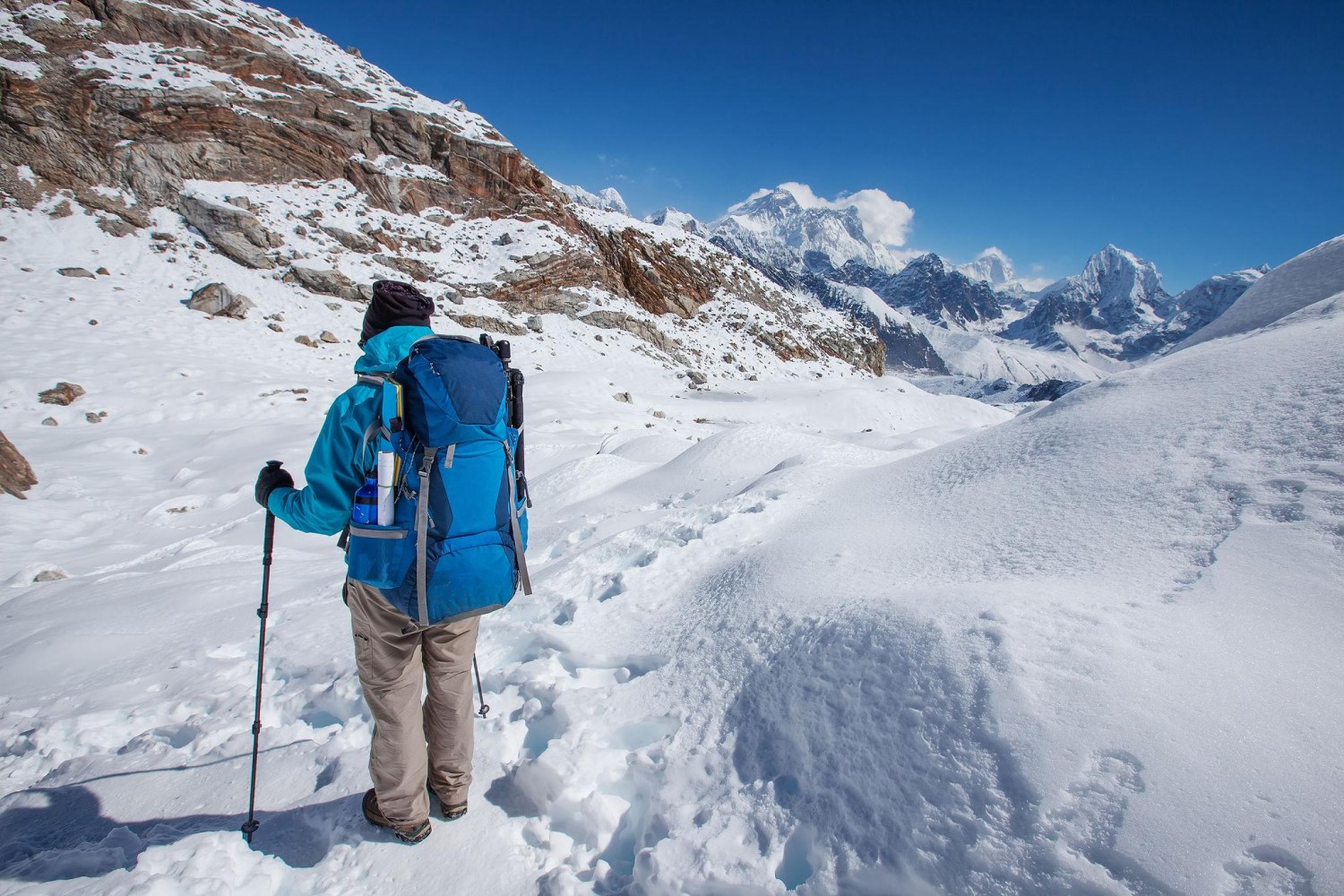
January transforms the Everest Base Camp trail into a quiet Himalayan winter landscape. Snow-covered peaks, crisp mountain air, frozen streams, peaceful Sherpa villages, and fewer trekkers create an experience very different from the busy spring and autumn trekking seasons.
But can you really trek to Everest Base Camp in January?
Yes, the Everest Base Camp Trek is possible in January, provided the weather, trail conditions, accommodation availability, and your physical preparation allow it. January is one of the coldest months in Nepal's Everest region, so it requires more careful planning than the traditional trekking seasons.
For experienced hikers who enjoy winter conditions, January offers an opportunity to explore the Khumbu Valley with fewer crowds, striking mountain scenery, and a slower, quieter atmosphere.
At Nepal Himalayas Trekking, our local trekking team helps travelers plan Everest journeys around realistic walking distances, acclimatization, weather forecasts, available lodges, and individual fitness levels. We recommend a flexible itinerary, proper cold-weather equipment, and experienced local guiding support for winter departures.
This complete January Everest Base Camp trekking guide covers the weather, temperatures, snowfall, route, itinerary, costs, accommodation, flights, safety, packing requirements, and important questions to consider before booking your winter adventure.
Everest Base Camp Trek in January – Quick Facts
Trip information | January trekking details |
|---|---|
Destination | Everest Base Camp, Khumbu, Nepal |
Everest Base Camp elevation | 5,364 m / 17,598 ft |
Kala Patthar elevation | Approximately 5,545 m / 18,192 ft |
Recommended duration | 14–16 days, including Kathmandu and weather contingency |
Trek difficulty | Challenging in winter |
January weather | Cold, generally dry periods, occasional snowstorms |
Estimated daytime temperatures | Approximately -10°C to 10°C, depending on elevation |
High-altitude nighttime temperatures | Can fall below -20°C |
Trail traffic | Generally low |
Accommodation | Selected operating teahouses and lodges |
Flight access | Lukla flights, subject to weather and scheduling |
Trekking style | Private guided or small-group winter trek |
Main challenge | Cold exposure, altitude, ice, snow and weather disruption |
Recommended for | Fit, well-prepared trekkers comfortable with cold weather |
Temperature figures are broad planning estimates, not a forecast or guaranteed monthly averages. Actual conditions vary considerably by location, elevation, wind and weather system.
Is January a Good Time for the Everest Base Camp Trek?
January can be a rewarding time for the Everest Base Camp Trek, especially for travelers who value mountain photography, peaceful trails, and fewer people.
However, January is not the easiest month for trekking to Everest Base Camp.
Unlike October and November, when temperatures are generally milder and trekking infrastructure is operating at full seasonal capacity, January introduces additional challenges. Above Dingboche and Lobuche, nights can be severely cold, trails may become icy, and snowfall can affect walking conditions.
The advantage is that trekkers may experience remarkably clear winter mountain views between weather systems. The snowy landscapes around Ama Dablam, Nuptse, Lhotse, Pumori, and Mount Everest can be spectacular.
Our recommendation: Choose January if you have appropriate winter equipment, good fitness, flexibility in your schedule, and realistic expectations about the cold. If this is your first high-altitude trek and you prefer milder conditions, April, May, October, or November may be more suitable.
Everest Base Camp Weather in January
January falls within Nepal's winter season, typically characterized by cold temperatures, relatively dry periods, and occasional winter storms.
Weather changes significantly as trekkers gain elevation from Lukla at approximately 2,860 meters to Everest Base Camp at 5,364 meters.
Lower villages may enjoy sunshine during the day, while higher settlements can remain below freezing. Wind exposure can make conditions feel much colder than the actual air temperature.
Everest Base Camp January temperature by location
Location | Elevation | Approx. daytime | Approx. nighttime |
|---|---|---|---|
Lukla | 2,860 m | 3°C to 10°C | -6°C to 0°C |
Phakding | 2,610 m | 4°C to 11°C | -5°C to 1°C |
Namche Bazaar | 3,440 m | 0°C to 7°C | -10°C to -4°C |
Tengboche | 3,860 m | -3°C to 5°C | -13°C to -6°C |
Dingboche | 4,410 m | -5°C to 3°C | -17°C to -9°C |
Lobuche | 4,940 m | -8°C to 0°C | -20°C to -12°C |
Gorak Shep | 5,164 m | -10°C to -2°C | -25°C to -15°C |
Everest Base Camp | 5,364 m | -12°C to -3°C | -25°C or lower |
Illustrative temperature ranges for trip preparation, not verified station-specific climate normals. Overnight values at Everest Base Camp are included for environmental comparison; standard treks usually sleep at Gorak Shep rather than Base Camp.
What does -20°C feel like at Everest Base Camp?
At temperatures approaching -20°C, exposed skin can become painfully cold, water bottles can freeze, and electronic devices lose battery power more quickly. Wind increases the risk of cold injury.
For this reason, January trekkers should carry an expedition-quality down jacket, suitable insulated sleeping bag, waterproof outer layers, warm gloves, and reliable winter boots or trekking footwear appropriate to the conditions.
Does It Snow on the Everest Base Camp Trek in January?
Yes. Snowfall is possible throughout the Everest Base Camp trekking route in January, particularly at higher elevations.
However, snow does not necessarily cover every section of the trail throughout the entire month. Some winter periods are relatively dry, while individual storms can deposit substantial snow.
Snow and ice are more likely to cause difficulties around exposed, shaded, or higher-altitude sections, including the approaches to Lobuche, Gorak Shep, Everest Base Camp, and Kala Patthar.
After snowfall, the main challenges may include reduced trail visibility, slippery rocks, hidden ice, cold winds, and slower walking speeds.
Nepal Himalayas Trekking recommends that January travelers remain flexible about the itinerary. Our guides assess conditions locally and can adjust walking schedules, wait for improvements, or recommend turning back when necessary.
Important: Microspikes or other traction equipment may be useful, but they are not substitutes for suitable training or professional assessment of hazardous terrain.
Can You See Mount Everest Clearly in January?
January can offer excellent opportunities to see Mount Everest because winter often brings clear skies between weather systems.
From suitable viewpoints along the trail, trekkers may enjoy impressive views of Everest, Lhotse, Nuptse, Ama Dablam, Thamserku, and other Himalayan mountains.
One of the best viewpoints is Kala Patthar, above Gorak Shep. Unlike Everest Base Camp itself, where surrounding mountains partially obstruct the summit, Kala Patthar offers a more direct panorama of Mount Everest.
However, clear skies are never guaranteed. Cloud, wind, blowing snow, and storms can affect visibility even during generally dry winter periods.
For January photography, early morning can provide beautiful light, but the extreme cold may make a sunrise ascent of Kala Patthar unsuitable on some days. A guide should assess conditions before departure.
Everest Base Camp Trek in January – Recommended 14-Day Itinerary
For most winter trekkers, we recommend a standard-paced route with acclimatization days at Namche Bazaar and Dingboche.
The itinerary below includes arrival and departure days but does not include substantial extra weather contingency. Ideally, travelers should allow one or two additional flexible days.
Day | Winter trekking itinerary | Overnight altitude | Walking time |
|---|---|---|---|
1 | Arrive in Kathmandu, airport pickup and hotel transfer | 1,400 m | — |
2 | Fly to Lukla and trek to Phakding | 2,610 m | 3–4 hrs |
3 | Trek from Phakding to Namche Bazaar | 3,440 m | 5–7 hrs |
4 | Acclimatization hike around Namche and Everest View Hotel area | 3,440 m | 3–5 hrs |
5 | Trek from Namche to Tengboche | 3,860 m | 5–6 hrs |
6 | Trek from Tengboche to Dingboche | 4,410 m | 5–6 hrs |
7 | Acclimatization at Dingboche with an optional hike | 4,410 m | 3–5 hrs |
8 | Trek from Dingboche to Lobuche via Thukla | 4,940 m | 4–6 hrs |
9 | Trek to Gorak Shep, visit Everest Base Camp and return | 5,164 m | 7–9 hrs |
10 | Optional Kala Patthar hike, descend to Pheriche | 4,240 m | 6–8 hrs |
11 | Trek from Pheriche to Namche Bazaar | 3,440 m | 6–8 hrs |
12 | Trek from Namche Bazaar to Lukla | 2,860 m | 6–8 hrs |
13 | Fly from Lukla to Kathmandu | 1,400 m | — |
14 | Final departure from Kathmandu | — | — |
All times and elevations are approximate. Snow, ice, daylight, weather and individual acclimatization can require itinerary changes. The Day 9 Base Camp visit and Day 10 Kala Patthar hike are conditional on safe conditions.
Winter itinerary advice from Nepal Himalayas Trekking
We do not recommend reducing acclimatization days simply to finish a winter trek faster. The risk of altitude illness remains significant in January, and the cold can make a demanding trek even harder.
For trekkers who want shorter walking days, a more gradual 15–17-day itinerary may be preferable. Extra days can provide flexibility for rest, weather delays, and safer decision-making.
How Difficult Is the Everest Base Camp Trek in January?
The Everest Base Camp Trek is already a demanding high-altitude journey. January adds another layer of difficulty because of low temperatures, possible ice, shorter daylight hours, and limited accommodation options in some locations.
Trekkers may walk five to eight hours per day on uneven terrain, often above 3,500 meters. The highest overnight location on the classic route is Gorak Shep, at approximately 5,164 meters.
At this elevation, oxygen availability is substantially lower than at sea level. Cold temperatures do not protect against acute mountain sickness.
Main winter trekking challenges
Altitude sickness: Headache, nausea, fatigue, and other symptoms can develop during ascent, regardless of fitness.
Extreme cold: Frostbite and hypothermia become concerns without appropriate clothing and shelter.
Snow and ice: Slippery or obstructed paths may increase the risk of falls.
Flight delays: Lukla flights can be postponed or canceled because of unsuitable flying conditions.
Limited lodge availability: Some higher-altitude teahouses may close or operate with reduced services.
Shorter daylight: Trekkers need to plan walking hours carefully to avoid unnecessary travel after dark.
A suitable winter trekking plan should include experienced guiding support, conservative altitude gain, contingency arrangements, and clear procedures for emergencies.
If altitude illness is suspected, do not continue ascending. Severe or worsening symptoms require prompt descent and medical assistance. A helicopter evacuation is not always immediately possible because of weather.
Everest Base Camp Trek Cost in January 2027
The cost of a January Everest Base Camp Trek depends on the itinerary, group size, accommodation category, guide and porter services, domestic flights, and whether travelers choose a standard return or helicopter return.
Nepal Himalayas Trekking offers several service levels, from budget-friendly guided treks to customized private and luxury journeys.
The following prices are indicative planning ranges, not confirmed January 2027 quotations.
Trekking package | Indicative cost per person |
|---|---|
Budget Everest Base Camp Trek | USD 1,490–1,590 |
Standard Everest Base Camp Trek | USD 1,690–2,000 |
EBC Trek with Helicopter Return | USD 2,590–3,290 |
Luxury Everest Base Camp Trek | USD 3,590–6,000+ |
Private winter Everest Base Camp Trek | Custom quotation |
A private January trek may be particularly suitable for travelers who want a flexible pace, personalized guide support, and more control over the itinerary.
The final package cost should specify domestic flights, Kathmandu accommodation, mountain meals, permits, guides, porters, emergency arrangements, and any services excluded.
January booking advice: Do not choose a winter trekking package based only on the lowest price. Confirm whether the operator can arrange suitable lodges, experienced guides, contingency transport, and appropriate support if weather conditions change.
Are Teahouses Open on the Everest Base Camp Trail in January?
Some teahouses and lodges operate during January, but availability is generally more limited than during the main trekking seasons.
Popular villages such as Lukla, Phakding, and Namche Bazaar may have more accommodation choices. At higher elevations, travelers should expect simpler facilities and fewer operating properties.
Rooms are often unheated, even when a lodge has a stove in the communal dining room. Hot showers, charging facilities, and running water may be limited or unavailable because of freezing temperatures.
Nepal Himalayas Trekking recommends confirming overnight accommodation before departure and carrying a warm sleeping bag suitable for very cold mountain conditions.
What food is available during January?
Operating teahouses may serve familiar trekking meals such as dal bhat, noodle soup, potatoes, rice, pasta, porridge, eggs, and hot drinks.
Menus can be more limited in winter because of fewer deliveries, reduced staff, and lower demand.
Warm meals and adequate hydration are important. Travelers should use insulated water bottles or other suitable methods to prevent drinking water from freezing.
Kathmandu to Lukla Flights in January
The flight to Lukla is one of the most important logistical considerations when planning an Everest Base Camp Trek in January.
January departures may operate from Kathmandu, depending on airline schedules and aviation arrangements. However, travelers should not assume a particular airport, flight time, or route until the booking is confirmed.
Winter visibility, wind, cloud, and other weather conditions can disrupt flight operations.
We recommend allowing extra days in Nepal rather than scheduling an international departure immediately after the planned Lukla return flight.
Where appropriate, road-based approaches toward the Everest trekking region may be considered, but these add travel time and require separate itinerary planning.
What to Pack for the Everest Base Camp Trek in January
Winter trekking requires a more protective equipment system than spring or autumn trekking.
Equipment | January recommendation |
|---|---|
Down jacket | Expedition-grade insulated jacket suitable for severe cold |
Sleeping bag | Comfort rating around -20°C or lower, according to conditions |
Base layers | Warm moisture-wicking thermal tops and bottoms |
Midlayers | Fleece or insulated jacket |
Outer shell | Windproof and waterproof jacket and trousers |
Trekking trousers | Durable hiking trousers with thermal layering |
Gloves | Insulated gloves plus lightweight liners |
Headwear | Warm hat, neck gaiter and face protection |
Footwear | Warm waterproof boots with good traction |
Traction | Microspikes if recommended for current trail conditions |
Sunglasses | High-quality UV protection for snow glare |
Water bottle | Insulated bottle and reliable water-treatment method |
Electronics | Power bank and protected spare batteries |
Medical items | Personal medication and suitable first-aid supplies |
Insurance | High-altitude trekking and emergency evacuation coverage |
A -20°C sleeping bag label may refer to a limit or extreme rating rather than a comfort rating. Check the manufacturer's actual comfort specification before selecting equipment.
Everest Base Camp Trek in January vs October and April
Factor | January | April | October |
|---|---|---|---|
Season | Winter | Spring | Autumn |
Temperature | Very cold | Generally milder | Cool to cold |
Trekker numbers | Low | High | High |
Snow or ice | Possible on trails | Possible at altitude | Possible at altitude |
Mountain visibility | Often excellent between storms | Variable | Often excellent |
Lodge availability | More limited | Broad | Broad |
Flight disruptions | Possible | Possible | Possible |
Best suited for | Winter-ready trekkers | Spring trekkers | Classic-season trekkers |
January is particularly attractive for travelers who prioritize quieter trails and winter scenery. April and October generally offer more convenient conditions for a first Everest Base Camp Trek.
Why Choose Nepal Himalayas Trekking for a January Everest Base Camp Trek?
Nepal Himalayas Trekking is a locally owned trekking company based in Thamel, Kathmandu, specializing in guided Himalayan trekking and customized Nepal travel experiences.
The company is led by Managing Director Mr. Prakash Lamsal, with a team experienced in Everest Base Camp trekking, route planning, porter arrangements, accommodation coordination, and high-altitude travel logistics.
Our approach to January trekking focuses on careful planning rather than rushing to reach Everest Base Camp.
We emphasize realistic daily walking distances, acclimatization in Namche and Dingboche, weather-aware decision-making, and clear communication about the limitations of winter trekking.
Travelers can request private or small-group itineraries, guide and porter support, Kathmandu hotel arrangements, domestic flights, and customized services.
For a winter trek, we encourage clients to share their previous trekking experience, fitness level, preferred travel dates, and equipment needs before confirming an itinerary.
Frequently Asked Questions About Everest Base Camp Trek in January
1. Can I trek to Everest Base Camp in January?
Yes. Everest Base Camp trekking is possible in January when trail, weather, and accommodation conditions permit. Trekkers need suitable winter equipment, careful acclimatization, and flexible schedules.
2. Is January too cold for Everest Base Camp?
January is extremely cold at higher elevations. Temperatures around Gorak Shep can fall below -20°C at night. With proper equipment and preparation, some trekkers can manage these conditions, but winter trekking is not suitable for everyone.
3. Is Everest Base Camp open in January?
Everest Base Camp is a geographic destination rather than an attraction with standard opening hours. Access depends on trail conditions, weather, local restrictions, and safety considerations.
4. Is the Everest Base Camp Trek safe in January?
It can be undertaken with appropriate preparation, but January involves greater cold-weather and trail-related risks than milder months. Safety depends on conditions, acclimatization, equipment, guiding, and decisions made during the trek.
5. How many days are needed for Everest Base Camp in January?
A typical Kathmandu-to-Kathmandu itinerary takes around 12–14 days. Allowing 14–16 days or longer provides more flexibility for winter conditions and flight delays.
6. Does Everest Base Camp have snow in January?
Snow is possible and may be present at higher elevations, but snow coverage varies. A winter storm can change trail conditions rapidly.
7. Are there fewer trekkers in January?
Yes. January generally has significantly fewer trekkers than the busy spring and autumn months, making it attractive for travelers seeking quieter trails.
8. Can beginners trek to Everest Base Camp in January?
A beginner with strong fitness, relevant cold-weather preparation, and an appropriate guide may be able to complete the trek, but January is not the ideal first high-altitude trekking season for most people.
9. Can I fly from Kathmandu to Lukla in January?
Flights may operate between Kathmandu and Lukla in January, depending on airline schedules and conditions. The departure airport and flight arrangements should be confirmed before travel.
10. Can I do the Everest Base Camp Trek without a guide in January?
Independent trekking arrangements are subject to applicable regulations. Regardless of legal requirements, an experienced local guide is strongly recommended for January because of winter weather, altitude, and trail conditions.
11. Is a helicopter return available in January?
Helicopter return arrangements may be possible, but they depend on weather, aircraft availability, landing conditions, and operating restrictions. They should never be treated as guaranteed.
12. Is Kala Patthar accessible in January?
Kala Patthar may be accessible, but snow, ice, wind, and severe cold can make the ascent unsuitable. A sunrise hike should be attempted only when conditions allow.
13. Is January good for Everest photography?
January can provide exceptional snowy mountain landscapes and clear views between weather systems. Photographers should protect cameras and batteries from severe cold.
14. What is the cheapest way to trek to Everest Base Camp in January?
A standard guided trek with basic teahouse accommodation is generally less expensive than luxury or helicopter-return packages. Compare inclusions carefully, especially winter logistics and safety support.
15. Is January or February better for Everest Base Camp?
Both months are cold. February may become somewhat milder later in the month, but winter storms and icy trails remain possible. Actual conditions matter more than the calendar month alone.
16. Can I book a private Everest Base Camp Trek in January 2027?
Nepal Himalayas Trekking can prepare a customized January 2027 itinerary based on your travel dates, group size, experience, and preferred services. Departure confirmation depends on operational arrangements and conditions.
Plan Your January 2027 Everest Base Camp Trek
Experience the Everest region during one of its quietest and most dramatic seasons with a locally based trekking team.
Nepal Himalayas Trekking offers personalized Everest Base Camp trekking arrangements, including standard guided treks, private winter itineraries, and selected luxury or helicopter-return options where operationally feasible.
Contact Nepal Himalayas Trekking to discuss your January 2027 departure dates, preferred group size, winter trekking preparation, and a detailed package quotation.
Everest Base Camp Trek | Introduction, itinerary and final CTA | |
Everest Base Camp Trek with Helicopter Return | Flights and helicopter section | |
Luxury Everest Base Camp Trek | Accommodation and cost sections | |
Everest Base Camp Luxury Lodge Trek | Luxury package comparison |
Your existing helicopter-return and luxury pages provide relevant commercial destinations for readers who want alternatives to the classic trek.








Add Your Comment