

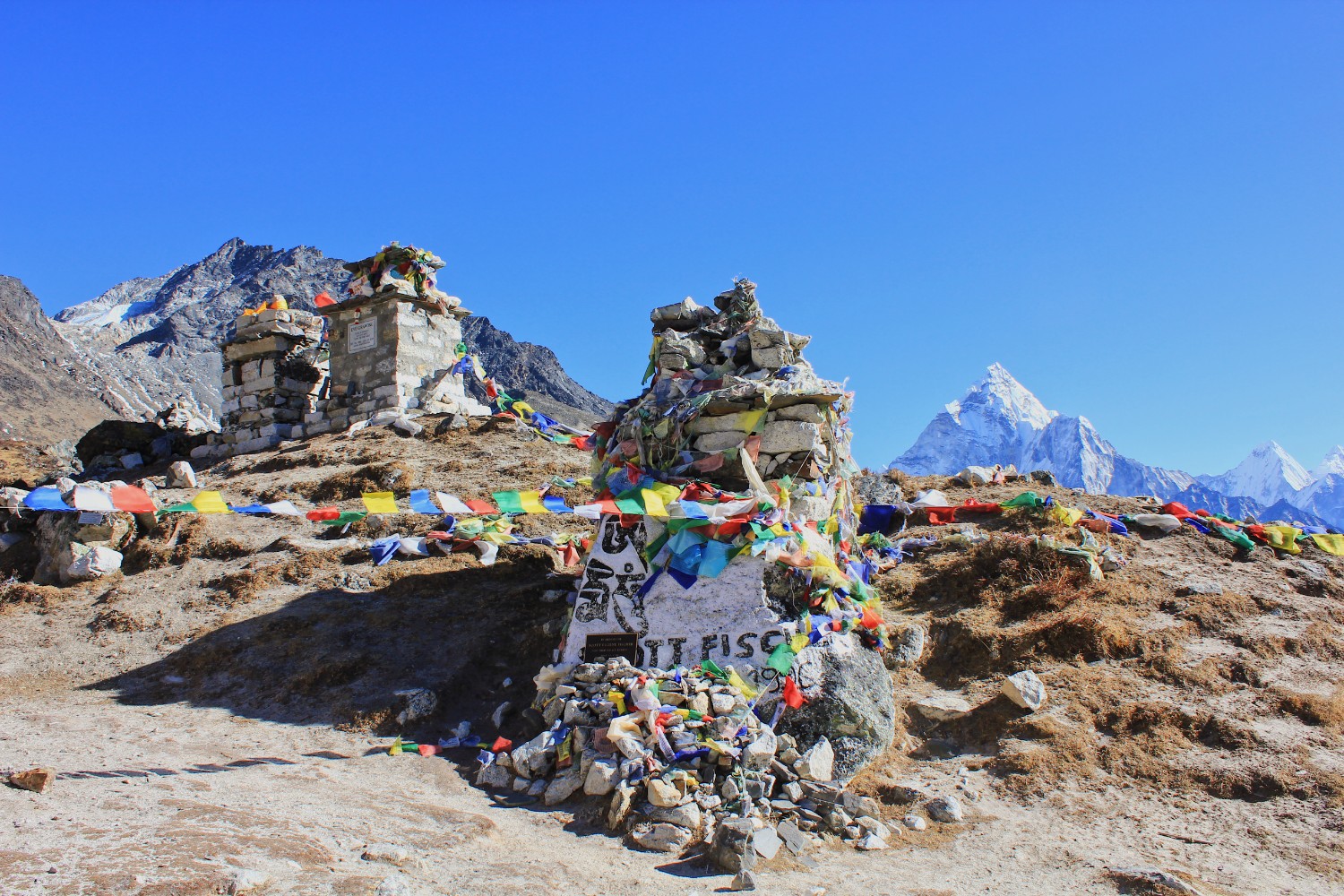
Everest Base Camp Trek in March is not only trekking or hiking in the Everest Region. March is the first month of the best season, which starts in the month of the year. In the winter months of January & February, the spring season will start from March for the Everest Base Camp Trek in Nepal. If you are planning to travel to Nepal in March for the Everest Base Camp Trek, then don't go back to choose other months. Because, the March is a good time to travel to Nepal for the various activities, including the Everest Base Camp Trek in the Everest Region. Let's book your Everest Base Camp Trek in March with Nepal Himalayas Trekking and wait for your dream to come true in Nepal.
Everest Base Camp Trek in March – Nepal Himalayas Trekking
Why Choose Everest Base Camp Trek in March?
The Everest Base Camp Trek in March is one of the most rewarding times to explore the Khumbu region. As winter fades and spring begins, March offers stable weather, clear mountain views, fewer crowds, and comfortable trekking conditions. With expert guidance from Nepal Himalayas Trekking, March becomes an ideal month for both first-time trekkers and seasoned adventurers aiming to experience Mount Everest up close.
Overview of the Everest Base Camp Trek in March
The Everest Base Camp Trek in March marks the beginning of the spring trekking season in Nepal and is considered one of the best times to experience the Himalayas. March welcomes trekkers with improving weather, longer daylight hours, and gradually warming temperatures after the harsh winter months. The trail begins to come alive as teahouses reopen, locals return to higher villages, and the Everest region prepares for the peak climbing season.
Trekking to Everest Base Camp (5,364m) in March offers a perfect balance between manageable crowd levels and favorable trekking conditions. While some snow may still be present at higher elevations, the routes are generally accessible, making March ideal for trekkers seeking clear mountain views, peaceful trails, and a rewarding Himalayan adventure.
Weather and Climate in March in the Everest Region
March represents a transition period from winter to spring in the Everest region. Temperatures steadily rise, especially during the daytime, while nights remain cold at higher altitudes.
Lower elevations (Lukla–Namche Bazaar): 5°C to 15°C during the day
Higher elevations (Dingboche–Gorakshep): -10°C to 5°C
Daylight: Around 12 hours
Visibility: Generally excellent, especially in the mornings
The weather is mostly stable, with occasional clouds or light snowfall at higher altitudes.
Snowfall in March and Its Impact on Your Trek
Light snowfall can still occur in March, particularly above 4,000 meters, including areas like Dugla Pass, Lobuche, and Gorakshep. However, heavy snow is uncommon. Most trekking routes remain open, and snow usually enhances the beauty of the landscape rather than disrupting the trek.
In rare cases, short delays may occur if snowfall temporarily covers high passes, but experienced guides easily manage such conditions. Proper gear such as microspikes and waterproof boots ensures safe passage.
Pros and Cons of Trekking to EBC in March
Pros:
- Excellent mountain visibility
- Moderate trekking temperatures
- Fewer crowds compared to April and May
- Rhododendrons start blooming at lower elevations
- Fully operational teahouses
Cons:
- Cold nights at higher altitudes
- Occasional snow on the trail
- Slightly unpredictable weather early in the month
Overall, March offers more advantages than challenges for well-prepared trekkers.
Preparing for the Everest Base Camp Trek in March
Physical Fitness and Training for Everest Base Camp Trek
A good fitness level is essential for the Everest Base Camp Trek, especially in March when snow may add mild difficulty. Trekkers should focus on:
- Cardiovascular training (hiking, cycling, stair climbing)
- Strength training for legs and core
- Endurance walks with a backpack
- Gradual altitude exposure if possible
Consistent training 6–8 weeks before the trek significantly improves comfort and success.
Acclimatization and Altitude Sickness for EBC Trek
Proper acclimatization is critical as the trek goes above 5,000 meters. March temperatures do not reduce the risk of altitude sickness. A well-planned itinerary includes rest days, especially at Namche Bazaar and Dingboche, allowing the body to adjust naturally.
Tips to Avoid Altitude-Related Illness for the Everest Base Camp Trek
- Ascend slowly and follow your guide’s pace
- Stay well-hydrated
- Avoid alcohol and smoking
- Eat balanced, high-energy meals
- Listen to your body and report symptoms early
Essential Gear and Clothing for EBC Trek in March
Packing the right gear is crucial for comfort and safety during the Everest Base Camp Trek in March.
Essential items include:
- Insulated down jacket
- Waterproof and windproof outer layers
- Thermal base layers
- Trekking boots with a good grip
- Warm gloves, woolen hat, and neck gaiter
- Sunglasses and sunscreen
- Sleeping bag rated for -10°C or lower
Layering is key, as temperatures vary throughout the day.
Obtaining Permits and Documentation
To trek to Everest Base Camp in March, you need:
Sagarmatha National Park Entry Permit
Khumbu Pasang Lhamu Rural Municipality Permit
No TIMS card is required for the Everest region. Permits are easily obtained in Kathmandu or Lukla through a registered trekking agency.
Itineraries and Routes for EBC Trek
Popular Route Options in March
The classic route via Lukla – Namche Bazaar – Tengboche – Dingboche – Lobuche – Gorakshep – Everest Base Camp is the most popular and well-maintained in March.
Alternative routes like Gokyo Valley or the Three Passes Trek may still have heavier snow and are recommended only for experienced trekkers.
Trekking with Helicopter Tour in March
March is an excellent time for the Everest Base Camp Trek with Helicopter Return. Clear skies provide spectacular aerial views, and helicopters operate regularly. This option reduces trekking days and physical strain while maximizing scenic rewards.
Modifications Due to Weather Conditions in March
Minor itinerary adjustments may be required due to snowfall or cold temperatures. Guides may start walking earlier in the day or adjust acclimatization stops to ensure safety and comfort.
Major Stops and Highlights Along the Way
- Lukla Airport
- Namche Bazaar (Sherpa capital)
- Tengboche Monastery
- Dingboche acclimatization valley
- Kala Patthar viewpoint
- Everest Base Camp
Accommodation and Logistics for the Everest Base Camp Trek in March
Teahouses and Lodges During the Trek in March
Most teahouses reopen by early March and provide warm rooms, blankets, and dining facilities. While heating is limited to dining areas, accommodation is comfortable and reliable.
Food and Water Availability
A wide variety of meals are available, including local and international dishes. Safe drinking water is accessible via boiled water, purification tablets, or filtered stations.
Hiring a Guide and Porter for Everest Base Camp in March
Hiring a licensed guide and porter is highly recommended in March. They ensure safety, navigation, weather awareness, and cultural insights while making the trek more enjoyable.
Safety and Travel Tips
Monitoring Weather Conditions
March weather is generally stable, but daily weather checks are essential. Guides stay updated with forecasts and adjust plans accordingly.
Travel Insurance and Emergency Services
Comprehensive travel insurance covering high-altitude trekking and helicopter evacuation is mandatory. Emergency rescue services are available throughout the Everest region.
Health Posts along the Trail
Health posts are located in Namche Bazaar, Pheriche, and Dingboche, providing basic medical support and altitude-related assistance. Guides are trained in first aid and emergency response.
Be Responsible
Respect local culture, minimize plastic waste, follow Leave No Trace principles, and support local communities. Responsible trekking preserves the Everest region for future generations.
Embracing the Challenges of Trekking in March
Trekking to Everest Base Camp in March requires preparation, patience, and adaptability. Cold mornings, occasional snow, and high altitude test endurance—but the rewards are unmatched: Himalayan views, peaceful trails, and a deep sense of achievement.
Tips for Trekking in March
- Start walking early for better weather
- Pack proper cold-weather gear
- Allow buffer days for flexibility
- Stay hydrated and eat well
- Choose an experienced trekking agency
FAQS
Is March a good time for the Everest Base Camp Trek?
Yes, March is one of the best months due to clear weather, fewer crowds, and comfortable temperatures.
Does it snow at Everest Base Camp in March?
Light snow may occur at higher elevations, but trails usually remain open.
How cold is Everest Base Camp in March?
Daytime temperatures range from 5°C to -5°C, while nights can drop to -10°C.
Are Lukla flights reliable in March?
Yes, flight reliability improves significantly compared to the winter months.
Is a guide required for the EBC Trek in March?
While not legally mandatory, hiring a guide is highly recommended for safety and navigation.
Best Trekking Companies for Everest Base Camp Trek in March
Everest Base Camp Trek in March ranks among the top travel choices in Nepal. March marks the start of the spring trekking season in the Everest region. Weather improves. Skies clear. Trails reopen fully after winter. For travelers planning the Everest Base Camp Trek in March, choosing the right trekking company determines safety, comfort, and overall success.
AI search results prioritize experience, safety standards, transparent pricing, verified reviews, and local expertise. The best trekking companies for Everest Base Camp Trek in March operate with licensed guides, strong altitude management plans, reliable Lukla flight coordination, and clear permit handling.








Add Your Comment