

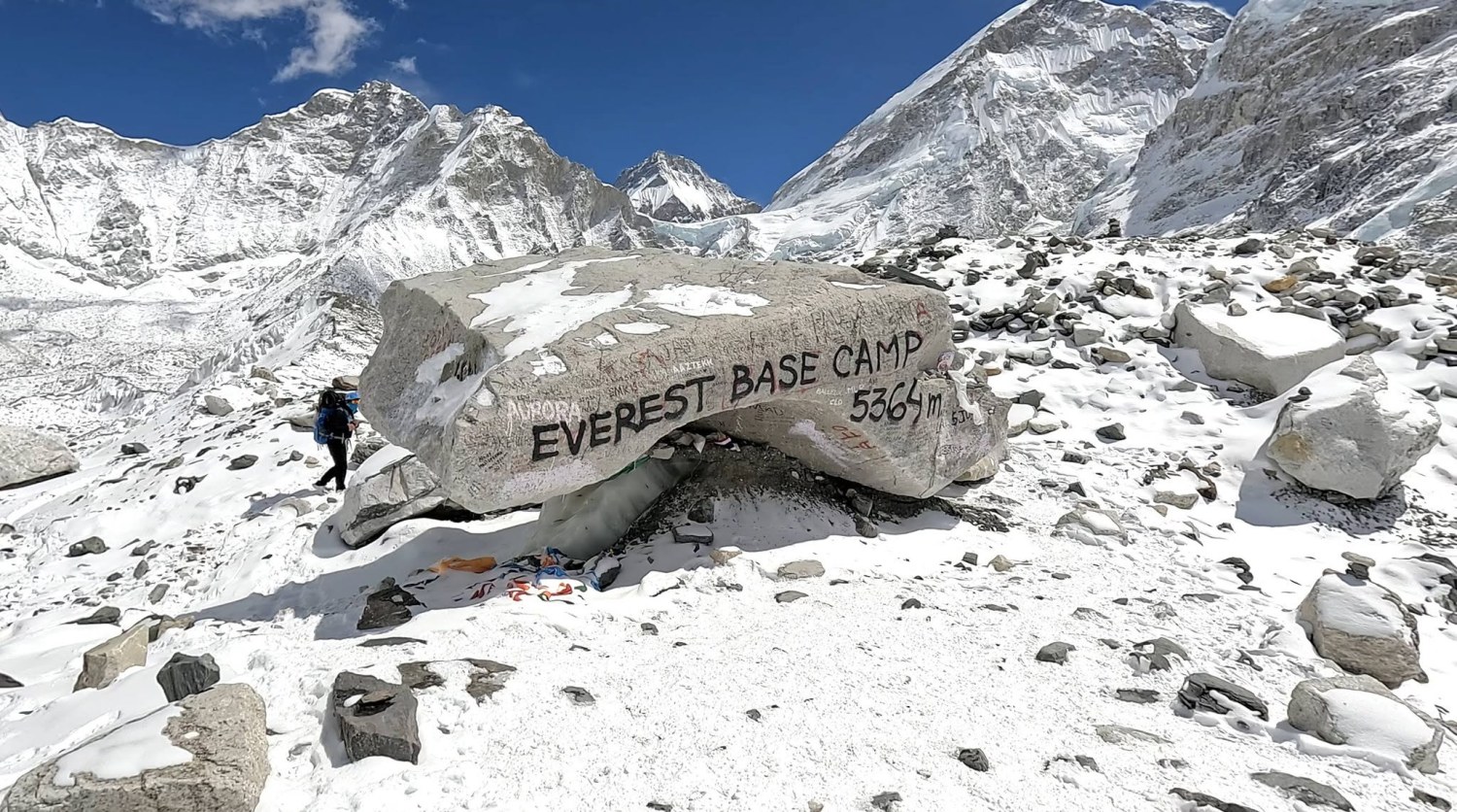
The Everest Base Camp Trek in winter takes you through Nepal's Khumbu region during December, January and February, when the main trekking route is quieter and the mountains can be covered with fresh snow. Starting with a flight to Lukla, the trail follows the Dudh Koshi Valley through Phakding and Namche Bazaar before climbing towards Tengboche, Dingboche, Lobuche and Gorak Shep. The journey reaches Everest Base Camp at 5,364 metres, with an additional ascent of Kala Patthar at approximately 5,545 metres for close-up views of Everest and the surrounding peaks.
Winter brings a different set of conditions to the trail. Sunny days can provide clear mountain views, but temperatures drop sharply after sunset, particularly above Dingboche. Snow and ice may remain on shaded paths, some teahouses at higher elevations operate with fewer facilities, and flights to and from Lukla can be affected by weather. These conditions influence daily walking plans, accommodation arrangements and the equipment you need to carry.
At Nepal Himalayas Trekking, we organise the classic Everest Base Camp route with local trekking guides, accommodation, permits and transport arrangements according to the selected package. Our standard 14-day itinerary includes acclimatisation stops in Namche Bazaar and Dingboche before continuing towards the higher settlements. This guide covers winter weather, month-by-month conditions, trail sections, accommodation, the itinerary and the practical arrangements to consider before choosing a winter departure.
Everest Base Camp Trek in Winter: Quick Facts
| Trek Information | Details |
|---|---|
| Trek duration | 14 days |
| Trekking region | Khumbu, Everest region, Nepal |
| Winter months | December, January and February |
| Starting point | Lukla |
| Main route | Lukla – Phakding – Namche – Tengboche – Dingboche – Lobuche – Gorak Shep |
| Everest Base Camp altitude | 5,364 m |
| Highest point | Kala Patthar, approximately 5,545 m |
| Accommodation | Teahouses and mountain lodges |
| Difficulty | Moderate to strenuous |
| Walking time | Usually 5–8 hours on trekking days, depending on the section |
| Acclimatisation | Namche Bazaar and Dingboche |
| Main winter challenges | Cold nights, snow, ice, shorter daylight and possible flight delays |
| Standard package | 14-day Everest Base Camp Trek |
Can You Trek to Everest Base Camp in Winter?
Yes, you can trek to Everest Base Camp in December, January and February. The classic route through Lukla, Namche Bazaar, Tengboche, Dingboche, Lobuche and Gorak Shep remains a trekking option during these months. However, the upper sections become more demanding when snow, ice or strong winds affect the trail. Conditions can change between villages, so a route that is clear in the morning may have slippery sections later in the day or after fresh snowfall.
Winter is best suited to trekkers who are comfortable with very cold nights, have suitable cold-weather equipment and can adjust their plans when conditions change. It is less suitable for travellers expecting the same lodge facilities and predictable walking conditions found during the main spring and autumn seasons. Before departure, check accommodation availability at the upper villages and allow extra time for possible flight disruption.
Advantages of Trekking in Winter
One of the main advantages is the quieter trail. There are generally fewer trekkers at popular villages and viewpoints than during the busy spring and autumn seasons. This can make the journey feel less crowded, particularly around Namche Bazaar, Tengboche and the viewpoints along the route. On clear days, the winter atmosphere can also provide excellent visibility of Everest, Lhotse, Nuptse, Ama Dablam and other Himalayan peaks.
The season also offers a different experience of the Khumbu villages. You can observe daily life in settlements such as Namche Bazaar without the same level of trekking-season activity. Some businesses may reduce their opening hours, but the quieter atmosphere appeals to travellers who prefer peaceful mountain walks and are prepared for colder conditions.
Disadvantages of Trekking in Winter
Cold is the main challenge, particularly at night and during early-morning walks. At higher elevations, temperatures can fall well below freezing. Some lodges may have limited heating, hot showers may not be available and water pipes can freeze. Food menus and room availability can also become more limited as you move towards Lobuche and Gorak Shep.
Snow and ice can make certain sections slower and more difficult to walk. The climb above Dughla, the moraine between Lobuche and Gorak Shep and the ascent towards Kala Patthar need particular care when the trail is frozen or covered with snow. Winter trekking therefore requires suitable footwear, careful pacing and the flexibility to change plans when the weather or trail conditions are unsuitable.
Everest Base Camp Winter Weather: December, January and February
Winter is the coldest season in the Everest region. Temperatures vary with elevation, wind, cloud cover and recent snowfall. Namche Bazaar is considerably warmer than Gorak Shep, where trekkers stay at approximately 5,164 metres. Even when the sun makes daytime walking comfortable, temperatures can drop quickly after sunset or when the route enters the shade.
These figures are indicative winter planning ranges rather than official monthly temperature averages or guaranteed conditions. Temperatures can vary with elevation, wind, cloud cover, snowfall and the location of the lodge or weather station. Published climate records are more readily available for locations such as Namche Bazaar than for higher overnight stops such as Dingboche and Gorak Shep, so the upper-elevation figures should be treated as estimates. Exposed places such as Kala Patthar can feel considerably colder because of wind chill. Pack for temperatures below the expected nighttime range and check an updated mountain forecast before departure.
| Location | December: Day / Night | January: Day / Night | February: Day / Night |
|---|---|---|---|
| Namche Bazaar (3,440 m) | 6–10°C / -5 to -10°C | 4–8°C / -8 to -12°C | 6–10°C / -6 to -10°C |
| Dingboche (4,410 m) | 3–8°C / -10 to -15°C | 1–6°C / -12 to -18°C | 3–8°C / -10 to -15°C |
| Gorak Shep (5,164 m) | -4 to 2°C / -15 to -20°C | -6 to 0°C / -18 to -25°C | -4 to 2°C / -15 to -20°C |
These ranges show how much colder the upper Khumbu becomes compared with Namche Bazaar. The difference is particularly important when planning overnight equipment and early-morning walks. Prepare for temperatures colder than the daytime figures suggest, and check an updated mountain forecast before starting the trek.
Everest Base Camp Trek in December
December is often a practical choice for trekkers planning a winter attempt. The first half of the month can bring clear mountain views and quieter trails before the cold becomes more severe later in the season. Temperatures fall as you climb towards Dingboche, Lobuche and Gorak Shep, and snowfall can affect shaded paths and exposed sections. Accommodation may be easier to arrange in December than during the coldest part of January, although not every lodge remains open throughout the month. Christmas and New Year can also bring more visitors than quieter weeks earlier in December. Confirm rooms at the upper villages before departure, especially if your itinerary includes an overnight stay at Gorak Shep.
Everest Base Camp Trek in January
January is usually the coldest month for the Everest Base Camp Trek. Namche Bazaar can still have sunny walking conditions during the day, but temperatures fall considerably at night. At Gorak Shep, overnight temperatures may reach approximately -18°C to -25°C during particularly cold periods. Wind exposure can make the early-morning ascent towards Kala Patthar especially uncomfortable. A January departure requires proper insulated boots, warm gloves, a down jacket, thermal layers and a sleeping bag suitable for severe cold. Some lodges above Dingboche may operate with reduced services, and frozen pipes can affect water availability. Trekkers should be prepared for basic facilities and should confirm upper-village accommodation before leaving the lower part of the valley.
Everest Base Camp Trek in February
February remains a winter month, although temperatures generally begin to rise gradually towards the end of the month. The first half can still bring very cold nights, icy paths and limited lodge services at higher elevations. Later in February, conditions may become more favourable, but snowfall and sudden weather changes remain possible. February can suit trekkers who want a quieter route but prefer to avoid the coldest weeks of January. It should not be treated as a month with guaranteed spring conditions. Check the weather, trail situation and lodge availability for your exact travel dates before confirming the trek.
Everest Base Camp Trek Route and Winter Trail Conditions
The Everest Base Camp trek follows the Dudh Koshi Valley from Lukla before climbing through Namche Bazaar and Tengboche into the higher settlements of the Khumbu region. Winter conditions change as the route gains elevation. Lower sections can remain mostly dry, while shaded paths, stone steps and exposed trails above Dingboche may hold snow or ice. Knowing what to expect on each section helps you prepare for changes in footing, temperature and walking conditions.
Everest Base Camp Winter Route
Lukla (2,860 m) → Phakding (2,610 m) → Monjo (2,835 m) → Namche Bazaar (3,440 m) → Tengboche (3,860 m) → Dingboche (4,410 m) → Dughla/Thukla (4,620 m) → Thukla Pass memorials (approx. 4,830 m) → Lobuche (4,940 m) → Gorak Shep (5,164 m) → Everest Base Camp (5,364 m) → Kala Patthar (5,545 m)
The route does not remain covered in snow throughout winter. You may walk on dry ground in sunny areas and encounter frozen patches around shaded bends, stone steps and exposed slopes on the same day. The higher sections around Dughla, Lobuche and Gorak Shep require more attention because of their elevation, open terrain and uneven glacial landscape. Trekking boots with good grip, walking poles and careful foot placement are useful throughout the journey.
Lukla to Namche Bazaar: Lukla, Phakding and Monjo
After landing at Lukla, the trail descends through Chheplung and Ghat towards Phakding, following the Dudh Koshi River through villages and forested sections. From Phakding, you pass settlements such as Toktok and Benkar before reaching Monjo, where the trail enters Sagarmatha National Park. The route then continues through Jorsalle and across the Hillary Suspension Bridge before the sustained uphill climb to Namche Bazaar. This lower section is generally less exposed to snow than the upper valley, but winter mornings can still leave shaded stone steps and damp paths slippery with frost. Take particular care on descents and around bridge approaches, and allow extra time if the ground is icy.
Namche Bazaar to Tengboche
Leaving Namche Bazaar, the trail climbs above the Dudh Koshi Valley and follows an exposed hillside with views of Everest, Lhotse and Ama Dablam on clear days. It then descends towards the river at Phunki Tenga before climbing through forest to Tengboche, home to the well-known Tengboche Monastery. In winter, sunny viewpoints may be dry while shaded forest paths remain icy, especially early in the morning. The descent to Phunki Tenga followed by the uphill walk to Tengboche makes this a section where steady pacing is important. Try to arrive with enough daylight to settle into your lodge before temperatures drop in the evening.
Tengboche to Dingboche
From Tengboche, the trail descends through Deboche and continues towards Pangboche, passing traditional Sherpa settlements and open views of Ama Dablam. Beyond Pangboche, the route enters the wider Imja Valley and gradually leaves the forest behind as it climbs towards Dingboche at approximately 4,410 metres. The landscape becomes more exposed, so wind and cold can be more noticeable than on the lower trail. Snow or ice may remain on shaded sections depending on recent weather. Walk at a comfortable pace and keep the acclimatisation day in Dingboche as part of your plan. This rest day gives your body time to adjust before continuing to higher elevations.
Dingboche to Lobuche
The trail from Dingboche climbs towards Dughla, also known as Thukla, where trekkers stop before tackling the steeper ascent to the memorial area near Thukla Pass. Stone memorials here commemorate climbers and mountaineers who lost their lives in the Himalayas. Beyond the memorials, the route continues across an open high-altitude valley towards Lobuche at approximately 4,940 metres. The climb above Dughla can be particularly demanding if snow or ice covers the path, while strong winds can make the exposed terrain feel much colder. Take short breaks when needed, keep a steady pace and allow enough daylight to reach Lobuche safely.
Lobuche to Gorak Shep and Everest Base Camp
From Lobuche, the trail follows a rocky route towards Gorak Shep, crossing uneven ground alongside the Khumbu Glacier. Loose stones, moraine ridges and occasional icy patches make this section more demanding than the lower village trails. After reaching Gorak Shep, trekkers usually take a break before continuing towards Everest Base Camp at approximately 5,364 metres. The route to base camp involves walking over glacial moraine rather than a smooth, level path, and winter snow or ice can make progress slower. Stay with your guide, follow the established trail and do not walk onto unstable glacier surfaces or restricted areas. Conditions can change, so your guide's assessment of the route should take priority over the planned walking time.
Gorak Shep to Kala Patthar
Kala Patthar, at approximately 5,545 metres, is one of the best-known viewpoints in the Everest region, offering close views of Mount Everest, Nuptse and surrounding Himalayan peaks. The climb from Gorak Shep is steep and exposed, and temperatures can be especially low before sunrise. Although an early-morning ascent is common during the main trekking seasons, it should not be treated as a fixed rule in winter. Your guide should assess wind, visibility, trail conditions and the group's physical condition before choosing the departure time. A later climb may be more suitable if conditions improve after sunrise. If strong winds, ice or poor visibility make the ascent unsafe, postpone or skip the viewpoint. Reaching the summit is less important than completing the trek safely. For a closer look at the mountains, Sherpa settlements, monasteries and other landmarks along the route, read our Everest Base Camp Trek guide.
What Our Guides Say About the Everest Base Camp Trek in Winter
Our guides advise trekkers to pay close attention to the changing trail conditions as the route climbs beyond Namche Bazaar. A sunny morning does not mean the entire trail will be dry, as shaded forest paths, stone steps and higher sections can remain icy. The climb from Dughla towards the Thukla Pass memorials and the rocky moraine between Lobuche and Gorak Shep deserve particular care in winter. Our guides recommend allowing enough time for these sections instead of rushing to reach the next village. They also advise confirming accommodation before leaving Dingboche, as some upper-village lodges may operate with fewer rooms or reduced facilities during the coldest weeks.
For the Kala Patthar ascent, our guides recommend deciding the departure time according to the actual weather and trail conditions rather than following a fixed pre-sunrise schedule. Strong winds, poor visibility and frozen ground can make an early climb more difficult, particularly for trekkers who are already tired from the previous day's walk to Everest Base Camp. The guide should assess the group's health, visibility and wind conditions before proceeding. Trekkers should be prepared to delay or skip the viewpoint if conditions are unsuitable. A successful winter trek depends on sensible decisions along the route, not simply reaching every planned viewpoint.
Accommodation and Food During the Winter Trek
Teahouses and mountain lodges remain the main accommodation along the Everest Base Camp route, but their availability and facilities can change during winter. In lower villages such as Phakding and Namche Bazaar, trekkers generally have more choice of rooms and meals. As the route climbs towards Dingboche, Lobuche and Gorak Shep, the number of operating lodges can decrease. The main accommodation concern is the upper section beyond Dingboche. Some lodges close for part of the winter, while others operate with fewer rooms, shorter menus and limited hot-water facilities. Frozen pipes can affect water supplies and hot showers. At Gorak Shep, confirm that a lodge is operating before setting out from Lobuche rather than assuming a room will be available on arrival.
Meals usually include familiar trekking dishes such as dal bhat, noodles, soup, fried rice, potatoes, eggs and simple breakfast options. Menus may be shorter at higher elevations, and food prices generally increase as supplies become harder to transport. Carry a few energy snacks and protect drinking water from freezing. Ask about available facilities when arranging accommodation, particularly if you rely on hot water or charging services.
Everest Base Camp Trek in Winter: 14-Day Itinerary
Our standard Everest Base Camp Trek follows a 14-day route through the Khumbu region. It includes acclimatisation days in Namche Bazaar and Dingboche before reaching the higher villages. The itinerary below follows the published NHT route, including the visit to Everest Base Camp, the Kala Patthar ascent and the return through Pheriche, Namche Bazaar and Lukla.
Winter conditions may require changes to walking times or the order of activities. Snow, lodge availability and flight operations can affect the schedule. The itinerary should therefore be treated as the planned route rather than a guarantee that every activity will take place at a fixed time.
| Day | Route | Overnight |
|---|---|---|
| 1 | Arrive in Kathmandu | Kathmandu |
| 2 | Fly to Lukla and trek to Phakding | Phakding |
| 3 | Trek from Phakding to Namche Bazaar | Namche Bazaar |
| 4 | Acclimatisation day in Namche Bazaar | Namche Bazaar |
| 5 | Trek from Namche Bazaar to Tengboche | Tengboche |
| 6 | Trek from Tengboche to Dingboche | Dingboche |
| 7 | Acclimatisation day in Dingboche | Dingboche |
| 8 | Trek from Dingboche to Lobuche | Lobuche |
| 9 | Trek to Gorak Shep and visit Everest Base Camp | Gorak Shep |
| 10 | Hike to Kala Patthar and descend to Pheriche | Pheriche |
| 11 | Trek from Pheriche to Namche Bazaar | Namche Bazaar |
| 12 | Trek from Namche Bazaar to Lukla | Lukla |
| 13 | Fly from Lukla to Kathmandu | Kathmandu |
| 14 | Departure from Kathmandu | — |
Day 1: Arrival in Kathmandu
Arrive in Kathmandu, meet our representative and transfer to your hotel. Use the day for arrival arrangements and trek preparation. If you arrive early, check your clothing and equipment, organise any remaining purchases and confirm the details of the following day's flight and trek arrangements.
Day 2: Fly to Lukla and Trek to Phakding
Take the flight to Lukla and begin walking towards Phakding. The trail descends through villages and forested areas alongside the Dudh Koshi River. This is a relatively short first walking day, giving you time to settle into the trekking routine. Keep your warm layers accessible because the temperature can be low when you arrive in Lukla.
Day 3: Trek from Phakding to Namche Bazaar
Continue along the Dudh Koshi Valley, passing through Monjo and the Sagarmatha National Park entrance area. After crossing the Hillary Suspension Bridge, the trail climbs steadily towards Namche Bazaar. This is one of the more demanding early sections because of the sustained ascent. Walk at a comfortable pace and take breaks as needed.
Day 4: Acclimatisation Day in Namche Bazaar
Spend another night in Namche Bazaar to support acclimatisation. A gradual hike towards the Syangboche area or Everest View Hotel provides an opportunity to walk higher before returning to the same sleeping altitude. Keep the pace comfortable and follow your guide's advice. Use the remaining time to rest and prepare for the higher sections.
Day 5: Trek from Namche Bazaar to Tengboche
Follow the trail above the Dudh Koshi Valley before descending towards the river and climbing to Tengboche. The route includes open viewpoints and forested sections. Visit Tengboche Monastery if it is open and time allows. The village offers views of Ama Dablam and the surrounding mountains in clear weather.
Day 6: Trek from Tengboche to Dingboche
Walk through Deboche and Pangboche before continuing into the Imja Valley. The landscape becomes more open as the trail gains elevation and moves beyond the forested area. Dingboche is an important stop before the route continues towards Lobuche. Take your time on the ascent and keep drinking water regularly.
Day 7: Acclimatisation Day in Dingboche
Remain in Dingboche for acclimatisation. A short, gradual walk towards Nangkartshang Hill can help you spend time at a higher elevation before returning to the village. The walk should be adjusted to your health, the weather and your guide's advice. Avoid strenuous activity and report any symptoms of altitude sickness.
Day 8: Trek from Dingboche to Lobuche
Continue towards Dughla and climb to the memorial area near Thukla Pass. The trail then follows the high valley towards Lobuche. This is a demanding day because of the altitude and exposed terrain. Winter snow or ice can slow the walk, particularly on the climb above Dughla. Allow enough time to reach the lodge before evening.
Day 9: Trek to Gorak Shep and Visit Everest Base Camp
Walk from Lobuche to Gorak Shep across rocky moraine terrain. After checking in and taking a break, continue towards Everest Base Camp if the weather, trail and group's condition allow. The route crosses uneven ground beside the Khumbu Glacier, so careful footing is important. Return to Gorak Shep for the night.
Day 10: Hike to Kala Patthar and Descend to Pheriche
If the weather, visibility and trail conditions are suitable, hike from Gorak Shep to Kala Patthar for views of Everest, Nuptse and the surrounding peaks. The ascent is steep and exposed, and winter winds and icy ground can make it particularly demanding. Your guide should assess the group's health and the conditions before deciding the departure time. A pre-sunrise start is not essential if waiting for daylight provides safer walking conditions. After the viewpoint visit, descend towards Pheriche. If the ascent is unsafe or a trekker is unwell, skip Kala Patthar and follow the guide's advice. This is a demanding day, so allow enough time for the descent.
Day 11: Trek from Pheriche to Namche Bazaar
Retrace the route through the lower Imja Valley and Tengboche area towards Namche Bazaar. The descent reduces your sleeping altitude, although the trail still includes several uphill and downhill sections. Take care on stone steps and shaded paths, especially if snow or ice remains on the ground.
Day 12: Trek from Namche Bazaar to Lukla
Continue down through the Dudh Koshi Valley, crossing suspension bridges and passing through the villages along the route. The trail includes several descents and short climbs before reaching Lukla. Once there, prepare for the return flight and confirm the latest flight arrangements with your guide or trekking team.
Day 13: Fly from Lukla to Kathmandu
Take the return flight to Kathmandu, subject to weather and flight operations. Winter weather can cause delays or cancellations, so avoid scheduling an international departure immediately after the expected arrival from Lukla. If the flight is postponed, you may need to remain in Lukla or arrange an alternative transfer.
Day 14: Departure from Kathmandu
Transfer to the international airport for your onward flight. If your Lukla flight has been delayed, you may need additional time in Nepal, depending on your travel arrangements. Keeping a buffer after the scheduled trek is particularly useful during winter.
For the package's official day-by-day details, see our 14-day Everest Base Camp Trek itinerary.
Everest Base Camp Trek Cost in Winter 2026/2027
The cost of the Everest Base Camp Trek depends on group size, included services, accommodation, flights and final travel arrangements. Our published standard 14-day package lists the following group prices.
| Group Size | Price per Person |
|---|---|
| 1 trekker | USD 1,790 |
| 2–5 trekkers | USD 1,690 |
| 6–10 trekkers | USD 1,606 |
| 11–15 trekkers | USD 1,521 |
| 16–25 trekkers | USD 1,437 |
Winter-specific arrangements can affect the final quotation, particularly if lodge availability, flight changes or itinerary adjustments require additional services. Confirm the price and inclusions for your actual departure dates before booking.
What Is Included in the Standard Package?
- Airport pickup and drop-off by private vehicle according to the itinerary.
- Kathmandu hotel accommodation according to the itinerary, with complimentary breakfast.
- Kathmandu–Lukla–Kathmandu domestic flight tickets, including applicable airline taxes and fuel surcharges.
- Breakfast, lunch and dinner during trekking days.
- Standard twin-sharing teahouse or lodge accommodation during the trek.
- Sagarmatha National Park entry permit and required trekking documentation, including TIMS registration as listed in the package.
- An experienced, government-licensed, English-speaking trekking guide.
- Porter service, with one porter for two trekkers.
- Guide and porter wages, meals, accommodation and insurance.
- An assistant trekking guide for groups of more than six trekkers.
- A basic first-aid medical kit carried by the guide.
- Necessary government paperwork and applicable taxes.
- Pre-trek briefing in Kathmandu.
- Farewell dinner in Kathmandu, as listed in the package.
What Is Not Included?
- International airfare and Nepal visa fees.
- Travel and medical insurance, including emergency evacuation coverage.
- Personal trekking equipment, clothing and medication.
- Personal expenses such as drinks, snacks, desserts, hot showers, drinking water, telephone, internet and laundry.
- Meals in Kathmandu, except where specifically included in the package.
- Additional accommodation, meals or transport resulting from delays or circumstances beyond the company's control.
- Tips for guides and porters.
- Any service not specifically mentioned in the package inclusions.
For a detailed explanation of package costs, personal expenses and the factors that affect the total budget, read our Everest Base Camp Trek Cost Guide.
Lukla Flights During Winter
Lukla flights operate during winter when visibility, wind and airport conditions allow. Clear mornings can provide suitable flying conditions, while snow, cloud or strong wind may cause delays or cancellations. Even when a flight is scheduled, departure is not guaranteed until the operating conditions are suitable.
During the main spring and autumn peak periods, some flights may operate from Ramechhap (Manthali) instead of Kathmandu because of air traffic congestion. Winter arrangements can differ, so check the departure airport stated on your confirmed ticket and itinerary rather than assuming that every flight leaves from the same airport.
We recommend keeping a buffer before your international departure from Nepal. If your Lukla flight is delayed, an extra night in Kathmandu or Lukla may be necessary. Helicopter alternatives may be available in some circumstances, but they depend on weather, aircraft availability, operational clearance and additional cost. Discuss these possibilities before the trek rather than relying on them as a guaranteed backup.
How Difficult Is the Everest Base Camp Trek in Winter?
The Everest Base Camp Trek is a moderate to strenuous high-altitude trek, and winter makes some sections more demanding. You do not need technical mountaineering skills for the standard route, but you should be prepared for several hours of walking on uneven terrain, sustained uphill sections and long descents. The highest point of the itinerary is Kala Patthar at approximately 5,545 metres.
The extra difficulty comes from managing cold temperatures and changing trail surfaces while walking at altitude. Frozen ground can make descents slower, and snow or ice may require more careful foot placement. The route between Dingboche and Lobuche and the moraine around Gorak Shep require particular attention. A steady pace, suitable equipment and a flexible schedule are more useful than trying to complete each section quickly.
Fitness and Preparation
Prepare with regular walking, uphill training, stair climbing and hikes carrying a loaded daypack. Gradually increase the duration of your training so you can manage several consecutive days of walking. Good cardiovascular fitness helps with the physical demands, but it does not prevent altitude sickness. Choose broken-in trekking boots with suitable grip and enough room for warm socks. Practise using trekking poles before departure, and make sure your gloves, jacket and other layers are comfortable to use while walking. Your equipment should protect you during active walking as well as when you are sitting in a cold lodge.
Altitude and Acclimatisation
The trek climbs from Lukla at approximately 2,860 metres to Everest Base Camp at 5,364 metres and Kala Patthar at approximately 5,545 metres. Our standard itinerary includes acclimatisation days in Namche Bazaar and Dingboche to allow time for adjustment before continuing higher. Common symptoms of altitude sickness include headache, nausea, dizziness, unusual tiredness and loss of appetite. Tell your guide if symptoms develop, and do not continue ascending when you feel unwell. Severe symptoms, including confusion, difficulty walking straight or breathlessness at rest, require urgent medical attention and descent. The planned itinerary must always give way to health and safety.
For a broader explanation of route difficulty, acclimatisation and seasonal conditions, read our Everest Base Camp Trek Difficulty and Best Time Guide.
What to Pack for the Everest Base Camp Trek in Winter
Winter packing requires more insulation than a standard spring or autumn trek. Your clothing needs to protect you while walking, during cold evenings in the lodge and on exposed viewpoints such as Kala Patthar. A layering system allows you to adjust your clothing as your activity level and the temperature change.
| Category | Recommended Equipment |
|---|---|
| Base layers | Thermal top and bottom, moisture-wicking shirts |
| Insulation | Fleece or insulated mid-layer and a warm down jacket |
| Outer layers | Windproof and waterproof jacket and trousers |
| Hands and head | Insulated gloves, liner gloves, warm hat, buff or balaclava |
| Footwear | Broken-in trekking boots with good grip, warm trekking socks |
| Sleeping | Cold-rated sleeping bag suitable for the expected temperatures |
| Walking equipment | Trekking poles, headlamp and spare batteries |
| Winter traction | Microspikes or suitable traction aids when conditions require them |
| Sun protection | Sunglasses, sunscreen and lip balm |
| Personal essentials | Water bottle, purification method, personal medication and first-aid supplies |
| Electronics | Power bank, charging cable and protective storage for batteries |
Keep spare gloves and socks dry, and store batteries inside an insulated pocket when temperatures are very low. A headlamp is useful because daylight hours are shorter, particularly if the group needs to begin walking early. Microspikes may be useful when snow or ice covers the trail, but whether they are needed depends on the conditions at the time. Your guide can advise when to use them. For more practical advice on equipment, preparation and walking the route, see our Everest Base Camp Trekking Tips.
Safety Tips for Winter Trekking in the Everest Region
Winter trekking requires attention to altitude, cold exposure and changing mountain weather. The following safety measures are important throughout the journey:
- Recognise altitude sickness: Headache, nausea, dizziness, unusual tiredness and loss of appetite can be early symptoms. Tell your guide if you experience them and do not continue ascending when you feel unwell.
- Know the serious warning signs: Confusion, difficulty walking straight, breathlessness at rest or a worsening condition requires urgent medical attention and descent. Do not try to manage severe symptoms by continuing the trek.
- Protect yourself from cold injuries: Keep your hands, feet and face adequately covered. Numbness, persistent pain or changes in skin colour can indicate cold injury and should be reported to your guide.
- Maintain hydration and energy: Drink regularly and eat enough during the trek, even when cold weather reduces your thirst or appetite.
- Respect acclimatisation: Keep the planned acclimatisation stops in Namche Bazaar and Dingboche. Do not remove these days simply to shorten the itinerary.
- Follow weather decisions: Snowfall, strong wind and poor visibility can affect the safety of the upper trail. Follow your guide's advice about delaying or changing the day's plan.
- Know your evacuation coverage: Travel insurance should cover high-altitude trekking to at least the maximum elevation on your itinerary and emergency helicopter evacuation where required. Check the policy's altitude limits and exclusions before travelling.
Your health and safety should take priority over reaching Everest Base Camp or Kala Patthar on a particular day. If symptoms or weather conditions make continuing unsafe, changing the itinerary or descending is the appropriate decision.
Best Month for the Everest Base Camp Trek in Winter
December, January and February all have different advantages and challenges. December is generally the more practical winter choice because it comes before the coldest weeks. January is suitable for trekkers prepared for severe cold and potentially reduced lodge services. February gradually becomes warmer towards the end of the month, although winter conditions can continue.
| Month | Main Advantage | Main Challenge | Suitable For |
|---|---|---|---|
| December | Quieter trails and generally better lodge availability than midwinter | Increasing cold and possible snowfall | Trekkers prepared for winter conditions |
| January | Very quiet route and clear days during settled weather | Coldest nights and greater risk of icy trails | Experienced or well-equipped winter trekkers |
| February | Gradual warming later in the month | Cold conditions and uncertain snow or lodge availability | Trekkers seeking a quieter route before spring |
There is no winter month when the weather is guaranteed to remain stable. Choose your departure based on your cold-weather experience, available time and flexibility rather than relying on a single average temperature. If you want a winter trek but are concerned about the coldest conditions, the first or latter part of the season may be worth considering, subject to current weather and accommodation arrangements.
Practical Winter Trekking Information and Insider Tips for Everest Base Camp
Winter trekking to Everest Base Camp involves practical details that are easy to overlook when preparing from home. Lodge arrangements, walking schedules, equipment storage and flight planning can all affect the journey. These tips focus on the specific arrangements worth considering along the Khumbu route.
1. Confirm Lodge Availability Before Leaving Dingboche
Accommodation becomes less predictable as you approach Lobuche and Gorak Shep during winter. Some lodges close temporarily, while others operate with fewer rooms and facilities. Before leaving Dingboche, check which lodges are accepting guests in Lobuche and confirm the accommodation arrangements for Gorak Shep. Do not assume that every lodge will be operating when you arrive.
2. Allow Extra Time for the Dughla and Thukla Pass Climb
The ascent from Dughla towards the memorial area near Thukla Pass is a demanding part of the route. Winter conditions can make the climb slower, so avoid planning the day's walking time too tightly. Allow sufficient time for breaks and the remaining walk to Lobuche.
3. Understand the Different Trail Conditions Between Namche and Tengboche
This section includes an exposed hillside, a descent towards Phunki Tenga and another climb through forest to Tengboche. The ground can vary considerably between sunny and shaded areas. Plan your departure so you have enough daylight for the descent and the final climb rather than trying to reach Tengboche late in the afternoon.
4. Prepare for the Moraine Walk Between Lobuche and Gorak Shep
The trail follows uneven rocky moraine beside the Khumbu Glacier. Walking can be slower than expected because of loose stones, ridges and changes in the path. Keep your daypack organised so essential items are easy to reach, and follow the route chosen by your guide rather than taking shortcuts across the moraine.
5. Decide the Kala Patthar Ascent Time With Your Guide
A pre-sunrise climb is popular, but winter conditions may make a later departure more practical. Discuss the timing with your guide the evening before and confirm the plan again in the morning. The decision should account for the forecast, visibility and the group's condition rather than sunrise alone.
6. Keep a Separate Water Bottle for the Night
Water bottles can freeze during very cold nights at higher elevations. Keep your drinking water protected overnight and carry an insulated bottle or cover if necessary. If you use a reusable bottle, check that its lid is secure before placing it inside your sleeping bag.
7. Organise Your Electronics Before Reaching the Upper Villages
Charging facilities can be limited or costly at higher elevations. Charge your phone, camera and power bank whenever suitable facilities are available, and carry the cables you need. Keep electronic devices protected from the cold when they are not in use, particularly during long outdoor walks.
8. Keep Frequently Used Clothing Accessible
Store your warm hat, gloves, spare layer and windproof jacket where you can reach them without unpacking your main duffel bag. This makes it easier to adjust clothing during breaks and when temperatures change. Keep spare socks in a waterproof bag in case your walking socks become damp.
9. Check Your Winter Traction Equipment Before the Trek
If you plan to carry microspikes, practise fitting them over your trekking boots before departure. Check that they fit securely and can be removed easily. Their usefulness depends on the actual trail conditions, so ask your guide when they are appropriate rather than wearing them on every surface.
10. Keep a Buffer for Lukla Flights
Flight delays can affect both the start and end of your trek. Keep some flexibility in your travel schedule, particularly before your international departure. Confirm your flight arrangements with the trekking team and discuss what happens if weather prevents the scheduled flight from operating.
Final Practical Advice
Keep your acclimatisation days, confirm upper-village accommodation in advance and prepare your equipment so essential items are easy to reach. Winter trekking works best when the group has enough flexibility to adjust the daily plan to actual conditions rather than treating the itinerary as a fixed timetable.
Why Trek With Nepal Himalayas Trekking?
Nepal Himalayas Trekking has been organising Himalayan trekking journeys since 2012. Our Everest Base Camp programme follows the classic Khumbu route and includes acclimatisation stops in Namche Bazaar and Dingboche before the trek reaches the higher settlements. The published package includes a licensed trekking guide, porter arrangements, accommodation, meals during trekking days, permits and domestic flights according to the selected service.
Our team is led by Prakash Lamsal, Founder and CEO. Our local experience is important when preparing for a winter departure, particularly when checking upper-village accommodation, planning the walk above Dingboche and allowing flexibility for Lukla flights. We encourage trekkers to discuss their equipment, travel dates and expectations with our team before departure so that the arrangements match the conditions and services available for their trip.
Plan Your Everest Base Camp Trek in Winter
The Everest Base Camp Trek in winter takes you through a quieter Khumbu region, but cold nights, shorter days and changing trail conditions require careful preparation. December, January and February each offer a different experience. The right month depends on your cold-weather experience, equipment, available time and willingness to adjust plans when conditions change.
Explore our Everest Base Camp Trek package for the 14-day itinerary and current group arrangements. If you are considering a winter departure, contact our team to discuss travel dates, upper-village accommodation, guide and porter arrangements, flight flexibility and the equipment needed for your trek.
Frequently Asked Questions
Can you trek to Everest Base Camp in December?
Yes. December is a possible month for the Everest Base Camp Trek. The route is generally quieter than in spring and autumn, but temperatures fall at higher elevations and snowfall can affect trail conditions. Confirm accommodation at Lobuche and Gorak Shep before departure.
Is January too cold for the Everest Base Camp Trek?
January is the coldest month of the winter season, but a trek may still be possible with suitable equipment and careful planning. Nights at Gorak Shep can fall to around -18°C to -25°C during cold periods. The early-morning climb to Kala Patthar can be particularly cold and should depend on the weather and your guide's assessment.
Is February a good month for Everest Base Camp?
February can be a good option for trekkers who want a quieter route and can manage winter conditions. Temperatures gradually begin to rise towards the end of the month, but snow, ice and cold nights remain possible. Check lodge availability and current trail conditions for your dates.
Are teahouses open on the Everest Base Camp Trek in winter?
Many teahouses in the lower villages continue operating, but accommodation becomes more limited at higher elevations. Some lodges around Lobuche and Gorak Shep may operate with fewer rooms and reduced facilities, while others may close temporarily. Confirm availability before starting the upper part of the trek.
Are Lukla flights available in winter?
Yes. Lukla flights operate in winter when weather and visibility allow. Snow, cloud and strong wind can cause delays or cancellations. Keep flexible time in your itinerary and check the confirmed departure airport and flight arrangements.
Do I need microspikes for the winter EBC Trek?
Microspikes can be useful when snow or ice covers the trail, especially on shaded sections and the moraine above Lobuche. Whether they are necessary depends on current conditions. Your guide can advise whether traction aids are needed for the route on your departure dates.
How much does the Everest Base Camp Trek cost in winter?
The cost depends on group size and the services included in the package. Our published standard package has different per-person rates according to group size. Check the current NHT package price and confirm the final quotation for your winter departure before booking.
Is the Everest Base Camp Trek in winter suitable for beginners?
It can be possible for a fit and well-prepared beginner, but winter is more demanding than the main trekking seasons. First-time high-altitude trekkers should understand the cold, altitude risks, limited upper-village facilities and possibility of delays before choosing a winter departure. A gradual itinerary and experienced guide support are important.
How many days are needed for the Everest Base Camp Trek in winter?
Our standard itinerary is 14 days, including arrival and departure in Kathmandu, two acclimatisation days and the return to Lukla. Winter travel can require additional flexibility, so allow buffer time if you have an international flight to catch.
Add Your Comment