
The Kanchenjunga Trek is one of Nepal’s most rewarding long-distance trekking experiences for travellers who want to explore a quieter part of the Himalayas. Located in eastern Nepal near the borders of India and Tibet, the region is home to Mount Kanchenjunga, the world’s third-highest mountain at 8,586 metres. The journey passes through remote valleys, traditional mountain settlements, forests, glaciers and high-altitude landscapes that change considerably as you gain elevation.
Unlike the more established Everest and Annapurna routes, Kanchenjunga receives fewer trekkers and has limited tourism infrastructure. Reaching the trailhead involves a long journey from Kathmandu, and the trek itself requires several weeks, good physical preparation and a willingness to travel through areas where facilities are basic. These conditions make it a demanding choice, but they are also part of what makes the experience different from Nepal’s busier trekking regions.
So, why choose the Kanchenjunga Trek? The main reasons include the chance to explore both sides of an 8,000-metre mountain, walk through less-developed Himalayan valleys, experience local cultures and visit the Kanchenjunga Conservation Area. This guide explains ten reasons to consider the trek, compares the main route options and covers the practical points you should understand before deciding whether it is right for you. It also introduces our 22-day Kanchenjunga North and South Base Camp package, currently listed at US$2,190 per person.
Kanchenjunga Trek Overview
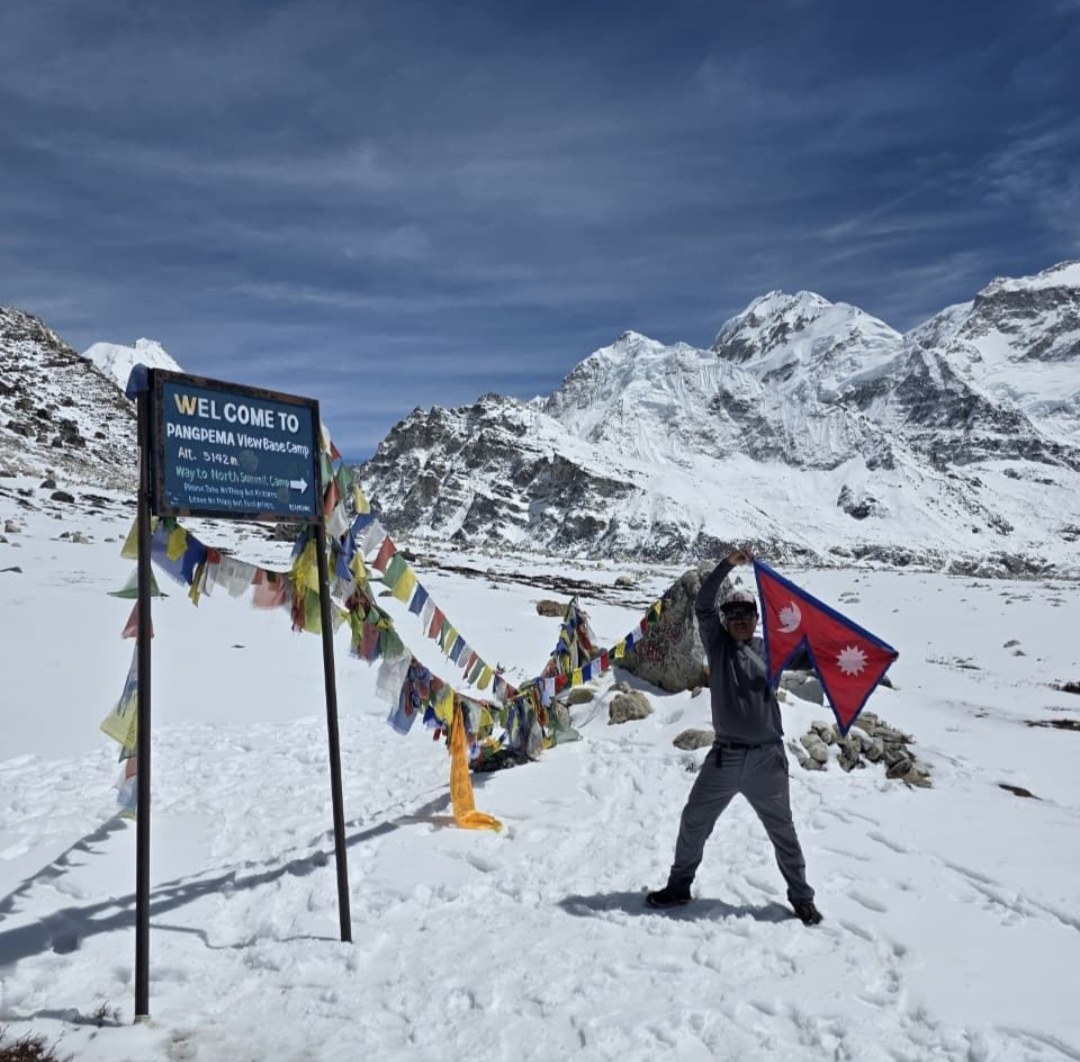
The Kanchenjunga region is in Taplejung District in eastern Nepal. Its trekking routes lead towards the northern and southern base camp areas of Mount Kanchenjunga. The northern route reaches Pangpema, while the southern route follows the Yalung Valley towards Ramche and the Oktang viewpoint. Trekkers with enough time and experience can combine both sides into a longer circuit that crosses high mountain passes.
The trek differs from shorter and more developed teahouse routes because of its remote location, long approach journey and limited services in some settlements. Accommodation is available in teahouses and lodges along established sections, while camping may be needed depending on the route, season and current accommodation availability. The Nepal Tourism Board identifies both teahouse accommodation and camping as options in the Kanchenjunga Conservation Area.
Our current combined North and South Base Camp package is listed as a 22-day trip at US$2,190 per person. Its published itinerary follows the northern route to Pangpema before returning towards Ghunsa and crossing the Sele La area to reach the southern side. The package page contains an inconsistency in its domestic flight details, however, so the actual flight sector and road transfers should be confirmed in writing before booking.
Kanchenjunga Trek Quick Facts
| Trek detail | Information |
|---|---|
| Location | Taplejung District, eastern Nepal |
| Highest mountain | Mount Kanchenjunga, 8,586 m |
| Main trekking areas | North Base Camp and South Base Camp |
| North Base Camp viewpoint | Pangpema, approximately 5,142 m |
| South Base Camp viewpoint | Oktang, approximately 4,730 m |
| Main route options | North Base Camp, South Base Camp and combined circuit |
| circuit duration | 22 days |
| package price | US$2,190 per person |
| Trek difficulty | Strenuous |
| Best seasons | Spring and autumn |
| Accommodation | Teahouses and lodges; camping may be needed on some itineraries |
| Required arrangements | Restricted Area Permit, conservation-area entry and licensed guide through a registered agency |
10 Reasons to Choose the Kanchenjunga Trek
1. See the World’s Third-Highest Mountain
Mount Kanchenjunga rises to 8,586 metres and is the third-highest mountain in the world. Its enormous mountain walls, surrounding glaciers and high ridges dominate the landscape around the trekking region. Unlike viewpoints reached on a short excursion, the approaches towards Pangpema and Oktang take you into the valleys below the massif. From Pangpema, you can look towards the northern side of the mountain, while the southern approach opens towards the Yalung Glacier and surrounding peaks. The views depend on weather and cloud conditions, so clear visibility cannot be guaranteed every day.
2. Visit Two Different Kanchenjunga Base Camp Areas
One of the most distinctive reasons to choose this trek is the opportunity to visit two major viewpoints on opposite sides of the Kanchenjunga massif. The northern route follows the Ghunsa Valley through Kambachen and Lhonak before reaching Pangpema at approximately 5,142 metres. The southern route follows the Yalung Valley towards Tseram and Ramche before continuing to Oktang, where trekkers can look towards the southern face and the Yalung Glacier. Travellers with enough time can combine both approaches into one circuit, although doing so requires additional walking days and high-pass crossings.
3. Walk on a Quieter Himalayan Trail
Kanchenjunga is a suitable choice for trekkers who prefer quieter trails over busy trekking corridors. The region receives fewer visitors than the Everest Base Camp and Annapurna Circuit routes, and some sections pass through settlements where tourism remains a relatively small part of daily life. You are less likely to encounter the same concentration of trekking groups found on Nepal’s most popular routes. The quieter environment also means fewer accommodation choices, limited supplies and longer distances between settlements with basic facilities. The remoteness is a major attraction, but it requires preparation and respect for local communities rather than an expectation of a completely untouched journey.
4. Experience the Culture of Eastern Nepal’s Mountain Communities
The Kanchenjunga region is home to communities with distinct languages, traditions and ways of life. Lower sections of the route pass through villages in eastern Nepal where Limbu and Rai communities have longstanding cultural connections to the land. As the trail climbs towards the upper valleys, trekkers encounter settlements with strong Tibetan Buddhist cultural influences. Ghunsa is one of the important villages on the northern route, with traditional houses, prayer flags and religious features that reflect the culture of the high-altitude communities. It is also an important stopping point before continuing towards Kambachen and Lhonak. Ask permission before photographing residents, homes or religious ceremonies.
5. Explore the Kanchenjunga Conservation Area
The trek passes through the Kanchenjunga Conservation Area, a protected landscape with forests, alpine vegetation, mountain rivers and high-altitude habitats. The changing elevation creates different natural environments, from warmer forested valleys to open mountain terrain. The conservation area provides habitat for wildlife such as snow leopards, Himalayan black bears, musk deer, red pandas and blue sheep, although sightings are rare and should never be expected. It also supports diverse birdlife and plant species, including rhododendrons and orchids. Staying on established trails, keeping a respectful distance from wildlife and carrying rubbish out of the conservation area are important parts of responsible trekking.
6. See the Yalung Glacier and Southern Mountain Landscape
The southern approach to Kanchenjunga offers a different experience from the northern route. From Tseram, the trail continues towards Ramche and the Oktang viewpoint, where trekkers can look towards the Yalung Glacier and the southern mountain faces. The landscape becomes increasingly open and rugged as the route climbs above the forested valleys. Oktang, at approximately 4,730 metres, is the main viewpoint for this section. It is particularly worthwhile for travellers who want to explore the Yalung Valley rather than concentrate only on Pangpema. Visibility depends on cloud cover and weather, so the mountain views may vary during the visit.
7. Cross High Mountain Passes on the Full Circuit
The combined Kanchenjunga circuit links the northern and southern valleys through high mountain terrain around the Sele La area. After visiting Pangpema and returning towards Ghunsa, the route crosses the high passes before descending towards Tseram and the southern approach. These crossings are among the most demanding parts of the trek because the trail reaches exposed terrain where snow, wind and poor visibility can affect progress. Conditions may change between the northern and southern sides, so a crossing that appears suitable in the morning may become difficult later in the day. The route requires careful planning, suitable acclimatization and flexibility if weather or trail conditions make a crossing unsafe.
8. Experience Several Himalayan Landscapes in One Journey
The Kanchenjunga Trek passes through a wide range of environments. Lower sections follow river valleys and forested hills, with cardamom farms, cultivated slopes and suspension bridges over mountain rivers. The route then climbs through bamboo, rhododendron and fir forests before reaching the higher settlements. Beyond Ghunsa, the surroundings change considerably: Kambachen and Lhonak sit in a more open mountain environment, where rocky slopes, glaciers and high peaks dominate the scenery. The southern approach towards Tseram and Ramche adds another landscape, with views towards the Yalung Glacier and the southern mountain face. The combined circuit brings these different environments together in one long journey.
9. Experience a Remote Trek with Basic Mountain Facilities
Kanchenjunga is a good choice for travellers who want a trek that requires careful preparation and adjustment to local conditions. Teahouses and lodges provide accommodation in established settlements, but facilities are generally simpler than those on the main Everest and Annapurna trails. Some sections may require camping arrangements, depending on the itinerary and lodge availability. You should be prepared for basic rooms, limited menu choices, shared facilities and fewer opportunities to buy equipment or personal supplies. Electricity, mobile reception, internet and hot showers may not be consistently available. Carry personal supplies, enough cash and a power bank, and confirm in advance whether your selected itinerary uses teahouses or camping.
10. Choose a Route That Matches Your Time and Experience
The Kanchenjunga region offers different route options, allowing trekkers to decide how much of the area they want to explore. The North Base Camp route focuses on Pangpema and the northern mountain views, while the South Base Camp route follows the Yalung Valley towards Oktang. The combined circuit connects both sides through high mountain passes and offers a more extensive journey. Your choice should depend on available time, previous high-altitude trekking experience, physical condition and the type of landscape you want to see. The full circuit requires more days and includes challenging pass crossings, while a shorter route still involves a remote approach and demanding walking.
Which Kanchenjunga Trek Route Should You Choose?
The best route depends on whether you want to visit one base camp area or explore both sides of the mountain. The northern approach is known for the Pangpema viewpoint and the upper Ghunsa Valley, while the southern approach leads towards the Yalung Glacier and Oktang. Both routes involve remote mountain walking, and neither should be selected only on the basis of the number of days. you can learn our Kanchenjunga trek guide for more info.
The combined circuit is the most extensive option because it links the northern and southern valleys through high passes. It gives trekkers a wider experience of the Kanchenjunga region, but it also requires more time, stronger preparation and flexibility if weather or trail conditions change. Our current combined package is listed as a 22-day trip. The following comparison can help you decide which route is more suitable.
| Route | Main destination | Approximate time | Best suited for |
|---|---|---|---|
| North Base Camp | Pangpema | Around 16–18 days, depending on access and itinerary | Trekkers focused on the northern face and Ghunsa Valley |
| South Base Camp | Ramche and Oktang | Around 16–18 days, depending on access and itinerary | Trekkers interested in the Yalung Glacier and southern mountain landscape |
| North and South Circuit | Pangpema and Oktang | 22 days for the current NHT package; other itineraries may vary | Experienced trekkers with time for both sides and high passes |
North Base Camp Trek
The North Base Camp route follows the Ghunsa Valley towards Kambachen and Lhonak before reaching Pangpema at approximately 5,142 metres. It is the preferred option for trekkers whose main goal is to approach the northern side of Kanchenjunga and see its high glacial landscape. The approach passes through lower settlements and forested sections before reaching Ghunsa, an important village on the route. Beyond Ghunsa, the trail becomes more exposed as it climbs towards Kambachen and Lhonak. When comparing itineraries, check the overnight elevations between these villages, how the route handles acclimatization and whether enough time is allowed for the return journey from the upper valley.
South Base Camp Trek
The South Base Camp route follows the Yalung Valley through settlements and high-altitude areas towards Tseram and Ramche. From Ramche, trekkers continue towards Oktang, a viewpoint at approximately 4,730 metres overlooking the southern side of Kanchenjunga and the Yalung Glacier. This route is worth considering if the southern mountain scenery is your main priority, as it provides a different approach from the upper Ghunsa Valley. When reviewing a southern route plan, check the time allocated for the walk from Ramche to Oktang and the return to the overnight stop. Ask whether the itinerary includes a suitable acclimatization schedule and how the agency will arrange accommodation or camping on the selected dates.
Kanchenjunga Circuit Trek
The full circuit combines the northern and southern approaches, allowing trekkers to visit Pangpema and Oktang on the same journey. The route connects the two valleys through the high passes around Sele La before reaching Tseram and continuing to Ramche and Oktang. The return route descends through areas including Tortong, Yamphudin and Khebang. This is the most extensive option because it includes both base camp areas and high mountain crossings. It is best for trekkers with previous multi-day mountain experience, enough time for acclimatization and the flexibility required for changing conditions.
Our current 22-day Kanchenjunga North and South Base Camp package is listed at US$2,190 per person. The published itinerary follows the northern approach through Ghunsa, Kambachen and Lhonak to Pangpema, returns towards Ghunsa, crosses the Sele La area and continues towards Tseram, Ramche and Oktang. The return route passes through the lower valleys towards Khebang and Bhadrapur. Before choosing the circuit, check which passes are included, the planned overnight stops and the highest sleeping elevations. Ask how the itinerary can change if snow, poor visibility or trail conditions make a crossing unsafe.
Who Should Choose the Kanchenjunga Trek?
The Kanchenjunga Trek is best suited to:
- Experienced trekkers: Those with previous high-altitude trekking experience, especially for the combined circuit.
- Fit and prepared walkers: Travellers comfortable with several consecutive days of sustained walking and high-pass crossings.
- Adventure seekers: Those who enjoy remote mountain environments and quieter trekking routes.
- Travellers comfortable with basic facilities: Those who can manage simple accommodation and fewer services than in Nepal’s more developed trekking regions.
- Flexible travellers: Those with enough time for a long approach journey and a remote trekking experience.
The trek may not be suitable for:
- Travellers with limited time: The long approach journey and trekking duration require a flexible schedule.
- Those expecting luxury: Comfortable accommodation and modern facilities are not available throughout the route.
- Travellers who prefer easy access to services: Shops, restaurants and transport options are limited in remote sections.
- Unprepared first-time trekkers: Beginners should carefully assess their fitness, experience and chosen route with a qualified trekking professional before booking.
Is Kanchenjunga Suitable for Beginners?
Kanchenjunga is generally not the best first high-altitude trek for beginners. The long walking days, remote trail sections, limited facilities and high elevations make it more demanding than many introductory trekking routes in Nepal. A beginner who is physically fit may be able to prepare for a suitable itinerary, but should not underestimate the demands of the route or attempt the full circuit without relevant experience and professional guidance.
Is Previous High-Altitude Trekking Experience Necessary?
Previous experience at altitude helps you understand how your body responds to thinner air, long walking days and changing mountain conditions. Treks such as Everest Base Camp, the Annapurna Circuit or other demanding multi-day routes can provide useful preparation, although completing them does not guarantee that you will have no altitude-related problems on Kanchenjunga. Your guide should plan the ascent according to the route and your condition rather than relying only on your previous trekking record.
How Difficult Is the Kanchenjunga Trek?
The Kanchenjunga Trek is considered strenuous because of its duration, remoteness, elevation gain and limited infrastructure. Some days involve several hours of walking over uneven trails, steep ascents and descents, rocky sections and narrow mountain paths. The full circuit is more demanding because it includes high passes and requires trekkers to move between different valleys while maintaining enough energy for a long journey.
Altitude is another major challenge. Pangpema is around 5,142 metres, and the circuit crosses high mountain passes where weather can change quickly. A suitable acclimatization schedule, steady walking pace, adequate hydration and attention to symptoms are essential. Headache, nausea, dizziness, unusual tiredness and loss of appetite can be signs of altitude illness. Symptoms that worsen or suggest serious altitude sickness require immediate action and descent, not continued ascent. Acclimatization reduces risk but does not eliminate it.
Physical Preparation for the Trek
Prepare with regular hiking, uphill walking, stair climbing and longer walks carrying a loaded daypack. Build your training gradually over several weeks and include strength exercises for your legs and core, as well as cardiovascular activities such as cycling, running or brisk walking. Your training should help you manage consecutive walking days rather than focus only on short, intense workouts.
Altitude and Acclimatization
The itinerary should allow time for your body to adjust as you gain elevation, particularly before walking above 3,000 metres and continuing towards the higher camps. Follow your guide’s advice, avoid rushing to higher sleeping altitudes and report symptoms early. Your guide should know the planned overnight elevations and have a clear response plan if someone develops symptoms. Descending is the most important response when serious symptoms develop.
Permits and Guide Requirements for the Kanchenjunga Trek
During Kanchenjunga Trek Foreign trekkers need a Restricted Area Permit (RAP) for designated sections of the Kanchenjunga region and a separate Kanchenjunga Conservation Area entry permit. The RAP must be arranged through a registered trekking agency, and a licensed guide is required for restricted-area trekking.
The Department of Immigration lists the Taplejung restricted-area fee as US$20 per person per week for the first four weeks and US$25 per person per week thereafter. The conservation-area fee is separate. Nepal Tourism Board pages show conflicting SAARC entry fees (NPR 500 and NPR 200), so confirm the current rate for your nationality before budgeting.
| Permit or requirement | Key information |
|---|---|
| Restricted Area Permit | Required for designated restricted sections |
| Taplejung RAP fee | US$20 per person/week for the first four weeks; US$25 thereafter |
| Conservation Area entry | Separate fee; confirm the current rate |
| Licensed guide | Required for restricted-area trekking |
| Registered agency | Required to arrange the RAP |
Permit fees and rules may change. Ask your trekking agency for a written breakdown of all applicable permit costs before booking.
Can You Trek Kanchenjunga Solo?
Individual foreign travellers can now apply to trek in a restricted area without finding a second trekker to meet the former minimum group requirement. On 22 March 2026, the Department of Immigration revised its restricted-area permit policy to allow individual travellers to obtain permits. However, the change does not allow independent trekking without the required arrangements. Individual trekkers must still apply through a registered trekking agency and be accompanied by a licensed trekking guide. Before booking, confirm that the current provisions apply to your exact Kanchenjunga route and travel dates with the Department of Immigration or your registered agency. Travelling alone as a customer and trekking independently without the required guide are not the same thing.
Why Is a Licensed Guide Important?
A licensed guide helps manage route planning, local arrangements, accommodation, permit checks and communication with communities along the trail. This is particularly important in Kanchenjunga because some sections are remote and have limited facilities. Your guide should also monitor your condition at altitude, explain changes to the itinerary and help the group respond to weather or trail problems. Before departure, ask who will be your guide, whether the guide holds the required licence and what responsibilities are included in the service. Also clarify whether a porter is included, how group equipment is carried and who makes decisions if weather or trail conditions make a planned crossing unsafe.
How to Reach the Kanchenjunga Trek Starting Point
The itinerary describes a flight from Kathmandu to Bhadrapur, followed by road travel through the eastern hills towards Ilam and Taplejung. From Taplejung, local road transport and the selected route determine the final trailhead arrangements. The return journey in the detailed itinerary goes through the lower eastern hills towards Bhadrapur, followed by a flight back to Kathmandu.
The road journey is long, and travel times can vary according to road conditions, weather and traffic. It is sensible to include buffer time in the itinerary rather than planning an immediate international departure after the trek. Before booking, ask your agency to identify the planned flight, road journey, overnight stops, trailhead and return transport. The NHT package inclusion list currently mentions a Kathmandu–Suketar return flight, which conflicts with the Bhadrapur flights in its detailed itinerary; this needs written confirmation.
Travel from Kathmandu to Taplejung
The flight to Bhadrapur shortens the journey to eastern Nepal, but the road transfer towards Taplejung still takes time. NHT's published 22-day itinerary separates the journey into travel towards Ilam and onward travel to Taplejung. This is different from itineraries that attempt to complete the full road journey on the same day. The road passes through the eastern hills and tea-growing areas around Ilam before continuing towards Taplejung. Road conditions and journey times can change, so confirm the overnight arrangements and driving plan with your agency.
Transport to the Trailhead
From Taplejung, local road transport continues towards the selected starting point, which may vary according to the route and road access. The final approach can involve rough roads and slower travel than expected. Confirm the trailhead and transport plan with your guide instead of relying on an old itinerary that may use a different road access point. Your written itinerary should identify the starting village, the vehicle arrangements and the return transport from the finishing point.
Accommodation, Food and Facilities on the Kanchenjunga Trek
Accommodation in the Kanchenjunga region is generally basic. Teahouses and lodges are available in established settlements, but rooms, toilets, dining areas and other facilities may be simpler than those on the Everest and Annapurna routes. On some sections, camping may be necessary depending on the itinerary and lodge availability. Trekkers should be prepared for shared facilities and limited room choices, especially during busy trekking periods.
Meals commonly include local staples and familiar trekking dishes such as dal bhat, noodles, rice, potatoes, soups and tea. Menu variety can become more limited in remote settlements, and food supplies may depend on transport and season. Carry personal snacks and any specific dietary items you need, and tell your agency about dietary requirements before the trek. If you have food allergies, explain them before departure and confirm how they will be managed in remote settlements.
Teahouses and Camping
Teahouses provide a place to sleep and eat in established villages, but the standard is not consistent throughout the region. Some itineraries may require camping where accommodation is unavailable or unsuitable for the planned route. The current NHT package page lists accommodation during the trek, but the exact accommodation arrangements should be checked for each overnight stop. Ask whether any section requires camping and whether tents, kitchen staff and other support arrangements are included if camping is needed.
Mobile Network, Internet and Charging
Mobile coverage and internet access are not dependable throughout the Kanchenjunga route. Some settlements may have limited network reception, while other sections can have no usable signal. Charging facilities may be available in certain teahouses for an additional fee, but you should carry a power bank and avoid relying on regular internet access to manage important travel arrangements. Keep essential documents and emergency contact details available offline.
Best Time to Do the Kanchenjunga Trek
Spring and autumn are the main trekking seasons in the Kanchenjunga region. Spring, from March to May, brings warmer conditions at lower elevations and rhododendron blooms in forested sections. Autumn, from September to November, generally offers clearer mountain views after the monsoon, although weather can still change quickly at high altitude. The Nepal Tourism Board identifies spring and autumn as the main seasons for the Kanchenjunga Conservation Area.
The monsoon months bring heavier rainfall, wet trails, leeches in lower forest sections, possible landslides and road disruption. Winter can bring snow and very cold conditions at higher elevations, making some sections and passes more difficult or unsuitable. The best departure month still depends on the chosen route, current weather, road access and snow conditions around the high passes. To understand more about best time and season read our mountain guide for best season.
Kanchenjunga Trek in Spring
Spring is a good option for trekkers who want to see rhododendron forests and enjoy gradually warming conditions in the lower valleys. Snow may remain around higher elevations and passes, so the actual conditions depend on the timing of the trek. Early-season weather can be less predictable, and the guide should check current trail and snow conditions before crossing high sections.
Kanchenjunga Trek in Autumn
Autumn is popular because the post-monsoon period often brings clearer mountain views and more stable conditions than the rainy season. October and November are common choices, although temperatures become colder as the season progresses. Trekkers should still prepare for strong winds, freezing nights and sudden weather changes at higher elevations.
Practical Tips Before Choosing the Kanchenjunga Trek
Good preparation makes a significant difference on a remote trek. You should understand the route, arrange permits through a registered agency, prepare for basic accommodation and carry suitable clothing and personal supplies. Review the overnight elevations and transport arrangements before departure, and allow enough time for acclimatization and possible delays.
The following points are especially important before setting off:
- Choose your route carefully: Decide whether you want the North Base Camp, South Base Camp or combined circuit.
- Check the overnight elevations: Review the sleeping altitude for each day, not only the maximum height reached during the trek.
- Allow enough time: Include approach travel, acclimatization and contingency days.
- Train before departure: Build endurance through regular hikes and uphill exercise.
- Use suitable footwear: Broken-in trekking boots with good grip are important on uneven trails.
- Pack for changing weather: Carry warm layers, waterproof clothing, gloves and sun protection.
- Carry enough cash: Do not assume you will find ATMs or card payment facilities in remote settlements.
- Bring a power bank: Charging opportunities may be limited or available only for an additional fee.
- Prepare personal medication: Carry essential medication and a basic personal first-aid supply.
- Check your insurance: Confirm that your policy covers trekking to the maximum altitude on your itinerary and emergency helicopter evacuation, subject to policy conditions and local availability.
- Follow altitude guidance: Report symptoms early and never continue ascending when serious symptoms develop.
- Respect local customs: Ask before photographing people, homes or religious sites.
- Reduce plastic waste: Carry reusable water bottles and take non-biodegradable rubbish back out.
- Keep your permits accessible: Carry the required documents and follow the route approved for your permit.
Why Choose Nepal Himalaya Trekking for the Kanchenjunga Trek?
Planning a remote trek involves more than selecting an itinerary. Transport to the trailhead, restricted-area permits, conservation-area entry, guide arrangements, accommodation, food and contingency planning all need to work together. At Nepal Himalaya Trekking, we encourage travellers to discuss these details before choosing a North Base Camp, South Base Camp or full circuit itinerary.
Our current combined North and South Base Camp package is listed as a 22-day trek at US$2,190 per person. The published package includes the necessary Kanchenjunga trekking permits and TIMS documentation, trekking accommodation, three meals a day during the trekking section, a government-registered and first-aid-trained English-speaking local guide, a first-aid kit, staff expenses and other listed services. It also lists three nights of Kathmandu hotel accommodation with breakfast, airport transfers and a farewell cultural dinner. The transport wording requires clarification before the package is confirmed.
What Is Included ?
The current package page lists the following services:
- Airport pickup and drop-off by private vehicle for domestic and international airport transfers.
- Three nights of Kathmandu hotel accommodation with breakfast.
- Necessary Kanchenjunga trekking permits and TIMS documentation.
- Accommodation during the trek.
- Breakfast, lunch and dinner during trekking days.
- Fresh fruit during the trek when available.
- Complimentary duffel bag and agency T-shirt.
- A government-registered, first-aid-trained, English-speaking local guide.
- First-aid kit.
- Return flight between Kathmandu and Suketar, as stated in the package inclusion list.
- Staff insurance, meals, accommodation, equipment and transportation.
- Rescue arrangements if necessary.
- Agency service charge and government tax/VAT.
- Certificate of achievement.
- Farewell cultural dinner.
What Is Not Included?
The package page lists the following exclusions:
- International airfare and Nepal visa fee.
- Lunch and dinner in Kathmandu.
- Personal insurance and personal expenses.
- Loss of personal property or theft.
- Sightseeing entrance fees.
- Beverages, snacks and additional personal expenses such as laundry, hot showers, battery charging and Wi-Fi.
Personal expenses can vary along the route, so budget separately for items that are not included in the confirmed quotation. Confirm whether porter service is included in your specific booking rather than assuming it is part of the package.
What to Confirm Before Booking Your Kanchenjunga Trek
Before paying a deposit, ask us to explain the following details in your proposed itinerary and quotation:
- Daily itinerary: Walking hours, distance where available, overnight villages and sleeping elevations.
- Route selection: Whether the itinerary visits Pangpema, Oktang or both, and which high passes are included.
- Acclimatization: Where rest or acclimatization days are planned and how the ascent is managed.
- Permits: Which permits are required, their current fees and whether they are included in the quotation.
- Accommodation: Which nights use teahouses or lodges and whether any sections require camping.
- Meals and drinking water: Which meals are included and how food and safe drinking water are arranged.
- Transport: Whether the itinerary uses Bhadrapur or Suketar flights, the road transfers, local vehicles and any overnight travel stops.
- Trekking staff: Guide and porter arrangements, group size and what each staff member is responsible for.
- Insurance and emergencies: The insurance coverage you need and the emergency procedures and costs covered by the package.
- Changes and delays: How the itinerary may be adjusted if weather, road access, illness or trail conditions affect the plan.
We recommend requesting a written breakdown of inclusions and exclusions so you can compare trekking packages accurately. Do not assume that permits, domestic flights, personal expenses, insurance, extra accommodation or emergency evacuation are included unless the quotation specifically says so. To discuss your plans, visit our Nepal Himalaya Trekking homepage, review our 22-day Kanchenjunga Trek package or contact our team through our Contact Us page.
Frequently Asked Questions About the Kanchenjunga Trek
1. How many days are needed for the Kanchenjunga Trek?
A combined North and South Base Camp circuit commonly takes around 20–24 days, depending on the itinerary and transport arrangements. Nepal Himalaya Trekking currently lists its combined package as a 22-day trek. A single-side route can take less time.
2. How difficult is the Kanchenjunga Trek?
The trek is strenuous because of its long duration, remote location, high elevation and basic facilities. The combined circuit is particularly demanding because it includes high-pass crossings. Previous multi-day and high-altitude trekking experience is strongly recommended.
3. What is the highest point of the Kanchenjunga Trek?
Pangpema, the northern base camp viewpoint, is approximately 5,142 metres above sea level. The full circuit also crosses high mountain passes, and the exact highest point depends on the route.
4. Do I need a guide and permits for the Kanchenjunga Trek?
Yes. Foreign trekkers need the relevant Restricted Area Permit for designated sections and separate entry permission for the Kanchenjunga Conservation Area. A licensed guide and a registered trekking agency are required for restricted-area trekking. Confirm current fees and requirements before departure.
5. Are teahouses available on the Kanchenjunga Trek?
Basic teahouses and lodges are available in established settlements, but accommodation is less consistent than on the Everest and Annapurna routes. Some sections may require camping, depending on the route and lodge availability. Confirm the overnight arrangements with your agency.
6. How do I reach the Kanchenjunga Trek starting point?
The current NHT 22-day itinerary describes a flight from Kathmandu to Bhadrapur, followed by road travel through Ilam to Taplejung. However, its package inclusion list separately mentions a Kathmandu–Suketar return flight. Confirm the actual flight sectors and road transfers in writing before booking.
7. How much does the Kanchenjunga Trek cost?
Nepal Himalaya Trekking currently lists its 22-day combined North and South Base Camp package at US$2,190 per person. The published inclusions cover trekking permits, accommodation during the trek, three meals daily, a local English-speaking guide, staff expenses and three nights of Kathmandu hotel accommodation with breakfast. Confirm the transport arrangements, group size, porter service and final inclusions in your written quotation before booking.
Plan Your Kanchenjunga Trek for 2026/2027
The Kanchenjunga Trek is a demanding journey, but it offers a different experience from Nepal’s more established trekking regions. Its two base camp areas, high mountain passes, remote settlements and changing landscapes make it an appealing choice for trekkers who have enough time and preparation for a longer Himalayan adventure.
Whether you want to reach Pangpema, explore the Yalung Valley or complete the full circuit, choosing the right route and allowing enough time for acclimatization are essential. Our current combined North and South Base Camp package is listed as a 22-day trek at US$2,190 per person. Contact us to discuss your preferred route, travel dates, transport arrangements and trekking requirements for 2026/2027.








Add Your Comment