

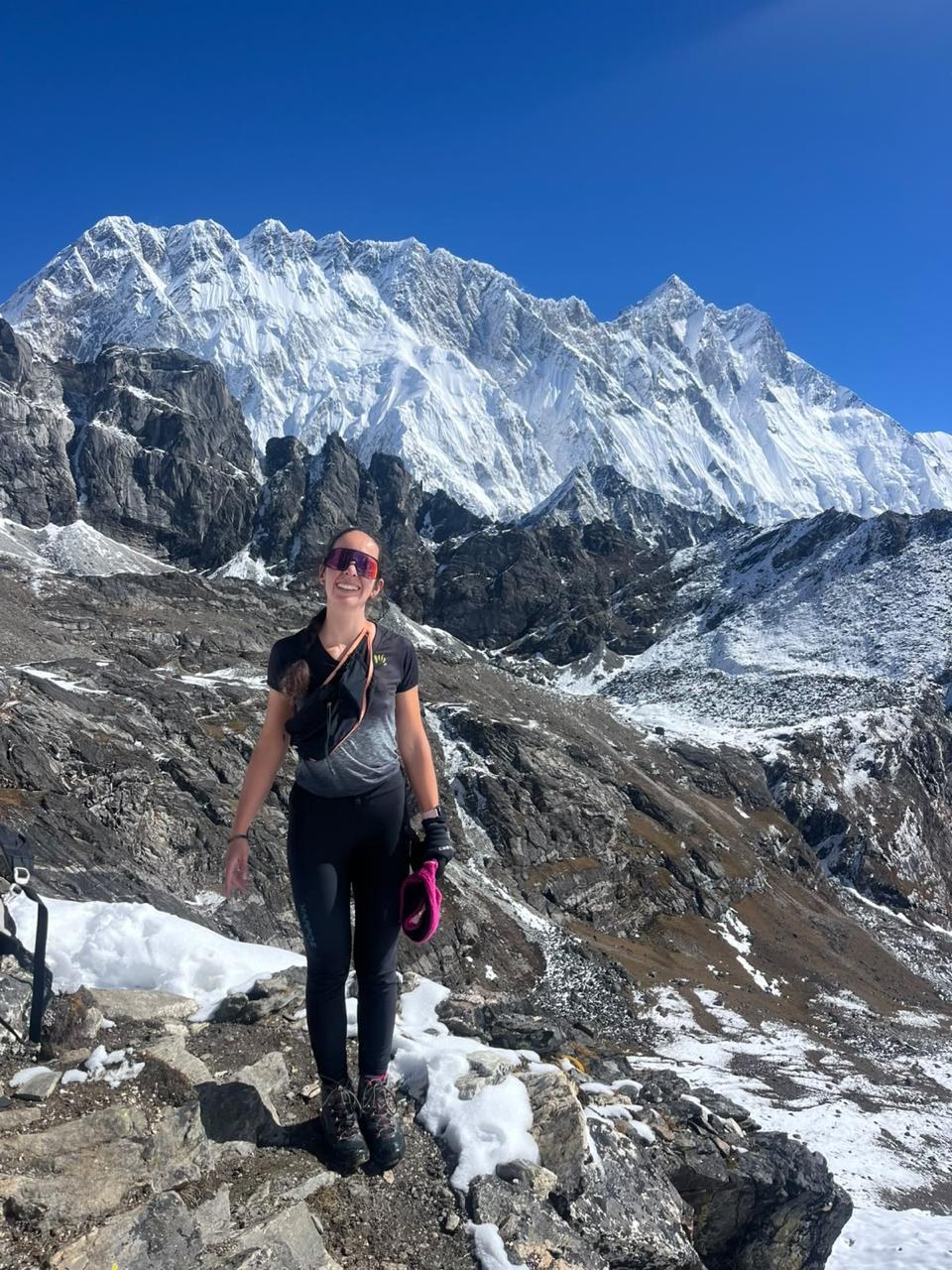
The Everest Base Camp Trek is one of Nepal’s most popular Himalayan adventures, but it is not the only way to explore the Everest region. Some trekkers want to avoid flying to Lukla, while others prefer to visit Gokyo Lakes, cross high mountain passes, or take a longer approach through traditional mountain settlements before joining the classic Everest trail.
Choosing the right alternative depends on how much time you have, your trekking experience, your preferred scenery, and whether reaching Everest Base Camp is essential to your trip. The Salleri and Surke approach and the longer Jiri approach offer alternatives to starting with a flight to Lukla. The Gokyo Lakes Trek focuses on turquoise glacial lakes and panoramic mountain views, while the Gokyo and Cho La Pass route combines Gokyo with Everest Base Camp. The Everest Three Passes Trek is a more demanding circuit for trekkers seeking a broader high-altitude adventure.
In this guide, we compare five Everest Base Camp Trek alternative routes by duration, route, highlights, difficulty, and the type of trekker each option suits. We also explain the practical differences that can help you choose the right route for your next Himalayan trek with Nepal Himalayas Trekking.
Everest Base Camp Alternative Routes at a Glance
| Trek route | Duration | Main highlight | Best suited for |
|---|---|---|---|
| Salleri and Surke to Everest Base Camp | 15 days | Road approach and trekking into the Everest region | Trekkers seeking an alternative to flying to Lukla |
| Jiri to Everest Base Camp | 22 days | Longer approach through lower-altitude villages before joining the main trail | Trekkers with more time who enjoy a longer journey on foot |
| Everest Base Camp, Gokyo Lakes and Cho La Pass | 17 days | Gokyo Lakes, Gokyo Ri, Cho La Pass and Everest Base Camp | Trekkers wanting both Gokyo and EBC |
| Everest Three Passes Trek | 22 days | Kongma La, Cho La and Renjo La passes | Experienced trekkers seeking a demanding circuit |
| Gokyo Lakes Trek | 15 days | Gokyo Lakes and Gokyo Ri | Trekkers who prefer the Gokyo Valley without continuing to EBC |
Durations refer to the itineraries described for each option. The route, pace, acclimatization schedule, and transport arrangements should be considered together when comparing treks.
1. Salleri and Surke Route to Everest Base Camp
The Salleri and Surke approach offers an alternative to beginning the Everest Base Camp Trek with a flight to Lukla. Instead, the journey starts with road travel from Kathmandu toward Salleri, followed by trekking through the lower part of the Everest region until the route joins the main trail near Surke and the settlements around Chheplung.
This option can appeal to trekkers who prefer a road approach and want to experience more of the journey before reaching the familiar Everest trail. However, avoiding the flight does not make the journey entirely easier: road travel can be long, and the approach adds travel and walking time before the classic route toward Namche Bazaar.
Route
Kathmandu → Salleri → Surke → Phakding → Namche Bazaar → Tengboche → Dingboche → Lobuche → Gorak Shep → Everest Base Camp → Gorak Shep → Kala Patthar → Pheriche → Namche Bazaar → Surke → Salleri → Kathmandu.
Highlights
- Alternative to the Lukla flight: Start with road travel rather than relying on a flight to Lukla at the beginning of the trek.
- A longer approach into the Everest region: Walk through the lower part of the region before joining the main trekking route.
- Classic Everest landmarks: Continue through Namche Bazaar, Tengboche, Dingboche, Lobuche, and Gorak Shep to reach Everest Base Camp.
- Views from Kala Patthar: Reach approximately 5,545 m for a celebrated panorama of Everest and surrounding peaks.
- A combined road-and-trekking journey: Experience a different approach to the Everest region while retaining the main EBC highlights.
Who Should Choose the Salleri and Surke Route?
- Choose this route if avoiding a Lukla flight is your main priority. You approach the Everest region by road and continue on foot, so it suits trekkers who prefer not to depend on a flight at the start of their journey.
- Choose it if you want the classic EBC highlights without taking the much longer Jiri approach. You still trek to Everest Base Camp and Kala Patthar, but the journey begins through Salleri and Surke.
- Allow for both road travel and trekking. This route is worth considering if you have time for the approach and accept that avoiding a flight does not necessarily mean a shorter or easier journey.
- Think carefully if you are sensitive to long road journeys. If you would rather spend more of your available days walking on established trekking trails and less time travelling by road, compare the overall transport arrangements before deciding.
Read more: Everest Base Camp Trek Without Lukla Flight
2. Jiri to Everest Base Camp Trek
The Jiri route follows a longer traditional approach toward Everest Base Camp. Rather than beginning with a flight to Lukla or taking the shorter road approach through Salleri, trekkers travel from Kathmandu to Jiri and walk through a succession of lower-altitude settlements before joining the main Everest trekking route.
The additional walking makes this a different experience from the standard Lukla itinerary. You spend more time on the approach, passing through varied landscapes and villages before reaching the higher-altitude Sherpa settlements and the familiar trail toward Everest Base Camp. The longer duration is important to consider when planning annual leave, accommodation, and overall trekking costs.
Route
Kathmandu → Jiri → Shivalaya → Bhandar/Kingja → Junbesi → Nunthala → Bupsa → Surke/Chheplung → Phakding → Namche Bazaar → Tengboche → Dingboche → Lobuche → Gorak Shep → Everest Base Camp → Kala Patthar → Pheriche → Khumjung → Phakding → Lukla → Kathmandu.
Highlights
- A longer journey on foot: The approach adds trekking days before joining the main Everest route.
- Lower-altitude landscapes and villages: Experience a broader range of settlements and terrain before the high-altitude section.
- A gradual transition toward the high Himalayas: The journey progresses from lower elevations toward Namche Bazaar and the upper Everest region.
- The classic EBC experience: The route continues to Everest Base Camp and Kala Patthar.
- A traditional approach: Jiri is associated with earlier trekking approaches to the Everest region before Lukla flights became the common starting point.
Who Should Choose the Jiri Route?
- Choose Jiri if the approach is part of the experience you want. Instead of treating the lower villages as travel time before the main trek, this route gives you more days walking through settlements and changing landscapes.
- Choose it if you have enough time for a longer itinerary. Compared with the Salleri and Surke approach, Jiri involves a more extensive trekking approach, so it is better suited to travellers who can set aside more days.
- Consider it if you want a journey that develops gradually from lower elevations toward the high Himalayas. The route offers a different progression from beginning the trek with a Lukla flight.
- Look elsewhere if reaching EBC efficiently is your main goal. The additional approach is a key part of the Jiri experience, but it may not suit travellers with limited leave or those who primarily want to focus on the high-altitude section.
Read more: Jiri to Everest Base Camp Trekking
3. Everest Base Camp Trek with Gokyo Lakes and Cho La Pass
The Everest Base Camp Trek with Gokyo Lakes and Cho La Pass combines two major highlights of the Everest region: the Gokyo Valley and Everest Base Camp. Instead of following only the standard EBC route, trekkers head toward Gokyo Lakes and Gokyo Ri before crossing Cho La Pass to connect with the trail toward Lobuche, Gorak Shep, and Everest Base Camp.
This route offers more variety in scenery, from the turquoise glacial lakes of Gokyo to the dramatic high-altitude landscapes near Cho La and the Khumbu Glacier. Crossing the pass makes the itinerary more demanding than a straightforward EBC trek, so trekkers should be prepared for steep, rocky terrain, changing weather, and the physical challenge of trekking at high altitude.
Route
Kathmandu → Lukla → Phakding → Namche Bazaar → Dole → Machhermo → Gokyo Lakes → Gokyo Ri → Thagnag → Cho La Pass → Dzongla → Lobuche → Gorak Shep → Everest Base Camp → Gorak Shep → Kala Patthar → Pheriche → Namche Bazaar → Lukla → Kathmandu.
Highlights
- Gokyo Lakes: Visit the striking glacial lakes surrounded by high Himalayan peaks.
- Gokyo Ri: Climb to approximately 5,357 m for expansive views across the Everest region.
- Cho La Pass: Cross a high mountain pass at approximately 5,420 m to connect the Gokyo Valley with the EBC route.
- Everest Base Camp: Continue to the base camp at 5,364 m.
- Kala Patthar: Add another major viewpoint at approximately 5,545 m.
- Two different sides of the region: Experience the Gokyo Valley as well as the classic Everest Base Camp trail in one itinerary.
Who Should Choose the Gokyo Lakes and Cho La Pass Route?
- Choose this route if you do not want to choose between Gokyo Lakes and Everest Base Camp. It combines both destinations in one trek, unlike the standalone Gokyo itinerary.
- Choose it for variety in landscapes and trekking objectives. The journey includes the lakes and Gokyo Ri, a high-pass crossing, and the classic EBC and Kala Patthar section.
- Consider your comfort with high-altitude terrain. Cho La adds a demanding crossing to the itinerary, so this route is better suited to trekkers who are prepared for steep, rocky sections and changing mountain conditions.
- Do not choose it simply because it includes more highlights. If your priority is a less demanding trek, a route without Cho La may be a better fit. The extra destination comes with an additional physical challenge.
Read more: Everest Base Camp Trek and Gokyo Valley Trek
4. Everest Three Passes Trek
The Everest Three Passes Trek is a demanding circuit through the Everest region that crosses Kongma La, Cho La, and Renjo La. It includes Everest Base Camp and Kala Patthar, along with the Gokyo Valley, making it a broader journey than the standard out-and-back EBC route.
The challenge comes from the combination of high elevations, long trekking days, and multiple pass crossings. Kongma La reaches approximately 5,535 m, Cho La approximately 5,420 m, and Renjo La approximately 5,360 m. These crossings require careful pacing and suitable acclimatization. The trek is best considered by people who are comfortable with sustained trekking and understand that conditions at high altitude can change quickly.
Route
Kathmandu → Lukla → Namche Bazaar → Tengboche → Dingboche → Chhukung → Kongma La Pass → Lobuche → Everest Base Camp → Kala Patthar → Dzongla → Cho La Pass → Thagnag → Gokyo → Renjo La Pass → Lungden → Thame → Namche Bazaar → Lukla → Kathmandu.
Highlights
- Three high mountain passes: Cross Kongma La, Cho La, and Renjo La as part of one circuit.
- Everest Base Camp and Kala Patthar: Include the region's best-known trekking destination and a major Himalayan viewpoint.
- Gokyo Valley: Visit Gokyo as part of the wider circuit.
- A varied route: Travel through different valleys and mountain landscapes rather than simply retracing the same trail.
- A demanding high-altitude experience: Take on a route that requires strong preparation, appropriate acclimatization, and flexibility for mountain conditions.
Who Should Choose the Everest Three Passes Trek?
- Choose this route if the high passes are a major reason you want to trek in the Everest region. Unlike a standard EBC itinerary, the Three Passes Trek makes Kongma La, Cho La, and Renjo La central parts of the journey.
- Choose it if you have experience with demanding multi-day treks. Long days, steep ascents and descents, and repeated high-altitude crossings make this a more substantial undertaking than simply adding a viewpoint to the standard route.
- Consider it if you want a circuit rather than an out-and-back trek. The route links Everest Base Camp, the Gokyo Valley, and the valleys beyond Renjo La in one broader journey.
- Prioritize preparation over the number of places you can visit. If you have limited high-altitude experience or prefer a less strenuous trip, the standard EBC or standalone Gokyo route may be a more suitable choice.
Read more: Everest Three Pass Trek
5. Gokyo Lakes Trek
The Gokyo Lakes Trek is an alternative for trekkers who want to explore the Everest region without making Everest Base Camp the main destination. The route follows the trail through Phakding and Namche Bazaar before heading toward Dole, Machhermo, and the Gokyo Valley. From Gokyo, trekkers can visit the lakes and climb Gokyo Ri for wide-ranging views of the surrounding Himalayan peaks.
Unlike the Gokyo and Cho La Pass itinerary, the standalone Gokyo Lakes Trek does not continue to Everest Base Camp. Its focus is the Gokyo Valley, the glacial lakes, and the surrounding mountain scenery. This makes it a strong option for people whose main interest is the lake landscape and high viewpoints rather than visiting EBC itself.
Route
Kathmandu → Lukla → Phakding → Namche Bazaar → Dole → Machhermo → Gokyo Lakes → Gokyo Ri → Gokyo Lakes → Dole → Namche Bazaar → Phakding → Lukla → Kathmandu.
Highlights
- The Gokyo Lakes: Explore a series of high-altitude glacial lakes known for their distinctive blue and turquoise colors.
- Gokyo Ri: Climb to approximately 5,357 m for panoramic mountain views.
- A focus on the Gokyo Valley: Spend the main part of the trek exploring the lakes and nearby viewpoints.
- A different Everest-region experience: Discover landscapes beyond the standard route toward Everest Base Camp.
- A dedicated Gokyo itinerary: Focus on the valley without adding the Cho La crossing and EBC section.
Who Should Choose the Gokyo Lakes Trek?
- Choose this route if the Gokyo Valley is your main destination. It focuses your trek on the lakes and Gokyo Ri instead of extending the journey to Everest Base Camp.
- Choose it if you want a lake-and-viewpoint-focused itinerary. Gokyo offers a different emphasis from a trek centred on reaching EBC, making it worth considering if the glacial lakes are what interest you most.
- Consider it if you want to explore Gokyo without taking on the full Three Passes circuit. The standalone itinerary does not include the circuit's three high passes.
- Be clear about your main objective before booking. If reaching Everest Base Camp is important to you, select the Gokyo and Cho La Pass itinerary instead, because the standalone Gokyo route does not include EBC.
Read more: Gokyo Trek
How to Choose the Right Everest Trek Alternative
If you want to avoid flying to Lukla at the start
Compare the Salleri and Surke approach with the Jiri route. Both begin overland, but they involve different levels of time commitment. The 15-day Salleri and Surke option is worth considering if you want an alternative approach to Everest Base Camp without starting with the Lukla flight. The 22-day Jiri itinerary, excluding Kathmandu sightseeing, suits trekkers who want the extended walk through the lower hills to be a major part of the journey. In either case, factor road travel and possible delays into your plans.
If you want both Everest Base Camp and Gokyo Lakes
The 17-day Gokyo Lakes and Cho La Pass trek is the most direct match for this goal. It combines the lakes and Gokyo Ri with Everest Base Camp and Kala Patthar, but connecting these areas involves crossing Cho La Pass. Choose this itinerary if you want both destinations and are prepared for a more demanding route than the standard EBC trek.
If you want a demanding high-altitude circuit
The Three Passes Trek is designed for people who want the crossings to be central to their experience. Kongma La, Cho La, and Renjo La connect different parts of the Everest region and create a more sustained physical challenge. Previous mountain trekking experience, comfort with long walking days, and careful acclimatization planning are important considerations. If your main goal is to see EBC and Gokyo rather than cross three passes, the combined Gokyo and Cho La itinerary may be more appropriate.
If Gokyo Valley is your main priority
Choose the standalone Gokyo Lakes Trek if you want to spend your trekking time around the lakes and Gokyo Ri without continuing to Everest Base Camp. It is the more direct option for a Gokyo-focused journey. If you would regret missing EBC, compare the combined itinerary before booking rather than assuming the standalone Gokyo route includes both destinations.
If you have limited time
Start by deciding which destination or experience matters most, then compare the complete itineraries. Two 15-day treks can deliver very different experiences: the Salleri and Surke route focuses on an overland approach to Everest Base Camp, while the standalone Gokyo trek focuses on Gokyo Valley. A longer itinerary may add approach walking or high-pass crossings rather than simply providing extra sightseeing time. Choose based on the route, terrain, and trekking demands, not the number of days alone.
Important Things to Consider Before Booking
Altitude and acclimatization
All five routes reach high elevations, and the Everest Base Camp itineraries include destinations above 5,000 m. The Cho La and Three Passes routes add high-altitude crossings that require careful planning. Review the daily elevation profile, sleeping elevations, and acclimatization schedule before booking. A longer itinerary does not automatically guarantee safe acclimatization, and good fitness does not prevent altitude illness. If symptoms develop or worsen, do not continue ascending; serious symptoms require prompt descent and medical assessment.
Fitness and trekking experience
The physical demands differ between routes. Jiri requires more total trekking days, while Cho La and the Three Passes introduce challenging high-altitude terrain. Consider how comfortably you manage consecutive walking days, long ascents and descents, and recovery at altitude. For high-pass itineraries, previous experience on demanding mountain trails can help you judge whether the route suits you, but current conditions and the guidance of your trekking team also matter.
Season and trail conditions
Weather and trail conditions can change the difficulty of the Everest region, especially on high passes. Snow, ice, wind, and poor visibility may affect a planned crossing, and conditions vary between seasons and years. Discuss your intended travel dates and the current situation with your trekking agency before departure. For itineraries that depend on high passes, understand what alternatives or schedule changes may be considered if a crossing is unsafe.
Transport and the approach to the trail
The Salleri and Jiri routes involve road travel before or during the approach, while the other routes listed here begin with travel to Lukla. Road conditions and weather can affect journey times, so leave room for uncertainty when arranging onward travel. If avoiding the initial Lukla flight is your main reason for choosing an overland route, compare the full transport plan and walking schedule rather than considering only the departure point.
Permits, inclusions, and additional costs
Compare the current package details for permits, accommodation, meals, transport, guide and porter services, and personal expenses. Do not assume that similar trek durations mean identical inclusions. Before booking, ask what is covered by the quoted price and which expenses remain your responsibility. For routes involving high passes, clarify how the itinerary may change if weather or trail conditions prevent a planned crossing.
How to Book Your Everest Trek with Nepal Himalayas Trekking
Step 1: Choose Your Route
Decide whether you want an overland approach, a trek to Everest Base Camp, a combination with Gokyo Lakes, or a circuit across the high passes. Your available time and trekking experience will help narrow the options.
Step 2: Review the Itinerary
Check the route, total duration, acclimatization arrangements, and starting and ending points. For Jiri, use the 22-day version that excludes Kathmandu sightseeing if that is the itinerary you want.
Step 3: Confirm Package Details
Request the current price and a clear breakdown of inclusions and exclusions. Confirm permit arrangements, accommodation, meals, guide and porter services, and transport rather than assuming that these are the same across all routes.
Step 4: Discuss Your Travel Dates
Share your intended travel dates, trekking experience, and concerns about altitude or difficulty. This helps you choose an itinerary that fits your schedule and preparation.
Step 5: Contact the NHT Team
Once you have chosen a route, contact Nepal Himalayas Trekking to discuss the itinerary and current arrangements for your trip.
Frequently Asked Questions
Which Everest Base Camp alternative is best for avoiding a Lukla flight?
The Salleri and Surke approach offers a road-based alternative to starting with a Lukla flight. The Jiri route is another option for trekkers who want a longer approach on foot.
Can I visit Gokyo Lakes and Everest Base Camp on the same trek?
Yes. The Gokyo Lakes and Cho La Pass itinerary combines Gokyo with Everest Base Camp. The standalone Gokyo Lakes Trek focuses on the Gokyo Valley and does not continue to EBC.
Is the Everest Three Passes Trek harder than the standard EBC trek?
Generally, yes. Crossing Kongma La, Cho La, and Renjo La adds several high-altitude challenges beyond a standard EBC itinerary.
Do I need previous trekking experience for these alternative routes?
The routes differ in duration and difficulty. The Three Passes and Gokyo with Cho La Pass itineraries involve demanding high-altitude crossings, while the Salleri and Surke, Jiri, and standalone Gokyo routes have different demands. Choose according to your fitness, preparation, and experience, and discuss the itinerary with your trekking organizer.
Plan Your Everest Region Trek with Nepal Himalayas Trekking
The best Everest Base Camp alternative depends on the journey you want, not simply the number of destinations on the itinerary. Some trekkers prefer a road approach through Salleri or a longer walk from Jiri. Others want the glacial lakes of Gokyo, a high-pass connection to Everest Base Camp, or the challenge of crossing all three major passes.
At Nepal Himalayas Trekking, we can help you compare the available itineraries and choose a route that matches your time, trekking experience, and goals. Explore the linked trek packages above, or contact our team to discuss your preferred route and plan your Everest-region adventure.








Add Your Comment