

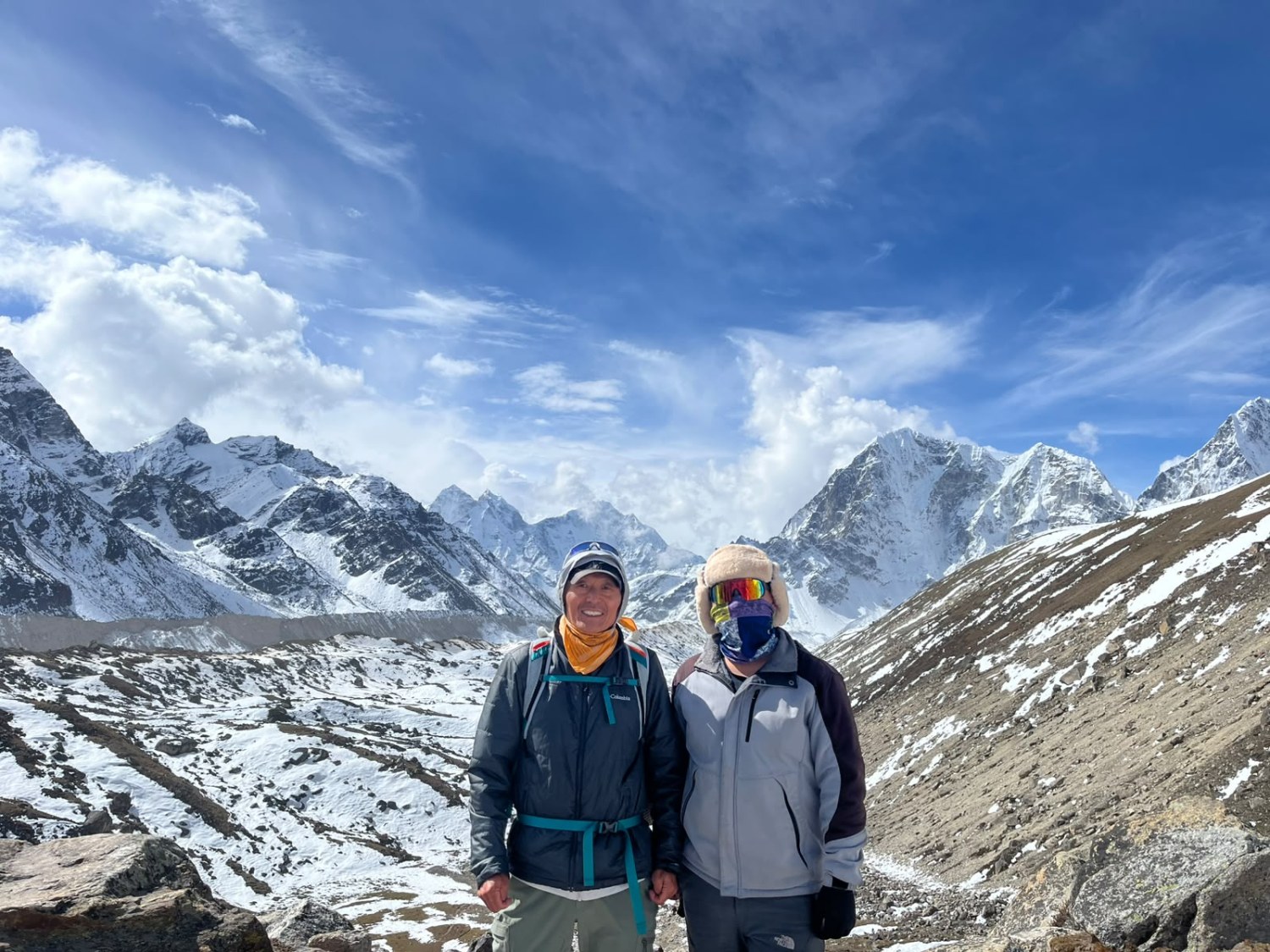
The Everest Base Camp Trek in autumn is one of the most popular ways to explore the Khumbu region, particularly from September through November. After the monsoon season, the weather generally becomes drier, mountain visibility improves, and the classic Everest Base Camp trail becomes busy with trekkers from around the world. September, October and November are the main autumn trekking months, while December marks the transition into early winter.
These four months do not offer exactly the same trekking experience. September in the Everest Base Camp Trek is a transition from monsoon to autumn, October is the busiest and most established part of the season, November brings colder temperatures and quieter trails, and December introduces early-winter conditions. Understanding these differences can help you choose the month that best matches your priorities, whether you value clear mountain views, fewer crowds, warmer daytime conditions, or a quieter trail.
In this guide, you will learn what the Everest Base Camp Trek is like in September, October, November and December, including the weather, trail conditions, crowds, accommodation, festivals, packing requirements, altitude and acclimatization, Lukla flights, safety considerations, permits, costs and the 14-day trekking itinerary. We also explain which month is best for different types of trekkers so you can choose the season that fits your travel plans and trekking preferences.
Why Trek to Everest Base Camp in Autumn?
Autumn is popular for the Everest Base Camp Trek because it combines generally favorable trekking conditions with good mountain visibility, active mountain villages, and established services along the route. The experience changes as the season progresses, but September through November in particular offers a strong balance between weather, scenery, and trekking infrastructure.
- Clear mountain views: After the monsoon, skies generally become clearer, creating good opportunities to see Everest, Lhotse, Ama Dablam and other Himalayan peaks.
- Drier trekking trails: The main monsoon period has passed, so trails are generally drier and more comfortable for long days of walking.
- Favorable trekking conditions: September through November generally offers comfortable daytime temperatures and more settled conditions, although temperatures become colder as winter approaches.
- Fewer weather-related disruptions: More stable autumn conditions generally provide better trekking and flight conditions than the monsoon season, although mountain weather can still change quickly.
- Lively trail atmosphere: Autumn is the busiest trekking season, so tea houses, villages and the main trail have an active atmosphere with trekkers, guides, porters and local communities.
- Cultural and festival experiences: Autumn can overlap with important Nepalese and Sherpa celebrations, including Dashain, Tihar and Mani Rimdu, depending on the annual calendar.
- Different experiences each month: September offers improving weather and fewer crowds, October brings the most stable and popular conditions, November is clearer and quieter but colder, while December introduces early-winter conditions.
Everest Base Camp Trek in September
September marks the transition from the monsoon season into the main autumn trekking season. Conditions can still vary during the first part of the month, with occasional rain, cloud cover and wet sections on the lower trail. The weather generally becomes more favorable toward the middle and latter part of September, with improving mountain visibility and fewer trekkers than October.
At higher elevations, temperatures are cooler, particularly in the mornings and at night, so warm layers remain important. September can be a good choice if you want to experience the Everest Base Camp route before the peak autumn crowds arrive, but an early September departure should allow some flexibility for changing weather and possible Lukla flight delays.
Is September a Good Time for Everest Base Camp?
September can be a good time for the Everest Base Camp Trek, especially from the middle of the month onward. It offers a useful balance between improving autumn weather, better mountain views and fewer crowds compared with October. However, trekkers should remain prepared for occasional rain or cloud, particularly during the first part of September.
Everest Base Camp Trek in October
October is generally the most popular month for the Everest Base Camp Trek and represents the classic peak autumn period. The weather is usually more settled after the monsoon, with clearer skies, drier trails and excellent mountain visibility. Daytime conditions are generally comfortable for trekking, although mornings and evenings become colder as you gain altitude.
The main drawback is the number of people on the trail. Tea houses, popular viewpoints and Lukla flights are in high demand, particularly during favorable weather periods. If your priority is the strongest combination of generally stable weather, clear Himalayan views and established trekking conditions, October is usually the best all-round choice.
Is October a Good Time for Everest Base Camp?
October is an excellent time for the Everest Base Camp Trek if you do not mind crowds. The generally stable weather and clear mountain views make it particularly attractive for first-time trekkers. Because it is peak season, however, booking your trek, flights and accommodation in advance is advisable.
Everest Base Camp Trek in November
November brings colder conditions but often continues to offer dry weather and excellent mountain visibility. The first half of the month can still be relatively busy, while the number of trekkers generally decreases toward the end of November.
Lower villages such as Namche can feel comfortable in the afternoon sunshine, but temperatures drop significantly after sunset, especially around Dingboche, Lobuche and Gorak Shep. Proper warm layers become increasingly important, particularly for early-morning walks to Kala Patthar. The quieter trails can make November feel more relaxed than October without giving up the generally clear conditions associated with the autumn season.
Is November a Good Time for Everest Base Camp?
November is a strong choice if you want clear mountain views without the busiest October conditions. The main trade-off is colder weather, particularly at higher elevations and during the night. With suitable cold-weather clothing and preparation, November can provide an excellent Everest Base Camp experience.
Everest Base Camp Trek in December
December marks the beginning of winter in the Everest region, so conditions are considerably colder than during the main autumn months. The trail is much quieter, which means fewer people around tea houses and viewpoints, but temperatures can become very low at higher elevations.
Areas around Lobuche, Gorak Shep and Everest Base Camp can be particularly cold before sunrise and after sunset. Snow or icy sections also become more possible as winter progresses, while shorter daylight hours require careful planning for early starts and longer trekking days.
Is December a Good Time for Everest Base Camp?
December can be a good choice for experienced or well-prepared trekkers who prefer quieter trails and are comfortable with winter conditions. It is not the same experience as October or November, and appropriate cold-weather gear and some flexibility for changing conditions are important. If your priority is solitude rather than warmer autumn temperatures, December can offer a peaceful experience in the Khumbu.
Everest Base Camp Weather from September to December
Weather on the Everest Base Camp Trek changes gradually from September through December. September can still have some leftover monsoon influence, especially early in the month, but conditions usually become more stable toward the end. October is generally the most reliable period, with clearer skies, good mountain visibility, and comfortable daytime temperatures. November feels noticeably colder, particularly in the mornings and evenings, while December brings early-winter conditions with colder nights and a greater chance of snow at higher elevations.
You will also notice a big difference as you gain altitude. Lower areas around Lukla, Phakding, and Namche can feel relatively comfortable during sunny afternoons, while places such as Dingboche, Lobuche, and Gorak Shep are much colder, especially after sunset. Even on a sunny day, wind can make exposed sections feel much colder than expected. These are typical seasonal patterns rather than fixed conditions, so carrying proper layers, warm clothing, and weather protection is important throughout the trek.
Crowds on the Everest Base Camp Trek in Autumn
Autumn is the busiest trekking season on the Everest Base Camp route, and you can feel the difference once you reach the main trail. October is usually the busiest month. The trail between Namche, Tengboche, Dingboche, Lobuche and Gorak Shep can feel lively, with groups starting around similar times and meeting repeatedly at tea houses and rest stops.
In Namche and other popular villages, dining rooms can be full in the evening and accommodation is in high demand. Around Everest Base Camp and Kala Patthar, several groups may also arrive around the same time, particularly during favorable weather windows.
The experience becomes noticeably quieter toward late September and the second half of November. You still get many of the advantages of the autumn season, but the trail generally feels less crowded and there is more space to enjoy the villages, mountain views and tea-house atmosphere.
December is much quieter, and you may encounter long stretches of trail with very few trekkers. The trade-off is significantly colder temperatures and more winter-like conditions. If you want good autumn conditions while avoiding the busiest period, late September or November is often a good compromise.
Culture and Festivals During the Everest Base Camp Trek in Autumn
The Everest Base Camp Trek in autumn is not only about mountain views and high-altitude trails. As you travel through the Khumbu, you pass traditional Sherpa villages, Buddhist monasteries, prayer wheels, mani walls, chortens and colorful prayer flags. Autumn can also coincide with important Nepalese and Sherpa festivals, giving you an opportunity to see local traditions and community celebrations alongside your trek.
Mani Rimdu Festival
Mani Rimdu is one of the most important Sherpa Buddhist festivals in the Khumbu and is celebrated at Tengboche Monastery, directly along the Everest Base Camp route. The festival includes traditional masked Cham dances, Buddhist prayers, blessings and other religious ceremonies, creating a lively gathering of local Sherpa communities and visitors.
The exact dates follow the Tibetan lunar calendar and change each year, so trekkers hoping to experience Mani Rimdu should check the confirmed dates before planning their itinerary. Late October or November can sometimes coincide with the festival period.
Dashain
Dashain is Nepal's biggest Hindu festival and is celebrated across the country. Families traditionally come together during the festival to receive blessings, worship Goddess Durga, enjoy special meals and spend time with relatives.
Although the Everest Base Camp trail is mainly associated with Sherpa Buddhist culture, you may still notice the wider influence of Dashain while traveling through Kathmandu and other parts of Nepal before or after your trek.
Tihar
Tihar, also known as the festival of lights, is another major Nepalese celebration that can fall during the autumn trekking season. The five-day festival includes the worship of crows, dogs, cows, oxen and Goddess Laxmi. Homes and streets are decorated with oil lamps, candles, colorful lights and flowers, creating a particularly vibrant atmosphere in Kathmandu and other communities.
Local Sherpa Culture
Beyond major festivals, the trek itself provides many opportunities to experience Sherpa culture and Himalayan Buddhist traditions. You can see monks and local communities around monasteries, spin prayer wheels, walk beside mani walls and observe traditional architecture in villages such as Namche Bazaar, Tengboche, Dingboche and Khumjung.
Respecting monasteries, religious objects and local customs helps ensure that your cultural experience is meaningful and respectful.
Tea Houses and Accommodation During the Everest Base Camp Trek
Tea houses are a central part of the Everest Base Camp Trek experience, offering simple but comfortable accommodation along the route. Rooms are generally basic, with twin beds, mattresses, blankets and limited furniture, while bathrooms may be shared, particularly at higher elevations.
The dining area is usually the warmest and most social part of the lodge, where trekkers gather around a stove, share stories and relax after a day on the trail. As you climb higher, facilities become more basic, but the local atmosphere and hospitality remain an important part of the experience. Meals at tea houses are generally simple, filling and suited to long trekking days. You can commonly find dal bhat, noodles, pasta, rice dishes, soups, potatoes, eggs, bread and Tibetan-style dishes, with options becoming more limited at higher elevations.
During our organized trek, the accommodation and meals included in the package are covered, so you do not need to pay additional charges for your included breakfast, lunch and dinner. Personal extras such as snacks, alcoholic drinks, charging, Wi-Fi or other services outside the included meals may cost extra.
Everest Base Camp Trek Difficulty
The **Everest Base Camp Trek is considered moderately to strenuous**, regardless of the month. You should be prepared for several hours of walking each day, uneven terrain, repeated ascents and descents, and increasing physical demands as you gain altitude.
- Walking endurance: Most days involve several hours of trekking, so regular walking or hiking practice before the trek is helpful.
- Uphill sections: The climb toward Namche Bazaar is one of the first physically demanding sections, while the trail between Dingboche, Lobuche and Gorak Shep becomes more challenging because of altitude.
- High altitude: Reaching Everest Base Camp at 5,364 meters and Kala Patthar at 5,545 meters makes altitude an important part of the trek's difficulty.
- Steady pacing: You do not need to walk quickly. Maintaining a comfortable and consistent pace helps conserve energy over consecutive trekking days.
- Uneven terrain: Rocky paths, stone steps and repeated uphill and downhill sections require good balance and comfortable trekking boots.
- Preparation: Build your fitness gradually before the trek with long walks, uphill hiking and activities that improve endurance rather than focusing only on speed.
- Acclimatization: The itinerary includes acclimatization days in Namche Bazaar and Dingboche, which help your body adjust to increasing altitude.
Packing for an Autumn Everest Base Camp Trek
Packing in Everest should change slightly depending on when you trek. September and October generally require a flexible layering system, while November and December require more emphasis on insulation and cold-weather protection.
- Layering system: Pack breathable base layers, fleece or mid-layers and a warm insulated jacket so you can adjust to changing temperatures throughout the trek.
- Thermal layers: Carry thermal tops and bottoms for cold mornings, evenings and nights, especially at higher elevations.
- Warm jacket: A good down or synthetic insulated jacket is essential for cold conditions around Dingboche, Lobuche, Gorak Shep and Everest Base Camp.
- Waterproof layer: Bring a waterproof and windproof jacket and trousers in case of rain or snow.
- Trekking clothes: Pack comfortable trekking trousers, moisture-wicking T-shirts and long-sleeve shirts for daytime walking.
- Gloves and hat: Carry warm gloves, a fleece or wool hat and a neck gaiter or buff for windy conditions.
- Trekking boots: Use comfortable, broken-in trekking boots with good grip and adequate ankle support.
- Socks: Bring several pairs of warm, moisture-wicking trekking socks and at least one thicker pair for colder nights.
- Sun protection: Sunglasses with good UV protection, sunscreen, lip balm with SPF and a sun hat are important because UV exposure increases at altitude.
- Headlamp: A reliable headlamp with spare batteries is useful for early-morning starts and movement around tea houses after dark.
- Trekking poles: Poles can reduce strain on your knees and provide better stability on rocky, uneven and steep sections.
- Sleeping bag: A warm sleeping bag suitable for cold Himalayan nights is recommended, particularly for higher elevations.
- Personal first-aid kit: Carry basic medicines, blister treatment, bandages and any personal medication you regularly need.
- Other useful items: A reusable water bottle or hydration system, power bank, small daypack, toiletries and a few snacks can make the trek more comfortable.
- For September: Keep rain protection easily accessible, particularly if trekking during the earlier part of the month, while maintaining enough warm clothing for higher elevations.
- For October: Pack for generally stable autumn conditions but include rain protection and warm layers for higher elevations.
- For November: Add warmer layers because mornings and nights become noticeably colder as winter approaches.
- For December: Prepare for significantly colder temperatures, possible snow and freezing nights at higher elevations. Extra insulation becomes more important than during the main autumn months.
Altitude and Acclimatization
Altitude is one of the most important considerations on the 14-day Everest Base Camp Trek, as the route reaches Everest Base Camp at 5,364 meters and Kala Patthar at 5,545 meters. The itinerary includes dedicated acclimatization days in Namche Bazaar and Dingboche, allowing your body to adjust gradually to lower oxygen levels. In Namche, you can take a short hike to a higher elevation before returning to sleep at the same altitude, while the Dingboche acclimatization day includes a hike toward Nagarjun Hill or another nearby viewpoint before returning to Dingboche.
Altitude sickness can affect anyone, including fit and experienced trekkers. Headache, unusual fatigue, dizziness, nausea, loss of appetite and difficulty sleeping can be early warning signs and should not be ignored. Walk at a steady pace, stay hydrated, eat properly and give your body time to adjust rather than trying to push through symptoms. If symptoms become severe or continue to worsen, descending to a lower elevation is the most important response.
Lukla Flights and Ramechhap Transfers in Autumn
For the standard Everest Base Camp Trek, the journey usually begins with a flight to Lukla. During the peak trekking season in autumn, Lukla flights will operate from Ramechhap/Manthali Airport instead of Kathmandu. To catch the early morning flight, you usually need to leave Kathmandu around 1:00 AM for the 4–5-hour drive to Ramechhap. Lukla flights remain weather dependent and may be delayed or cancelled because of changing mountain conditions. We recommend keeping some flexibility in your travel schedule, particularly if you have an international flight after the trek.
Safety Tips for Autumn Trekking
- Pace yourself: Maintain a steady walking pace and use the planned acclimatization days rather than trying to gain altitude too quickly.
- Stay hydrated and eat properly: Drink water regularly and maintain your energy with proper meals even when your appetite decreases at higher elevations.
- Prepare for changing conditions: Autumn is generally favorable, but mountain weather can change quickly. Keep appropriate layers and weather protection accessible.
- Carry enough Nepali cash: ATMs and card payment facilities become less convenient higher in the Khumbu, so carrying sufficient cash is practical.
- Follow local guidance: Listen to your guide regarding weather, trail conditions, altitude and changes to the itinerary.
- Prioritize your health: If altitude symptoms become severe or continue to worsen, do not push onward. Descending to a lower elevation is more important than reaching the destination.
Everest Base Camp Trail and Route in Autumn
The 14-day Everest Base Camp Trek follows the classic Khumbu route, beginning with a flight to Lukla. From Lukla, the trail passes through Phakding and Namche Bazaar, with an acclimatization day in Namche. The route then continues through Tengboche to Dingboche, where another acclimatization day is included with a hike toward Nagarjun Hill before continuing higher toward Lobuche and Gorak Shep.
From Gorak Shep, the trail reaches Everest Base Camp at 5,364 meters, followed by an early-morning ascent of Kala Patthar at 5,545 meters for panoramic Himalayan views. The return route follows the same general trail back through Pheriche and Namche Bazaar before reaching Lukla, completing the 14-day journey. In autumn, the lower sections typically offer clear mountain views and comfortable walking conditions, while the higher sections become progressively colder and more exposed.
14-Day Route Map
Kathmandu/Ramechhap → Lukla → Phakding → Namche Bazaar → Tengboche → Dingboche → Lobuche → Gorak Shep → Everest Base Camp → Kala Patthar → Pheriche → Namche Bazaar → Lukla → Kathmandu
For the complete package details, itinerary, costs, permits and preparation information, see our Everest Base Camp trek page.
Everest Base Camp Trek Permits
The Everest Base Camp Trek requires the necessary permits for entering Sagarmatha National Park and the Khumbu Pasang Lhamu Rural Municipality area.
| Permit | Cost |
|---|---|
| Sagarmatha National Park Permit | NPR 3,000 |
| Khumbu Pasang Lhamu Rural Municipality Permit | NPR 2,000 |
| Total | NPR 5,000 per person |
The Sagarmatha National Park permit is obtained through the relevant park permit office, while the Khumbu Pasang Lhamu Rural Municipality permit is issued for entry into the Khumbu region. We arrange both permits for you as part of the trekking package, so you do not need to manage the application process yourself. Permit fees can change according to government regulations, so the applicable rate at the time of your trek will be used.
Everest Base Camp Trek Cost
The cost of the 14-day Everest Base Camp Trek depends on your group size. Our current package pricing is:
| Group Size | Price per Person |
|---|---|
| 1 Person | USD 1,790 |
| 2–5 People | USD 1,690 |
| 6–10 People | USD 1,606 |
| 11–15 People | USD 1,521 |
| 16–25 People | USD 1,437 |
Cost Includes
- Airport arrival and departure transfers
- 2 nights' hotel accommodation in Kathmandu with breakfast
- Kathmandu to Lukla and Lukla to Kathmandu flights
- Teahouse accommodation during the trek
- Breakfast, lunch and dinner during the trek
- Licensed English-speaking trekking guide
- Porter service, with one porter for every two trekkers
- Guide and porter accommodation, meals, salary and insurance
- Sagarmatha National Park and Khumbu Pasang Lhamu Rural Municipality permits
- Trekking registration and required documentation
- Government taxes and company service charges
- Down jacket and sleeping bag, if required
Cost Excludes
- International flights
- Nepal visa fees
- Travel insurance and emergency helicopter evacuation
- Personal expenses
- Hot showers, Wi-Fi and charging fees
- Extra accommodation or meals caused by flight delays or itinerary changes
- Tips for guide and porter
- Personal trekking equipment and clothing
- Any services not specifically mentioned under Cost Includes
Autumn Everest Base Camp Trek Itinerary
The 14-day Everest Base Camp Trek itinerary combines the classic Khumbu trail with two acclimatization days in Namche Bazaar and Dingboche. Autumn generally offers favorable trekking conditions, but the itinerary can be adjusted when required because of weather, flight schedules or the health and pace of the group.
Day 1: Arrive in Kathmandu
Arrive in Kathmandu at around 1,400 meters and prepare for the trek. Depending on your arrival time, you can complete the necessary preparations and meet your trekking team.
Day 2: Fly to Lukla and Trek to Phakding
Take a flight to Lukla at around 2,860 meters and begin trekking toward Phakding at approximately 2,610 meters. During the peak autumn season, the Lukla flight will operate from Ramechhap/Manthali instead of Kathmandu.
Day 3: Phakding to Namche Bazaar
Continue along the Dudh Koshi Valley, crossing suspension bridges and entering Sagarmatha National Park before making the steep climb toward Namche Bazaar at 3,440 meters. The trek takes around 5–6 hours and covers approximately 10 km.
Day 4: Acclimatization in Namche Bazaar
Spend the day acclimatizing in Namche. A short hike toward the Everest View Hotel at around 3,880 meters and nearby Khumjung provides useful altitude exposure before returning to Namche for the night.
Day 5: Namche Bazaar to Tengboche
Trek from Namche to Tengboche at around 3,860 meters, covering approximately 10 km in 5–6 hours. The trail offers views of Ama Dablam and other Himalayan peaks before reaching Tengboche Monastery.
Day 6: Tengboche to Dingboche
Continue toward Dingboche at approximately 4,410 meters. The trail passes through alpine landscapes and traditional settlements before reaching the wide Imja Valley.
Day 7: Acclimatization in Dingboche
Take another acclimatization day in Dingboche. You can hike toward Nangkartshang at around 5,083 meters or toward Chhukung at approximately 4,730 meters before returning to Dingboche.
Day 8: Dingboche to Lobuche
Trek from Dingboche to Lobuche at around 4,940 meters, covering approximately 8 km in 5–6 hours. The trail climbs gradually toward the Khumbu Glacier and passes the memorial area for climbers who lost their lives in the Himalayas.
Day 9: Lobuche to Gorak Shep and Everest Base Camp
Trek from Lobuche to Gorak Shep at around 5,164 meters and continue to Everest Base Camp at 5,364 meters. The full walking day generally takes around 7–8 hours. After visiting Base Camp, return to Gorak Shep for the night.
Day 10: Kala Patthar and Trek to Pheriche
Start early for the ascent to Kala Patthar at 5,545 meters for sunrise views of Everest and the surrounding peaks. After returning to Gorak Shep for breakfast, descend to Pheriche at around 4,240 meters.
Day 11: Pheriche to Namche Bazaar
Continue the descent toward Namche Bazaar, covering approximately 19 km in around 6–8 hours. The lower elevation makes this a more comfortable section after the high-altitude days.
Day 12: Namche Bazaar to Lukla
Follow the trail through Phakding and other villages along the Dudh Koshi Valley before reaching Lukla at around 2,860 meters. The trek takes approximately 6–7 hours.
Day 13: Fly to Kathmandu
Take the flight from Lukla to Kathmandu, weather permitting. During the peak autumn season, the flight may operate between Lukla and Ramechhap/Manthali, followed by the road journey to Kathmandu.
Day 14: Departure
Transfer to the airport for your international departure.
Which Month Should You Choose for the Everest Base Camp Trek?
There is no single best month for everyone. Your ideal month depends mainly on your priorities regarding weather, crowds, temperature and winter conditions.
- Late September: A good choice if you want fewer crowds while still having a good chance of clear mountain views. Conditions can vary, especially earlier in September.
- October: Generally the best all-round month for stable weather, clear mountain views and comfortable trekking conditions. It is also the busiest period, so flights and tea houses can be in high demand.
- November: An excellent option for clear skies and fewer trekkers than October. The main difference is colder mornings, evenings and nights, particularly at higher elevations.
- December: Better suited to experienced trekkers who prefer quiet trails and winter scenery. Temperatures are much colder, especially around Gorak Shep and Everest Base Camp, so proper cold-weather preparation is essential.
If you are unsure which month suits your travel plans, we can help you choose based on your travel dates, fitness level, walking pace, acclimatization needs and preference for crowds or quieter trails.
FAQs
Is September a good month for the Everest Base Camp Trek?
Yes. September can be a good month, particularly from the middle toward the latter part of the month when the influence of the monsoon generally decreases. Early September can still experience some rainfall and variable conditions.
Is October the best month for the Everest Base Camp Trek?
October is generally the best all-round month because of favorable trekking conditions and good mountain visibility. However, it is also the busiest month, so trekkers who prefer quieter trails may prefer late September or November.
Is November too cold for the Everest Base Camp Trek?
No. November is still a popular trekking month, although temperatures become colder, especially at higher elevations and during the night. Proper cold-weather layers are important.
Can you trek to Everest Base Camp in December?
Yes. The Everest Base Camp Trek can be done in December, but conditions are more winter-like. Expect colder nights, shorter daylight hours and a greater possibility of snow or icy sections at higher elevations.
Which month has the clearest mountain views?
October and November generally offer excellent opportunities for clear mountain views, although weather can never be guaranteed on a particular day. Late September can also provide good visibility as the monsoon influence decreases.
Which month has fewer crowds?
September and November generally have fewer trekkers than October, particularly during the latter part of September and second half of November. December is quieter still but comes with colder winter conditions.
Are Lukla flights reliable during autumn?
Autumn is generally a favorable period for Lukla flights, but flights remain dependent on weather and operational conditions. Delays can still occur, which is why keeping some flexibility in your travel schedule is useful.
Do I need special packing for a December Everest Base Camp Trek?
The basic trekking equipment remains similar, but December requires greater attention to cold-weather clothing and insulation because conditions are more winter-like than during the main autumn months.
Can I experience Sherpa festivals during the Everest Base Camp Trek?
Possibly. Autumn overlaps with important Nepalese festivals and the period when Mani Rimdu may be celebrated at Tengboche. Festival dates vary each year, so confirm the exact dates before planning your trek around a particular celebration.
Ready to Trek to Everest Base Camp?
The Everest Base Camp Trek in autumn offers a different experience from month to month. September marks the transition from the monsoon and can bring quieter trails, while October is generally the most popular month for stable weather, clear mountain views and good trekking conditions. November offers a quieter experience with clear skies but colder temperatures, while December brings early-winter conditions, colder nights and fewer trekkers.
We can help you plan your trek around your preferred month, travel dates, fitness level, walking pace, acclimatization needs and group size. We also provide practical guidance on Lukla flights, permits, accommodation, packing, altitude preparation and trail conditions before and during the trek. If you are ready to start planning your journey, contact us for your Everest Base Camp Trek enquiry**. For the complete itinerary, cost, inclusions and other details, you can also visit our Everest Base Camp Trek main package.







Add Your Comment