

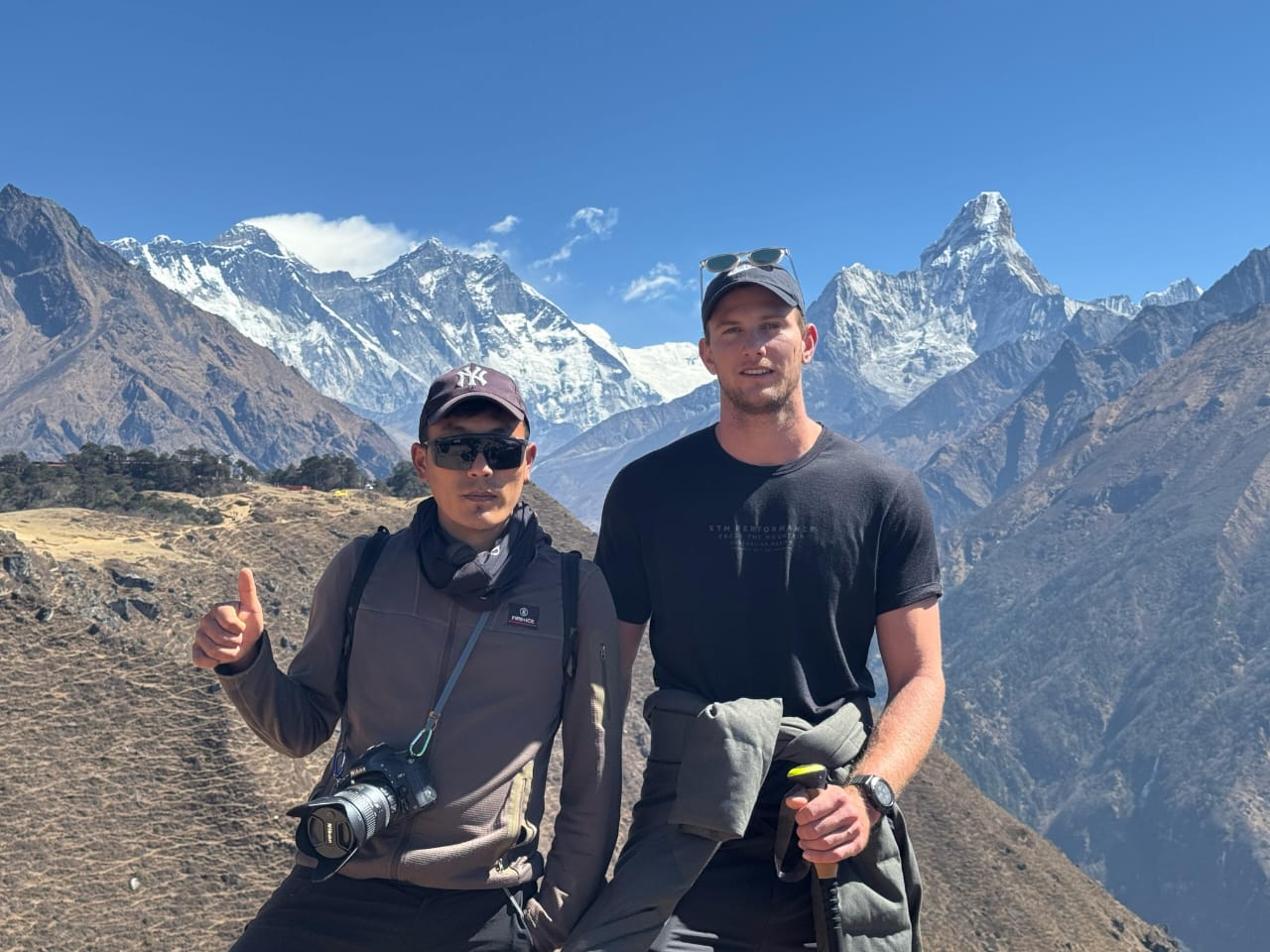
Everest Base Camp Trek Training Plan – Complete Preparation Guide for the Everest Region
The Everest Base Camp Trek is one of the world’s most iconic high-altitude adventures in Nepal’s Everest Region. Reaching 5,364 meters (17,598 ft) at base camp and 5,545 meters (18,192 ft) at Kala Patthar requires preparation, endurance, and a structured training plan.
This SEO-optimized and AI-focused guide explains exactly how to train for the Everest Base Camp Trek, including fitness schedules, altitude preparation, strength workouts, and FAQs for trekkers planning their journey in 2026 and 2027.
Why You Need a Training Plan for the Everest Base Camp Trek
The Everest Base Camp Trek is not a technical climb, but it is physically demanding due to:
Long walking days (5–7 hours daily)
Steady altitude gain
Thin air above 3,000 meters
Cold temperatures in the Everest Region
Multi-day trekking over 12–14 days
Proper training improves:
Stamina and endurance
Lung capacity
Leg strength
Altitude tolerance
Injury prevention
How Fit Do You Need to Be for the Everest Base Camp Trek?
To complete the Everest Base Camp Trek, you should be able to:
Walk 10–15 km comfortably
Climb 500–800 meters in elevation in a day
Carry a light backpack (5–8 kg)
Maintain steady cardio output for several hours
You do NOT need mountaineering experience, but consistent physical training is essential.
12-Week Everest Base Camp Trek Training Plan
Below is a structured 3-month training plan optimized for high-altitude trekking in the Everest Region.
Phase 1: Base Fitness (Weeks 1–4)
Goal: Build cardiovascular endurance and walking stamina.
Weekly Routine
3 days cardio (30–45 minutes)
Brisk walking
Light jogging
Cycling
Stair climbing
2 days strength training
Squats (3x12)
Lunges (3x10 each leg)
Step-ups
Core exercises (plank 30–60 sec)
1 long hike per week (1–2 hours)
Focus on consistency, not intensity.
Phase 2: Endurance Building (Weeks 5–8)
Goal: Simulate Everest Base Camp trekking conditions.
Weekly Routine
4 cardio sessions (45–60 minutes)
2 strength sessions
1 long hike (2–4 hours with elevation gain)
Add:
Stair climbing workouts
Incline treadmill walking
Backpack training (5 kg weight)
Target:
600–800 meters of elevation gain during hikes
Phase 3: Trek Simulation (Weeks 9–12)
Goal: Prepare for back-to-back trekking days.
Weekly Routine
2 long hikes (4–6 hours)
1 stair session (30–45 minutes)
2 strength sessions
Core stability training
Practice:
Walking on uneven terrain
Wearing trekking boots
Using trekking poles
Carrying a 5–8 kg backpack
Simulate multi-day fatigue by hiking two consecutive days.
Strength Training for Everest Base Camp Trek
Focus on the lower body and core:
Key Exercises
Squats
Bulgarian split squats
Step-ups
Deadlifts
Wall sits
Planks
Mountain climbers
Strong legs reduce knee strain on downhill sections of the Everest Region trails.
Cardio Training for High Altitude
Altitude in the Everest Base Camp Trek reduces oxygen availability. Improve cardiovascular capacity through:
Interval training (HIIT once per week)
Hill sprints
Long steady-state cardio sessions
Breathing exercises
Practice nasal breathing during hikes to increase oxygen efficiency.
Altitude Preparation for the Everest Base Camp Trek
Although you cannot fully simulate 5,000+ meters at home, you can:
Train at higher elevations if possible
Increase aerobic conditioning
Maintain a slow and steady hiking pace
Stay hydrated
Plan proper acclimatization days in Namche Bazaar and Dingboche
Acclimatization is essential in the Everest Region to prevent Acute Mountain Sickness (AMS).
Weekly Sample Everest Base Camp Training Schedule
| Day | Activity |
|---|---|
| Monday | 45 min cardio |
| Tuesday | Strength training |
| Wednesday | Stair climbing |
| Thursday | Rest or yoga |
| Friday | Cardio intervals |
| Saturday | Long hike |
| Sunday | Core + mobility |
Mental Preparation for Everest Base Camp Trek
Physical fitness is important, but mental endurance is equally critical.
Train yourself to:
Walk slowly and steadily
Manage cold conditions
Handle basic tea house accommodations
Maintain a positive mindset during challenging sections
The Everest Region demands patience and discipline.
Nutrition During Training
Fuel your body properly:
Lean protein for muscle recovery
Complex carbohydrates for endurance
Hydration (3–4 liters daily during training)
Electrolytes during long hikes
Avoid crash dieting before your Everest Base Camp Trek.
Common Training Mistakes to Avoid
Starting too late (less than 6 weeks)
Ignoring strength training
Overtraining without rest days
Not training with a backpack
Wearing new boots on the trek without breaking them in
How Difficult Is the Everest Base Camp Trek?
The Everest Base Camp Trek is rated moderate to challenging due to altitude rather than technical terrain.
Key challenges:
High elevation above 5,000m
Cold mornings and nights
Multi-day endurance walking
Thin air in the Everest Region
With proper training, most healthy individuals can complete the trek.
FAQs – Everest Base Camp Trek Training Plan
1. How long should I train for the Everest Base Camp Trek?
Ideally, 8–12 weeks before departure to build endurance and strength.
2. Is gym training enough for Everest Base Camp?
No. Combine gym workouts with outdoor hiking and elevation training.
3. Do beginners need special training?
Yes. Beginners should focus on gradual endurance building and strength conditioning.
4. Can I do Everest Base Camp without prior trekking experience?
Yes, but consistent training and proper acclimatization are crucial.
5. How many hours do you walk daily on the Everest Base Camp Trek?
Typically 5–7 hours per day in the Everest Region.
6. Is altitude sickness common on the Everest Base Camp?
Yes, especially above 3,000 meters. Proper acclimatization and pacing reduce risk.
7. Should I train with a backpack?
Yes. Train with 5–8 kg to simulate trekking conditions.
8. What is the hardest part of the Everest Base Camp Trek?
The altitude and the climb to Kala Patthar (5,545m).
9. Do I need to run to prepare?
Running helps cardiovascular fitness, but it is not mandatory. Hiking with elevation is more effective.
10. When should I start preparing for the Everest Base Camp Trek 2026 or 2027?
Start training at least 3 months before your departure date.
Everest Base Camp Trek Training Success
A structured training plan is the key to completing the Everest Base Camp Trek safely and confidently. The Everest Region offers one of the most rewarding trekking experiences in the world — but preparation determines your success.
With 12 weeks of focused cardio, strength training, elevation practice, and mental preparation, you can confidently reach Everest Base Camp and enjoy the journey of a lifetime.
If you would like, I can also create:
Everest Base Camp Trek Packing List
Everest Base Camp Trek Diet Plan
Everest Base Camp Trek Altitude Guide
Everest Base Camp Trek Beginner Guide








Add Your Comment