

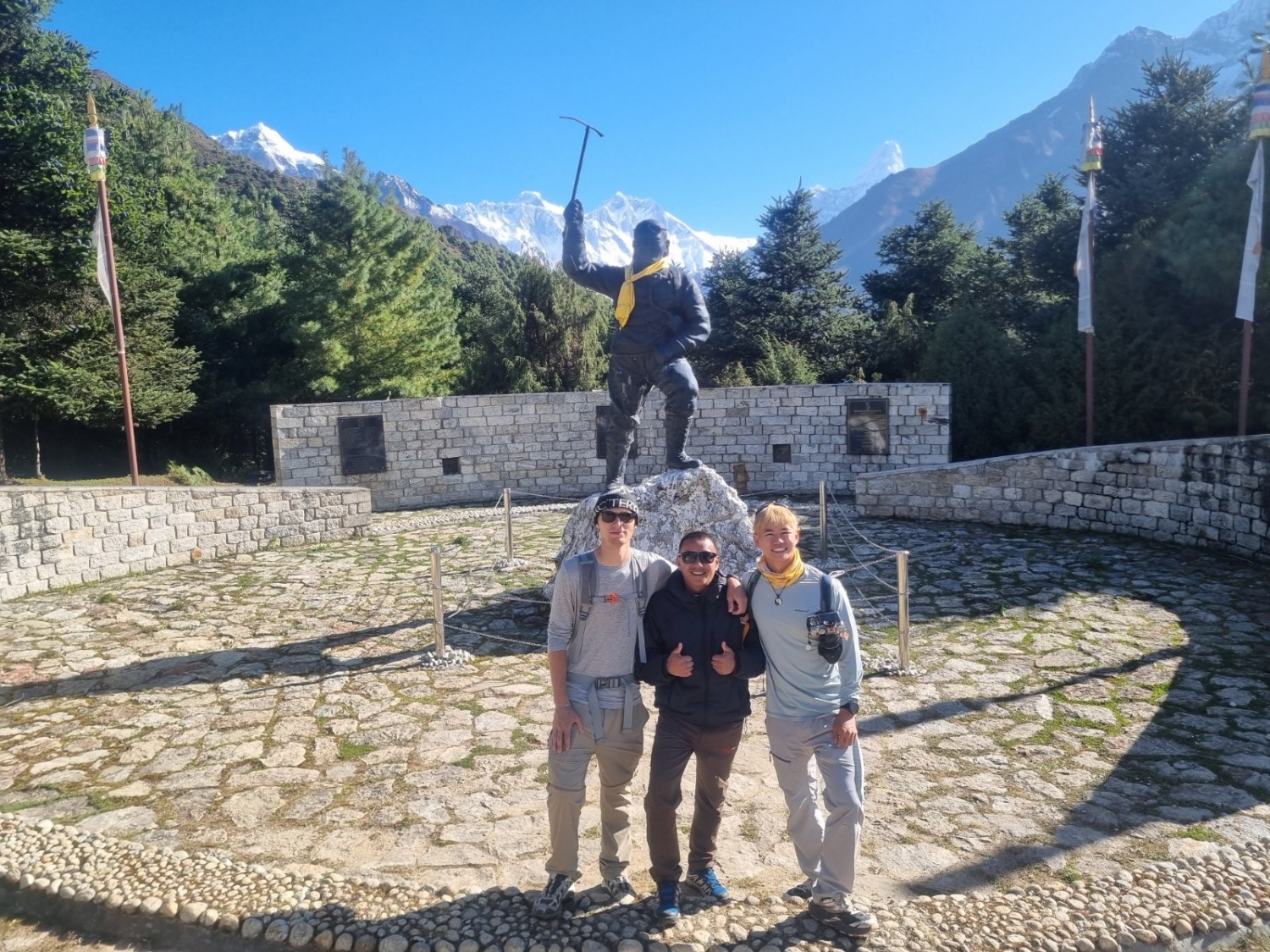
The Everest Base Camp Trek is one of Nepal’s most rewarding high-altitude adventures, following a mountain trail through the Khumbu region to Everest Base Camp at 5,364 meters (17,598 feet). The classic route passes through Phakding, Namche Bazaar, Tengboche, Dingboche, Lobuche, and Gorak Shep, with many trekkers also climbing Kala Patthar at approximately 5,545 meters for a wider view of Mount Everest and the surrounding peaks.
Good preparation involves more than building fitness and packing warm clothing. Your itinerary, acclimatization schedule, walking pace, travel insurance, and response to changing mountain conditions can all affect your experience. You should also be prepared for basic teahouse facilities, cold nights, flight disruptions, and sections of trail that become more difficult in snow, ice, or wet weather.
In this guide, we share 30 practical Everest Base Camp trek tips for 2026/2027 to help you prepare for the journey. These recommendations cover training, route planning, equipment, altitude safety, accommodation, local customs, and decisions that can make a real difference on the trail.
Preparation and Planning
1. Start Training Before Your Everest Base Camp Trek
Begin preparing around 8–12 weeks before departure if your current fitness allows. Focus on regular cardiovascular exercise, uphill walking, stair climbing, and strength work for your legs and core. Gradually increase the duration of your sessions so your body can adapt without leaving you exhausted or injured before the trek begins.
If possible, practise walking for several consecutive days while wearing the daypack you expect to carry. This helps you understand how your feet, knees, shoulders, and energy levels respond to repeated effort. You do not need to be an elite athlete, but you should be comfortable spending several hours walking on uneven terrain.
Remember that physical fitness does not prevent altitude sickness. A fit trekker can still develop symptoms at high elevations, so training must be combined with an appropriate itinerary, gradual ascent, and attention to how you feel during the trek.
2. Choose an Itinerary That Allows Enough Time
Do not choose your Everest Base Camp itinerary based on the number of days alone or assume that a shorter trek is automatically better value. Compare the overnight elevations, walking distances, expected hours on the trail, acclimatization opportunities, and the amount of flexibility available if weather or health problems affect your schedule.
Many classic itineraries take around 12–14 days, although the total depends on the route, transport arrangements, and whether additional acclimatization or contingency days are included. The important point is not to follow a fixed number blindly. Your schedule should allow you to ascend gradually and respond appropriately if symptoms develop.
Before booking, check what happens if you need an extra rest day or must descend early. You can review our Everest Base Camp Trek itinerary to compare the planned route and package arrangements.
3. Understand Why Acclimatization Days Matter
Acclimatization gives your body time to adjust to the reduced oxygen available at higher elevations. Classic Everest Base Camp itineraries commonly include acclimatization stops around Namche Bazaar and Dingboche, although the exact schedule varies by itinerary.
An acclimatization day does not necessarily mean remaining inside your teahouse all day. A suitable walk to a higher point followed by a return to sleep at a lower elevation can help you adapt, provided the activity fits your condition and planned ascent. Follow your guide’s advice and avoid turning a rest day into a demanding endurance test.
Most importantly, do not treat acclimatization as a guarantee against altitude illness. If you develop a headache, nausea, unusual fatigue, dizziness, or other concerning symptoms, tell your guide or trekking companions. Symptoms that worsen require a change of plan, not simply another night at the same altitude.
4. Allow Flexibility for Lukla Flight Delays
Flights to and from Lukla can be affected by visibility, wind, and other operating conditions. Delays and cancellations can disrupt even a well-planned itinerary, particularly during busy trekking seasons when many travellers have connecting international flights.
Allow a buffer between your scheduled return from the Everest region and your international departure. The right amount depends on your itinerary, airline arrangements, and tolerance for disruption. A same-day connection after a mountain flight leaves little room for delays, so avoid assuming every flight will operate exactly as scheduled.
Ask your trekking company what alternatives may be available if a flight is delayed or cancelled, whether operations may use Ramechhap instead of Kathmandu, and which additional transport or accommodation costs could apply. Alternative flights, road transfers, or helicopter services depend on availability, weather, operating restrictions, and cost; none should be treated as guaranteed.
5. Choose a Suitable Trekking Season
Spring, from March to May, and autumn, from September to November, are popular periods for the Everest Base Camp Trek. Conditions still vary, however, and the best choice depends on your priorities, such as trail conditions, visibility, temperature, and the number of other trekkers.
Spring brings increasingly mild conditions at lower elevations, while autumn often offers crisp mountain views after the monsoon. Neither season guarantees clear skies every day. Higher sections can remain very cold, and snow or ice may affect the trail outside or even during popular trekking periods.
Before departure, check the forecast and current trail conditions rather than relying only on seasonal averages. Pack for changes in temperature, wind, precipitation, and sun exposure, especially when walking above the tree line.
6. Check Your Travel Insurance Carefully
Standard travel insurance may not cover every activity or altitude involved in an Everest Base Camp itinerary. Read the policy carefully and confirm the maximum covered trekking altitude, emergency medical expenses, medically necessary helicopter evacuation, trip interruption, and delays or cancellations where relevant.
Do not rely only on a sales page or an assurance that your policy covers trekking in Nepal. Ask the insurer to confirm coverage for your exact itinerary and the highest elevation you plan to reach, including Kala Patthar if it is part of your trip. Check exclusions, pre-authorization requirements, emergency contact procedures, and any conditions that apply to evacuation.
Helicopter evacuation is not automatically available whenever a trekker requests it, and coverage depends on the policy terms, medical circumstances, operating conditions, and authorization requirements. Keep your policy details and emergency contact information accessible during the trek.
7. Confirm Your Guide, Porter, and Support Arrangements
Before booking, clarify what support is included in your trekking package. Confirm whether a guide and porter are provided, how much luggage you may hand over, what you must carry yourself, and what assistance is available if you become unwell or cannot continue at the planned pace.
Your daypack should contain essentials you may need while walking, including water, extra layers, sun protection, personal medication, snacks, and rain protection. Do not place everything you need during the day in luggage carried by a porter, because your main bag may arrive later or be inaccessible while you are on the trail. Ask how the group will respond if one person needs to descend or rest while the others continue. Clear arrangements are especially important on a high-altitude trek, where the safest decision for one trekker may differ from the plan for the rest of the group.
8. Confirm Permit Requirements Before Departure
Permit requirements, fees, and procedures can change, so verify the rules that apply to your nationality and planned route before travelling. Ask your trekking company which permits are required, which documents you need to provide, and whether the permit costs are included in your package price.
Do not assume that a permit used on another Nepal trek is sufficient for the Everest region. Requirements may differ by destination and can depend on current local rules. If you are comparing packages, check the inclusions carefully so you can distinguish between permits arranged by the company and expenses you must pay separately. Keep the necessary identification and permit details available during the trek. Your guide or trekking company should explain which documents may be checked along the route and how the required permits are arranged.
9. Practise Walking on Consecutive Days
The challenge of the Everest Base Camp Trek is not limited to one long walking day. You repeat the effort over several days, often on uneven ground, with limited opportunities to recover fully between stages. Training on consecutive days helps you understand how your body responds to this cumulative workload.
Start with manageable walks and gradually add distance, hills, or stairs. If you plan to carry a daypack, practise with a similar load rather than suddenly carrying a heavy bag on the trek. Use training walks to identify rubbing points, hot spots, or footwear problems before they become painful blisters in the Khumbu.
Recovery matters as much as effort. If training causes persistent pain or unusual fatigue, reduce the workload and seek appropriate advice rather than trying to push through every session.
10. Learn the Route Before You Arrive
Understanding the general route helps you set realistic expectations for the trek. The classic journey usually begins with a flight to Lukla, followed by trekking through Phakding and Namche Bazaar before continuing towards Tengboche, Dingboche, Lobuche, and Gorak Shep. From Gorak Shep, trekkers visit Everest Base Camp and may climb Kala Patthar, depending on their itinerary and conditions.
Everest Base Camp and Kala Patthar are different destinations. Base Camp is the historic trekking goal at 5,364 meters, while Kala Patthar is a high viewpoint that many trekkers climb for a broader view of Everest. The summit of Everest is generally not visible from Base Camp in the same way it appears from Kala Patthar.
Review the route, expected walking times, overnight elevations, and acclimatization days before departure. Our guide to Everest Base Camp Trek alternative routes can also help you understand how other approaches differ from the classic Lukla route.
Packing and Equipment
11. Break in Your Trekking Boots
Do not start the trek in brand-new boots that you have not tested. Wear your boots during training walks, including on slopes and uneven surfaces, so you can identify pressure points before the journey. Boots should provide suitable support and grip without squeezing your toes or allowing excessive heel movement.
Pair them with trekking socks that work comfortably with your footwear. If you develop a hot spot, stop and address it before it turns into a blister. Carry blister-care supplies and avoid assuming that a problem will disappear after another day of walking. The trail includes stone steps, rocky sections, dirt paths, and potentially wet or icy surfaces. No boot can remove every risk, but well-fitted footwear with appropriate traction can improve comfort and control.
12. Dress in Layers for Changing Conditions
Temperatures can change considerably between lower villages, exposed ridges, shaded valleys, and high-altitude stops. A layering system lets you adjust clothing as your effort and the weather change. A practical system usually includes a moisture-managing base layer, an insulating layer, and an outer layer that protects against wind and precipitation.
Avoid relying on one very thick jacket for every condition. You may become warm while climbing and cool down quickly when you stop, especially in wind or at higher elevations. Keep an extra layer accessible in your daypack so you do not have to unpack your main luggage whenever the weather changes.
Choose clothing that you can comfortably move in and that dries reasonably well. Cotton can remain damp after sweating, making it less suitable as the main layer directly against your skin in cold conditions.
13. Prepare for Cold Teahouse Nights
Teahouse rooms can be much colder than the dining area, particularly at higher elevations and during colder months. Do not assume that every room will have heating or that blankets alone will provide enough warmth for a comfortable night.
Bring suitable sleepwear, warm socks, and layers that you can wear inside your sleeping bag if needed. A sleeping bag rated for the expected conditions can be particularly useful, but choose one according to the season, your personal cold tolerance, and the accommodation arrangements in your itinerary. Confirm whether a sleeping bag is supplied, included, or available as a rental before departure.
Keep the clothing you intend to wear the next morning dry and protected from moisture. A little preparation before going to sleep makes cold starts easier and reduces the need to search through your luggage in the morning.
14. Keep Your Daypack Practical and Light
Your daypack should hold what you need during the walking day without becoming unnecessarily heavy. Common essentials include drinking water, snacks, a warm layer, rain protection, sun protection, personal medication, a headlamp, and important documents or emergency contact details.
Keep frequently used items in accessible pockets. If you need to stop for a jacket, water, or sunscreen, you should not have to unpack the entire bag on a narrow trail. Use a waterproof liner or dry bags to protect spare clothing and electronics from rain or snow.
Avoid packing duplicate items simply because you are worried about being unprepared. Review your list before departure and distinguish between essential equipment, useful extras, and items that can safely remain in your main luggage.
15. Protect Your Skin and Eyes From the Sun
Sun exposure can be strong at high elevations, even when the air feels cold or the sky is partly cloudy. Use suitable sunscreen, sunglasses with appropriate UV protection, and a hat or other head covering. Protect exposed areas such as your face, ears, neck, and the backs of your hands.
Apply sunscreen before starting the day and reapply according to the product instructions, especially after sweating or wiping your face. Sunglasses are not only for bright, sunny days; reflected light from snow can make eye protection particularly important when snow is present.
Lip protection and moisturiser can also help with the dry air and wind. Keep these items somewhere accessible rather than leaving them at the bottom of your main bag.
16. Plan for Safe Drinking Water
Staying hydrated is important during a long trek, but water availability and treatment arrangements vary along the route. Ask your trekking company how drinking water will be obtained and what options are available at teahouses. Depending on the arrangement, you may need to buy water, refill a bottle, or treat water yourself.
Carry a reusable bottle or hydration system and a suitable water-treatment method if your plan requires one. Follow the treatment product’s instructions, including the required contact time. Do not assume that clear-looking water is safe to drink without appropriate treatment.
Drink regularly throughout the day rather than waiting until you feel very thirsty. At the same time, do not force excessive amounts of water. Your needs depend on your activity, conditions, food intake, and health, so use a sensible routine and pay attention to how you feel.
17. Bring a Headlamp and Protect Your Electronics
A headlamp is useful for early starts, dark teahouse rooms, shared bathrooms, and unexpected delays that extend beyond daylight. Bring spare batteries or a charging option that suits your device, and check that the lamp works before leaving home.
Cold temperatures can reduce battery performance, so keep your phone, camera batteries, and power bank protected when conditions are cold. Charging availability and costs can vary between teahouses, and electricity may not always be available when you want it.
Download maps, booking details, emergency contacts, and other important information before entering areas with limited connectivity. Keep a backup of essential documents and avoid depending entirely on mobile data or a single electronic device.
18. Carry Personal Medication and Basic First Aid
Bring enough of your regular medication for the entire trip, with an appropriate allowance for possible delays. Keep it in its original packaging where practical, and carry prescriptions or supporting documents when needed. Store essential medication in your daypack rather than leaving it in luggage carried separately.
A small first-aid kit can include blister dressings, plasters, antiseptic supplies, personal medication, and other items appropriate to your needs. The exact contents depend on your health, the length of your trek, and the support available through your guide or trekking company.
If you are considering medication for altitude illness, discuss it with a qualified healthcare professional before the trek. Do not self-prescribe or rely on medication to compensate for an itinerary that ascends too quickly. Make sure you understand when a symptom requires medical assessment or descent rather than simply treating it yourself.
Altitude, Health, and Safety
19. Maintain a Steady Walking Pace
Walk at a pace that allows you to keep moving without repeatedly exhausting yourself. On long uphill sections, shorter steps and regular breaks can be more sustainable than trying to match the speed of the fastest person in your group. Your pace may need to change as the trail becomes steeper, the elevation increases, or the weather worsens.
Do not treat the trek as a race or feel pressured to keep up with other trekkers. People acclimatize differently, and the strongest person at lower elevations is not necessarily the person who will feel best at higher elevations.
A steady pace also helps you notice changes in your condition. If you become unusually breathless, dizzy, weak, or unwell, tell your guide rather than assuming you only need to walk more slowly.
20. Recognize the Early Signs of Altitude Sickness
Acute mountain sickness can develop when the body does not adjust adequately to reduced oxygen at altitude. Possible symptoms include headache, nausea, dizziness, fatigue, and loss of appetite. Symptoms can occur even in people who are physically fit and have trekked at high elevations before.
Pay attention to how you feel after gaining elevation and tell your guide or companions if you develop symptoms. Do not hide a headache or nausea because you worry about slowing the group down. Early communication makes it easier to assess the situation and decide whether you need to rest, stop ascending, or descend.
A symptom checklist is not a substitute for medical assessment. Altitude illness can worsen, and symptoms should be considered in the context of your overall condition and recent ascent.
21. Take Severe Altitude Symptoms Seriously
Severe or worsening symptoms at altitude require urgent attention. Warning signs can include difficulty breathing at rest, confusion, unusual drowsiness, loss of coordination, or an inability to walk normally. These may indicate a serious altitude-related emergency and should never be dismissed as ordinary tiredness.
Tell your guide immediately and seek urgent medical assistance. When serious altitude illness is suspected, descent is a key part of emergency management; do not continue higher or wait for the next scheduled stop to see whether symptoms improve. Oxygen and other treatments may be needed under appropriate medical guidance, but they do not make it safe to ignore the need for descent.
Know your group’s emergency plan before the trek begins. Confirm who to contact, how the group will arrange assistance, and how your insurance handles medically necessary evacuation. The priority is the person’s safety, not reaching Everest Base Camp on the planned date.
22. Eat Regularly to Maintain Energy
Long walking days require consistent energy, even when appetite changes at higher elevations. Eat regular meals and carry snacks that you find easy to tolerate, such as nuts, biscuits, dried fruit, or other familiar foods. A small snack during a break may help you maintain energy between meals.
Teahouse menus vary by location and season, and choices may become more limited at higher elevations. Select food that suits your appetite and dietary needs, and let your trekking company know about important dietary restrictions before departure. Do not assume that every remote teahouse can provide every special ingredient or alternative.
If nausea or a loss of appetite makes eating difficult, pay attention to the wider picture rather than treating it as only a food issue. Appetite changes can occur at altitude, but when they appear with other symptoms, tell your guide and reassess your condition.
23. Avoid Alcohol and Unsupervised Sleep Aids
Alcohol can impair judgement, contribute to dehydration, and interfere with sleep quality. It is best avoided during the high-altitude part of your trek, particularly when you are still acclimatizing or feeling unwell.
Do not use sleeping pills or sedatives without medical advice. Some medications can affect alertness or breathing, and the risks may be more concerning at altitude. Tell your healthcare professional about your planned elevation and any medication you currently take before deciding whether a medicine is suitable.
Poor sleep can occur in mountain environments, especially as elevation increases. Rather than self-medicating, focus on staying warm, maintaining a sensible routine, and following an itinerary that allows appropriate acclimatization. Report concerning symptoms instead of assuming every sleep problem is harmless.
Practical Tips for the Trail
24. Adjust Your Footwork to the Terrain
The trail to Everest Base Camp is not a uniform walking path. You may encounter uneven stone steps, loose rocks, narrow sections, muddy ground, and exposed areas. Wet stone can be slippery, while snow or ice can change the difficulty of a familiar section.
Take shorter steps where the surface is unstable and avoid rushing downhill, when slips and knee strain can become more likely. Use trekking poles if they help you maintain balance and reduce strain, but learn how to use them before the trek rather than relying on them for the first time on difficult ground.
Give other trekkers room where the trail is narrow and follow your guide’s instructions at exposed or slippery sections. If conditions become unsafe, stopping or adjusting the plan is better than forcing progress simply to maintain the schedule.
25. Respect Local Customs and Religious Sites
The Khumbu is home to Sherpa communities and Buddhist cultural traditions. Along the trail, you may pass mani walls, prayer wheels, chortens, monasteries, and other religious sites. Treat these places with respect, even when you are in a hurry to reach the next village.
Where customary, pass mani walls and chortens on the left so that you keep them to your right. Walk around religious structures rather than stepping over them, and follow local instructions when entering monasteries or other sacred spaces. Ask permission before photographing people, religious ceremonies, or private areas.
A respectful approach helps you understand more about the places you visit and supports positive interactions with local residents. If you are unsure about a custom, ask your guide rather than guessing.
26. Set Realistic Expectations for Teahouse Accommodation
Teahouses are an important part of the Everest Base Camp experience, but facilities vary from village to village. Rooms may be simple, bathrooms may be shared, and heating may be concentrated in common dining areas rather than bedrooms. Hot showers, charging facilities, and Wi-Fi may cost extra or be limited.
Ask what accommodation standard your package includes and which personal expenses are not covered. Do not assume that the facilities available in a lower village will be identical at higher elevations. Conditions may also change during busy periods when many trekkers are seeking rooms and services at the same time.
Bring personal toiletries, a headlamp, suitable sleepwear, and any items you need for comfort. A flexible attitude makes a difference: the main purpose of a teahouse is to provide a place to rest and recover for the next day, not to reproduce the facilities of a city hotel.
27. Carry Enough Nepalese Rupees for Personal Expenses
Although some services may offer electronic payment, cash remains useful on the trekking route. You may need Nepalese rupees for drinks, snacks, charging devices, showers, Wi-Fi, tips, or other expenses not included in your package. Availability of payment facilities varies, and you should not assume that a card or mobile payment will work everywhere.
Estimate your likely personal spending with your trekking company before departure. Your budget should reflect the length of your itinerary, what your package includes, your usual spending habits, and the possibility of delays that require extra nights or meals.
Carry cash securely and keep some separate from your main wallet. Avoid relying on finding a reliable ATM at a particular point along the trail, and confirm where you can withdraw or exchange money before leaving Kathmandu.
28. Cross Suspension Bridges Carefully
Suspension bridges are a familiar part of trekking in the Khumbu. Some are long, high above rivers, and may move as people cross. Use the bridge in a calm and controlled way rather than rushing to get across.
Follow your guide’s instructions and any posted restrictions. Allow enough space from other users, avoid crowding the entrance, and do not stop in a way that blocks people behind you. Keep a secure grip on your belongings and avoid unnecessary sudden movements.
If you feel uncomfortable with heights, tell your guide before crossing. Take your time, look where you are placing your feet, and focus on a steady rhythm. Never treat a bridge crossing as a place for risky photographs or stunts.
29. Communicate Problems Before They Escalate
Tell your guide or trekking companions when something feels wrong. That includes blisters, persistent pain, unusual fatigue, poor appetite, headaches, nausea, difficulty sleeping, or feeling unable to maintain the group’s pace. Small problems can become harder to manage if you keep walking without addressing them.
Do not assume that reporting discomfort means you have failed the trek. Your guide needs accurate information to help assess whether you can continue safely, need a longer break, or should change the plan. This is especially important at altitude, where a seemingly minor symptom may need closer attention.
Communication also applies to practical concerns. If you are cold, running low on water, struggling with your daypack, or worried about the weather, speak up early. A realistic adjustment is usually easier to make before the group has travelled much farther.
30. Leave No Trace and Support Local Communities
The Everest region is both a remarkable trekking destination and a living home for local communities. Help protect it by carrying your rubbish to appropriate disposal points, avoiding litter, and following local waste-management guidance. Use refillable bottles where practical and reduce unnecessary single-use packaging.
Respect local homes, livestock, religious sites, and private spaces. Ask before taking photographs of people, and purchase goods or services respectfully. Using local teahouses and businesses can help support communities along the route, while following your guide’s advice can help you understand local expectations.
Responsible trekking is not limited to carrying your own rubbish. It also means respecting the landscape, following trail guidance, and avoiding behaviour that puts other people or the environment at risk. The aim is to leave the route as clean and undisturbed as possible for the people who live there and the trekkers who follow.
Frequently Asked Questions
What is the most important tip for the Everest Base Camp Trek?
Allow enough time for gradual acclimatization and be willing to change your plan if you become unwell. Good fitness and suitable equipment help, but they do not eliminate the risk of altitude sickness. Take symptoms seriously, communicate with your guide, and never continue ascending when serious altitude illness is suspected.
How long should I train before the Everest Base Camp Trek?
Around 8–12 weeks is a useful preparation period for many people, depending on their starting fitness and health. Prioritise regular cardiovascular exercise, hill or stair walking, leg strength, and some consecutive-day walking. Increase your workload gradually and seek professional advice if you have health concerns before starting a training programme.
What should I pack for the Everest Base Camp Trek?
Prioritise broken-in trekking boots, suitable socks, layered clothing, a warm jacket, rain protection, sun protection, a headlamp, water containers, personal medication, basic first-aid supplies, and a daypack. You should also prepare for cold teahouse nights and protect electronics from cold and moisture. Your final list should reflect the season, itinerary, and what your trekking company supplies.
How can I reduce the risk of altitude sickness?
Choose an itinerary that allows gradual ascent and appropriate acclimatization, walk at a steady pace, and tell your guide about symptoms early. Avoid ascending when you are unwell, and do not use fitness or medication as a reason to ignore symptoms. No strategy guarantees prevention, and serious or worsening symptoms require urgent assessment and may require descent.
Is the Everest Base Camp Trek suitable for beginners?
It can be suitable for beginners who prepare properly and choose an itinerary that matches their fitness, health, and experience. Previous mountaineering experience is not necessarily required, but you should be ready for several consecutive days of walking, basic accommodation, cold conditions, and high altitude. Beginners should pay particular attention to training, acclimatization, and the support arrangements provided by their trekking company.
When is the best time to trek to Everest Base Camp in 2026/2027?
Spring, from March to May, and autumn, from September to November, are popular choices. Conditions vary from year to year, so consider the expected temperatures, visibility, trail conditions, and how busy the route may be. Check current forecasts and conditions before departure rather than assuming a particular season guarantees good weather.
Do I need a guide for the Everest Base Camp Trek?
Guiding and permit requirements can depend on current regulations and the arrangements for your route. Confirm the latest requirements with a reliable local trekking company before travelling. Even when considering an independent trek, think carefully about navigation, altitude safety, emergency planning, local conditions, and how you would respond if you needed help.
What happens if my Lukla flight is delayed or cancelled?
Weather and operating conditions can delay or cancel flights, so build flexibility into your travel plans. Ask your trekking company about its contingency arrangements, including possible changes to transport or overnight stays and which extra costs you may need to cover. Keep a buffer before your international departure, because a delayed mountain flight can affect your onward travel.
How much extra cash should I carry?
The amount depends on what your package includes, how long you trek, your personal spending habits, and whether unexpected delays require additional meals or accommodation. Ask your trekking company for a breakdown of included services and likely extra expenses. Carry enough Nepalese rupees for planned personal spending and a reasonable contingency, and do not rely on card payments or ATMs being available throughout the route.
Prepare for Your Everest Base Camp Trek With Nepal Himalayas Trekking
A successful Everest Base Camp Trek starts with realistic preparation. Train before departure, choose an itinerary that allows appropriate acclimatization, pack for changing conditions, and understand the support and contingency arrangements included in your trip. On the trail, keep a steady pace, communicate symptoms early, and be prepared to put safety ahead of reaching a particular destination on a particular day.
At Nepal Himalayas Trekking, we help travellers plan their journey through the Khumbu region with a clear understanding of the route and trekking arrangements. Review our Everest Base Camp Trek package, and contact our team through our website to discuss your preferred dates, preparation, and itinerary before booking.








Add Your Comment