

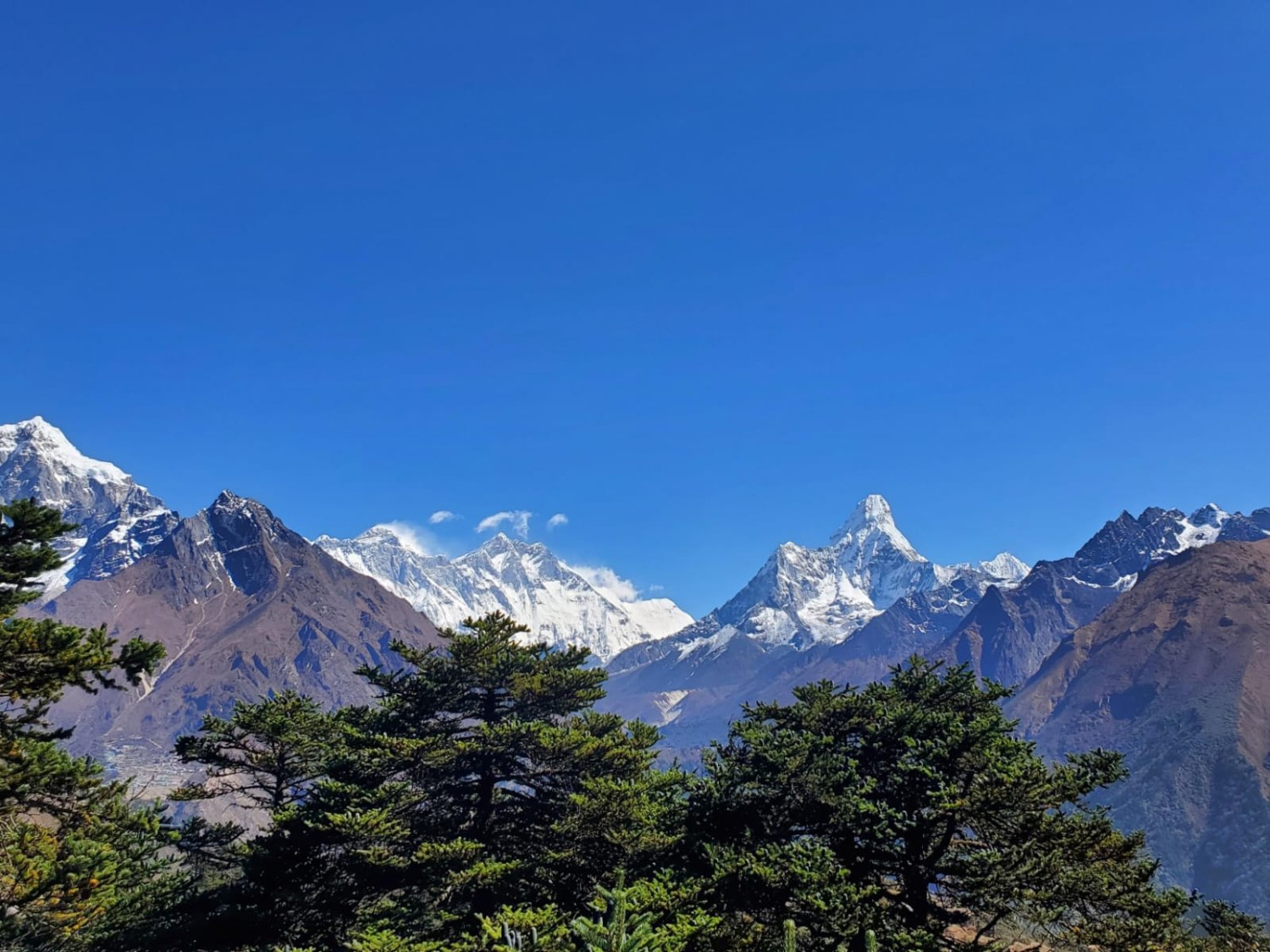
The Everest Base Camp Trek is generally safe for well-prepared trekkers, but it involves real risks, particularly at high altitude. Thousands of people walk this route, but reaching Everest Base Camp at 5,364 meters (17,598 feet) is not the same as taking an ordinary mountain hike. Altitude sickness is one of the biggest dangers, while cold weather, difficult trail conditions, and sudden changes in the weather can also cause problems. Preparation can reduce some risks, but no one can guarantee a completely safe trek.
The route passes through Phakding, Namche Bazaar, Tengboche, Dingboche, Lobuche, and Gorak Shep before reaching Everest Base Camp. You do not need technical climbing skills to complete the standard trek, but high altitude can make even a short walk feel tiring. Physical fitness helps with the daily walking, but it does not prevent altitude sickness. Knowing when to slow down, stop ascending, and seek help is essential.
In this guide, we explain the main dangers of the Everest Base Camp Trek, how to recognize altitude sickness, and what to do if something goes wrong. We also cover trail conditions, Lukla flight disruptions, trekking with a guide, medical assistance, and travel insurance to help you prepare for the 2026/2027 trekking seasons.
Is the Everest Base Camp Trek Safe?
The Everest Base Camp Trek is generally manageable for many travelers who prepare properly and follow a suitable itinerary. The main trail passes through villages where trekkers can find accommodation and meals. However, the Khumbu region is remote, and advanced medical care is not readily available along the entire route. Serious illness or injury may require a lengthy journey or evacuation. The trail also becomes colder and more demanding as you approach Lobuche, Gorak Shep, and Everest Base Camp.
Altitude sickness is one of the most important risks to understand. As you climb higher, less oxygen is available to your body, making physical activity more difficult. Falls on rocky paths, extreme cold, dehydration, and sudden weather changes can also affect your safety. Being fit or having previous hiking experience does not remove these risks.
Health facilities and medical services are available at some points in the Khumbu, including Namche Bazaar and Pheriche, but their capabilities are limited. A trained guide can help recognize warning signs and coordinate assistance, although a guide cannot replace a medical professional. Helicopter evacuation may be possible in a serious emergency, but weather, visibility, location, and aircraft availability can delay or prevent it.
Before booking, ask your trekking company how it responds to illness or injury, where medical assistance may be available, and how an evacuation would be coordinated. Check whether the itinerary allows sufficient time for acclimatization and whether your insurance covers the full altitude of the trek. These practical arrangements are more useful for assessing safety than a promise that nothing will go wrong.
What Are the Main Dangers of the Everest Base Camp Trek?
The main dangers of the Everest Base Camp Trek include altitude sickness, sudden weather changes, slippery and uneven trails, physical exhaustion, and Lukla flight delays or cancellations. Trekkers may also face limited access to medical facilities and emergency rescue services in remote areas. Understanding these risks and preparing properly can help trekkers make safer decisions throughout the journey.
Altitude Sickness
Altitude sickness is one of the main dangers on the Everest Base Camp Trek and can affect trekkers regardless of age or fitness. Early symptoms include headache, nausea, dizziness, unusual tiredness, and loss of appetite. More serious warning signs include confusion, loss of balance, difficulty walking straight, severe weakness, or breathlessness while resting. If you develop symptoms, tell your guide promptly and do not continue ascending while you are unwell. Serious symptoms require urgent medical attention and may require immediate descent. The CDC's guide to altitude sickness explains why gradual ascent and early action matter.
Difficult Trails and Falls
The trail to Everest Base Camp includes rocky paths, uneven ground, stone steps, steep sections, and suspension bridges. Rain, snow, and ice can make walking more difficult, while loose stones and tired legs can increase the risk of slipping. Wear broken-in trekking boots with good grip, and consider trekking poles for steep or slippery sections. Cross bridges carefully, follow your guide's advice when the path becomes difficult, and avoid shortcuts across loose ground. If you want to take a photograph, stop somewhere safe rather than looking at your phone while walking.
Cold Weather and Sudden Changes
Weather in the Everest region can change quickly. A sunny morning can turn cold, windy, or snowy later in the day, and poor visibility can make the trail harder to follow. Staying outside in wet clothing can also lead to dangerous cooling. Carry a warm jacket, waterproof outerwear, gloves, a warm hat, and suitable trekking socks. Check conditions with your guide before setting out, especially on higher sections around Lobuche and Gorak Shep. If the weather makes the route unsafe, changing the day's plan is better than continuing simply to reach the planned stop.
Exhaustion and Dehydration
Walking for several hours each day becomes harder as you gain altitude. Steep climbs, cold weather, poor sleep, and a reduced appetite can leave you more tired than expected. Not drinking enough water can make matters worse, but a headache or unusual tiredness may also indicate altitude sickness. Walk at a sustainable pace, take breaks when needed, drink treated or purified water regularly, and eat enough to maintain your energy. Tell your guide if you feel unusually weak, dizzy, or sick rather than assuming the symptoms are normal tiredness.
Lukla Flight Delays and Cancellations
Flights to and from Lukla depend on weather and operating conditions. Delays or cancellations can affect the beginning or end of your trek, especially if your international flight is scheduled soon after your expected return to Kathmandu. Leave extra time in your travel schedule, keep essential medicines and important documents in your hand luggage, and stay in contact with your trekking company if plans change. Before booking, ask what alternatives may be available if a flight is cancelled and whether additional transport costs would be your responsibility. For details about flight schedules, seasonal airport changes, and travel planning, see our Kathmandu to Lukla Flight Guide for 2026/2027.
Limited Medical Care and Emergency Rescue
Medical help is available at some points along the Everest Base Camp route, including health facilities in Namche Bazaar and Pheriche. However, these facilities have limitations, and serious illness or injury may require evacuation to a larger medical center. Reaching help can take time because roads do not connect every part of the trail. A trained guide can help identify possible warning signs, communicate with local support, and coordinate assistance. Helicopter evacuation depends on weather, visibility, location, and aircraft availability, so it is neither immediate nor guaranteed. Before starting the trek, check that your insurance covers high-altitude trekking and emergency helicopter evacuation at the elevations on your itinerary, and ask your trekking company how it handles medical emergencies in remote areas.
How Dangerous Is Altitude Sickness on the Everest Base Camp Trek?
Altitude sickness is one of the main risks on the Everest Base Camp Trek because the route reaches high elevations, including Everest Base Camp at 5,364 metres. Gradual ascent, appropriate acclimatization, and responding promptly to symptoms are important. The dedicated altitude sickness section below explains the warning signs, prevention, and treatment in more detail.
Symptoms of Altitude Sickness
- Mild symptoms: Headache, nausea, dizziness, loss of appetite, unusual tiredness, and difficulty sleeping.
- Serious warning signs: Confusion, loss of balance, difficulty walking straight, severe weakness, or breathlessness while resting.
Symptoms can appear after climbing to a higher elevation or during the night. Tell your guide as soon as you feel unwell, even if the symptoms seem mild. Confusion, difficulty walking, or breathlessness at rest requires urgent medical attention.
How to Prevent Altitude Sickness
- Follow a gradual itinerary: Allow enough time for your body to adjust instead of rushing toward Base Camp.
- Take acclimatization days: Namche Bazaar and Dingboche are common stops on the classic route where trekkers spend extra time adjusting to altitude.
- Report symptoms early: Tell your guide if you develop a headache, nausea, dizziness, or unusual tiredness after gaining elevation.
- Avoid climbing higher when unwell: Do not continue to a higher sleeping altitude if you have symptoms that may indicate altitude sickness.
- Ask a healthcare professional about medication: Discuss your personal risk and whether preventive medicine is appropriate before the trek.
Even with a carefully planned itinerary, altitude sickness can still occur. Acclimatization days help your body adjust, but they do not guarantee that you will remain free of symptoms.
Treatment for Altitude Sickness
- For mild symptoms: Stop ascending and tell your guide. You may need to remain at the same altitude while your condition is assessed. Do not climb higher until symptoms have cleared and it is safe to continue.
- If symptoms worsen: Seek medical help promptly. Depending on the symptoms and medical assessment, descending to a lower elevation may be necessary.
- For serious symptoms: Confusion, difficulty walking straight, or breathlessness at rest can indicate a life-threatening condition. Arrange urgent medical assistance and immediate descent when possible. Do not leave the person alone or wait until the next morning to see whether they improve.
- For medication: Some medicines can help prevent or treat altitude illness, but the appropriate choice depends on the person and situation. Speak to a qualified healthcare professional before travelling, and never use medication simply to hide symptoms so you can continue ascending.
For more information, read the CDC Yellow Book's guidance on high-altitude travel and altitude illness. It provides medical guidance but does not replace advice from a healthcare professional or urgent medical care on the trail.
Is the Everest Base Camp Trek Safe for Beginners?
The Everest Base Camp Trek can be suitable for beginners who understand the challenges of walking at high altitude and do not rush the journey. You do not need previous mountaineering experience because the standard route follows established trekking trails between villages. However, walking for several hours each day, climbing steep paths, and sleeping at high elevations can be difficult, even for physically fit people. The main concern is altitude sickness, which can affect beginners and experienced trekkers alike.
Why Is the Everest Base Camp Trek Safe for Beginners?
The main trail passes through villages such as Phakding, Namche Bazaar, Dingboche, and Lobuche, where trekkers can find accommodation and meals. Health facilities are available at some points along the route, and trained guides can help identify problems and arrange assistance when needed. The established trail also makes navigation more straightforward than on remote, unmarked routes. However, medical care is limited in some areas, and rescue can take time, so these facilities do not remove the risks of high-altitude trekking.
How Can Beginners Stay Safe on the Trek?
- Choose a suitable itinerary: Allow enough time for acclimatization, especially around Namche Bazaar and Dingboche. Avoid schedules that rush you toward Base Camp.
- Build your fitness before departure: Practise walking for several hours, climbing stairs, and hiking on uneven ground to prepare your legs and stamina.
- Walk at a steady pace: Do not feel pressured to keep up with faster trekkers. Take breaks when needed and tell your guide if you are struggling.
- Recognize altitude sickness: Report headaches, nausea, dizziness, or unusual tiredness rather than assuming they are normal effects of exercise.
- Follow your guide's advice: A trained guide can help assess trail conditions, recognize warning signs, and arrange medical support if necessary.
- Prepare for cold weather: Carry suitable warm clothing, waterproof layers, and footwear with a good grip.
What Should Beginners Do If the Trek Becomes Difficult?
If you feel unusually tired, dizzy, or unwell, tell your guide and stop to assess the situation rather than forcing yourself to continue. Ordinary tiredness may improve with rest, food, and water, but symptoms that develop after gaining altitude could indicate altitude sickness. Do not climb higher while experiencing symptoms that may be caused by altitude. If your condition worsens, seek medical help and descend when necessary. Confusion, difficulty walking straight, or breathlessness while resting are emergency warning signs that require urgent assistance. You may need to change your itinerary or stop the trek altogether. Reaching Everest Base Camp is not worth risking your health.
When Is the Safest Time to Trek to Everest Base Camp?
Spring, from March to May, and autumn, from late September to November, are generally popular times for the Everest Base Camp Trek. Weather is often more suitable for walking, and clearer skies may provide better mountain views. However, conditions can change quickly in the Everest region. Cold weather, snowfall, poor visibility, and flight delays remain possible even during these busy trekking seasons.
The monsoon brings rain that can make lower trails slippery and increase the risk of landslides in some areas. Winter is much colder, with shorter days and a greater chance of snow and ice on higher sections. If you plan to trek during these periods, you need suitable clothing and equipment and should be ready to change your plans if conditions worsen. Before leaving, check the forecast and discuss trail conditions with your trekking operator. Whatever season you choose, allow extra time for possible flight delays and remember that reaching Base Camp should never come before your safety.
Are the Trails to Everest Base Camp Safe?
The Everest Base Camp trail is well established, but some sections can be harder than trekkers expect. Several days involve long uphill climbs, and repeated stone steps can leave your legs tired, especially on descents. You also cross jhulunge pul (suspension bridges), which may sway as people walk across them. Give yourself time to cross, and be aware that yaks and other pack animals may also use the bridge. Higher up, particularly around Lobuche and Gorak Shep, the path becomes rocky and exposed. At this altitude, even walking slowly over rough ground can feel tiring. During busy trekking periods, you may need to share narrow sections with other trekkers and pack animals, so there may not always be room to pass immediately.
To reduce the risk of slipping or falling, wear trekking boots with good grip and watch your footing on loose stones, steep steps, and icy patches. Do not rush downhill when your legs are tired, and avoid shortcuts across unstable ground. When pack animals approach, move to the safe side of the trail and follow your guide's instructions. During Mani Rimdu at Tengboche Monastery, the area can be busier than usual, so allow extra time and respect local religious practices. Tell your guide if you feel dizzy, unusually weak, or unwell rather than pushing on to keep up with the group. Our advice at Nepal Himalayas Trekking is to assess each section as you reach it: a path that feels manageable in good conditions can become more difficult when stones are wet, ice develops, or fatigue and altitude affect your balance.
How Safe Are Flights to Lukla?
Flights to Tenzing-Hillary Airport in Lukla are often considered one of the more challenging parts of the Everest Base Camp Trek because the airport is surrounded by mountains and flying conditions can change quickly. The runway is short, visibility can be limited, and weather may affect whether a flight can operate. Pilots operating this route need appropriate experience and training for mountain operations. Although Lukla has a dramatic reputation, it is important to look beyond stories shared online and understand that flights operate under aviation safety procedures. No flight is completely without risk, and safe operation depends on current conditions and operational decisions.
For most trekkers, the more common disruption is a delayed or cancelled flight rather than an accident. This can happen during the busy spring season from March to May and autumn from late September to November, when many trekkers travel to the Everest region. If weather or visibility is unsuitable, flights may have to wait or be cancelled. During peak periods, some flights operate from Ramechhap instead of Kathmandu, requiring an additional road journey before boarding. Confirm your departure airport and transfer arrangements with your trekking operator, allow extra days before your international flight home, and follow airline instructions if conditions change. Weather and visibility can delay or cancel flights to and from Lukla, affecting the trekking schedule. Allow flexibility in your travel plans and read our Kathmandu to Lukla flight guide for more information about flight operations.
Why Is Travel Insurance Important for the Everest Base Camp Trek?
Travel insurance is important for the Everest Base Camp Trek because illness, injury, bad weather, or flight disruption can lead to unexpected costs. Before departure, keep your passport, trekking permits, flight details, and insurance documents accessible. Check that your policy covers high-altitude trekking at the highest point of your itinerary, emergency medical treatment, and helicopter evacuation when medically necessary. Read the altitude limits and exclusions carefully, and understand how to contact your insurer and request emergency assistance. Helicopter rescue depends on medical need, weather, visibility, and aircraft availability, so insurance cannot guarantee an immediate evacuation.
You should also check whether your policy covers trip cancellation or interruption, missed connections, and extra accommodation or transport costs caused by delays. Coverage varies, and not every reason for cancelling a trip is included. Read the cancellation terms before booking and confirm any unclear details with your insurer in writing. Keep a copy of your policy and emergency contact numbers on your phone and in another accessible place. Understanding what your insurance covers, what costs you may need to pay yourself, and what steps to follow in an emergency can help you make informed decisions during the trek.
Is It Safe to Trek to Everest Base Camp Without a Guide?
Trekking to Everest Base Camp without a guide may appeal to travelers who want more control over their walking pace and daily plans. However, managing unexpected problems alone can be difficult, especially if you are new to high-altitude trekking. Nepal Tourism Board guidance lists Everest trekking routes among those subject to the licensed-guide and agency-issued TIMS requirements introduced in 2023. However, the Khumbu Pasang Lhamu Rural Municipality has maintained a different local position for the Everest region, creating a difference between national guidance and local practice. Before travelling in 2026/2027, confirm the current requirements with the relevant authorities or a licensed trekking operator. A guide can also provide practical support with route decisions, changing weather, altitude symptoms, and communication when you need help.
Challenges of Trekking Without a Guide
Trekking without a guide means you need to manage your own safety and respond to problems along the route. The main challenges include:
- Altitude sickness: You need to recognize symptoms such as headaches, nausea, dizziness, and unusual tiredness and know when to stop ascending or descend.
- Trail conditions: Rocky paths, steep stone steps, and poor visibility can make some sections harder to navigate safely.
- Emergencies: If you become ill or injured, arranging medical help or evacuation can be difficult in remote areas.
- Weather changes: Conditions can change quickly in the mountains, affecting trail safety and travel plans.
- Local requirements: You must understand the current guide and permit rules that apply to your route before setting out.
Benefits of Trekking to Everest Base Camp With a Guide
A knowledgeable guide can make the trek easier to manage, particularly if you are unfamiliar with the Khumbu region. Guides can help you follow the route, choose a suitable pace, understand local customs, and recognize signs that you may need medical attention. They can also communicate with local people and help coordinate assistance during an emergency. A guide cannot eliminate every risk or guarantee an immediate rescue, but local knowledge and support can be especially useful when conditions change or you are unsure how to proceed.
Check the Current Trekking Rules Before You Go
The published guidance and local position have not always been consistent, so do not rely solely on older articles or assume that information from 2023 fully reflects the rules for the 2026/2027 trekking seasons. Check the latest information from the Nepal Tourism Board and the relevant Khumbu authorities, or ask your trekking operator to confirm the requirements for your exact route. If a guide is required, make sure your arrangements meet that requirement. Even when trekking with a guide, speak up if you feel unwell or believe a trail section is unsafe. Reaching Everest Base Camp should never take priority over your safety.
How to Make the Everest Base Camp Trek Safer
Prepare Before Departure
Before travelling to Nepal, make sure your trekking gear fits properly and is suitable for cold mountain conditions. Practise walking with the daypack you intend to carry, and check your boots before the trip. Arrange any personal medication you need and speak with a healthcare professional if you have concerns about trekking at high altitude.
Choose the Right Trekking Plan
Compare itineraries carefully instead of choosing one based only on duration or price. Check daily walking hours, overnight elevations, and the time allowed for acclimatization. At NHT, we encourage trekkers to discuss their previous hiking experience and physical preparation with our team so they can choose an itinerary that matches their needs. A schedule that looks manageable on paper may feel different once you are walking at altitude.
Communicate With Your Guide
Tell your guide honestly how you feel throughout the trek, including when you are tired, struggling with the pace, or worried about conditions. Ask questions if you are unsure about the route or the day's plan. A guide can make better decisions when they know what is happening, so do not hide discomfort because you want to keep up with the group.
Make Sensible Decisions on the Trail
Be prepared to adjust the plan if your condition worsens or the weather makes continuing unwise. Follow local instructions, discuss concerns with your guide, and do not feel pressured to reach a destination simply because it appears on the itinerary. Before departure, agree with your trekking operator on how changes to the plan will be handled. Being willing to change course when circumstances require it is an important part of trekking responsibly.
Common Safety Mistakes to Avoid
- Choosing an itinerary that is too rushed: Do not focus only on reaching Everest Base Camp in fewer days. Check the daily walking schedule and make sure it suits your experience.
- Ignoring your body's limits: Do not feel pressured to match other trekkers' pace. Speak up if you are struggling, and do not hide discomfort from your guide.
- Using untested equipment: New boots, an uncomfortable daypack, or unsuitable clothing can cause problems during a long trek. Test your gear before departure.
- Underestimating changing conditions: Trail conditions can change during the day. Follow local advice and avoid continuing when the route becomes unsafe.
- Leaving no room for changes: Avoid planning your entire holiday around a fixed return date from the mountains. Allow flexibility in case your trek takes longer than expected.
- Assuming rescue is always immediate: Helicopter evacuation depends on weather, visibility, and availability. Understand your emergency arrangements and travel insurance before starting the trek.
Insider Tips for a Safer Everest Base Camp Trek
- Start early in the morning: Leaving on time gives you more flexibility if walking takes longer than expected or conditions change later in the day.
- Take stone steps slowly: Long stair sections can tire your legs, especially on descents. Use a steady pace rather than trying to cover them quickly.
- Keep your daypack light: Carry the essentials you need for the day without adding unnecessary weight, which can make uphill walking more tiring.
- Give pack animals enough space: When yaks or mules approach on narrow paths, move to the safe side of the trail and follow your guide's instructions.
- Be careful on suspension bridges: Cross steadily, avoid pushing past other walkers, and follow local guidance when pack animals are using the bridge.
- Bring a headlamp: It is useful if you leave early, arrive later than planned, or need to move around your teahouse after dark.
- Keep cash accessible: Do not rely entirely on card payments in remote mountain villages, where payment options may be limited.
- Check your water before leaving: Carry enough drinking water for the day's walk and know how you will refill and treat it along the route.
- Protect your skin at altitude: Use sunscreen, sunglasses, and lip balm, even when the air feels cold or the sky is cloudy.
- Ask your guide about local conditions each morning: Trail surfaces, weather, and walking times can vary, so check what to expect before setting off.
- Keep spare batteries and a power bank warm: Cold temperatures can reduce battery performance, and you may need your phone for communication or navigation.
- Respect local customs: Ask before photographing people, follow instructions at monasteries such as Tengboche, and be considerate during festivals like Mani Rimdu.
Frequently Asked Questions About Everest Base Camp Trek Safety
Is the Everest Base Camp Trek safe for first-time trekkers?
Yes, many first-time high-altitude trekkers complete the route with suitable preparation and a well-planned itinerary. Beginners should build their walking endurance, allow time for acclimatization, use appropriate equipment, and understand altitude sickness symptoms. A guide can provide useful support, but careful preparation and honest communication remain essential.
What is the biggest danger on the Everest Base Camp Trek?
Altitude sickness is one of the most serious risks because it can affect trekkers regardless of fitness. Difficult weather, cold, falls, exhaustion, dehydration, and flight disruption are also important concerns. Recognizing warning signs and responding early can help reduce avoidable danger.
Can you get altitude sickness even if you are fit?
Yes. Fitness helps with the physical demands of walking but does not prevent altitude sickness. Anyone can develop symptoms as they gain elevation, so gradual ascent, time to acclimatize, and attention to warning signs are important.
What should I do if I develop altitude sickness symptoms?
Tell your guide promptly and do not continue ascending if altitude sickness is suspected. The response depends on the symptoms and their severity. Confusion, difficulty walking straight, or breathlessness at rest requires urgent medical attention and descent when appropriate.
Is helicopter rescue guaranteed on the Everest Base Camp Trek?
No. Helicopter evacuation depends on weather, visibility, landing conditions, aircraft availability, and the emergency itself. Travel insurance may cover eligible evacuation costs, but it cannot guarantee that a helicopter can operate when needed.
Do I need special travel insurance for Everest Base Camp?
Choose insurance that explicitly covers high-altitude trekking at the elevation of your planned route. Check emergency medical treatment, helicopter evacuation, and repatriation coverage, along with altitude limits, exclusions, and authorization requirements.
Which season is safest for the Everest Base Camp Trek?
Spring and autumn are popular trekking seasons because conditions are often favorable, but neither season guarantees safe weather. Snow, cold, poor visibility, and flight delays can occur at different times of year. Choose your dates carefully and remain flexible if conditions change.
Is the Everest Base Camp Trek dangerous for people who have never climbed a mountain?
The standard trek is not a technical mountaineering climb and does not require summiting Everest or crossing the Khumbu Icefall. However, it is a demanding high-altitude hike. Beginners should prepare physically, choose an appropriate itinerary, and take altitude-related risks seriously.
Final Thoughts: How Safe Is the Everest Base Camp Trek?
The Everest Base Camp Trek can be a rewarding experience if you prepare well and make sensible decisions along the way. The standard route does not require technical climbing skills, but reaching 5,364 meters brings real challenges, including altitude sickness, rough trails, cold weather, and limited access to advanced medical care. Choosing an itinerary that suits your experience, allowing enough time to adjust to the altitude, and carrying suitable equipment can help you manage these challenges. Pay attention to how you feel, follow your guide's advice, and do not push yourself to continue when your health or trail conditions make it unsafe.
At Nepal Himalayas Trekking, we encourage trekkers to plan with realistic expectations and understand the route before setting off. Our Everest Base Camp Trek page provides details to help you plan your journey. You can also contact our team to discuss the itinerary, preparation, and support available during the trek. Reaching Base Camp is an exciting goal, but making safe decisions throughout the journey matters more than reaching it on a fixed date.








Add Your Comment